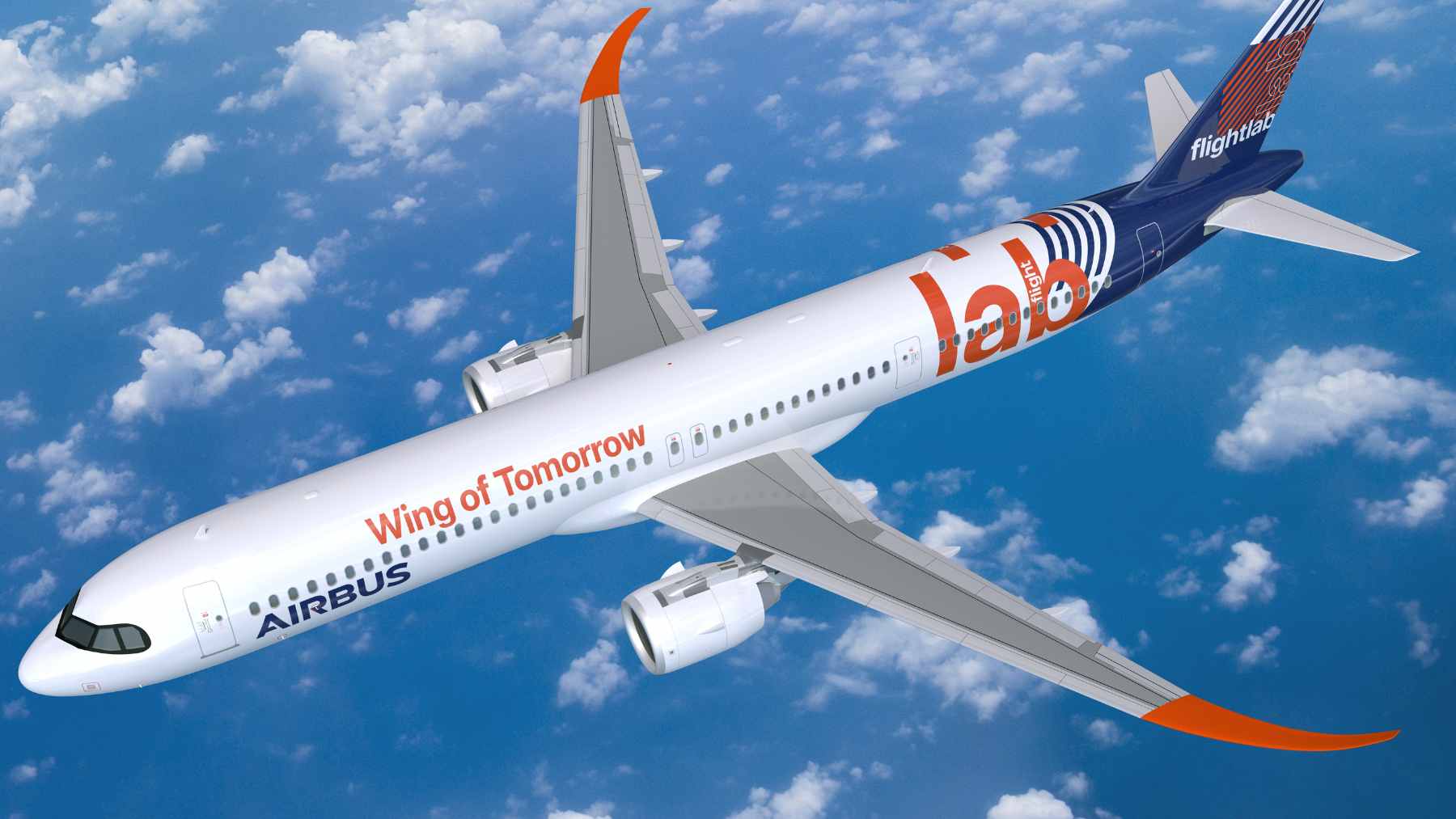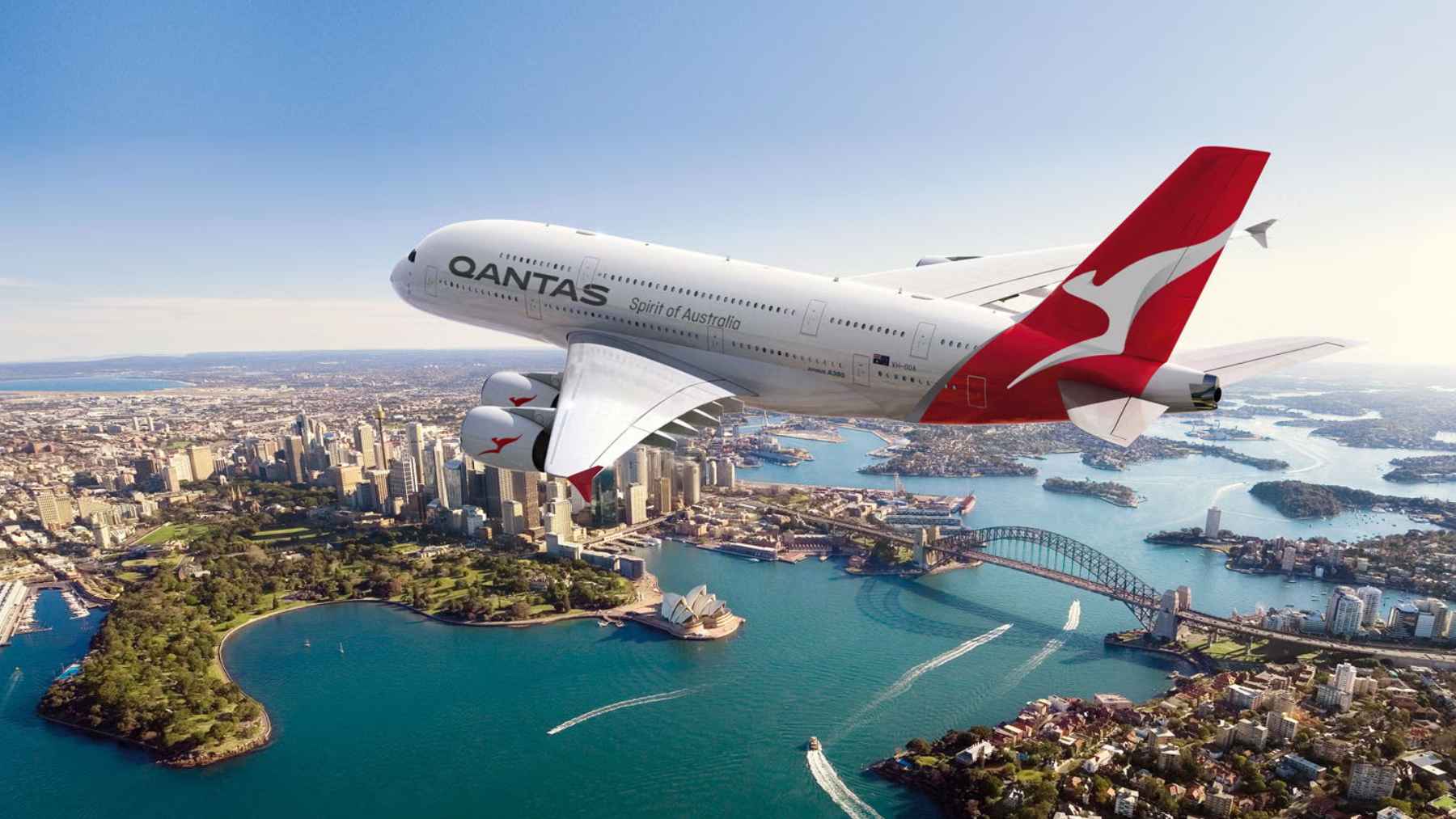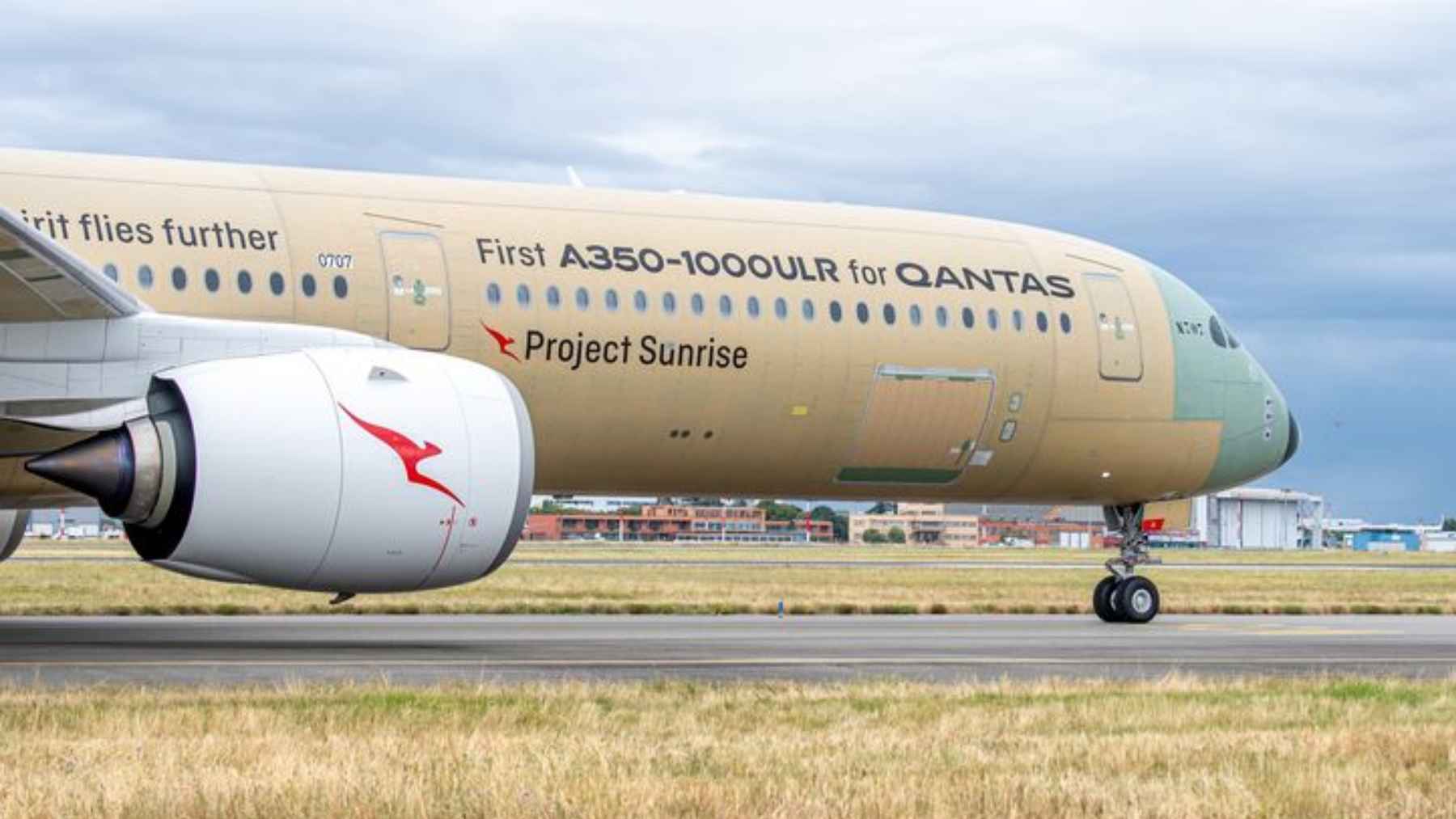
An aircraft designed to remove one of aviation’s last great stopovers has reached Australia during a demanding certification campaign. The Airbus A350-1000ULR, developed for Qantas under Project Sunrise, landed in Melbourne on July 24 after flying nonstop from Airbus’s Toulouse base, bringing planned direct service between Sydney and London closer to reality.
Airbus says the specially modified jet can cover almost 11,500 miles and remain airborne for up to 22 hours. That could save travelers as much as four hours compared with the fastest one-stop journey, but the environmental story is not as simple as “fewer stops means fewer emissions.”
The aircraft is both an engineering milestone and a real-world test of how far aviation can stretch efficiency.
A major test milestone
The flight-test aircraft, known as MSN 707, first took off on June 2, 2026, for a three-hour and 43-minute flight that climbed slightly above 41,000 feet. That first mission checked basic performance and the redesigned fuel architecture, launching a two-month campaign expected to include roughly 80 hours in the air.
Its Australian visit pushed those checks into true ultra-long-haul territory. Qantas said four Airbus test pilots and five test engineers were using the Toulouse-Melbourne trip to assess systems over an extended mission, while the return leg would include two Qantas pilots. This is not a publicity lap.
How Airbus added the range
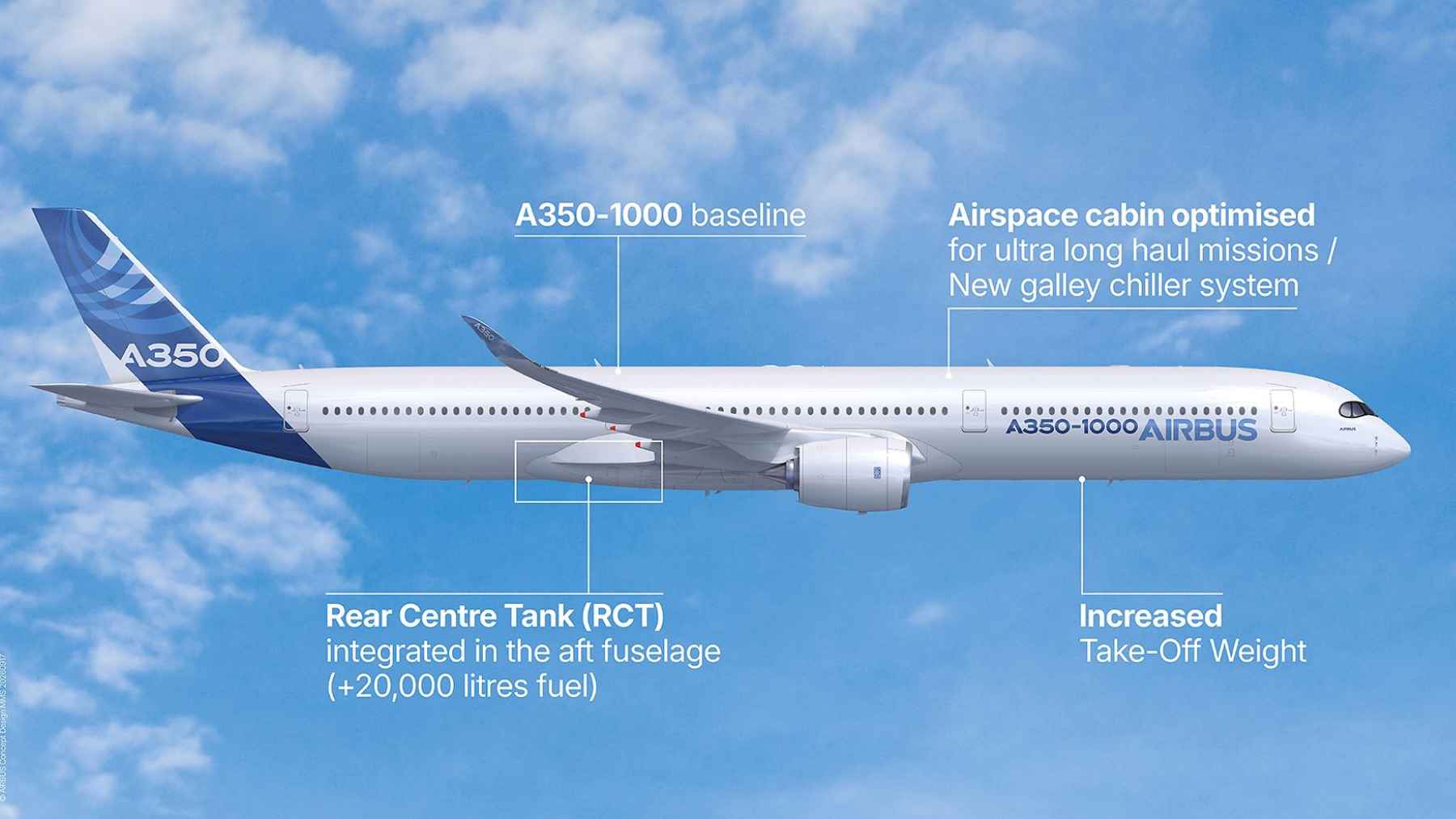
The biggest change is a rear center tank holding about 5,283 U.S. gallons of extra fuel. Integrated into the aircraft’s structure, it extends the standard A350-1000’s range by about 1,151 miles and leaves enough reserve for a diversion near the end of a marathon flight.
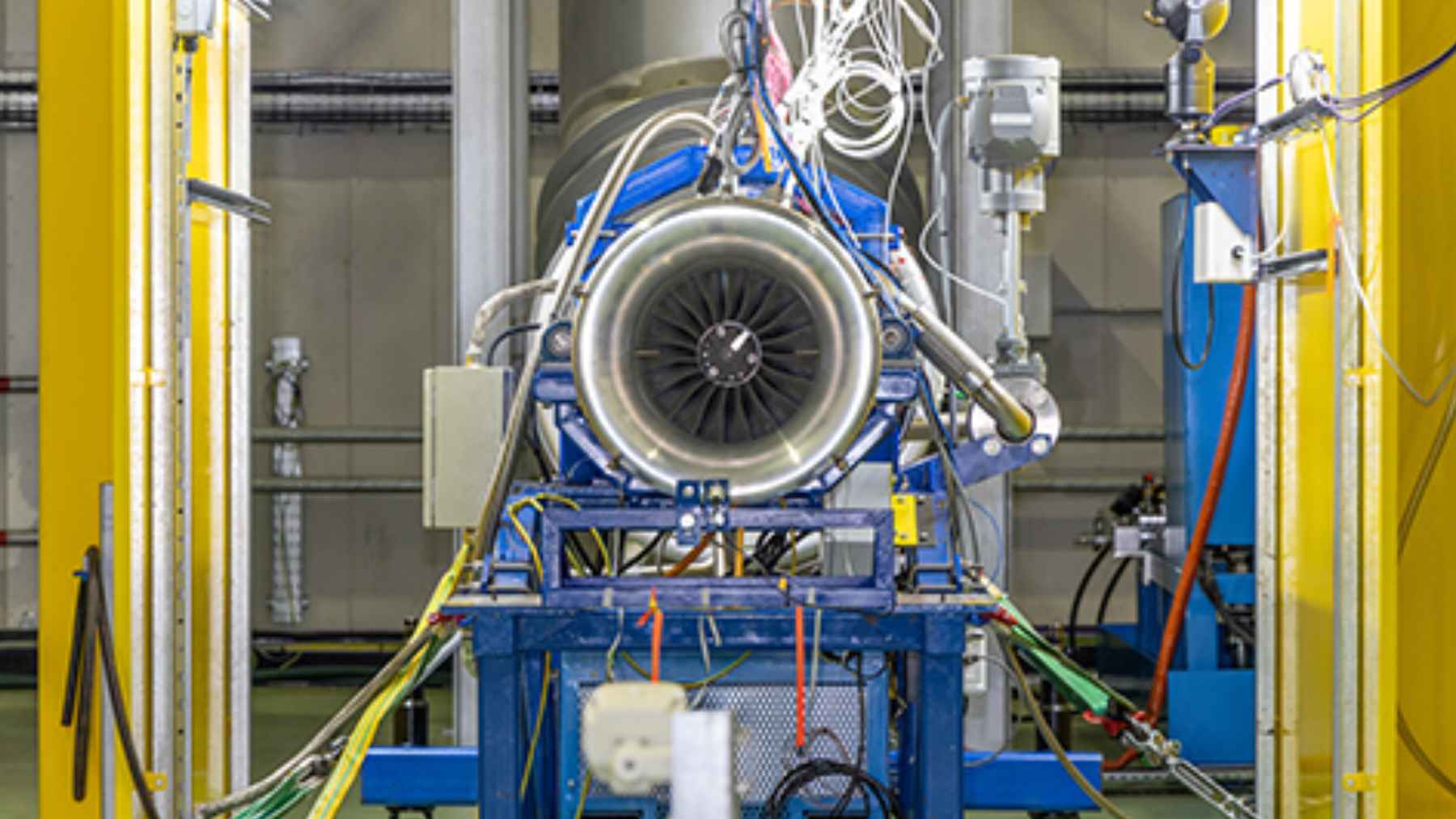
That extra capacity only works if fuel moves exactly as planned. During the certification campaign, engineers are testing pumps, gauges, pressure systems, oxygen levels, temperature, and the sequence used to transfer fuel between tanks while the aircraft climbs, cruises, and descends.
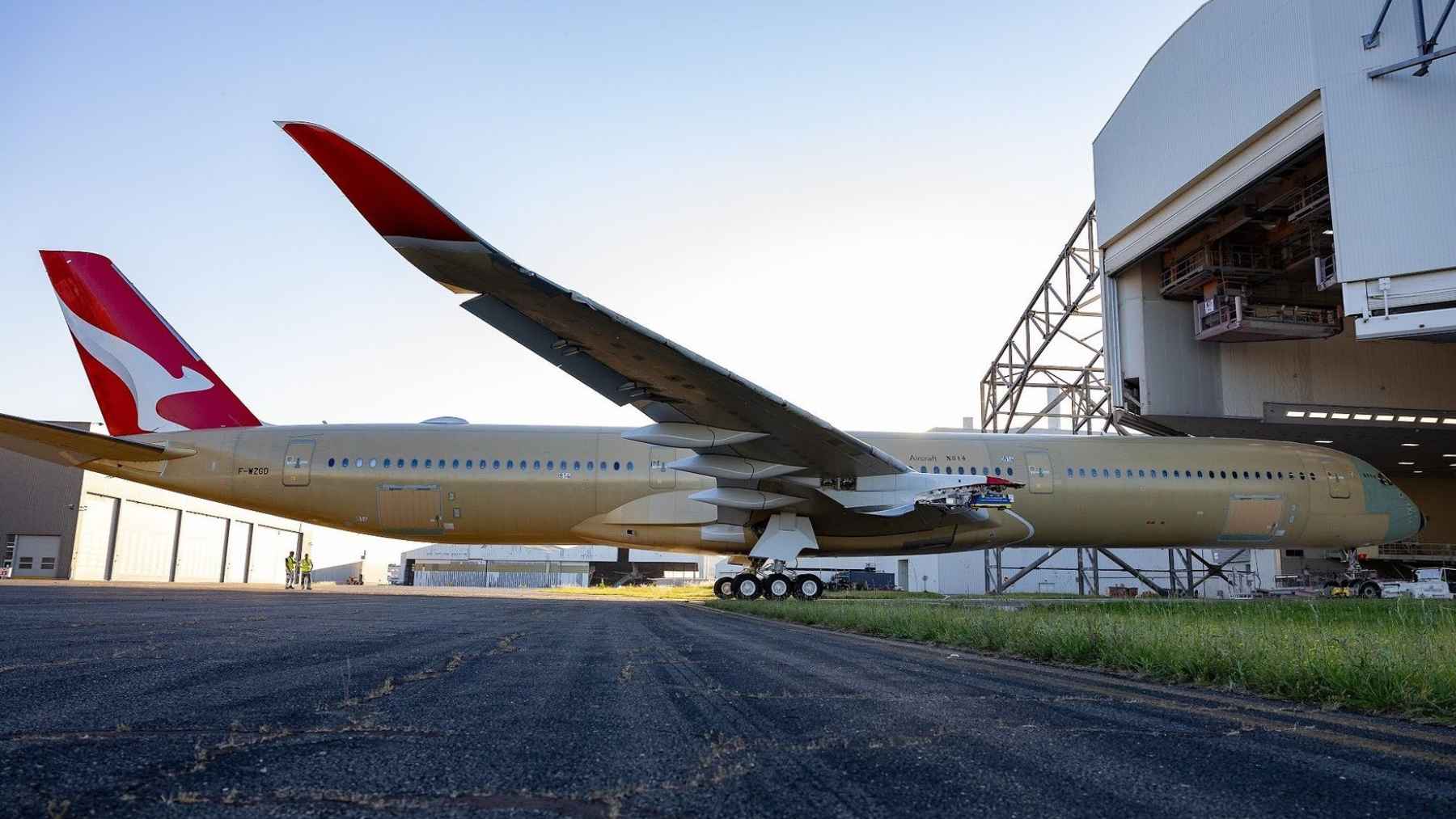
Two Rolls-Royce Trent XWB-97 engines provide the thrust, while a higher maximum takeoff weight makes the extra load possible.
Airbus is also certifying a more efficient galley refrigeration system that saves about 661 pounds. It sounds like a small detail beside a 22-hour flight, but every pound matters when an aircraft must carry fuel to carry more fuel.
A cabin built for nearly a day
Qantas will fit only 238 seats across four cabins, which it describes as the lowest-density layout on any A350. The cabin plan includes six first-class suites, 52 business suites, 40 premium economy seats, 140 economy seats, and a dedicated wellbeing zone where passengers can stretch and hydrate.
That may sound luxurious, but comfort becomes an operational issue when people remain seated through several meal cycles and an entire night. Lighting, meal timing, seat design, airflow, and cabin temperature have been developed around long-duration travel and research into jet lag.
In everyday terms, the airline is trying to make 22 hours feel less like being trapped in a metal tube.
The first Sydney-London nonstop service is scheduled for October 2027, with tickets due to go on sale in February 2027. Sydney-New York is expected to follow, although Qantas has not yet announced its launch date. CEO Vanessa Hudson summed up the strategy by saying, “Today, we’re taking out the last one.”
The emissions question is harder
Airbus says the A350 family uses 25% less fuel and produces 25% less carbon dioxide than previous-generation competing aircraft. Lightweight materials, advanced aerodynamics, and newer engines help make that possible, while eliminating a connection can also remove the fuel burned during another takeoff and climb.
But ultra-long-haul physics pushes the other way. A peer-reviewed analysis led by researchers at the German Aerospace Center noted that extremely long nonstop flights can consume more than 10% more fuel than covering the same distance with an intermediate stop, largely because the aircraft must lift fuel that will not be burned until many hours later.
What the green numbers mean
Those two findings are not necessarily contradictory. Airbus is comparing a newer aircraft with older competitors, while the research compares nonstop and one-stop operating patterns over similar distances. The final climate result will depend on the aircraft replaced, passenger load, route, winds, cargo, fuel type, and whether the new convenience stimulates additional demand.
There is another wrinkle. Spreading a flight’s fuel burn across only 238 seats may produce a different per-passenger result than a denser cabin, even when the aircraft itself is efficient. That’s why the 25% manufacturer figure should not be read as a guaranteed 25% reduction for every traveler on every route. the green verdict will come from operating data, not the brochure.
A business bet on saved time
Qantas has ordered 12 A350-1000ULRs, with the first commercial aircraft, named Vega, scheduled for delivery in April 2027. The airline says the Sydney-London flight could cut up to four hours from the fastest current one-stop option, removing the airport transfer, second boarding process, and uncertainty that come with a connection.
The business case appears aimed heavily at travelers willing to pay for time and space. An airline-commissioned survey released in June found that stated intent to book the nonstop service had risen to 70%, reaching 80% among premium travelers, though those results should be viewed as Qantas’s own market research rather than an independent demand forecast.
Could this reshape global aviation? To a large extent, it may change a limited group of high-value routes where enough passengers will pay a premium to avoid a stop. It is less likely to make every far-flung city pair commercially viable, and it certainly does not mean one aircraft can fly between any two points under all payload and weather conditions.
What happens next
The test program still has to validate the new tank, fuel-management system, cabin cooling equipment, and other modifications before regulators certify the variant. Delivery dates and the October 2027 launch also remain subject to regulatory approval, so the milestone in Melbourne is important without being the finish line.
Still, the direction is clear. The A350-1000ULR can erase a stop that generations of travelers accepted as unavoidable, and it may redraw how airlines value time, comfort, and direct connectivity. It cannot erase aviation’s emissions, which means its environmental reputation will depend on what it replaces and how efficiently Qantas operates it.
The official press release was published on Qantas Newsroom.