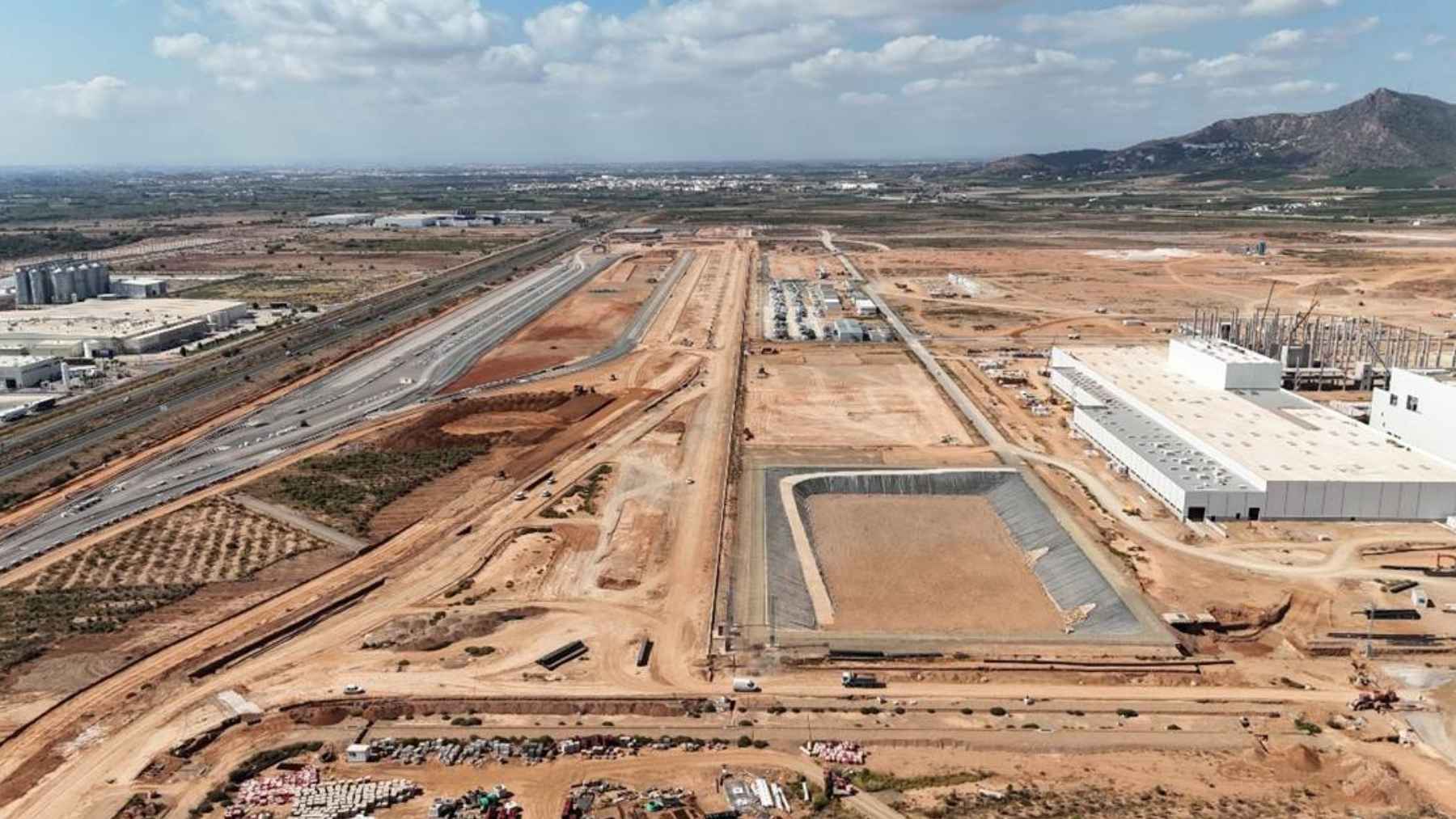
In Kadapa this is no foundation-stone photo op: JSW’s integrated steel plant construction has actually begun.
Heavy machinery is finally moving at Sunnapurallapalli and Peddadanluru in India’s Kadapa district, where years of announcements and foundation ceremonies failed to produce a working steel plant.
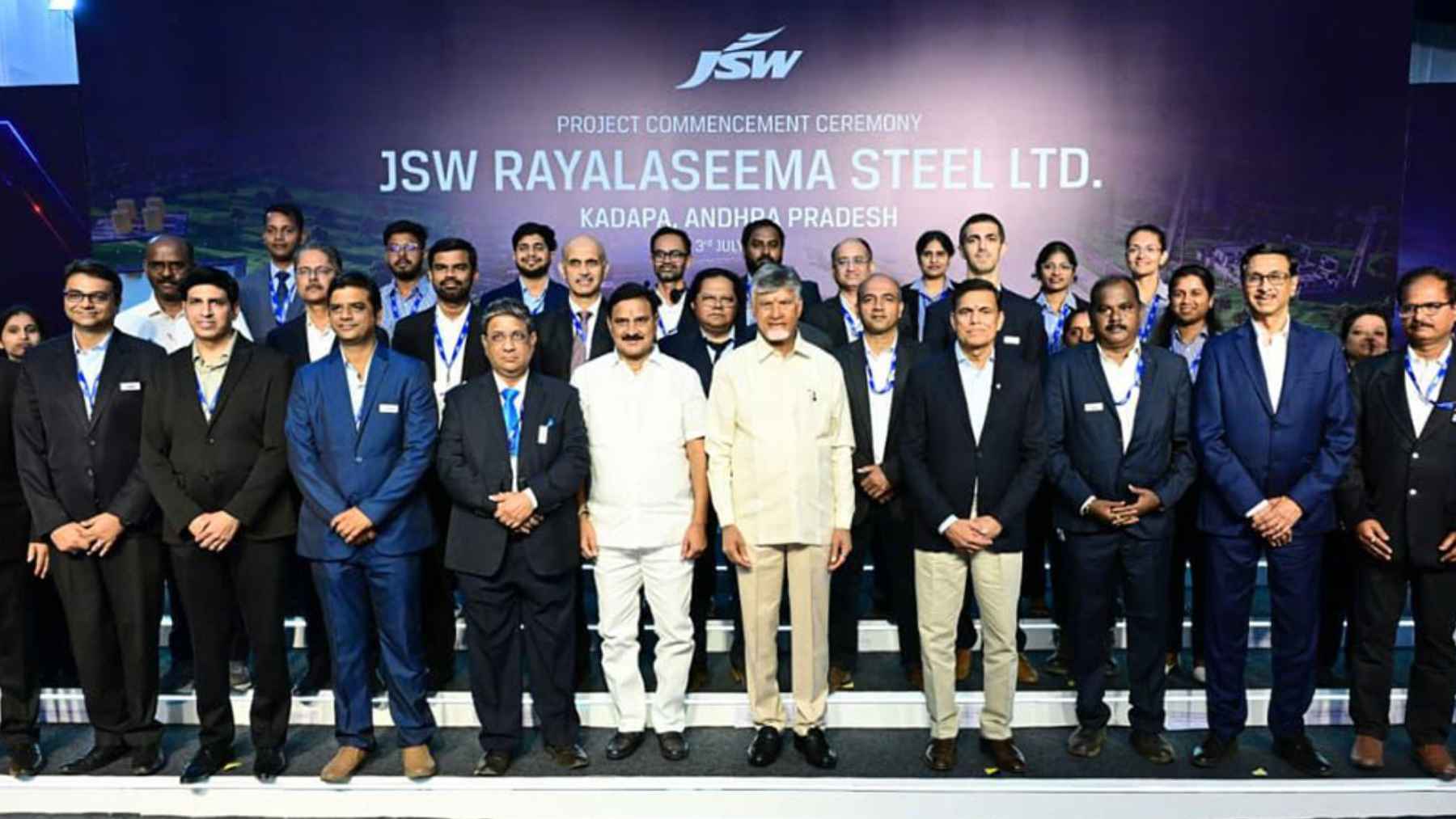
On July 3, 2026, Andhra Pradesh Chief Minister N. Chandrababu Naidu launched development work for the JSW Rayalaseema Steel project, turning a long-running political promise into an active construction site.
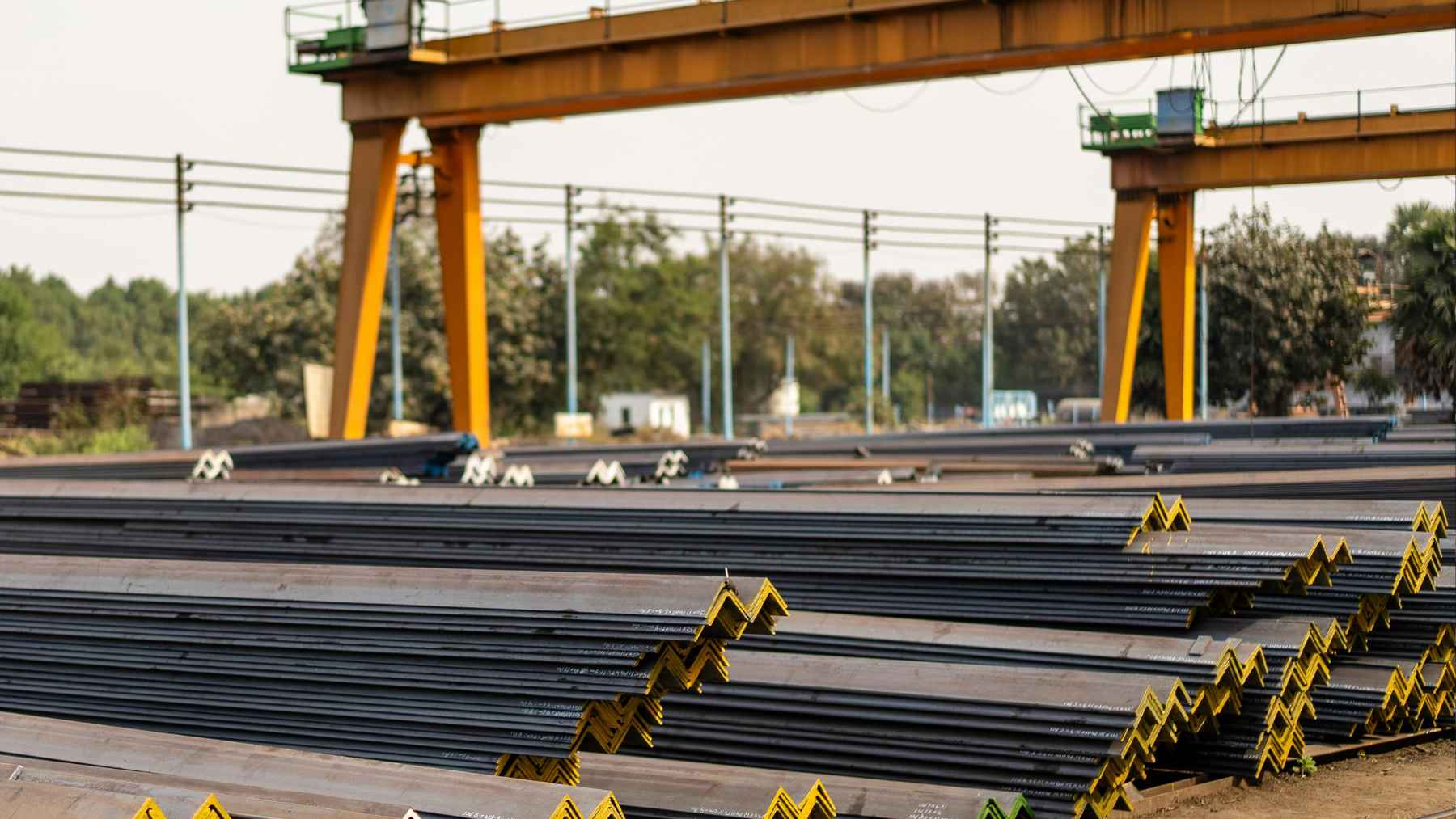
JSW plans to combine electric arc furnaces, recycled scrap, high-grade direct reduced iron, energy-efficient equipment, and growing renewable power to create capacity for up to 2.2 million U.S. tons of structural steel each year.
That could make the plant meaningfully cleaner than a conventional coal-heavy mill, but the final carbon footprint will depend on the electricity and raw materials used every day.
A project that finally moved
For people in Rayalaseema, the launch carries unusual weight. The project was approved in 2019 and went through foundation ceremonies in 2019 and 2023, while earlier steel proposals in Kadapa also stalled. This time, crews began development work rather than stopping at another ceremonial stone.
JSW Rayalaseema Steel, a wholly owned JSW Steel subsidiary, will build the facility in two phases. The first phase carries an investment of about $470 million and is designed for roughly 1.1 million U.S. tons of annual capacity. A second investment of about $1.23 billion would double output to around 2.2 million U.S. tons per year.
The company aims to begin commercial production by March 2028. That schedule is ambitious, since new rail, road, power, and water links must advance alongside the plant itself.
Why electric furnaces matter
Traditional integrated mills usually rely on blast furnaces that use coal-derived coke to turn iron ore into molten iron.
An electric arc furnace works differently, using high-temperature electric arcs to melt recycled steel and other iron inputs. It can turn old beams, vehicles, and factory scrap into new structural steel without putting a coke-fired blast furnace at the center of the process.
JSW says the Kadapa plant will use recycled scrap and high-grade direct reduced iron. That mix matters. World Steel Association data for 2024 put average carbon dioxide intensity at about 0.69 tons for each U.S. ton of crude steel from scrap-based electric furnaces, compared with 1.47 tons for electric furnaces using direct reduced iron and 2.34 tons for the blast-furnace route.
So, is an electric furnace automatically green? Not quite. Scrap-heavy production powered by renewable electricity can cut emissions sharply, while fossil-powered electricity or carbon-intensive direct reduced iron can narrow the advantage.
Recycling brings a second benefit
The environmental value is not limited to smokestack emissions. Using more scrap can reduce mining, coal consumption, and the amount of virgin material moving through ports, rail yards, and roads.
For every U.S. ton of scrap used, worldsteel estimates that steelmakers can avoid about 1.5 U.S. tons of carbon dioxide, 1.4 U.S. tons of iron ore, 1,480 pounds of coal, and 240 pounds of limestone. Those are industry averages, not a forecast for Kadapa, but they show why the plant’s exact scrap share will be one of its most important environmental numbers.
There is a catch. Fast-growing steel markets often do not have enough high-quality scrap to meet demand, which is why JSW also plans to use direct reduced iron. The cleaner that iron becomes over time, potentially through lower-emission gas or hydrogen-based production, the stronger the plant’s climate case will be.
Renewable power is the hinge
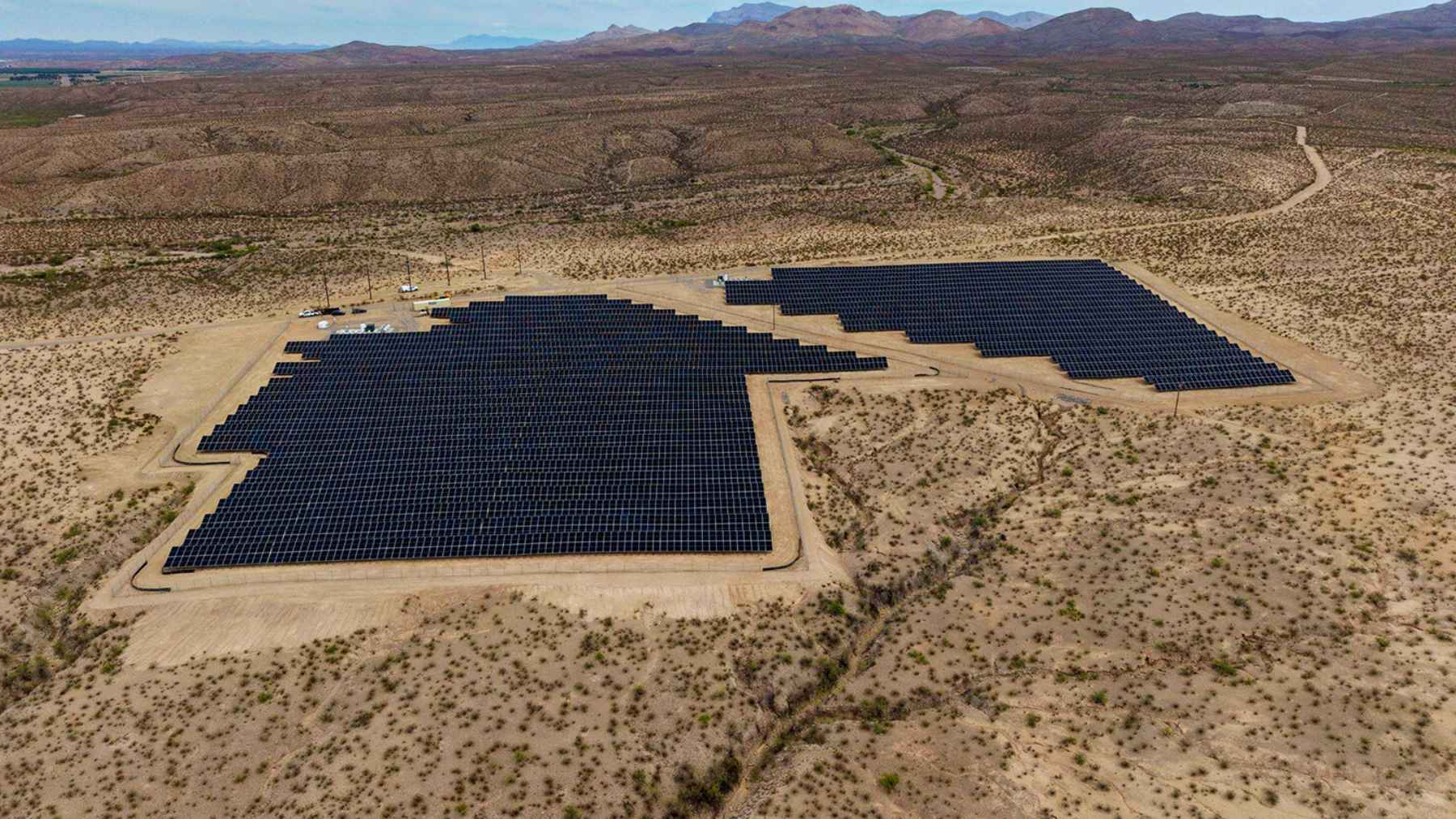
A linked JSW Neo Energy project is expected to add 3,850 megawatts of solar and wind capacity, with reported investment of about $2.11 billion. The renewable project was launched alongside the steel works and is intended to support the broader green-steel plan.
That power connection could be decisive because electric furnaces need large amounts of reliable electricity. Solar and wind output rises and falls with the weather, while steel production cannot simply stop whenever clouds gather or the wind drops. Storage, grid balancing, and backup arrangements will therefore shape the real emissions outcome.
“The commencement of the Rayalaseema Steel Project reflects JSW’s confidence in Andhra Pradesh’s long-term industrial and economic potential,” JSW Group Chairman Sajjan Jindal said. But for residents and climate-minded buyers, confidence will eventually need to be backed by operating data.
Jobs, water, and local infrastructure
The broader investment package is expected to create about 2,700 direct jobs, with more opportunities likely in transport, maintenance, fabrication, and supplier businesses. A plant of this size can become an industrial anchor, drawing smaller workshops and service companies into its orbit.
Still, the environmental balance sheet goes beyond carbon. State plans include a roughly 9.3-mile water pipeline from the Gandikota reservoir and a reported dedicated supply of nearly 15 billion gallons. Rayalaseema has a long history of drought, so recycling systems, withdrawal limits, and wastewater controls deserve the same attention as the furnace technology.
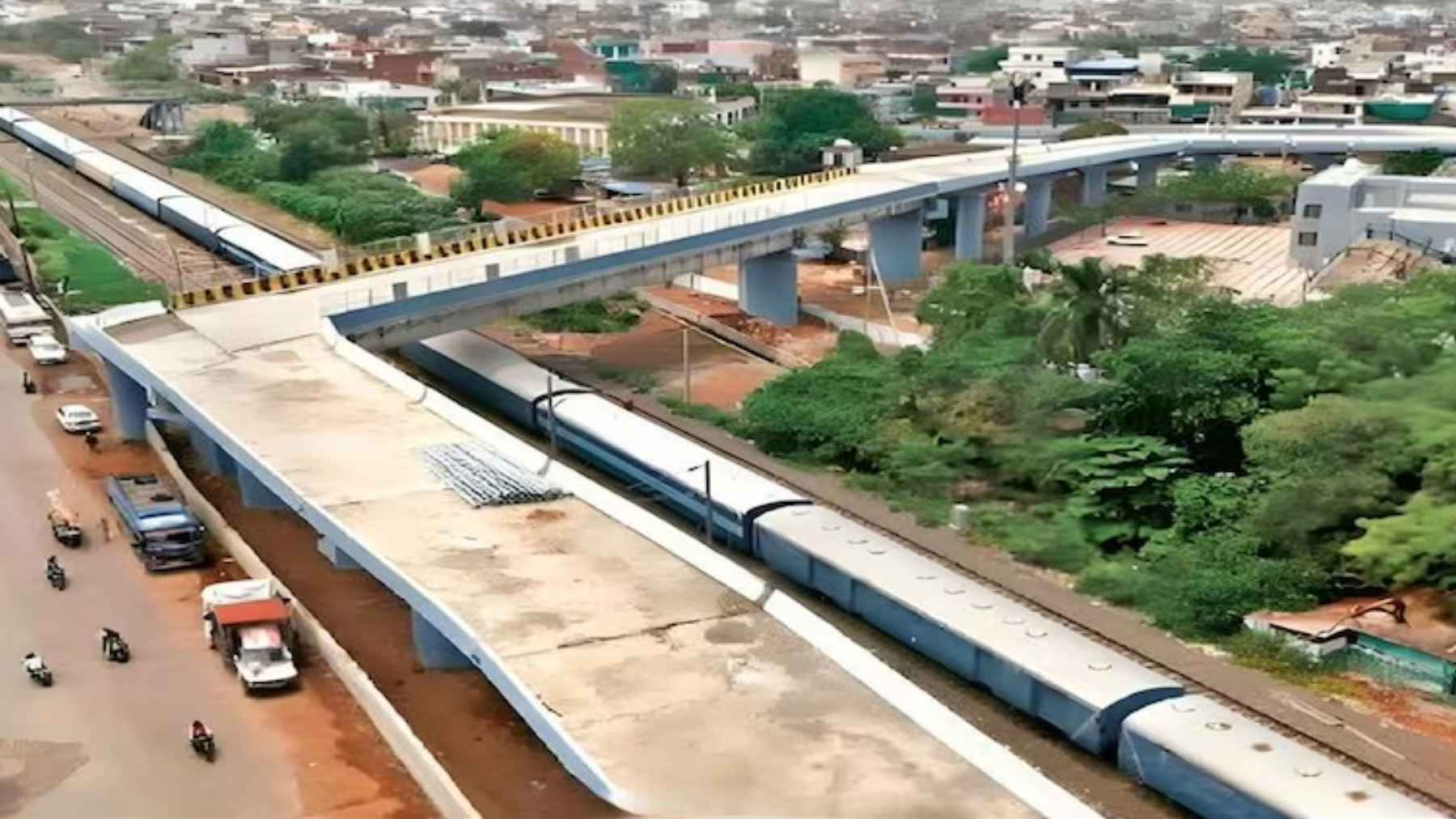
Rail access is another practical test. Authorities are pursuing a roughly 7.5-mile link to Muddanuru Railway Station, which could reduce dependence on heavy truck traffic for raw materials and finished steel. Fewer truck miles can help, but construction dust, land use, and local air quality will also need close monitoring.
What will prove the green claim
The plant’s first milestone is visible now, with machinery on the ground. The harder test comes later. JSW will need to disclose the share of scrap and direct reduced iron, the renewable share of electricity, carbon dioxide emitted per U.S. ton of steel, water recycling rates, and local pollution performance.
That transparency matters because the steel sector produces roughly 7% to 8% of human-caused greenhouse gas emissions worldwide. Kadapa will not solve that problem on its own, but it can show whether a fast-growing steel market can add capacity without simply copying the most carbon-intensive model.
This is no longer another foundation ceremony. Construction has started, and the project’s environmental promises can now be measured against what JSW actually builds and operates.
The press release was published on JSW Steel.