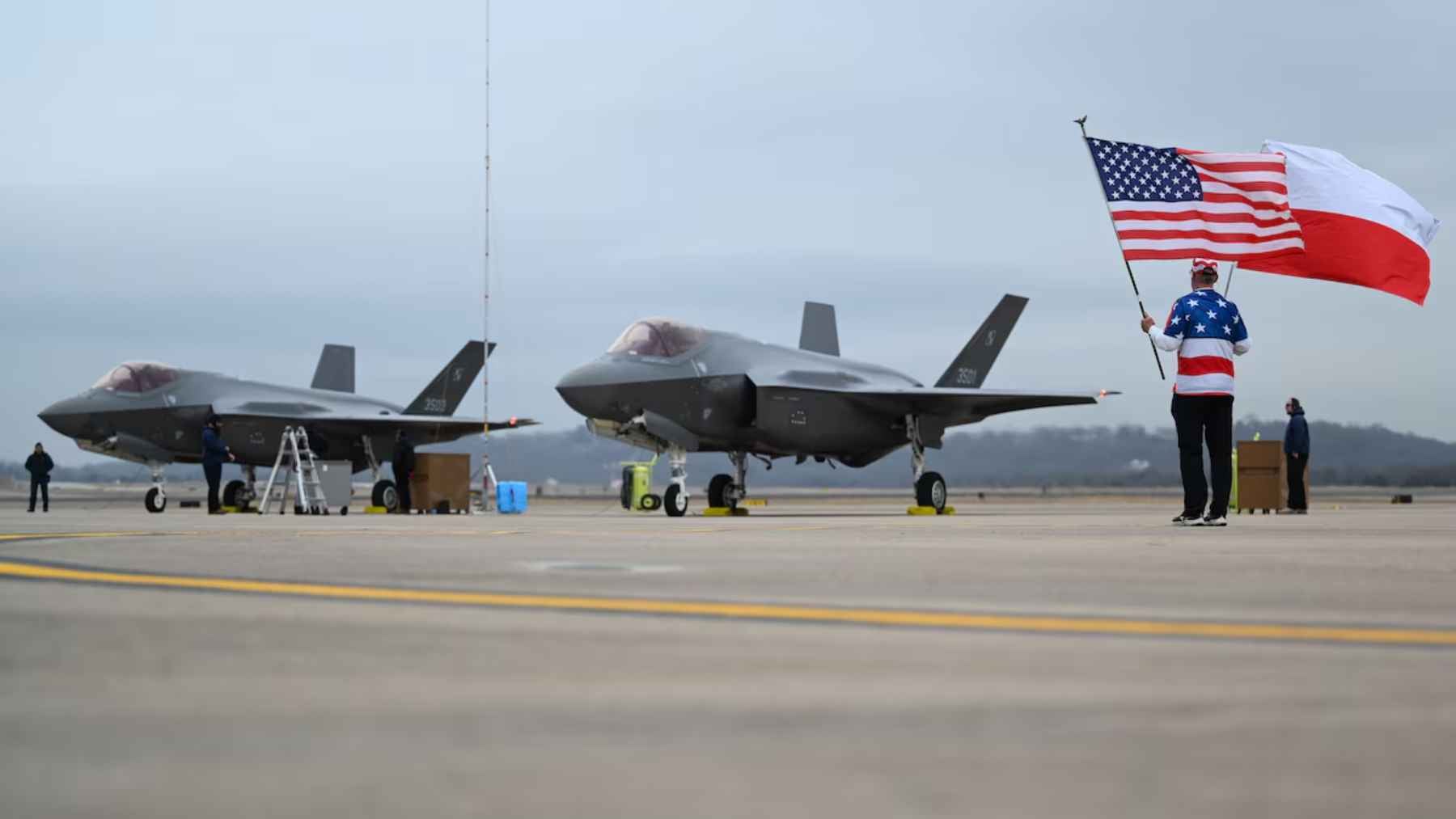
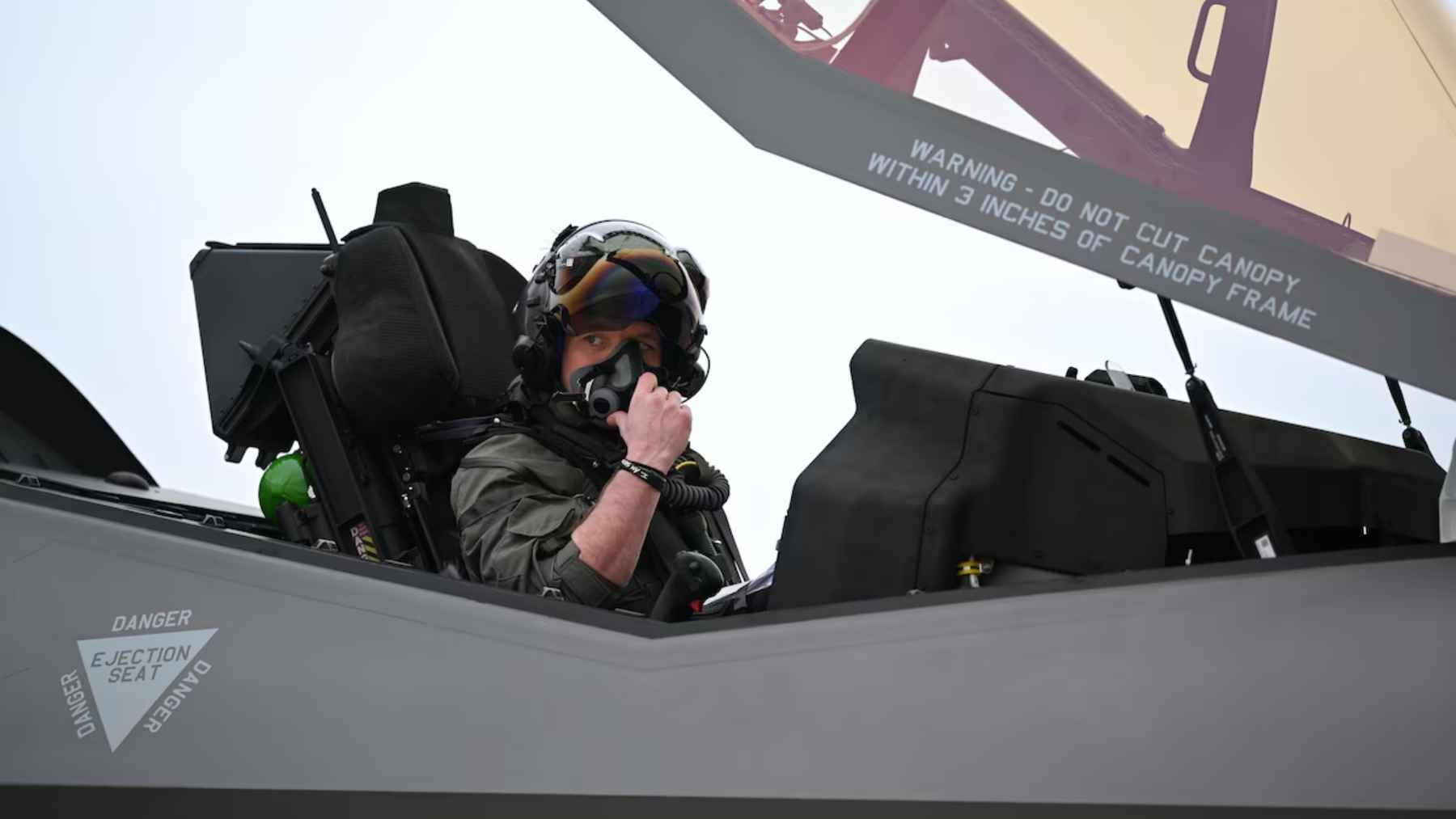
Polish fighter pilots have become the first foreign group to complete a full F-35A Lightning II training cycle at Ebbing Air National Guard Base in Arkansas. The milestone helps Poland move from simply buying fifth-generation aircraft to building the people, routines and confidence needed to operate them.
This story does not end in the cockpit. Ebbing is growing into a multinational training center, and that means more aircraft, fuel, buildings and noise, along with a new package of environmental safeguards. A modern stealth fleet is not just a jet, it is an entire ecosystem on the ground.
A first at Ebbing
Poland’s Ministry of National Defense said its pilots were “the first foreign users to complete a full F-35A training cycle at Ebbing.” The first two Polish-owned F-35As reached the Arkansas base on Dec. 23, 2024, and the U.S. training mission was scheduled to begin the following month.
That matters because the F-35 changes more than the view from the cockpit. Its combat concept depends heavily on stealth, sensors and data sharing, so pilots must learn to manage information and coordinate with other units while flying. Essentially, Poland is training for a networked air force, not merely replacing one fighter with another.
The Polish announcement did not state how many pilots graduated or publish individual training results. That restraint is important because completing the course confirms a training milestone, but it does not by itself mean the entire Polish fleet is ready for combat. Readiness comes piece by piece.
Poland’s fleet takes shape
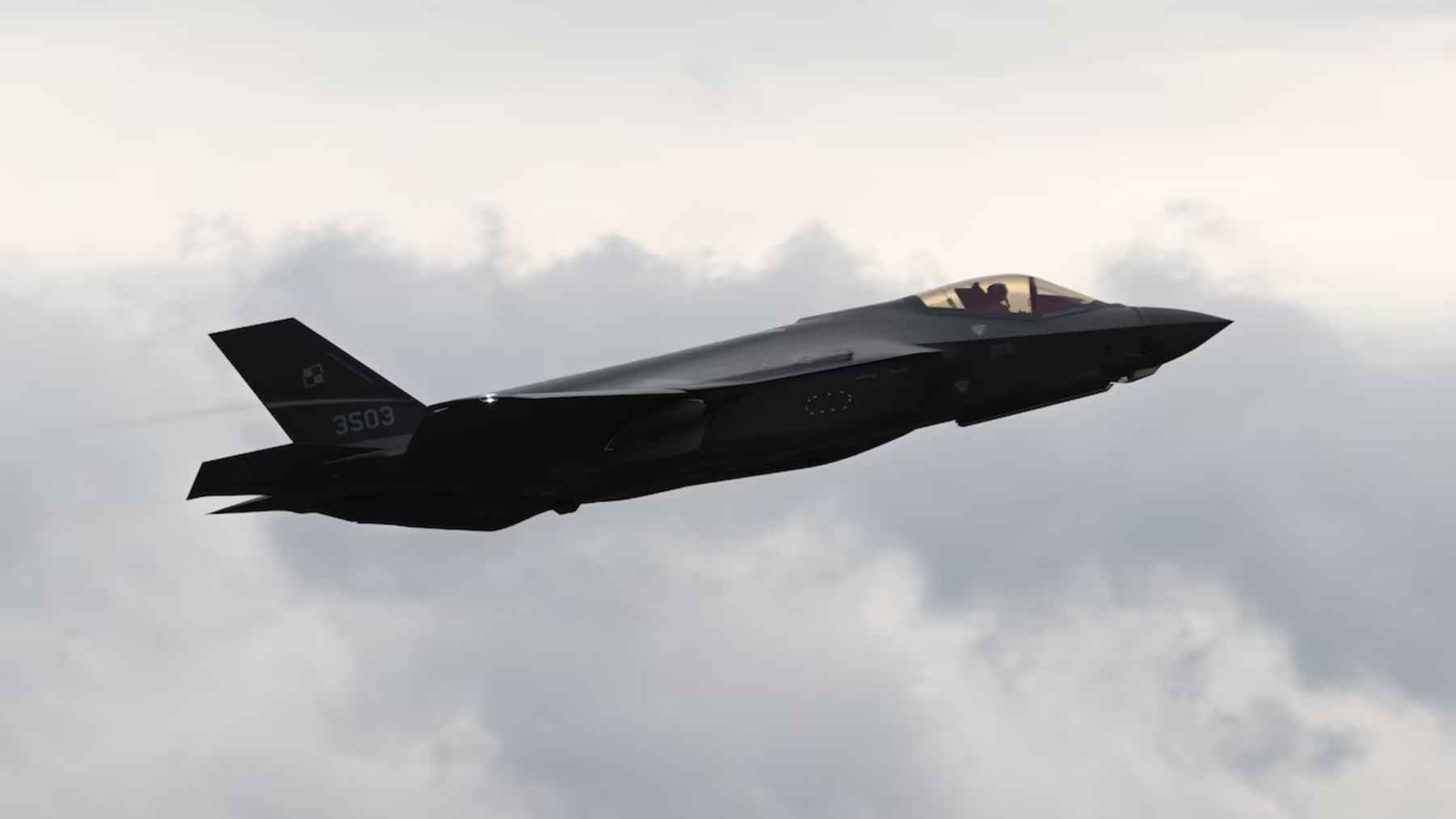
Warsaw ordered 32 F-35As in a $4.6 billion agreement signed in 2020. The first three aircraft landed at the 32nd Tactical Air Base in Łask on May 22, 2026, and deliveries are scheduled to continue through 2029. The newly trained crews now have a fleet that is finally beginning to arrive at home.
Poland’s defense development program also includes two additional F-35 squadrons, which would amount to another 32 aircraft. Still, a long-term military plan is not the same as a completed purchase contract, and timing, financing, weapons, support and basing will shape the final cost. That distinction is easy to miss when the jets are making headlines.
The aircraft are only the most visible part of the investment. Poland must also train technicians, prepare secure facilities, stock parts and weapons, and connect the jets to national and allied command systems.
The Ministry of National Defense said integration is advancing through pilot and technical training as well as new ground infrastructure.
Ebbing becomes a NATO classroom
Why put so much allied training in one place? Ebbing’s 85th Fighter Group runs the Foreign Military Sales pilot mission, while the base provides hangars, briefing rooms, maintenance areas and flight-line support. Finland has already entered the pipeline, and Germany, Switzerland and Singapore are also expected to use the Arkansas hub.
For the most part, a shared school gives allied air forces the same starting point. Pilots and maintainers learn common procedures, and countries can build working relationships before they need them in a crisis. Poland’s graduation is therefore both a national achievement and an early test of a much larger training system.
There is a business dimension, too. A permanent training center needs construction crews, fuel suppliers, maintenance support and housing, while partner nations avoid building every part of the training pipeline on their own. Centralization can save duplication, but it also concentrates the local burden in one community.
A larger footprint
Just one month before the Polish announcement, the U.S. Air Force signed a decision to expand Ebbing’s training mission by 12 more F-35s.
The approved plan allows up to 36 F-35s alongside 12 Singaporean F-16s, raises annual airfield operations from around 64,000 to almost 70,000, and covers about 1.2 million ft.² of construction or renovation. It also adds about 600 personnel and dependents.
The environmental review found a clear tradeoff. Before mitigation, up to 1,790 additional acres and 6,500 additional residents could fall within a day-night average sound zone of 65 dBA or higher, and the Air Force described increases at several locations as adverse and significant. For anyone living under a departure route, that is not an abstract number.
The selected noise procedure calls for non-combat afterburners to be switched off at 300 knots instead of 350 knots, along with adjusted turns on westbound departures.
The review estimated that this approach could reduce the affected area by up to 83 acres and the exposed population by 453 people compared with the unmitigated expansion case. It helps, but it does not erase the impact.
Environmental controls matter
Not every effect was judged significant. The final review said construction and operating emissions should remain within regulatory thresholds, while federal wildlife officials found the project could affect listed species but was not likely to harm them adversely. Those findings support the expansion, although they do not remove the need for monitoring.
Water and soil are part of the picture as well. The decision requires stormwater controls, vegetation buffers and reseeding, plus special handling of soil contaminated with PFAS chemicals.
That may sound technical, but it is the kind of behind-the-fence work that determines whether a major defense project leaves a manageable footprint or a long cleanup bill.
Ebbing’s restored fuel farm shows how quickly the support system is scaling. More flight activity needs more storage, deliveries and safeguards, and the base expects demand to rise as additional partner aircraft arrive. The environmental test will continue long after the ribbon cuttings are over.
What Poland should watch
Completing pilot training is a big step, but it is only one link in a long chain. Technicians, spare parts, secure data systems, simulators, fuel storage and reliable base infrastructure all have to work on an ordinary Tuesday morning, not only during a ceremony. That is where expensive aircraft become usable defense capability.
The same lesson applies to the environment. For communities around Ebbing, the everyday question is whether revised flight paths, earlier afterburner shutoffs and construction safeguards deliver the reductions promised on paper. Poland will face a similar balancing act as F-35 operations grow at home, even though local conditions and regulations will differ.
Poland’s training milestone is a beginning, not the finish line.
The official statement was published on X.