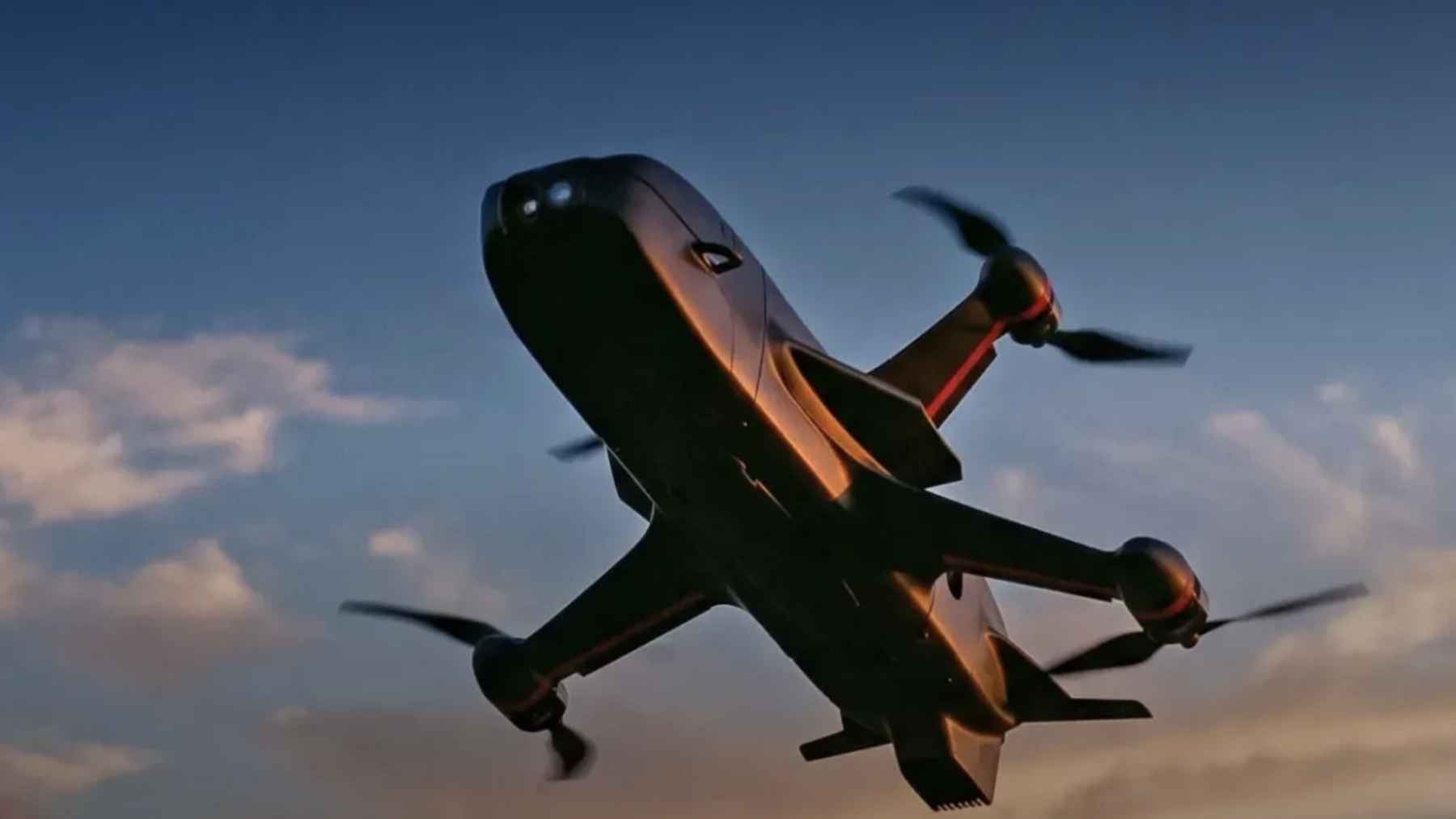
A drone maker shaped by the war in Ukraine is planting its first major American manufacturing flag in northwest Ohio. Ukrainian Defense Drones, the U.S. company representing F-Drones, has selected Holland in Lucas County for a center that will assemble first-person-view drones and other unmanned systems. At least 300 jobs are expected by Dec. 31, 2029.
This is bigger than a local factory announcement. It shows how quickly battlefield technology can move into the U.S. industrial base when the Pentagon wants affordable systems at scale. The opportunity is real, but important questions remain about component sourcing, follow-on contracts, and the environmental footprint of electronics-heavy production.
Ohio lands the project
The planned center will support U.S. and allied demand for drones, training, testing, and dual-use commercial applications. Officials say the work will also include workforce development, supply-chain localization, hardware and software integration, customer demonstrations, and longer-term American expansion.
The key financial figure needs a careful read. Congresswoman Marcy Kaptur’s office described the project as an $18.4 million investment, while Ohio’s tax-credit announcement used $18.4 million as the expected new annual payroll.
The public notices do not clearly reconcile those descriptions, so the number should not be treated as one simple measure of the factory’s total cost.
Ohio approved a 1.642% Job Creation Tax Credit lasting nine years, with the 300 positions expected by the end of 2029. Northwest Ohio also brings a large advanced manufacturing base, established transportation links, and an existing industrial workforce. Those practical advantages helped Holland win a competitive site-selection process.
Why this drone matters
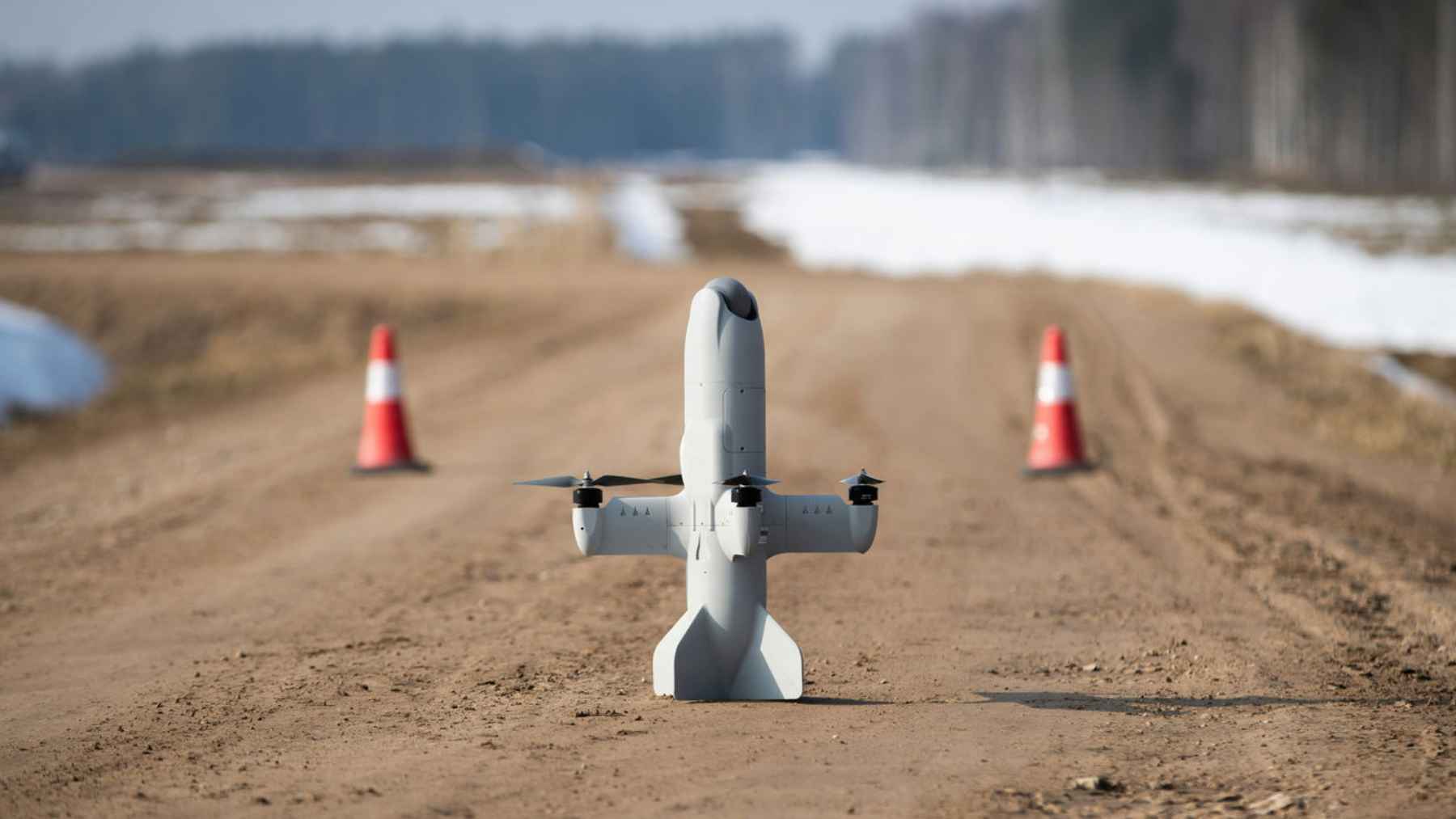
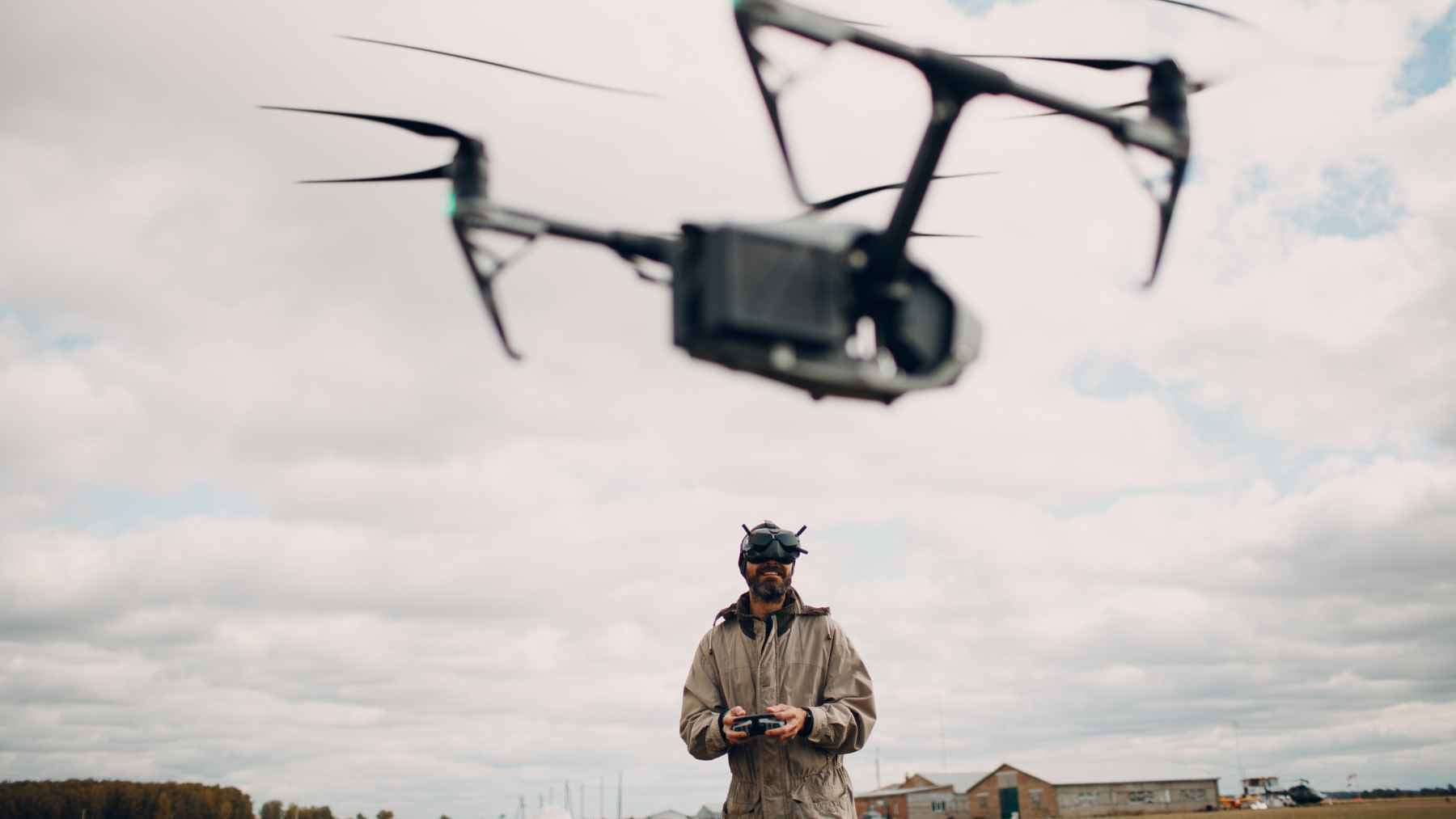
UDD entered F-Drones’ F10 platform in the Pentagon’s first “Gauntlet” competition. It placed sixth among 25 vendors with a score of 72.9 and secured a prototype order for 2,000 first-person-view drones. FPV means an operator sees a live camera feed, much like looking through the aircraft’s own eyes.
F-Drones later said Ukraine approved the export of the batch on July 1 and that the 2,000 drones had crossed the country’s border. Company chief Stas Khutor said “the next step is to share the technology to produce these drones on American soil.”
The Ohio center would move the relationship from importing finished systems toward manufacturing them inside the United States.
The appeal is not only the airframe. F-Drones says its technology has been developed, tested, adapted, and deployed during more than three years of wartime operations. Battlefield use does not replace U.S. testing, but it gives military buyers evidence from conditions that are difficult to reproduce on a quiet test range.
Pentagon buying moves faster
The Drone Dominance Program is built to move at a pace that traditional weapons procurement rarely matches. The Pentagon set out a $1.1 billion effort across four phases, invited 25 vendors into the first round, and planned about $150 million in initial prototype delivery orders. By 2027, officials expect to field hundreds of thousands of low-cost, one-way attack drones.
The department says it is “buying what works, fast, at scale,” with military operators directly evaluating the systems. It also wants competitive cycles measured in months rather than years, while unit prices fall and production volumes rise. For a technology that can change quickly, speed is part of the capability.
Still, a 2,000-drone order is a foothold, not a blank check. Later purchases will depend on performance, price, delivery speed, and whether the company remains competitive as the program narrows its field. That is where the Ohio factory will have to prove itself.
Supply chains become strategy
Assembly in Ohio does not automatically create a fully American supply chain. The Government Accountability Office has warned that the Defense Department still lacks complete visibility into lower-tier suppliers, making it harder to spot foreign dependency risks before they disrupt production.
That matters because the finished drone is only the visible shell. Batteries, chips, motors, cameras, radios, controllers, and composite parts all come with their own suppliers and vulnerabilities. A label that says “assembled in Ohio” tells only part of the story unless buyers know where those lower-level components originate.
UDD’s project plan specifically includes supply-chain localization, which is a promising start. The key test will be how much work moves beyond final assembly into component production, repair capacity, software support, and secure sourcing. In practical terms, resilience lives several layers below the factory floor.
The environmental side
The official announcements provide no figures for the site’s electricity demand, water use, chemical handling, packaging, or waste plan. Local production may shorten some shipping routes, but it does not automatically make a product greener.
The result depends on where components come from, how the facility is powered, and what happens when batteries and electronics reach the end of their useful lives.
The Environmental Protection Agency warns that discarded lithium-ion batteries can harm human health or the environment and may start fires when crushed or damaged. If the Ohio operation stores, tests, or discards lithium-based packs at scale, proper collection and recycling will be more than a housekeeping detail. It will be part of running a safe factory.
There is also a civilian side to drone technology. The GAO has identified infrastructure inspection, wildfire and disaster response, and medical delivery as valuable nonmilitary uses. The Ohio announcement mentions “dual-use commercial applications,” but it does not yet name specific products or customers, so those possibilities should remain possibilities for now.
What happens next
The next useful details will be the exact site, construction or renovation schedule, production start date, hiring timeline, local supplier list, and any environmental permits. Residents should also watch whether the initial Pentagon order leads to repeat business. A ribbon cutting is not the finish line.
For Ohio, the prize is a 300-job advanced manufacturing project tied to one of the fastest-changing areas of defense technology. For the United States, it is a chance to turn allied battlefield experience into domestic capacity, while Ukraine gains a potential long-term foothold in the American market.
The official press release was published on Congresswoman Marcy Kaptur’s website.