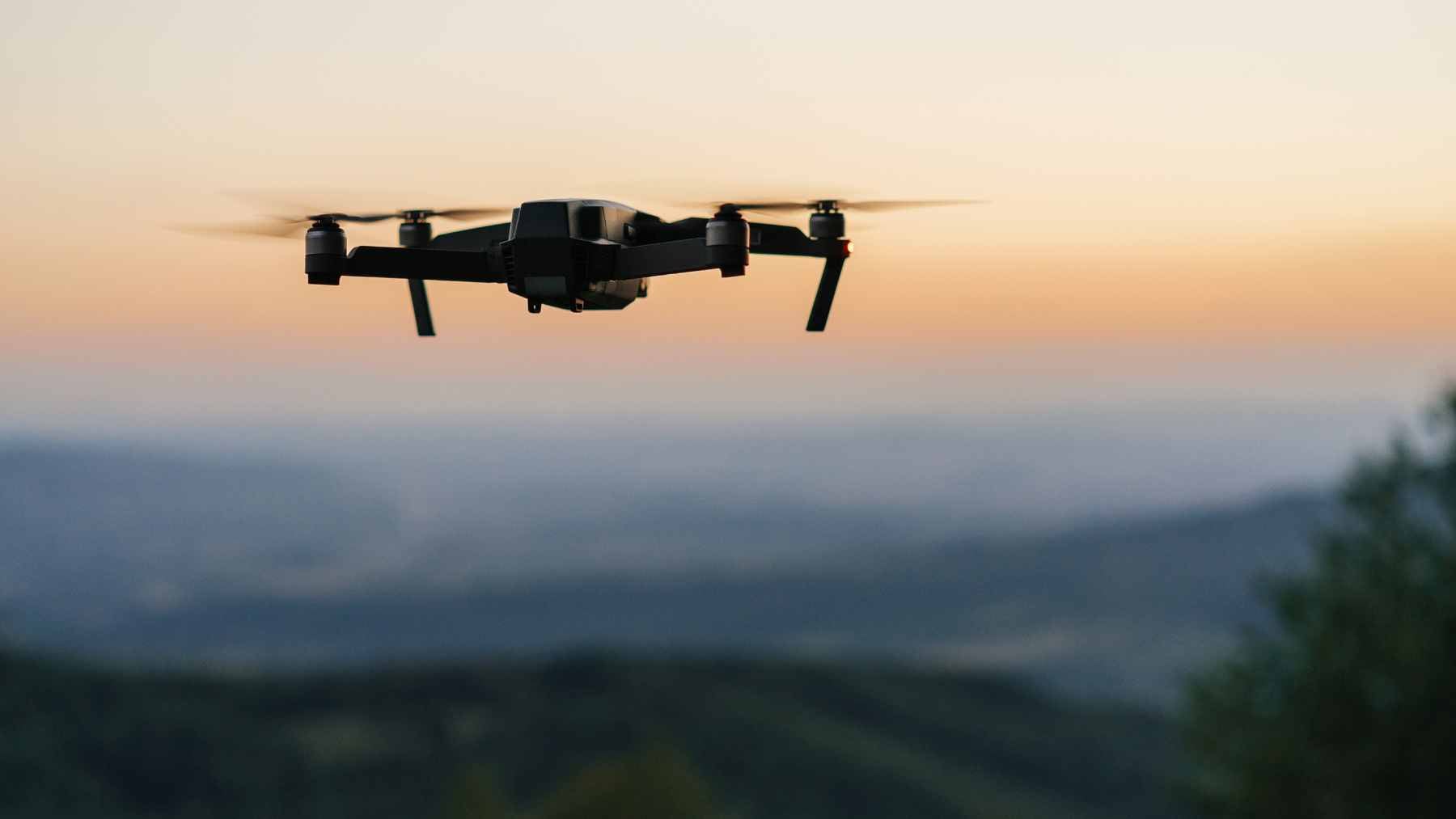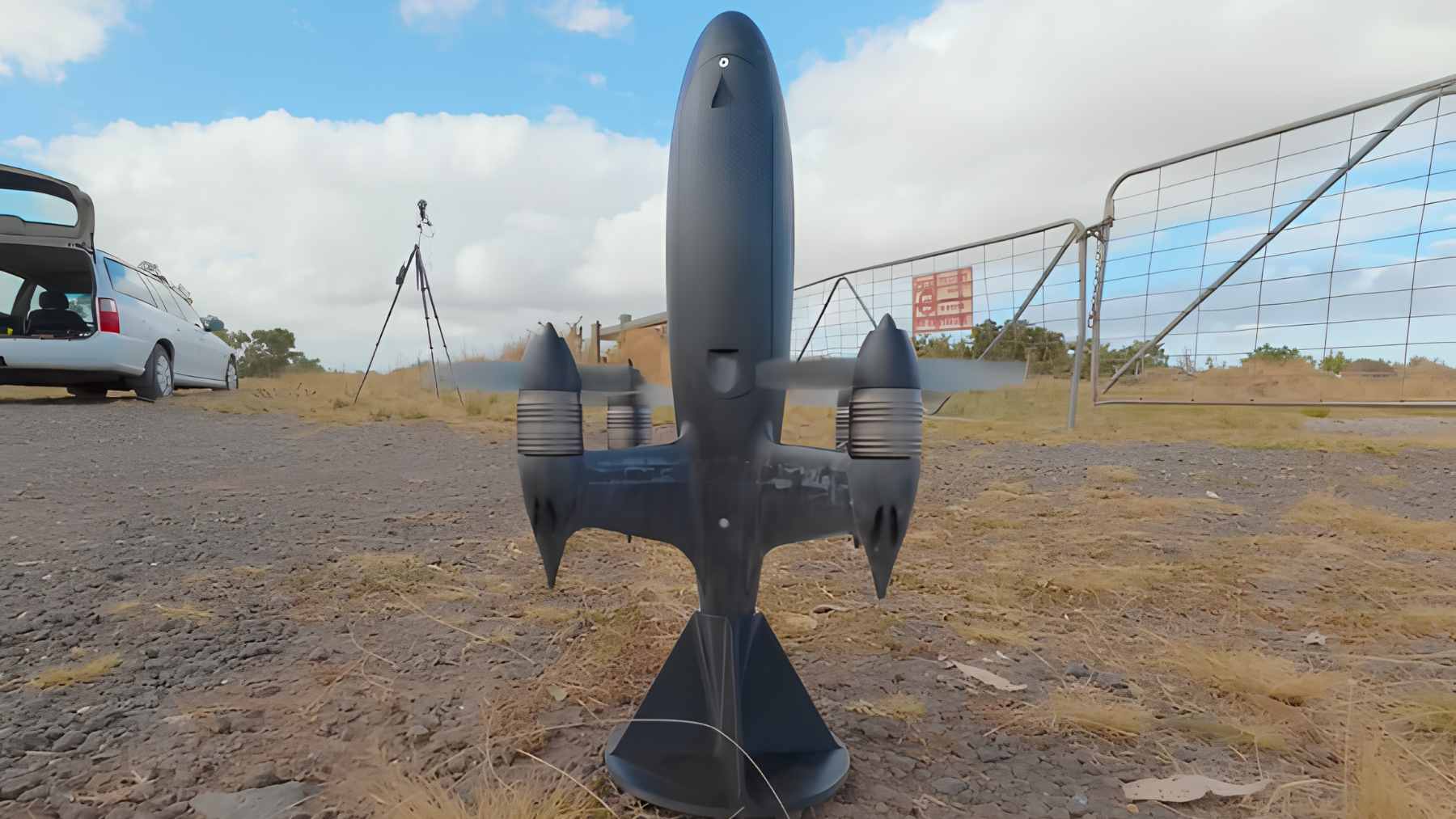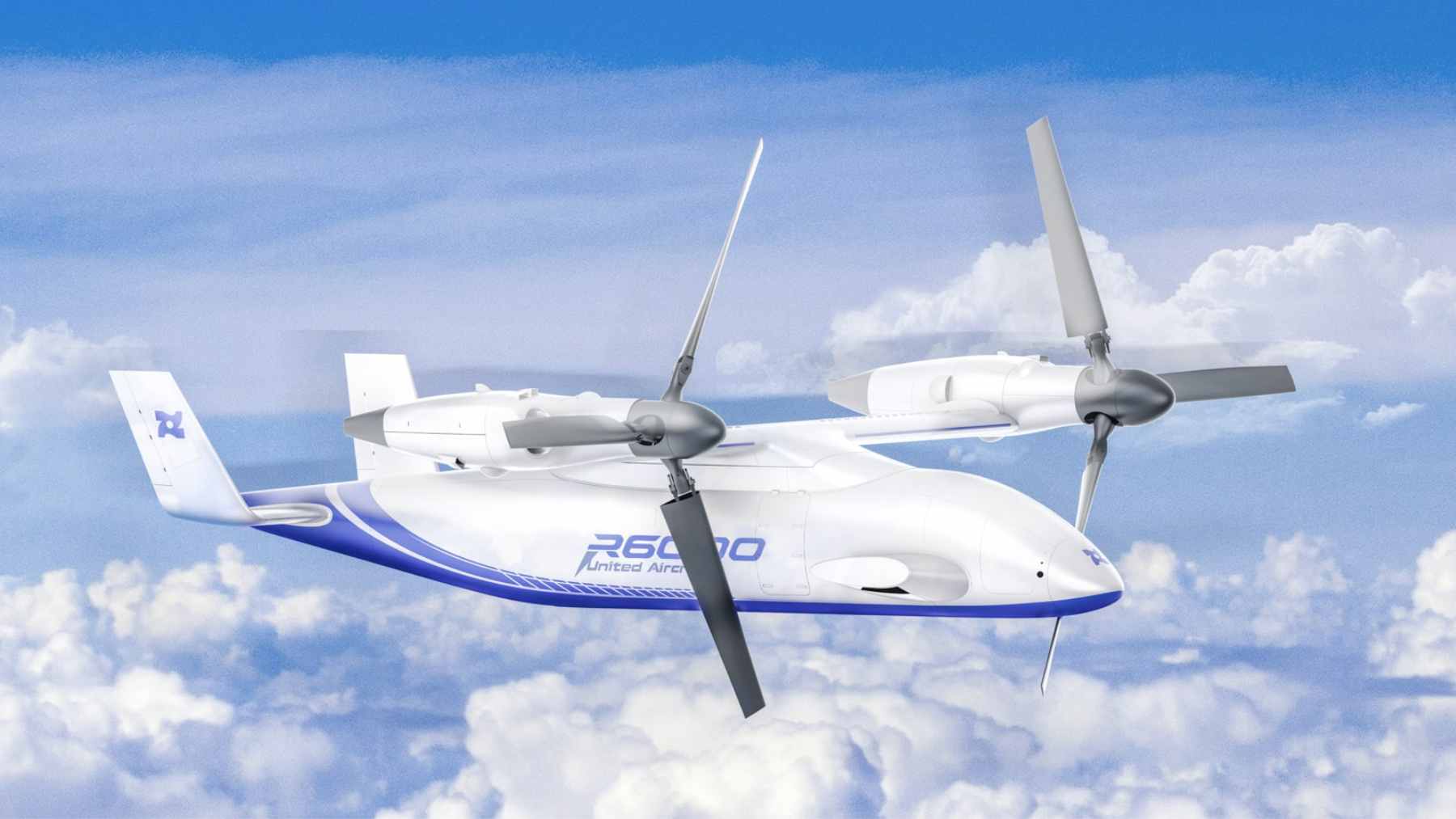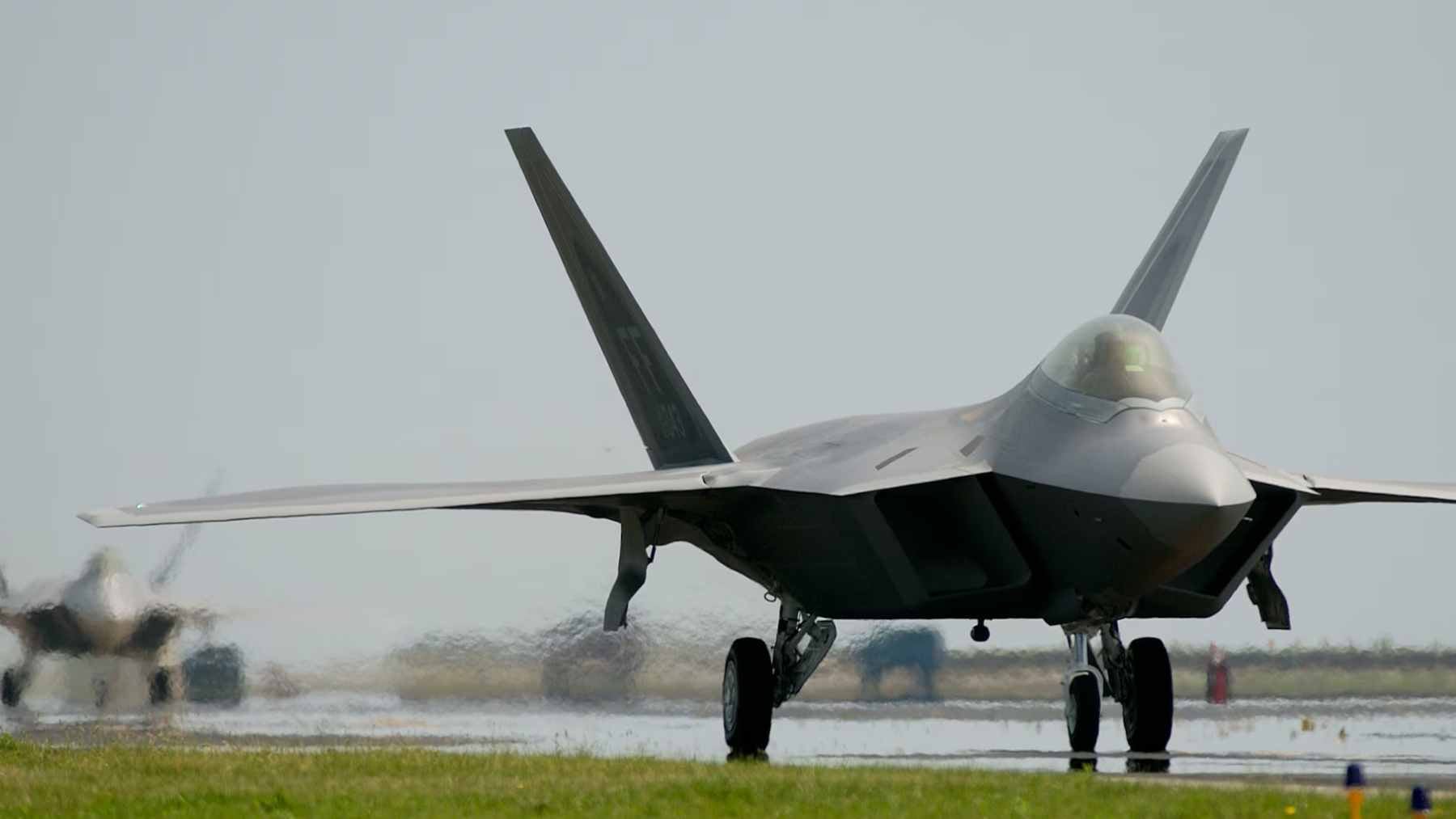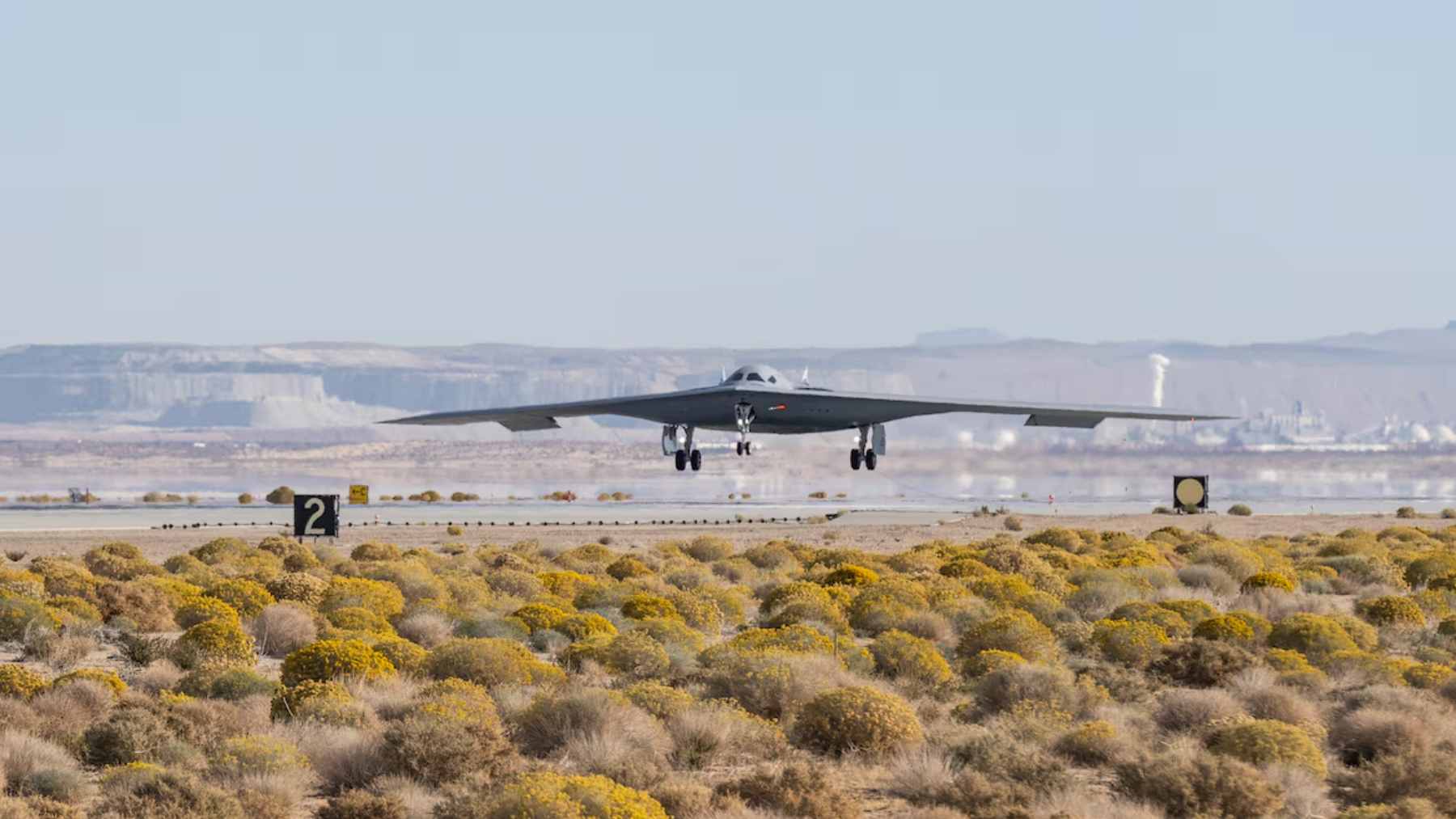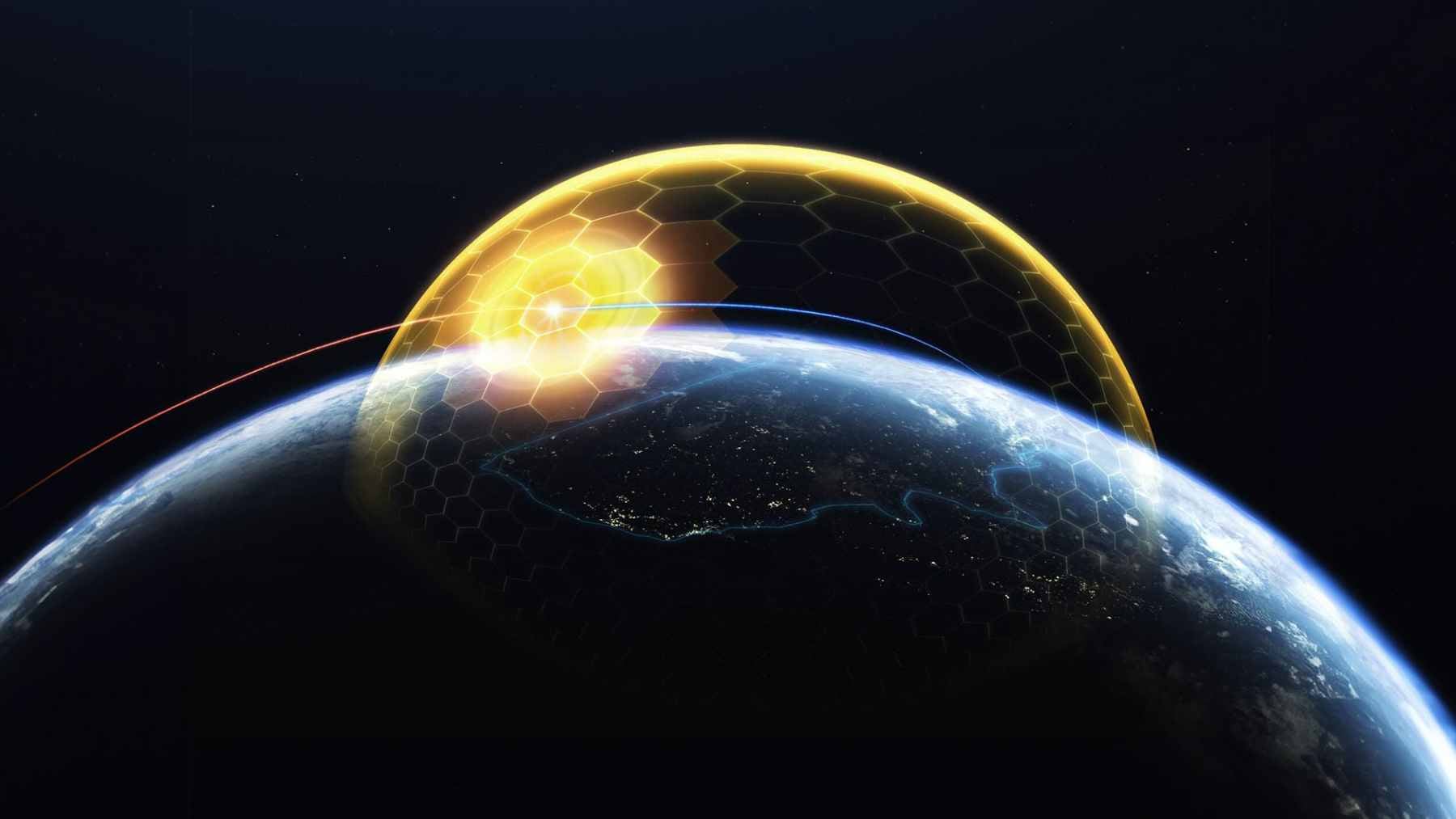
The United States has taken its first public test step toward Golden Dome, the proposed missile defense shield meant to protect the homeland from advanced aerial threats.
On June 24, 2026, Pete Hegseth said the program’s first milestone test was a “full mission success” after a directed-energy system autonomously detected, targeted, and defeated multiple incoming threats, including drones and cruise missiles.
That sounds like science fiction moving into the budget office, but the bigger story is not just the laser. A nationwide shield built around ground systems, automation, sensors, and possible low-Earth orbit interceptors could reshape defense spending, the private space business, and the environmental footprint of military activity above the planet.
What was tested
According to Hegseth, the Dynamic Defense Autonomous Defeat system, known as DDAD, used directed energy to cue, target, and eliminate multiple threats. He said the test was completed on schedule, but the Pentagon did not immediately release key technical details such as the location, exact weapon type, or number of targets.
That missing detail matters. Directed-energy weapons can be attractive against drones because they may offer cheaper shots than traditional interceptor missiles, but cruise missiles are a tougher problem because speed, low flight paths, smoke, dust, clouds, rain, and fog can all complicate laser performance.
A shield with many layers
Golden Dome traces back to a January 2025 executive order that called for a next-generation missile defense shield against ballistic, hypersonic, advanced cruise, and other aerial attacks. The order called for space-based sensors, boost-phase interceptors, terminal defenses, secure supply chains, and non-kinetic capabilities to support missile defense.
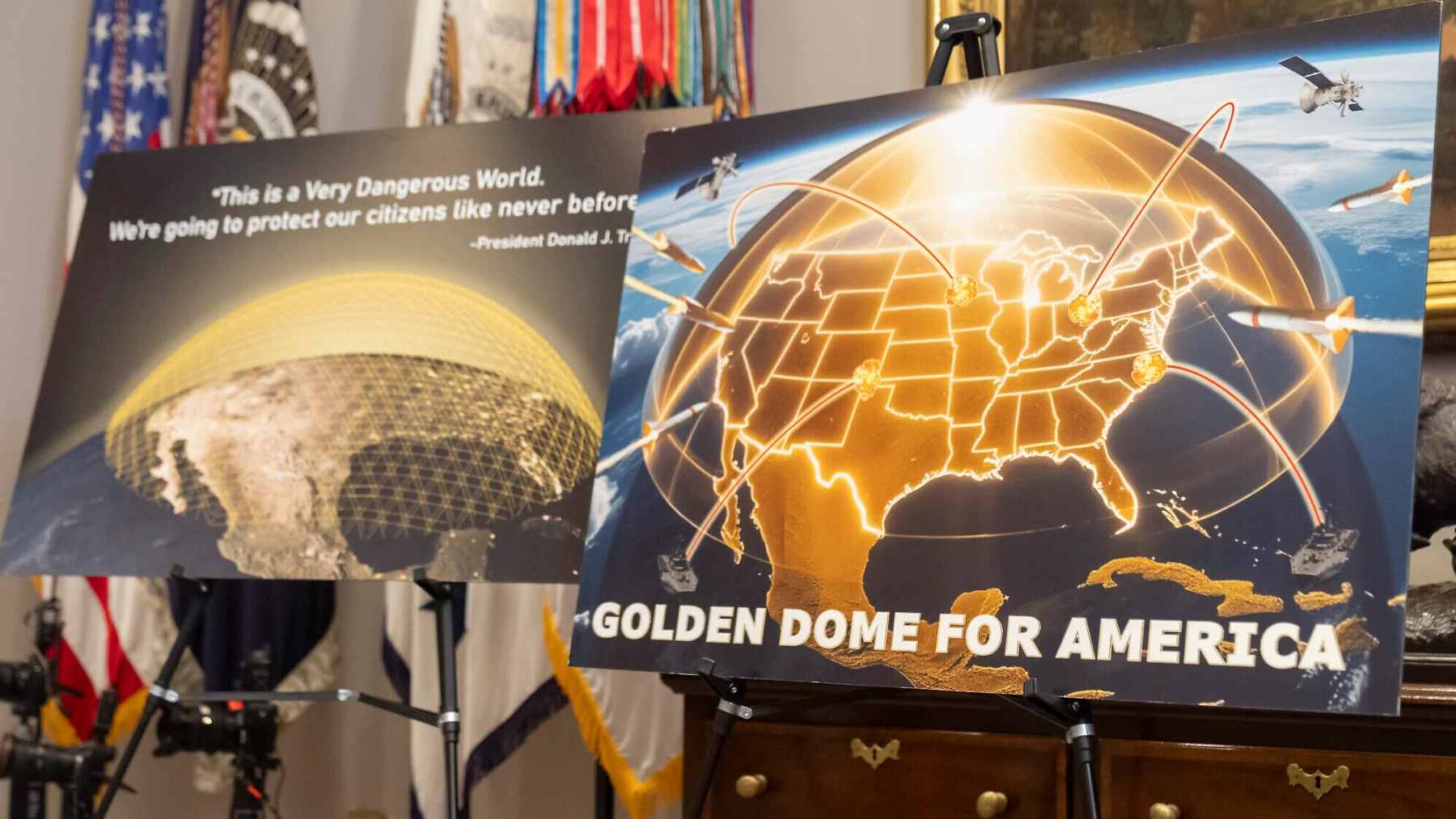
President Trump later said the selected design would use next-generation technologies across land, sea, and space, including space-based sensors and interceptors. He also said the program should be fully operational before the end of his term and estimated the total cost at $175 billion, with $25 billion to start construction. Bold promise. Hard timeline.
The trillion-dollar question
The Congressional Budget Office has a much colder view of the numbers. In May 2026, it said the Defense Department had not released enough details about the final Golden Dome architecture to estimate the actual program, but a notional system broadly consistent with the executive order would cost about $1.2 trillion to develop, deploy, and operate over 20 years.
The most eye-catching part is the orbital layer. CBO’s notional version includes 7,800 satellites in low-Earth orbit, roughly 180 to 310 miles above Earth, and says about 30,000 satellites would be needed over 20 years to keep 7,800 in orbit because each one would last about five years.
That is where the defense story becomes a business story. Launch providers, software companies, sensor makers, and legacy defense primes are not just chasing a weapons program. They are chasing a national security infrastructure market that could run for decades, with Anduril and Palantir among the firms reported to be working on Golden Dome software.
The environmental question
A ground laser test does not create the same debris concerns as a huge orbital interceptor network. But if Golden Dome leans heavily on space-based systems, every launch and every satellite reentry has an environmental footprint. At home, a satellite burning up sounds clean because nothing lands in your yard. In the upper atmosphere, it is messier.
The National Oceanic and Atmospheric Administration’s (NOAA) Chemical Sciences Laboratory has warned that satellite reentries can leave metallic aerosol particles such as aluminum oxide in the stratosphere.
Under one megaconstellation growth scenario, satellite debris could rival natural meteor dust by 2040, with about 22 million lbs. of alumina entering the upper atmosphere each year.
There is also the launch side. A 2026 UCL-led study found that megaconstellation systems could account for 42% of the space sector’s climate impact by 2029, while a 2025 study in npj Climate and Atmospheric Science found that frequent rocket launches could slow ozone recovery.
The Golden Dome test does not prove that outcome, but it points toward the kind of orbital activity that makes scientists nervous.
Why experts are cautious
Strategic analysts are watching the program for another reason. The Center for Strategic and International Studies (CSIS) noted that Chinese and Russian analysts argue an effective Golden Dome could undermine their ability to target the U.S. homeland and weaken their strategic deterrents, even as some remain skeptical that the system can work as advertised.

For the most part, experts are not saying the June 24 test was meaningless. They are saying it proves a component, not an integrated national shield that can handle ballistic missiles, hypersonic weapons, cruise missiles, and drones together. There is a big difference between defeating test targets and maintaining a 24-hour shield over the country.
The autonomy question also sits in the background. Machine-speed defense is attractive when incoming weapons leave only seconds to react. Civilian oversight, rules of engagement, testing transparency, and safeguards will have to be more than footnotes, however.
What comes next
The next tests will matter less as spectacle and more as evidence. Policymakers will need hard data on reliability, weather performance, cyber resilience, cost per defeated target, launch cadence, and environmental review. Those numbers will decide whether Golden Dome becomes a defense breakthrough or an expensive experiment.
At the end of the day, Golden Dome is a compass for American defense technology. It points toward lasers, automation, and orbital layers, but if the country is going to build a shield over its own sky, it also has to account for what that shield leaves in the sky.
The official statement was published on X.