Spain is moving ahead with one of its biggest naval renewal efforts in decades, a plan that combines new submarines, advanced frigates, support ships, patrol vessels, and upgrades to ships already in service. It is not just about putting more gray steel in the water.
The bigger question is what kind of fleet Spain wants for a world where defense, technology, energy use, and environmental pressure now collide.
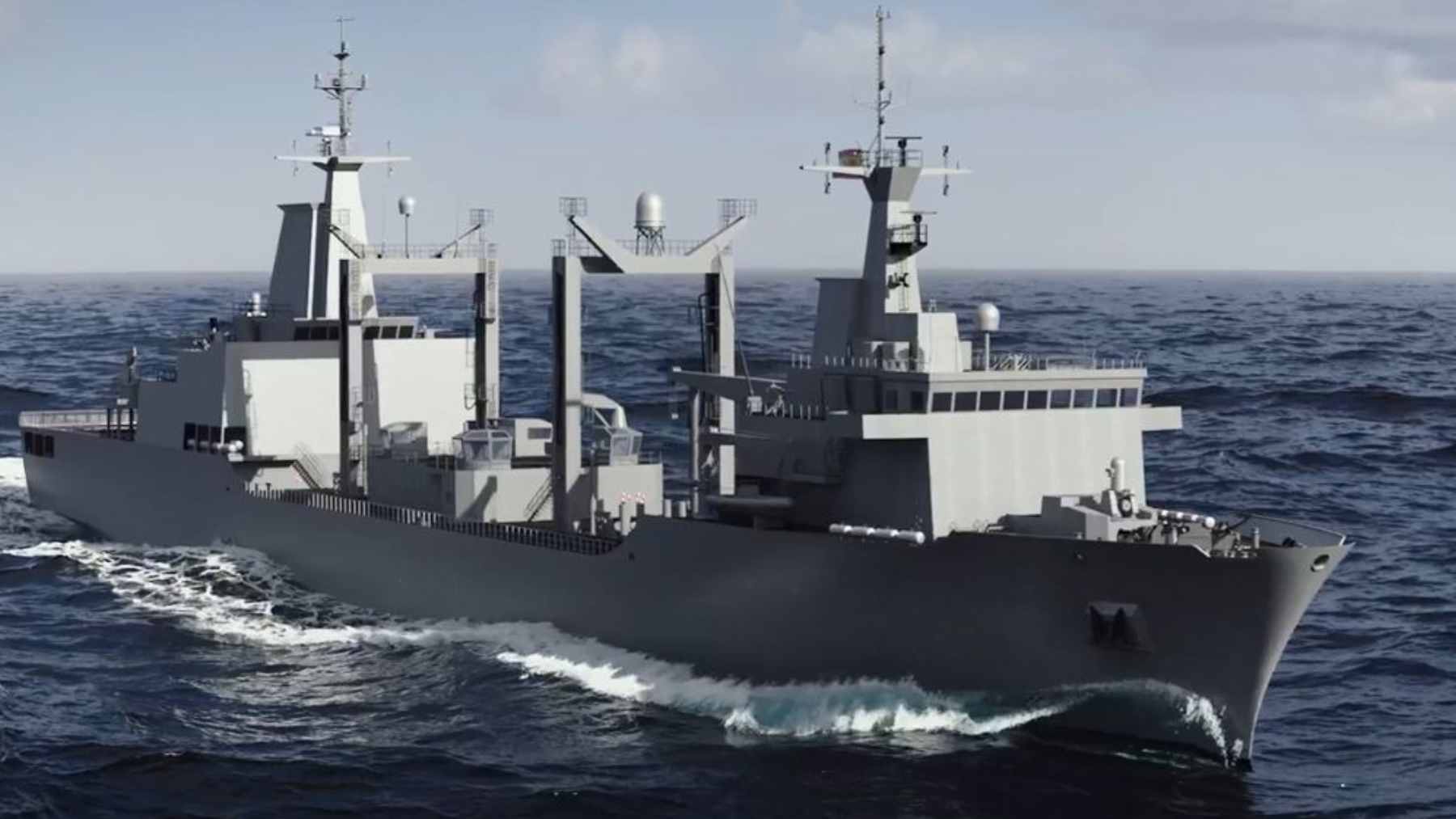
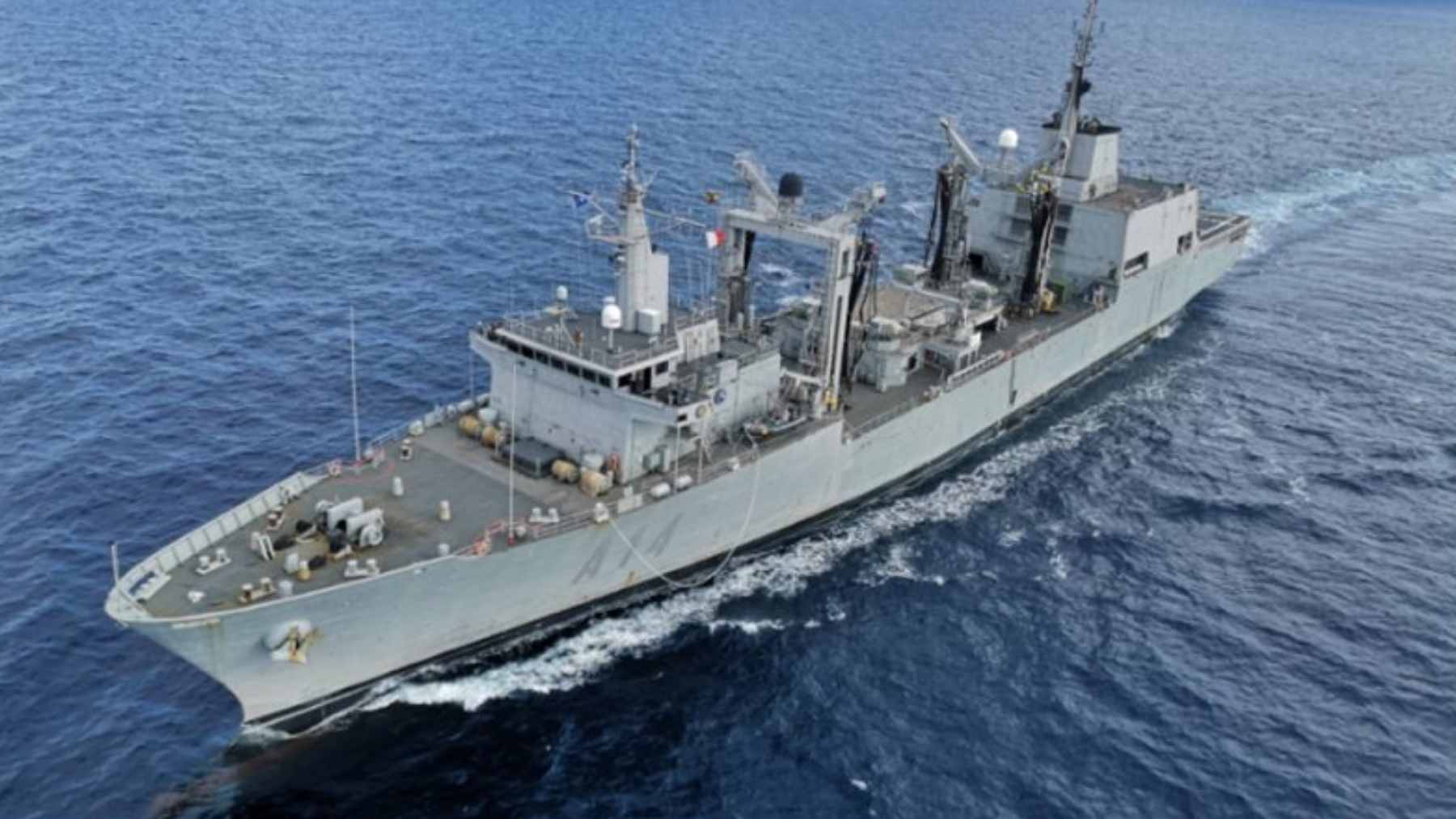
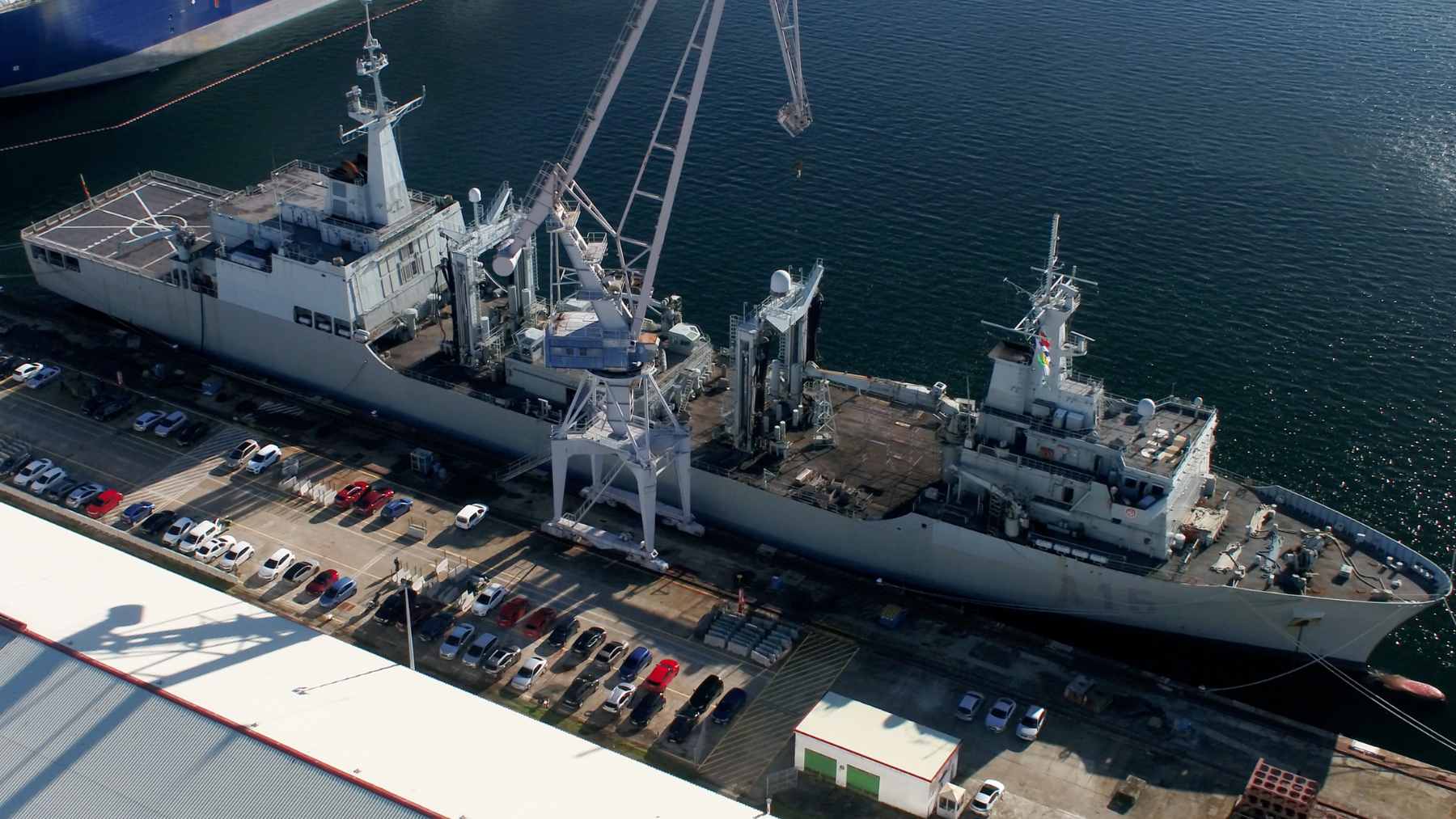
The clearest green signal comes from the new combat supply ship, known as BAC II, which Spain’s Defense Ministry says will replace the aging A-14 Patiño and include “environmentally friendly propulsion.”
That does not turn a warship into a zero-impact machine, but it does show how modern navies are being judged not only by weapons and sensors, but also by fuel, logistics, and the footprint they leave behind.
Spain’s naval reset
The modernization roadmap points to 37 vessels through 2035, including 23 new ships and improvements to 14 existing ones. That distinction matters–this is not a simple shopping spree, but a mix of construction, life-extension work, and technology upgrades meant to keep the Spanish Navy operational for the next generation.
The renewal sits inside Spain’s broader Industrial and Technological Plan for Security and Defense, which the government said would add about $11.93 billion in 2025 to reach the 2% of GDP defense spending target, according to recent exchange rates.
At the shipyard level, one name keeps coming up. Navantia is building the S-80 submarines in Cartagena and the F-110 frigates in Ferrol, while also taking on the new support ship. For workers and suppliers, that means years of orders, and for coastal communities, it can feel as tangible as a full parking lot outside the yard on a weekday morning.
The S-80 factor
The submarine piece is one of the most important parts of the plan. Navantia delivered the S-81 Isaac Peral to the Spanish Navy on November 30, 2023, making it the first of four S-80 class submarines and a major milestone for Spain’s ability to design and build complex underwater platforms.
Next comes the S-82 Narciso Monturiol, followed by the S-83 Cosme García and S-84 Mateo García de los Reyes under the program schedule. These boats are not just bigger-ticket symbols. Submarines are quiet, patient tools of deterrence, the kind of asset most people never see but naval planners think about constantly.
The key technology is the BEST-AIP air-independent propulsion system. Navantia says the S-80 system uses oxygen and bioethanol stored on board to generate electrical power while submerged, allowing the submarines to remain underwater for weeks instead of only days.
That means more discretion, more endurance, and fewer moments when the submarine must expose itself.
Frigates become data ships
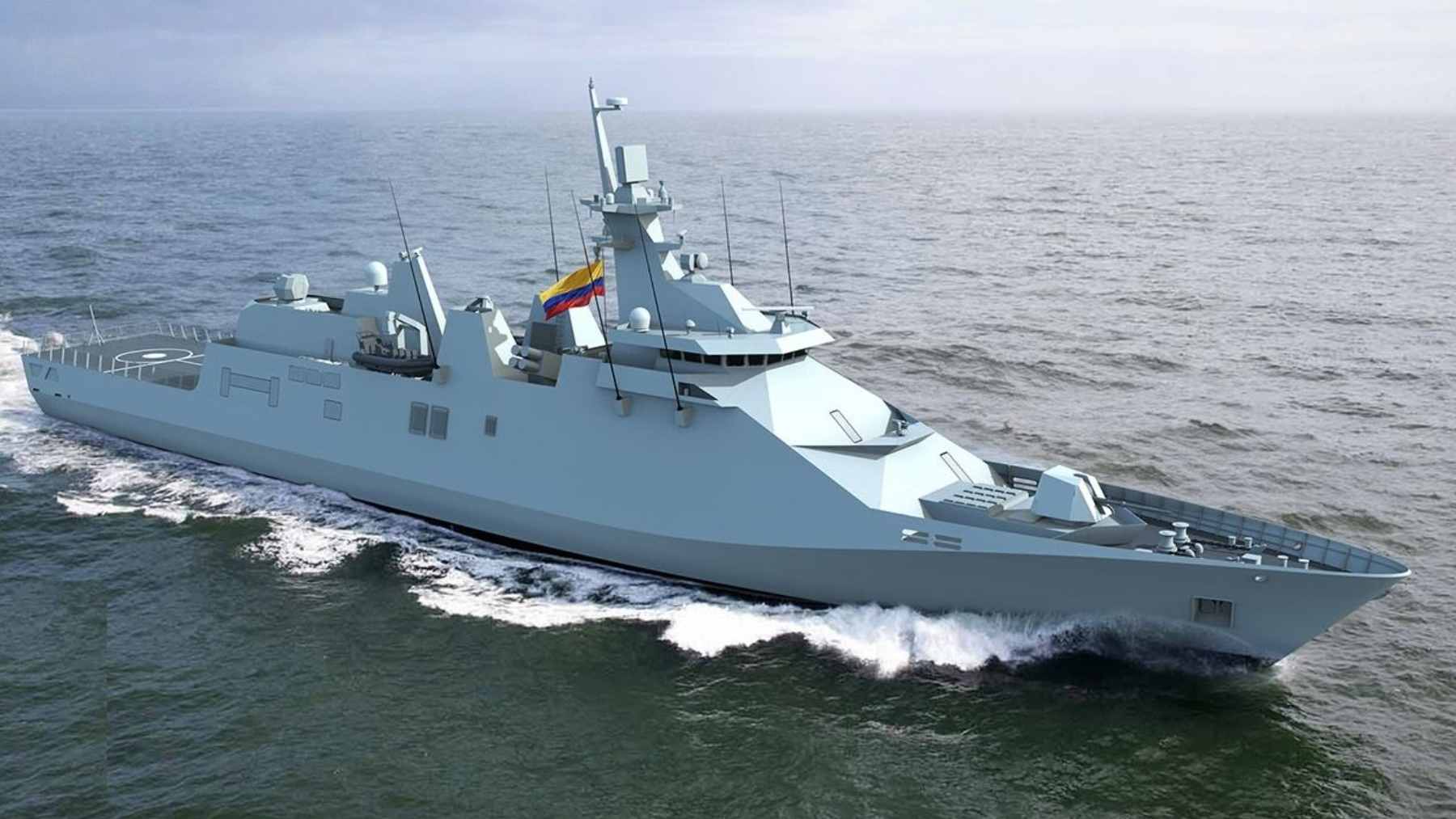
Spain is also building five F-110 frigates, with the first, the F111 Bonifaz, launched in Ferrol on September 11, 2025. Navantia says delivery is expected in 2028, and the class is designed for anti-air, anti-surface, and anti-submarine missions.
What makes these ships especially interesting is the amount of digital technology built into them. Navantia describes the F-110 as one of its most digital and automated ships, with a digital twin, sensor networks, and the ability to integrate unmanned vehicles.
Think of it like a car that constantly reports how its engine, tires, and brakes are behaving, except this “car” is a warship crossing the Atlantic.
That can change maintenance. If crews know earlier when a component is wearing down, they can repair it before it fails and avoid wasting parts, fuel, or time. Still, the official focus is readiness, not emissions, so the environmental benefits should be treated as a possible side effect rather than a proven result.
The green logistics test
The BAC II may be the most direct environmental test in the whole package. The Council of Ministers authorized the design and construction order in May 2025 at an estimated value of $740.6 million, with Navantia building the ship in Ferrol.
This will be a very large support vessel. Spain’s Defense Ministry describes a ship about 570 ft. long and 75 ft. wide, and with a full-load displacement of roughly 22,000 tons. Its job will be practical and unglamorous, carrying fuel, water, food, ammunition, spare parts, medical support, and containers for the fleet.
That is why the propulsion claim matters. A combat supply ship is basically the fleet’s floating gas station, grocery aisle, and repair shelf. If Spain can make that role cleaner and more efficient, even modest gains could matter over decades of service.
Drones enter the fleet
The new BAC II will also include point-defense systems, counter-drone defense, and capacity to deploy and maintain unmanned air, surface, and underwater vehicles. That sounds technical, but the trend is easy to understand. Fleets are adding smaller robotic helpers for surveillance, inspection, and operations that may be too risky or repetitive for people.
This connects with the wider defense plan, which puts money into cybersecurity, communications, artificial intelligence, energy, materials, and autonomous systems. The same plan also assigns part of the investment to emergency and disaster response. At the end of the day, that is where military technology and civilian resilience start to overlap.
Two new maritime action ships with antisubmarine capacity are also part of the broader naval picture, with the project valued in reporting at about $626.7 million. Meanwhile, the existing F-100 frigates are expected to receive upgrades that could keep them useful into the late 2040s.
The delivery challenge
Big plans are exciting on paper. Shipyards, however, live by schedules, suppliers, and thousands of small technical decisions. Navantia’s F-110 program alone is expected to involve about 500 companies and generate roughly 9,000 jobs over more than a decade, while the S-80 program involves around 100 partner companies and more than 6,000 jobs.
The pressure will be real. A 2026 defense analysis published through Spain’s Defense Ministry noted that Navantia is handling F-110 frigates, S-80 submarines, the new combat supply ship, amphibious modernization work, and a future electronic warfare ship, warning that this workload could push the company close to its production limits.
So what should readers watch next? The S-82’s trials, the F111 Bonifaz delivery timeline, and the final technical details of BAC II’s greener propulsion will say more than any slogan. The trouble is, the clock is moving faster than politics.
The official statement on the new combat supply ship was published on Spain’s Ministry of Defense.