When bombs hit a mountain, the story usually begins with military power. In Iran, it also begins with what may be left behind underground.
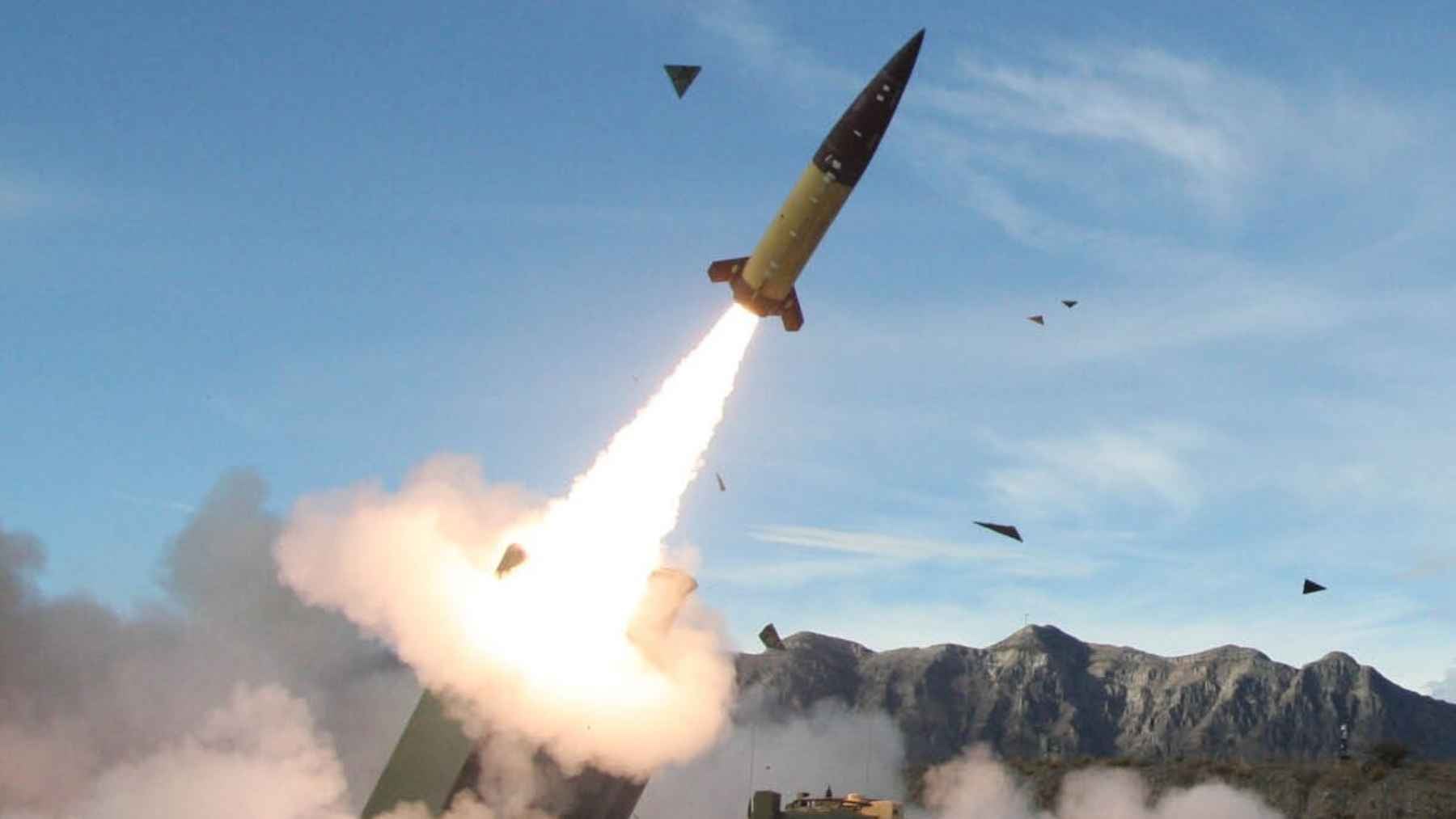
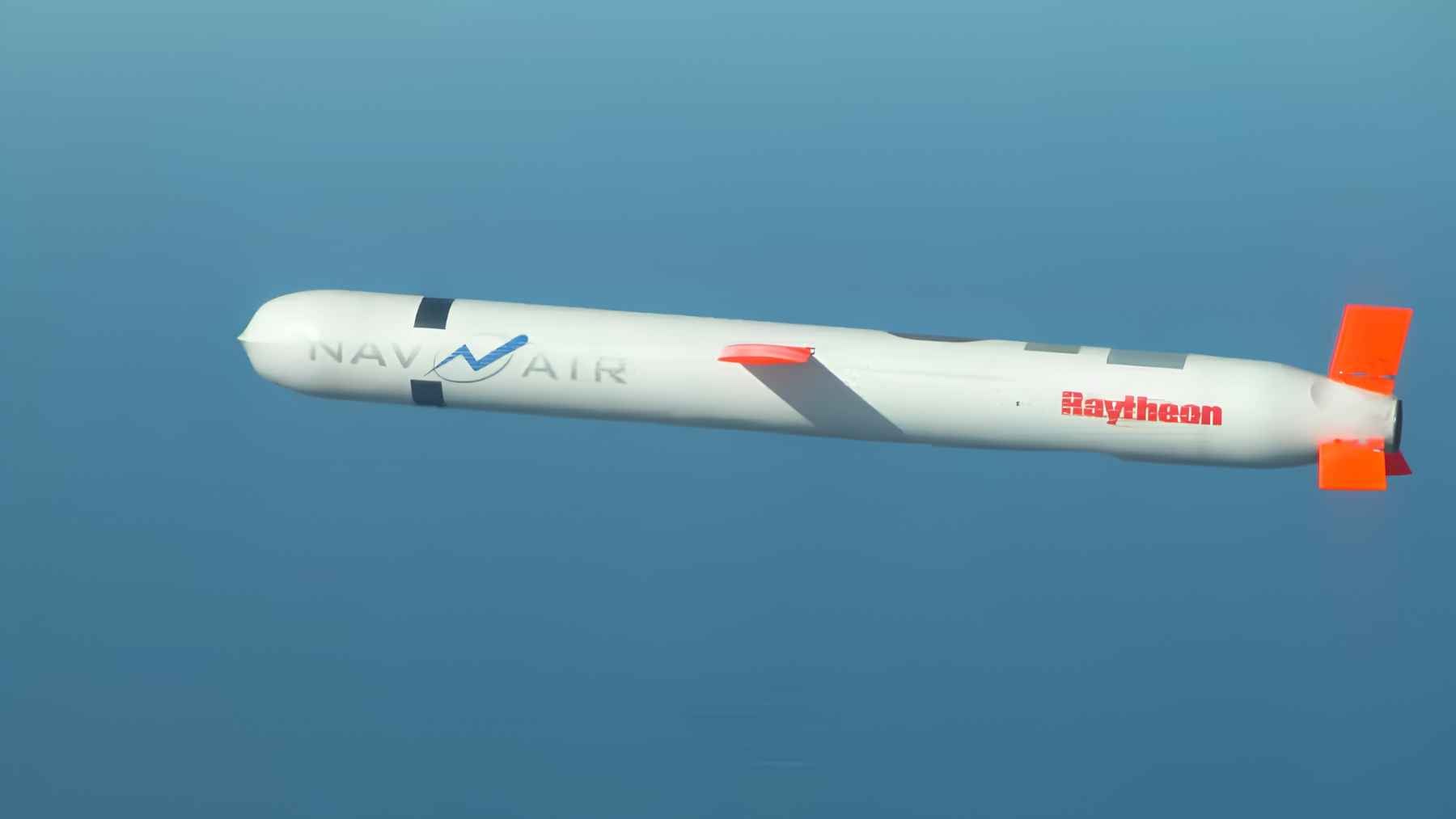
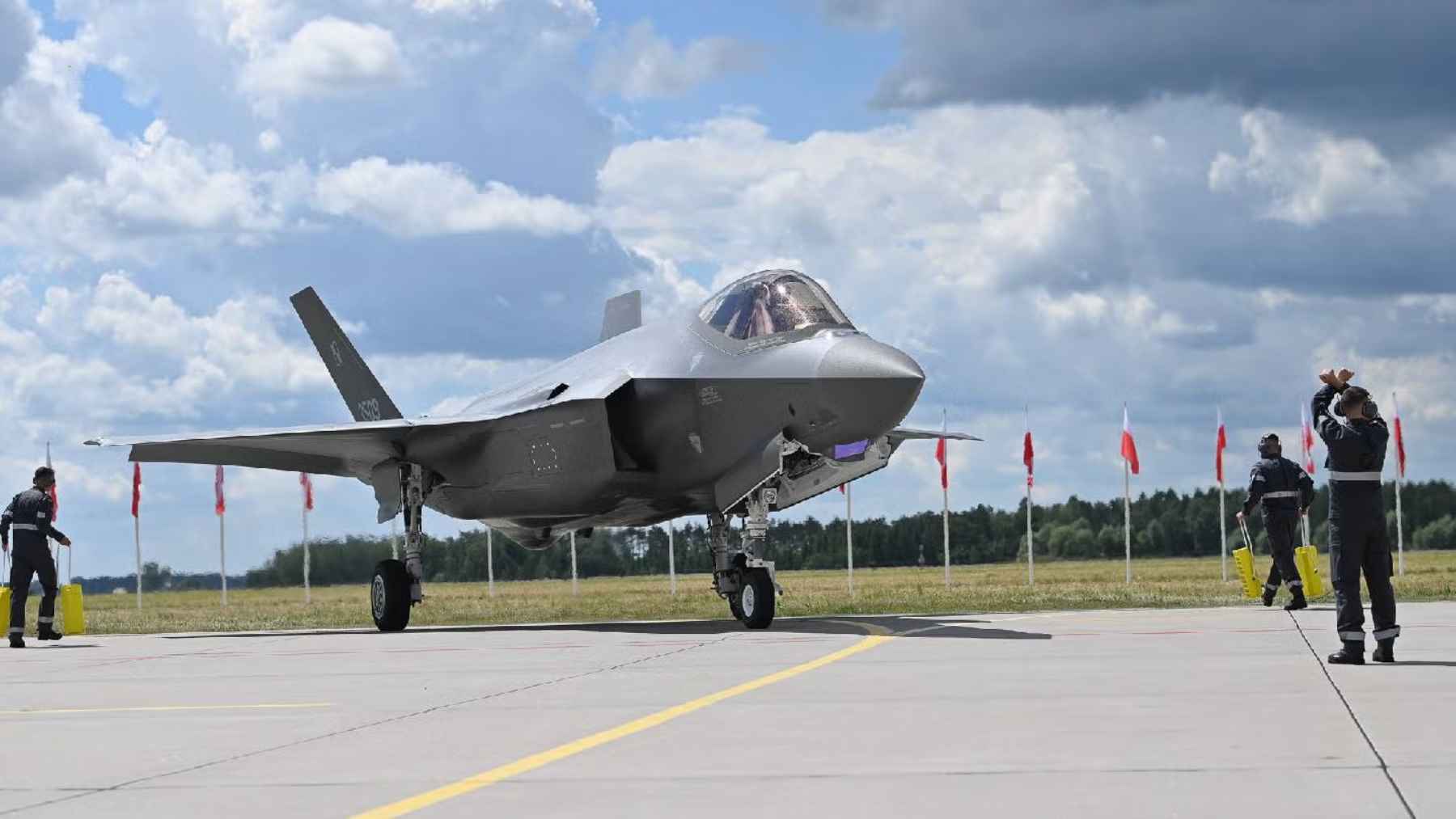
The U.S. campaign against Iran’s nuclear and missile infrastructure has become a showcase for stealth aircraft, bunker-busting weapons, refueling fleets, electronic warfare, and long-range precision strikes.
The sharper question for communities near Fordow, Natanz, Esfahan, and other targeted areas is simpler. What happens when nuclear facilities, tunnel entrances, roadways, and suspected minefields are damaged faster than inspectors can safely reach them?
The strike that changed the calculation
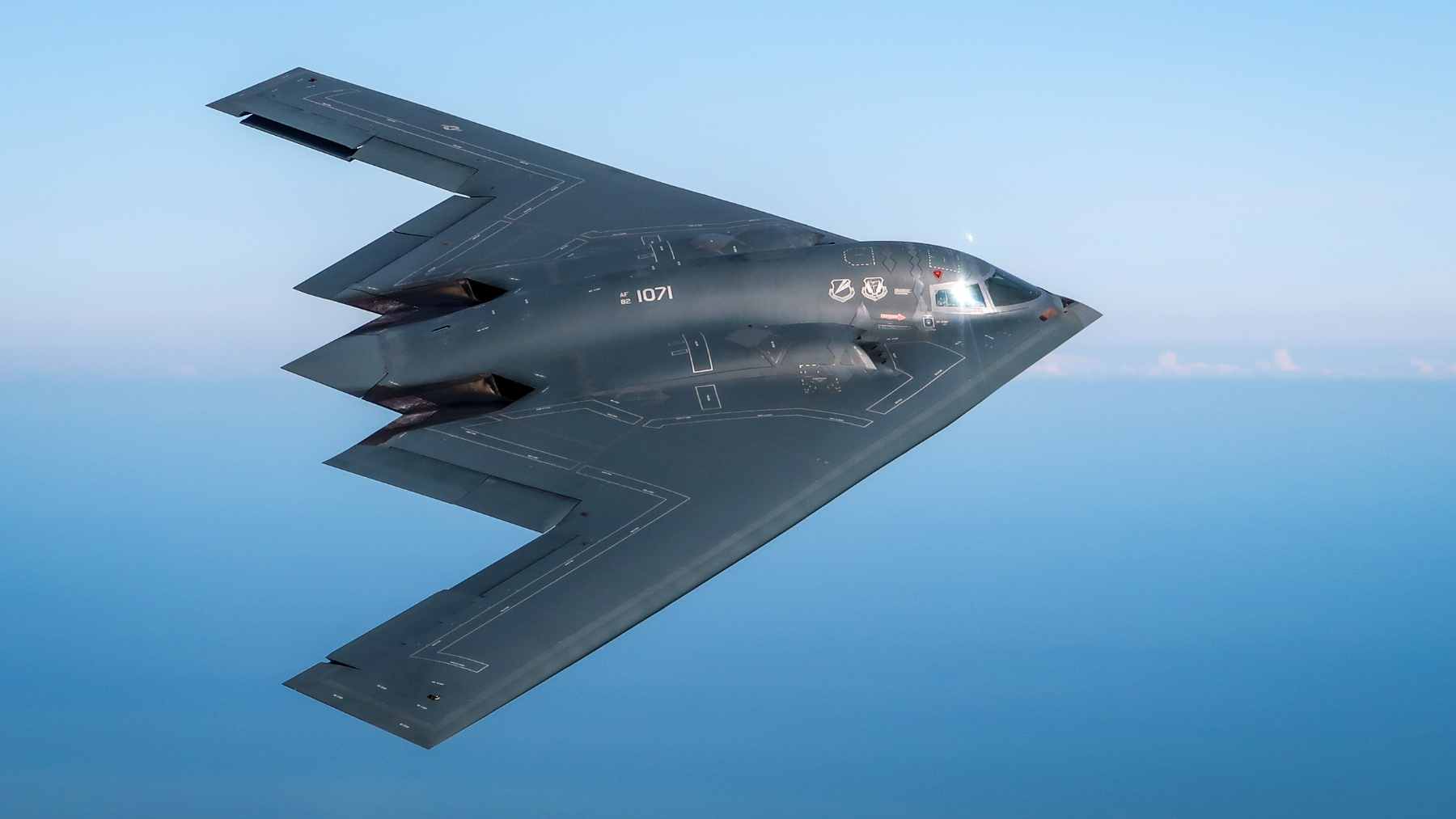
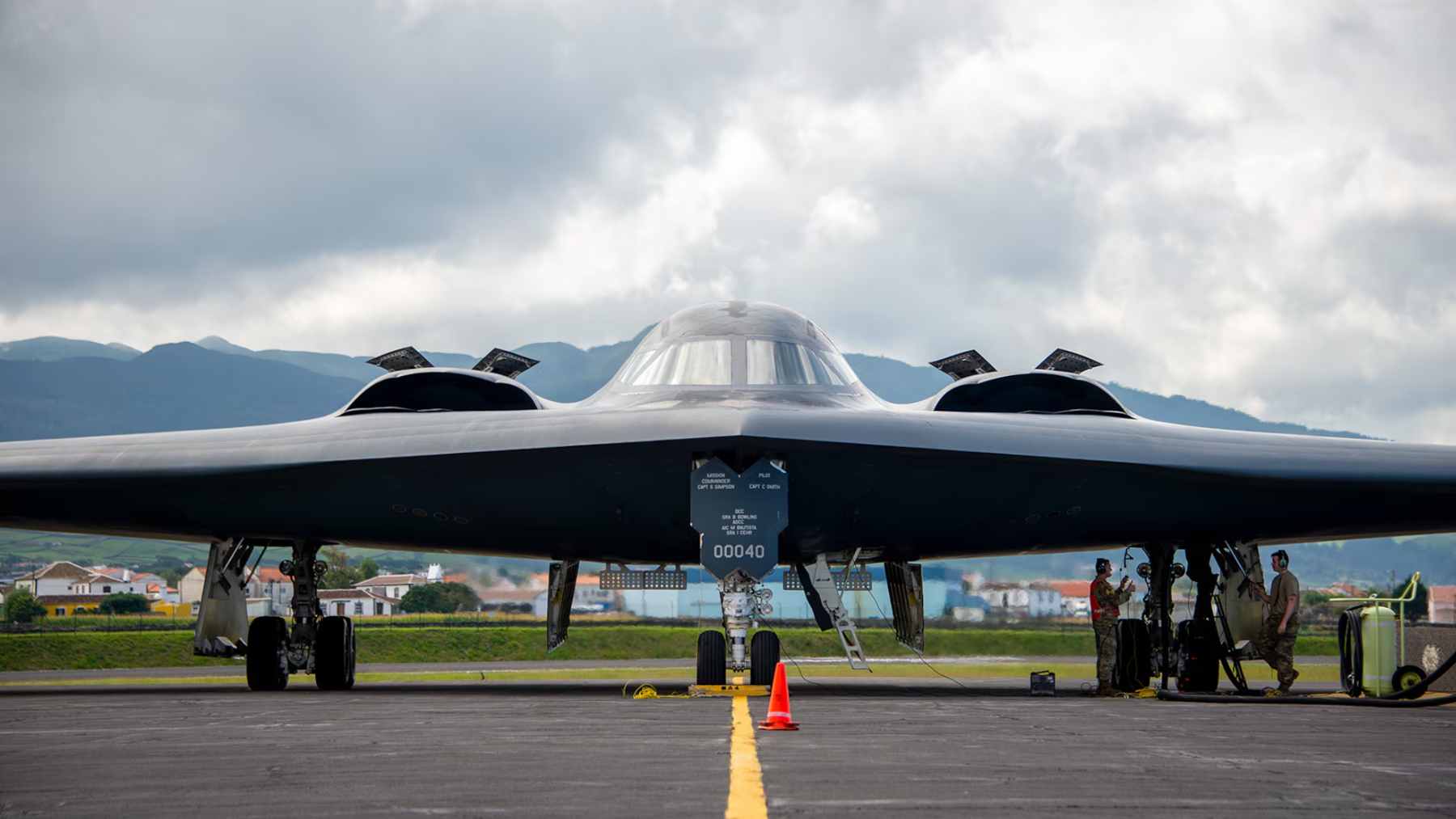
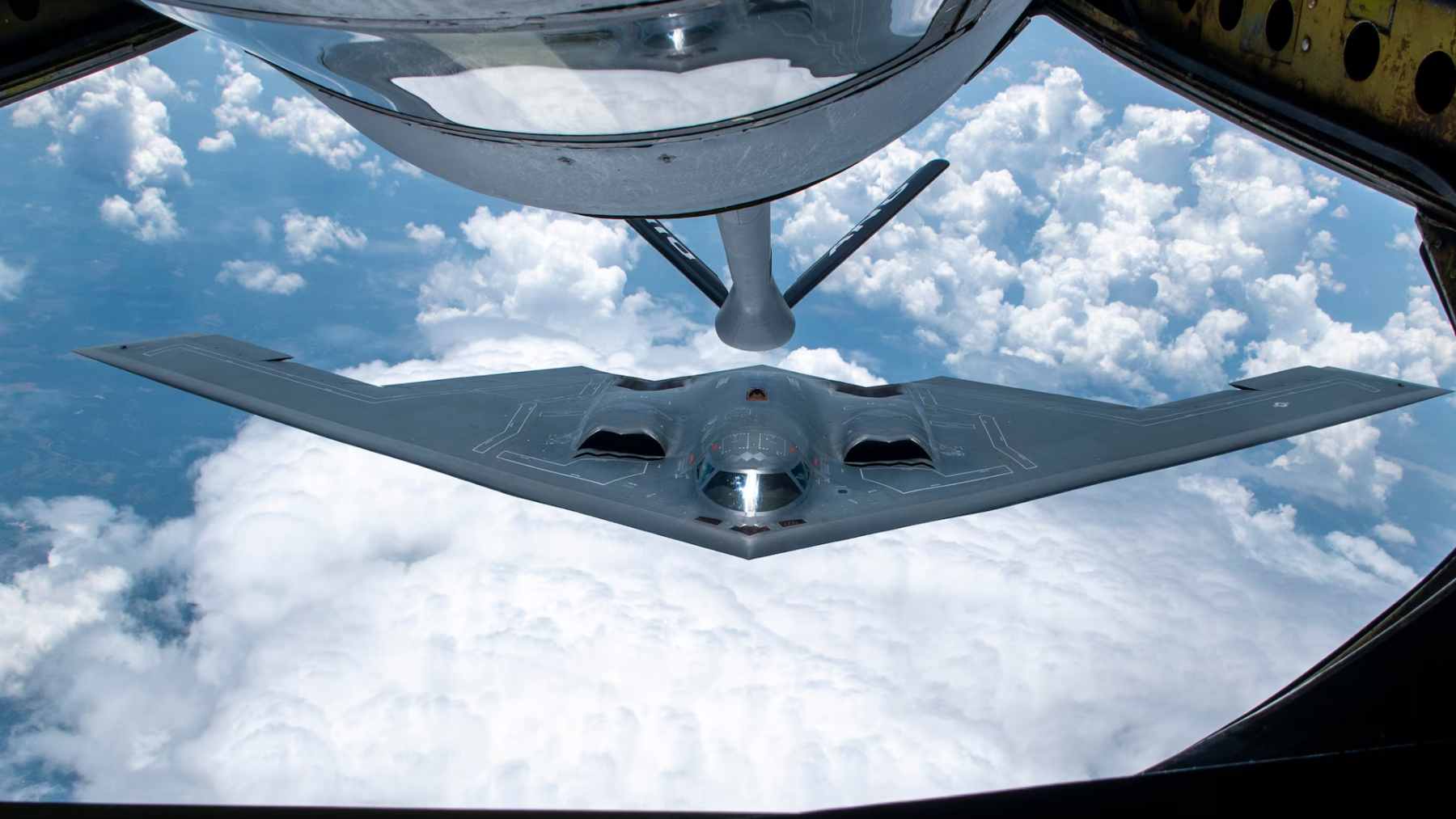
Pentagon officials said Operation Midnight Hammer used more than 125 U.S. aircraft and about 75 precision-guided weapons against Iranian nuclear infrastructure in June 2025. The strike package included B-2 Spirit stealth bombers, fighter aircraft, refueling tankers, surveillance assets, and a guided missile submarine.
The headline weapon was the 30,000-lb. GBU-57 Massive Ordnance Penetrator, a bomb built for deeply buried targets. U.S. officials said seven B-2 bombers dropped 14 of those weapons on Fordow and another nuclear target area, marking the first operational use of the system.
Separate background material reviewed for this story described a wider tunnel-denial tactic aimed at collapsing entrances and blocking access routes, turning parts of Iran’s underground defenses into what it called “sealed sacks.”
Official U.S. releases confirm the broader strikes and the larger 2026 campaign, but they do not publicly confirm every tunnel-denial detail described in that material.
Why buried facilities are different
Underground facilities are built to hide and survive. The trouble is, once they are attacked, they are also harder to inspect, harder to ventilate, and harder to clean up.
The International Atomic Energy Agency confirmed that Fordow, Natanz, and Esfahan were hit after U.S. aerial attacks. It also said the degree of damage inside Fordow’s uranium enrichment halls could not be determined with certainty because of the site’s underground location and the penetrating nature of the bombs used.
That sounds technical, but it matters in a very everyday way. A radiation monitor outside a site can stay calm while workers still face risks inside damaged halls, tunnels, ventilation shafts, or storage areas.
The hidden environmental cost
The IAEA later said it had seen no reported increase in off-site radiation levels after the attacks. That was the most reassuring finding for people living outside the targeted sites.
However, the agency also assessed that there had been some localized radioactive and chemical release inside affected facilities that contained nuclear material. At Natanz, it identified two impact holes above underground halls and said the strike may have caused localized contamination and chemical hazards.
Put simply, “no regional radiation emergency” does not mean “no environmental problem.” Dust, rubble, damaged power systems, chemical residues, and blocked access can all slow the work needed to understand what actually happened below ground.
Mines make cleanup harder
There is another issue that gets less attention than bunker-buster bombs. Mines and area-denial weapons can turn roads, fields, and facility entrances into dangerous no-go zones long after aircraft leave the sky.
Bellingcat reported in March 2026 that images and expert assessments pointed to U.S.-made Gator scatterable mines near Kafari, a village close to Shiraz. The outlet said the U.S. Department of Defense did not respond to its request for confirmation by the time of publication.
The Gator system can scatter mines over an area of roughly 660 ft. by 2,130 feet, based on the dimensions cited in the investigation. The same report noted that some mines can explode if disturbed and may self-destruct unpredictably over hours or days.
In military terms, area denial can stop launchers, excavators, supply trucks, or repair crews. In environmental terms, it can also stop firefighters, medics, inspectors, and local residents trying to return to normal life.
Epic Fury expands the battlefield
The 2026 operation widened the frame beyond the June 2025 nuclear-site strikes. Official U.S. pages say Operation Epic Fury began on February 28, 2026, with U.S. and partner forces striking targets tied to Iran’s security apparatus and locations described as imminent threats.
The White House described the operation’s goals as destroying Iran’s ballistic missile arsenal and production capacity, striking its navy, cutting support for proxy groups, and preventing Iran from acquiring a nuclear weapon.
That means the environmental risk is no longer limited to enrichment halls. Ports, missile depots, fuel stores, production sites, and military infrastructure may involve propellants, solvents, batteries, heavy metals, explosive residues, and contaminated runoff. Think of it as damaging not just one machine, but the whole garage around it.
A win still needs verification
From a military point of view, some questions can be answered quickly. Did the aircraft get home? Did the air defenses respond? Did the target stop working?
Pentagon officials said Iran’s fighters did not fly and that its surface-to-air missile systems appeared not to see the Operation Midnight Hammer strike package. They also said initial assessments showed “extremely severe damage and destruction” at the three nuclear sites.
The environmental question moves more slowly. It asks what is in the dust, what burned, what entered groundwater, what remains unexploded, and whether inspectors can safely verify the inventory of nuclear material.
The IAEA said inspectors remained in Iran during the conflict and were ready to resume safeguards work, including verification of more than 880 lbs. of uranium enriched to 60%. That kind of access is not just paperwork, it is how outside experts separate rumor from measurable risk.
What readers should keep in mind
The big takeaway is not that every strike on a nuclear-linked target creates a regional radiation disaster. By the IAEA’s own reporting, there was no confirmed off-site radiation increase after the June 2025 attacks.
The real lesson is more nuanced. Modern weapons can reach deep underground, but environmental answers still have to travel through blocked roads, damaged tunnels, unexploded ordnance, and political distrust.
For the United States, the campaign showed a rare combination of reach, stealth, and precision. For Iran and its neighbors, the next phase is less dramatic but just as important. Roads have to reopen, mines have to be cleared, inspectors need access, and communities need clear data they can trust.
The official statement was published on the International Atomic Energy Agency.