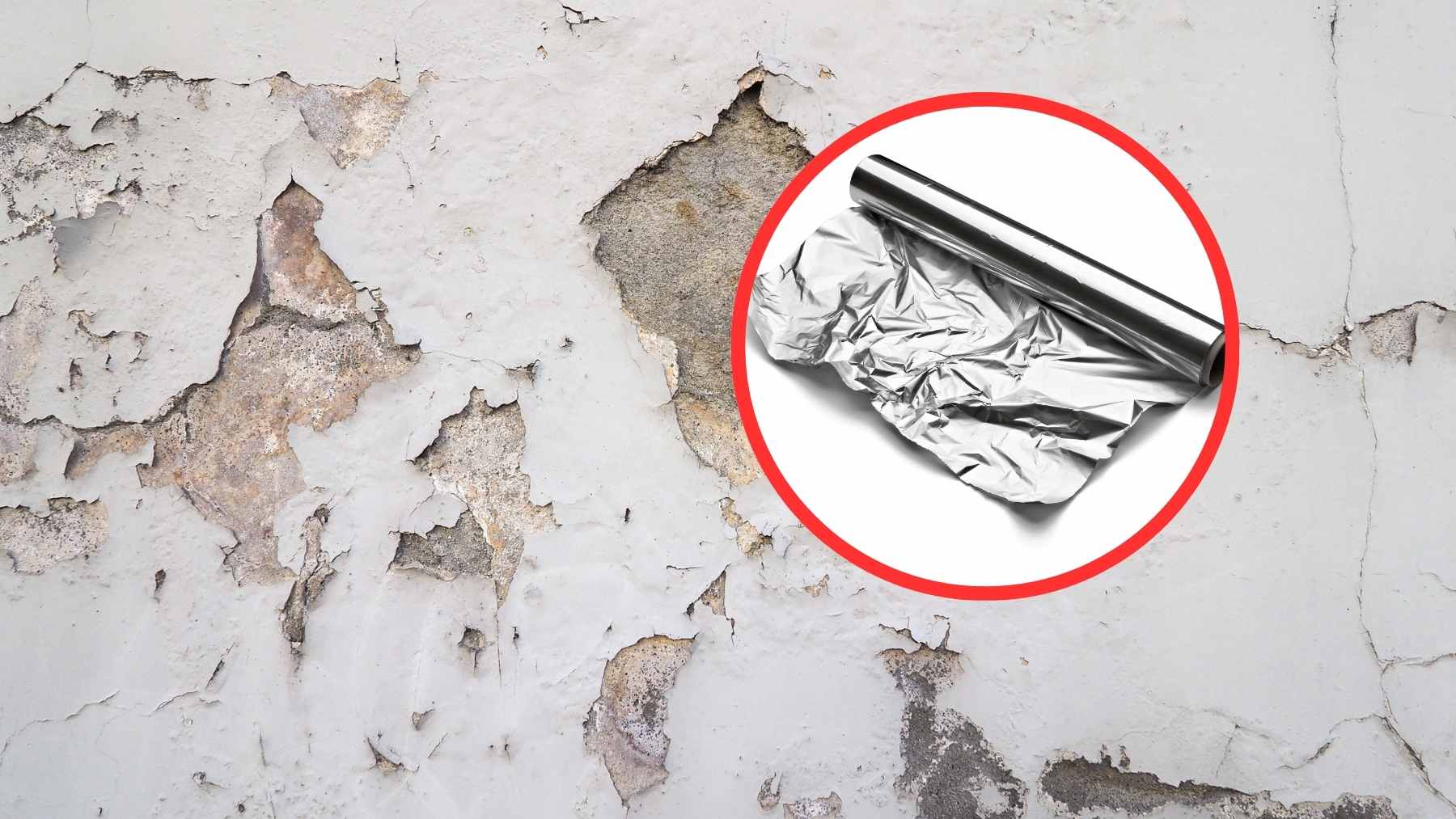
A dark stain on a kitchen or bathroom wall can look harmless at first. Maybe it is only steam from boiling pasta, or moisture from a hot shower that had nowhere to go. But what if the water is coming from behind the paint?
That is where a simple piece of aluminum foil can help. Building specialists have long used this low-tech test to tell whether a damp wall is likely dealing with indoor condensation or water moving through the wall itself, and the difference matters more than most homeowners realize.
A 48-hour test with a kitchen staple
The idea is almost surprisingly simple. Dry the suspicious area with a cloth, tape a square of aluminum foil over the stain, seal the edges well, and leave it there for 24 to 48 hours.
A square about 12 inches wide is usually enough for a small patch, though the foil should fully cover the damp area. Think of it as a tiny raincoat for your wall. By blocking normal airflow and evaporation, it gives the moisture fewer places to hide.
What the wet side means
When you remove the foil, check both sides before wiping anything away. If the side facing the wall is wet, that suggests moisture may be coming from inside the wall or through the building envelope. If the room-facing side is wet, indoor humidity is probably condensing on the cooler surface.
Could both sides be wet? Yes, and that is where things get less tidy. It may mean the home has both high indoor humidity and a leak or seepage problem, which is one reason the foil test should be treated as a clue rather than a final diagnosis.
Condensation starts with air
Condensation is often tied to everyday life. Cooking, bathing, laundry, and even people breathing all add water vapor to indoor air, and that vapor can turn into liquid when it hits a cold wall.
The EPA advises keeping indoor relative humidity below 60 percent when possible, with 30 to 50 percent considered ideal for many homes. That means exhaust fans, shorter bursts of window ventilation when outdoor air is drier, and a dehumidifier can all make a real difference.
The Department of Energy also notes that moisture control can make a home more comfortable, less expensive to heat and cool, and less likely to grow mold. In practical terms, a bathroom fan is not just about clearing a foggy mirror. It can help protect the wall behind it.
Wall-side moisture needs faster action
If the foil is wet on the wall-facing side, treat it like a possible leak until proven otherwise. The source could be plumbing, wind-driven rain, clogged gutters, poor flashing, cracks, or water sitting too close to the foundation.
The Department of Energy says rain leaks in walls are often linked to siding, flashing, weatherstripping, or caulking problems. That is why a growing stain, bubbling paint, soft drywall, or a strong musty smell should bring in a qualified inspector, builder, architect, or moisture specialist.
Speed matters here. The EPA says wet or damp materials dried within 24 to 48 hours after a leak or spill usually do not grow mold, and it sums up the issue plainly as “Moisture control is the key to mold control.”
Watch for white powder too
When you remove the foil, look around the stain for a chalky white deposit. That powder is called “efflorescence,” and it can appear when water carries salts through masonry and leaves them behind as it dries.
The National Park Service says damp masonry affected by capillary action can show whitish staining or tide marks of efflorescence, sometimes fluctuating about 1 to 3 feet above grade. It is not proof of a single cause, but it is another sign that water has been moving through the material.
That matters because damp walls are rarely only cosmetic. A coat of paint may cover the mark for a while, but it will not fix the source if water is still traveling through the wall.
Why a stain can affect health
Mold does not appear every time a wall gets damp. Still, moisture raises the odds, especially in dark spaces behind cabinets, baseboards, or drywall where air does not move well.
The CDC says damp and moldy environments can cause no symptoms in some people, but they may trigger stuffy nose, sore throat, coughing, wheezing, burning eyes, skin rash, or more serious reactions in people with asthma or mold allergies.
NIOSH has also found that people who spend time in damp buildings are more likely to report respiratory symptoms, asthma development or worsening, respiratory infections, bronchitis, and eczema. The World Health Organization 2009 guidance similarly links dampness and mold with higher rates of respiratory symptoms, allergies, and asthma.
A cheap clue, not a cure
The aluminum foil trick is useful because it is quick, cheap, and easy to repeat. It can keep a homeowner from treating a leak as if it were only a humidity problem, or calling for major repairs when better ventilation would solve most of the issue.
Still, it is not a replacement for professional testing when the damage is spreading, the wall feels soft, mold is visible, or anyone in the home is having breathing problems. At the end of the day, the foil is the first question, not the final answer.
The study was published on Chalmers Research.