China has started operating what officials describe as the world’s first undersea data center directly powered by offshore wind, a project that moves artificial intelligence infrastructure into a place most people never associate with cloud computing.
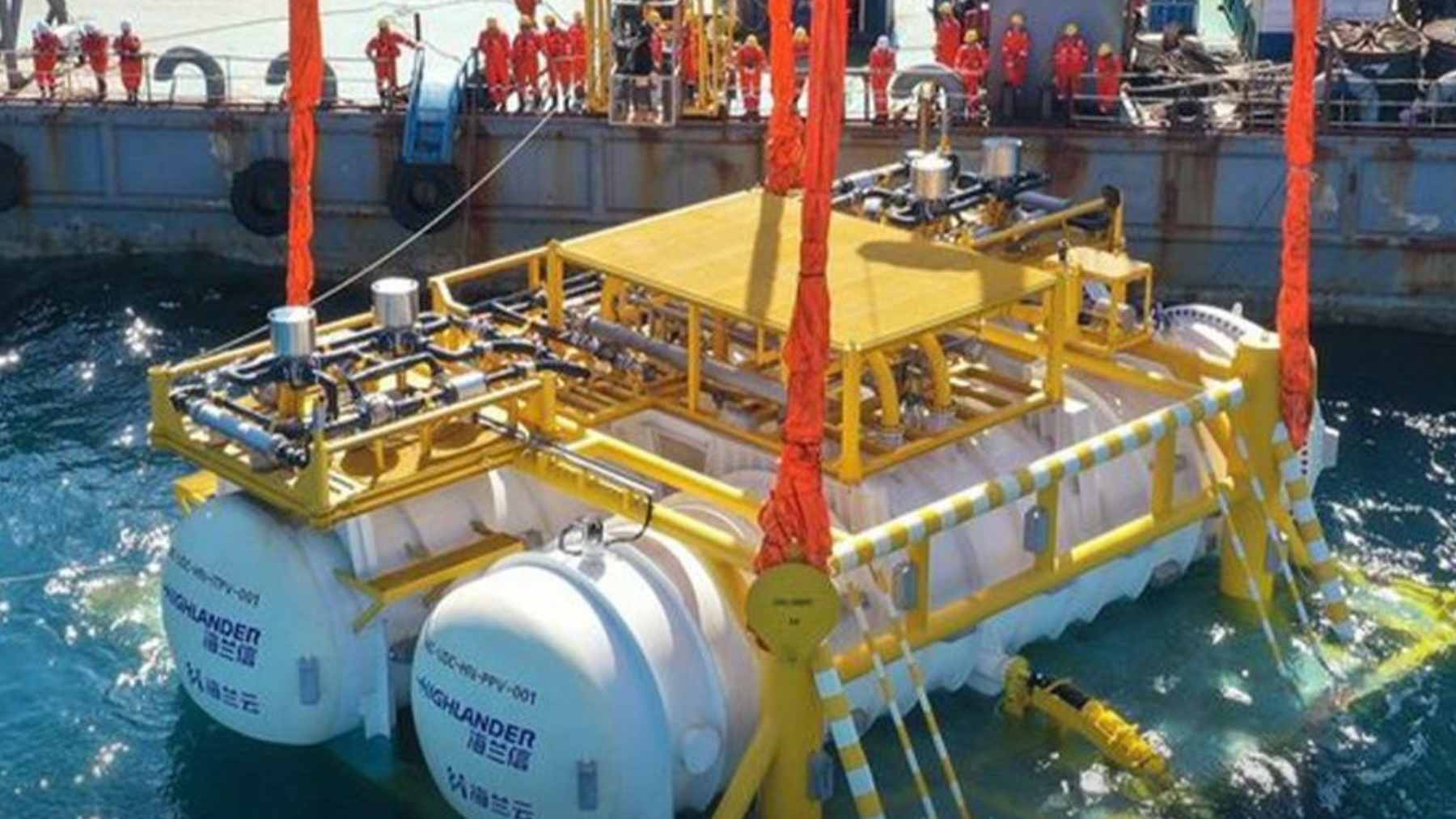
The Shanghai Lin-gang undersea data center entered operation off the city’s eastern coast in May, using nearby wind power and seawater cooling to cut pressure on land, freshwater, and the grid.
The timing is serendipitous. The International Energy Agency says data centers used about 415 terawatt-hours of electricity in 2024 and could reach around 945 terawatt-hours by 2030, with AI as the biggest driver of that growth. Behind every chatbot response, streaming recommendation, and autonomous driving test, there is a physical machine getting hot somewhere.
AI goes underwater
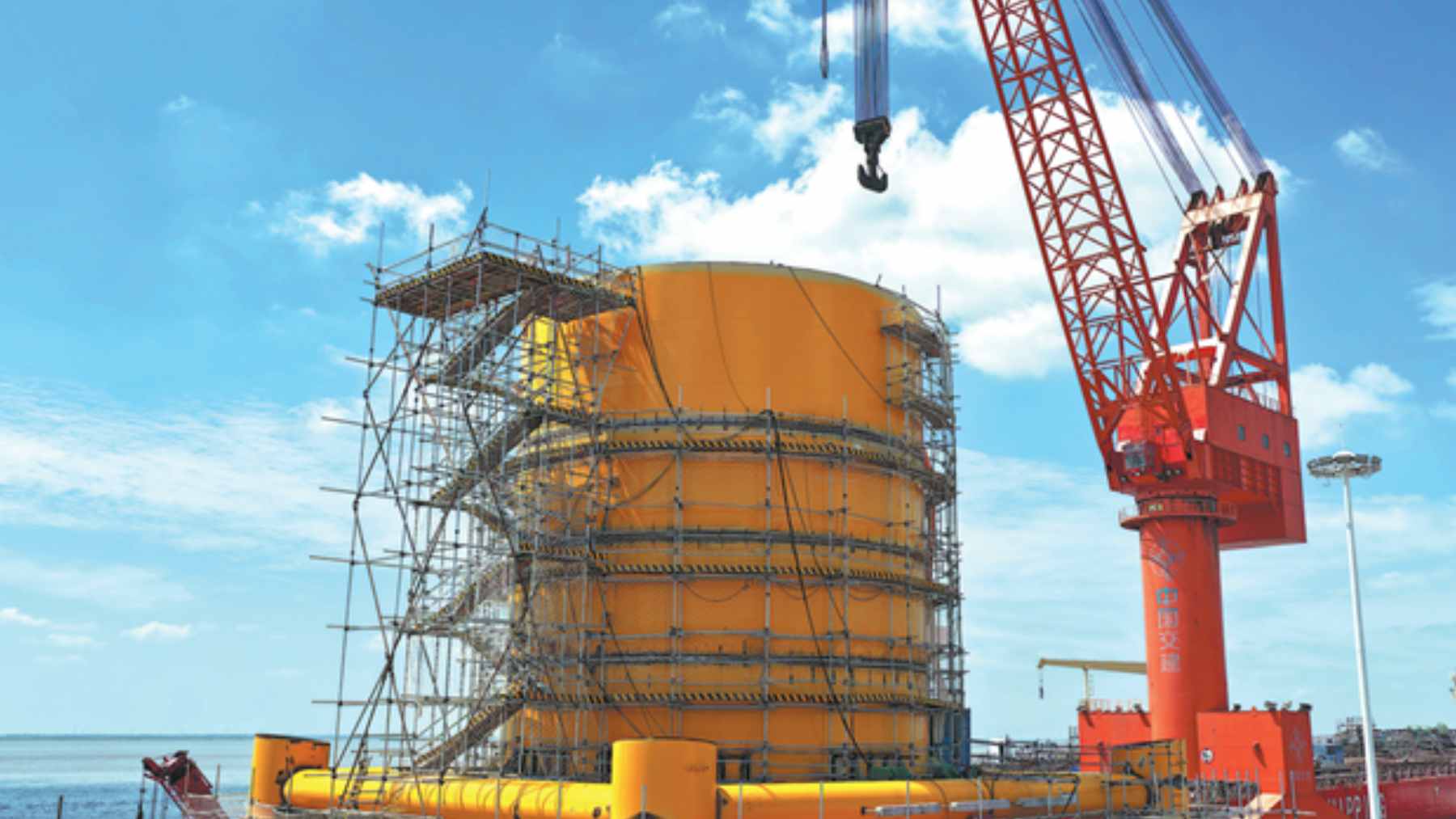
The Shanghai project is located about 6.2 miles offshore in the Lin-gang area and has a planned capacity of 24 megawatts. China’s Ministry of Transport says the first demonstration phase is 2.3 megawatts, with the wider buildout planned in two phases.
At first glance, the idea sounds like science fiction. In practical terms, it is a very direct answer to a real problem: put the servers near offshore wind, seal them in marine-grade infrastructure, and let the ocean help with the cooling job.
Cooling is the target
Data centers do not just need electricity to run servers, they also need energy to stop those servers from overheating, all day and all night.
The IEA says cooling and environmental controls can account for about 7% of electricity use in efficient hyperscale data centers, but more than 30% in less efficient enterprise facilities. That is why cooling is not a side issue anymore, it is part of the business model.
How seawater changes the math
The Lin-gang system uses seawater as a natural cooling source through a circulating copper-pipe heat exchange design. According to the official account, that setup reduces electricity consumption by 22.8%, eliminates freshwater use, and cuts land usage by more than 90%.
That last point matters in cities like Shanghai, where land is expensive and digital demand is growing fast. Nobody wants a new server farm competing with housing, ports, factories, and green space if there is another option.
A direct wind connection
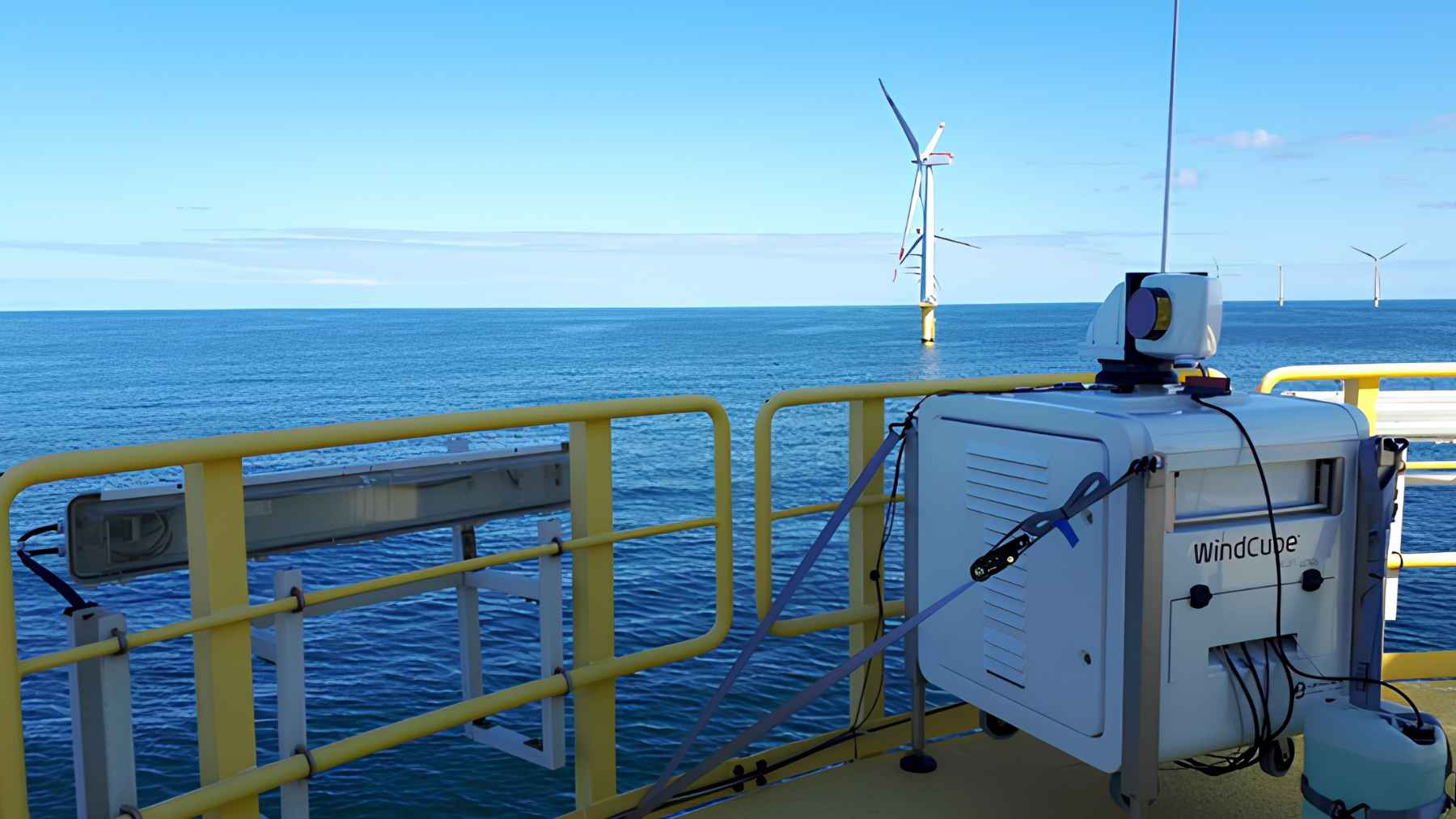
The project’s other big idea is what developers call a direct offshore wind connection model. Electricity from offshore wind farms is sent to submerged data modules through subsea photoelectric composite cables, reducing the need to route that power through more traditional grid pathways.
That does not make the system perfectly clean or endlessly scalable, but it does show a different way to think about AI infrastructure. Instead of building data centers first and then searching for power, the power source and the computing load are designed as one connected system.
Not the first dive
Underwater data centers are not completely new. Microsoft tested Project Natick years ago, and China has also developed undersea computing work around Hainan, but the Shanghai project stands out because it links offshore wind and undersea computing in an operating demonstration.
That difference is important. A clever experiment is one thing, a working piece of infrastructure tied to renewable power is another, especially as countries race to build enough computing capacity for AI, 5G, big data analysis, and industrial automation.
Why Shanghai cares
Shanghai has become a major AI and advanced manufacturing hub, with demand coming from large-model developers, autonomous driving firms, biotech companies, fintech groups, and other high-speed digital industries. In some of these fields, even a few milliseconds can matter.
This is where the undersea model becomes more than an environmental headline. Coastal data centers can sit near dense cities while avoiding some of the land and water conflicts that come with conventional sites. That is not a small advantage.
The catch
Still, this is not a magic trick. Underwater infrastructure has to deal with saltwater corrosion, long-term sealing, subsea cables, high-pressure conditions, and the headache of maintenance when something fails far below the surface.
There are also environmental questions. Experts have warned that submerged data centers may disturb sediment or warm nearby seawater, even if those effects appear manageable with proper monitoring. The lesson is simple enough: the ocean can help cool servers, but it cannot become a dumping ground for the digital economy’s heat.
A coastal model for AI
For the most part, the Lin-gang project should be seen as a test of a bigger idea. Coastal cities with offshore wind, limited land, and fast-growing computing demand may look at this model and ask whether the sea can become part of their digital infrastructure.
At the end of the day, AI’s environmental challenge is not only about producing more clean electricity. It is also about using less energy for the same work, wasting less freshwater, and putting infrastructure where it makes sense.
The official statement was published on Lin-gang Special Area.