A tree better known for its nutritious leaves and rugged survival skills may have a new job in the fight against plastic pollution.
Researchers at São Paulo State University found that a saline extract made from Moringa oleifera seeds removed 98.5% of aged PVC microplastics from low-turbidity drinking water in lab tests, nearly matching aluminum sulfate, a standard water-treatment chemical that removed 98.7%.
That does not mean people should start grinding seeds into a kitchen filter and calling it safe, not yet. But for water utilities, rural communities, and places where treatment systems need to be cheaper and simpler, the study points to something genuinely interesting: a plant-based coagulant that could help trap tiny plastic fragments before they reach the glass on the table.
Why this matters
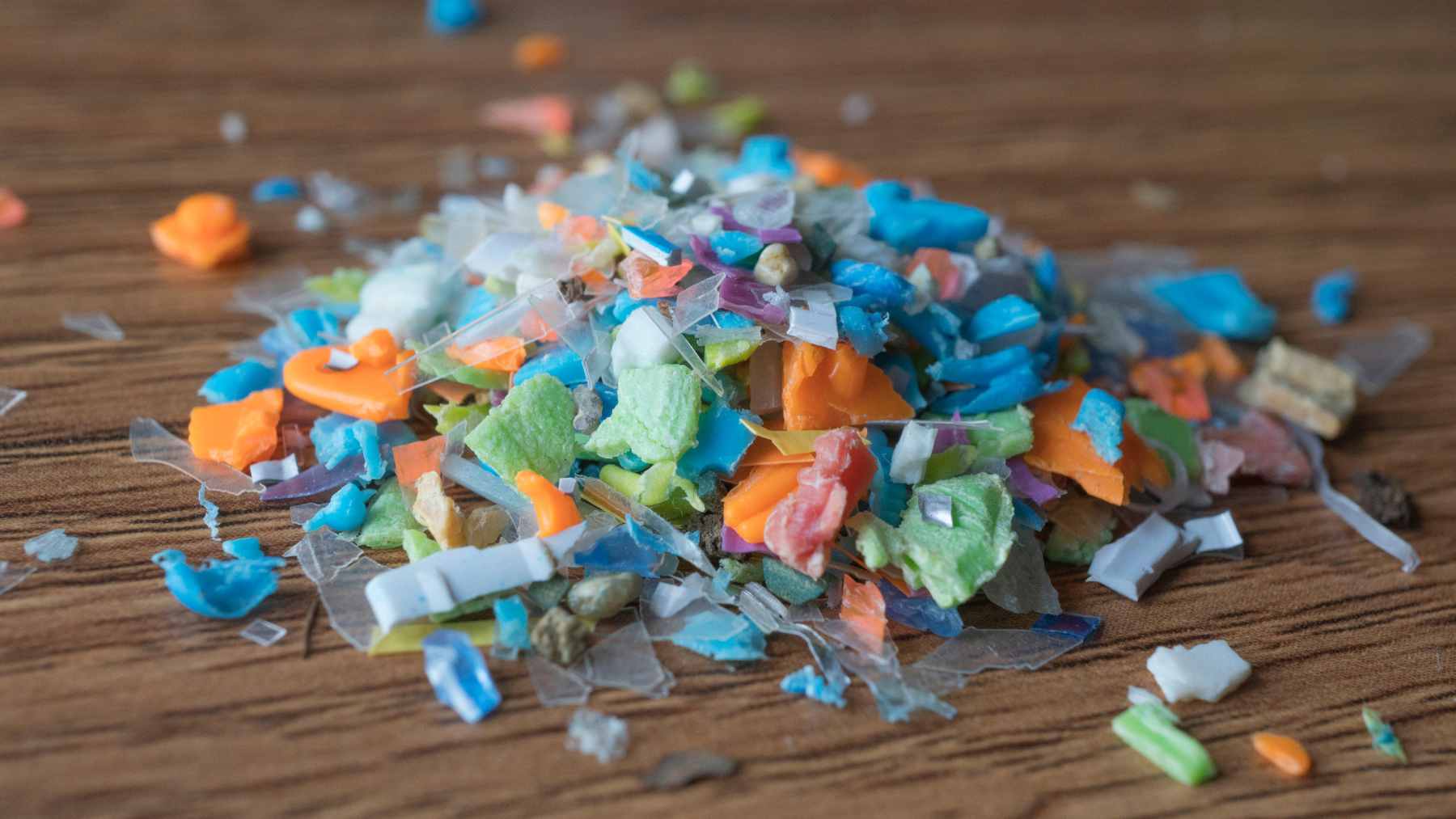
Microplastics are generally defined as plastic pieces smaller than about 0.2 inch, and they have become one of the most stubborn pollution problems on Earth. They show up in water, soil, air, and food, which is exactly why scientists are looking for treatment methods that can work without adding new environmental headaches.
The health picture is still developing. The World Health Organization has said evidence remains limited, especially when it comes to the physical effects of the smallest plastic particles in drinking water, but it also identifies possible concerns involving particles, chemicals, and microbial biofilms.
Those nuances matter. The problem is not solved by panic, but it is also not solved by shrugging. At the end of the day, water treatment needs practical tools that can keep up with a pollutant that keeps breaking into smaller and smaller pieces.
How moringa works
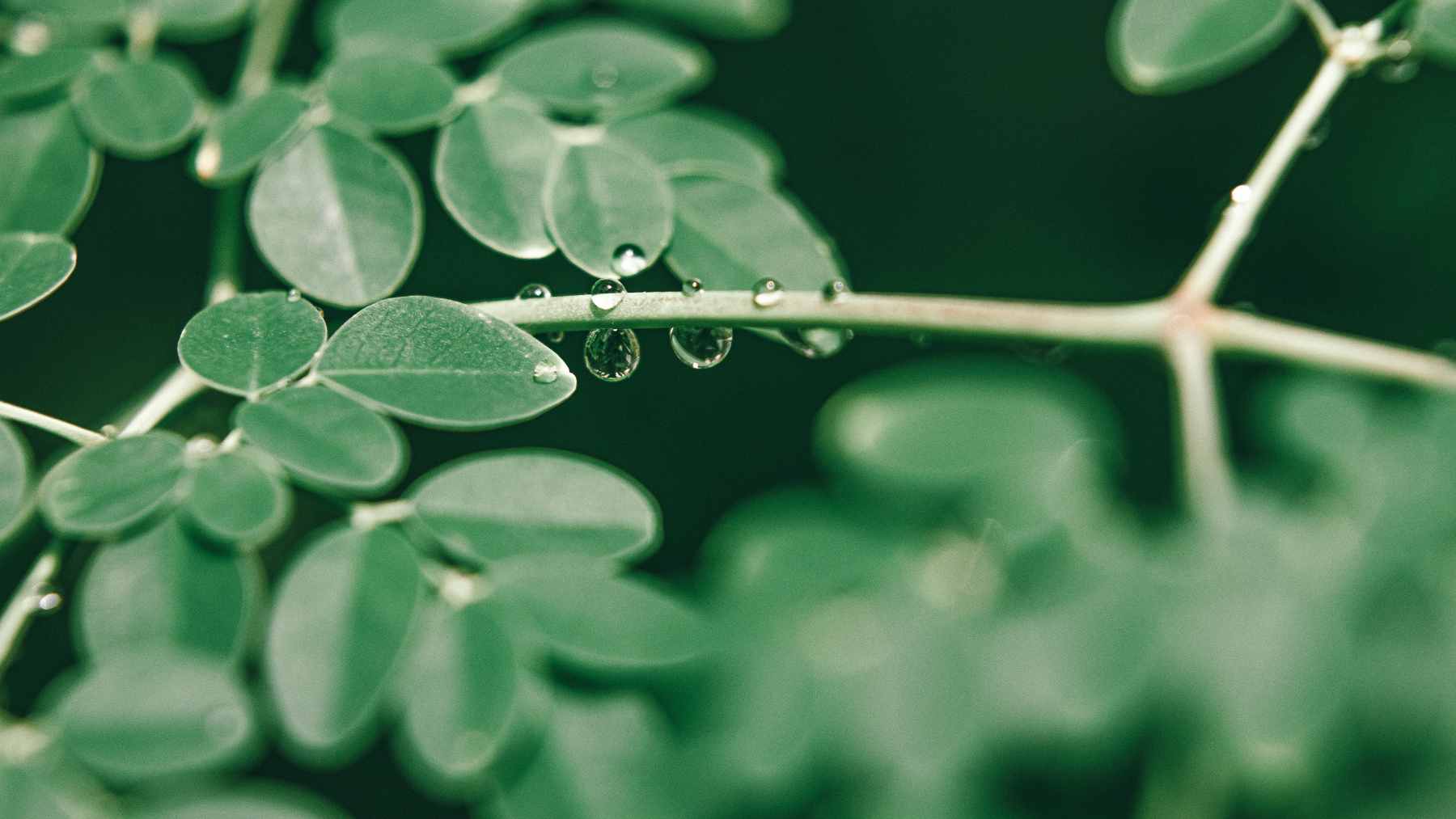
The team tested a saline extract from Moringa oleifera seeds, not the whole seed tossed into water. In treatment terms, the extract acts as a coagulant, meaning it helps destabilize particles that would otherwise stay spread out in the water.
Microplastics often carry a negative electrical charge on their surface. That makes them repel each other and slip through ordinary filtration more easily, a little like tiny magnets pushing away from one another.
Moringa changes that behavior. Once the charge is neutralized, the plastic particles clump into larger masses called flocs, which can then be caught by a sand filter. Simple idea, big difference.
The numbers behind the finding
In the ACS Omega study, researchers compared moringa seed saline extract with aluminum sulfate, also known as alum. The water was spiked with aged polyvinyl chloride (PVC) microplastics and humic acid, then treated under direct filtration and in-line filtration setups.
Under optimal conditions, moringa removed 98.5% of the aged PVC microplastics. Alum removed 98.7%, which means the two treatments performed almost identically in that part of the experiment.
The plant extract also worked across a wider pH range. The study reported strong performance from pH 5.0 to 8.0 for moringa, compared with pH 5.0 to 7.0 for alum. In practical terms, the seed extract may be more forgiving when the chemistry of raw water changes.
Why PVC was chosen
The researchers did not pick PVC by accident. They used PVC microplastics that had been artificially aged with ultraviolet radiation, which helped mimic the way plastic changes after exposure to sunlight and outdoor conditions.
PVC is also a concern because it is common and persistent. The São Paulo Research Foundation (FAPESP) release notes that the team chose it because of its documented mutagenic and carcinogenic potential, as well as its presence in surface waters and water treated by traditional processes.
That makes the experiment more meaningful than a test on fresh, clean plastic beads. Real-world plastic is weathered, scratched, and chemically changed–it has lived outside.
A possible cleaner alternative
Aluminum sulfate is already widely used in conventional water treatment, and the study does not suggest it suddenly stops working. The question is whether some systems could use a renewable coagulant that performs similarly while reducing dependence on synthetic or mined materials.
Gabrielle S. Batista, the study’s first author, said the seed extract “performs similarly to aluminum sulfate.” She also noted that it did better in more alkaline water, according to the FAPESP release.
There is also a business angle hiding in the plumbing. The study found that in-line filtration performed about as well as direct filtration for microplastic removal, suggesting the flocculation step may not always be necessary. Fewer steps can mean simpler equipment, lower operating complexity, and easier deployment in small systems.
The catch
Moringa is not a magic wand. The researchers found that the seed extract increased dissolved organic carbon because the plant material leaves some organic matter behind.
That could make later treatment stages more complicated or more expensive. The same study also found an 88% reduction in specific ultraviolet absorbance (SUVA), which suggests it removed a significant share of aromatic natural organic matter, but the carbon issue still has to be managed.
So the next step is not a marketing slogan, it is pilot testing, real water, and careful cost analysis. That is where promising lab science either grows up or gets stuck.
Where it could help first
Adriano Gonçalves dos Reis, who coordinated the research, pointed to small-scale uses such as rural properties and small communities. That is an important clue about where moringa-based treatment may fit best.
Big city treatment plants are complex machines, and changing one part of the process can affect everything downstream. Smaller systems, on the other hand, often need tools that are affordable, repairable, and not too fussy.
The research group is now testing the moringa extract with water collected from the Paraíba do Sul River, which supplies São José dos Campos in Brazil. If it keeps performing outside the lab, this little seed could become a serious piece of low-tech water technology.
The study was published on ACS Omega.