A major waste-to-energy project in Chatham-Kent, Ontario, is no longer just a story about renewable natural gas, fertilizer, and landfill diversion. Four councilors who voted against the plan are now pushing for the decision to be revisited, saying residents need more time and clearer answers before provincial environmental approvals move forward.
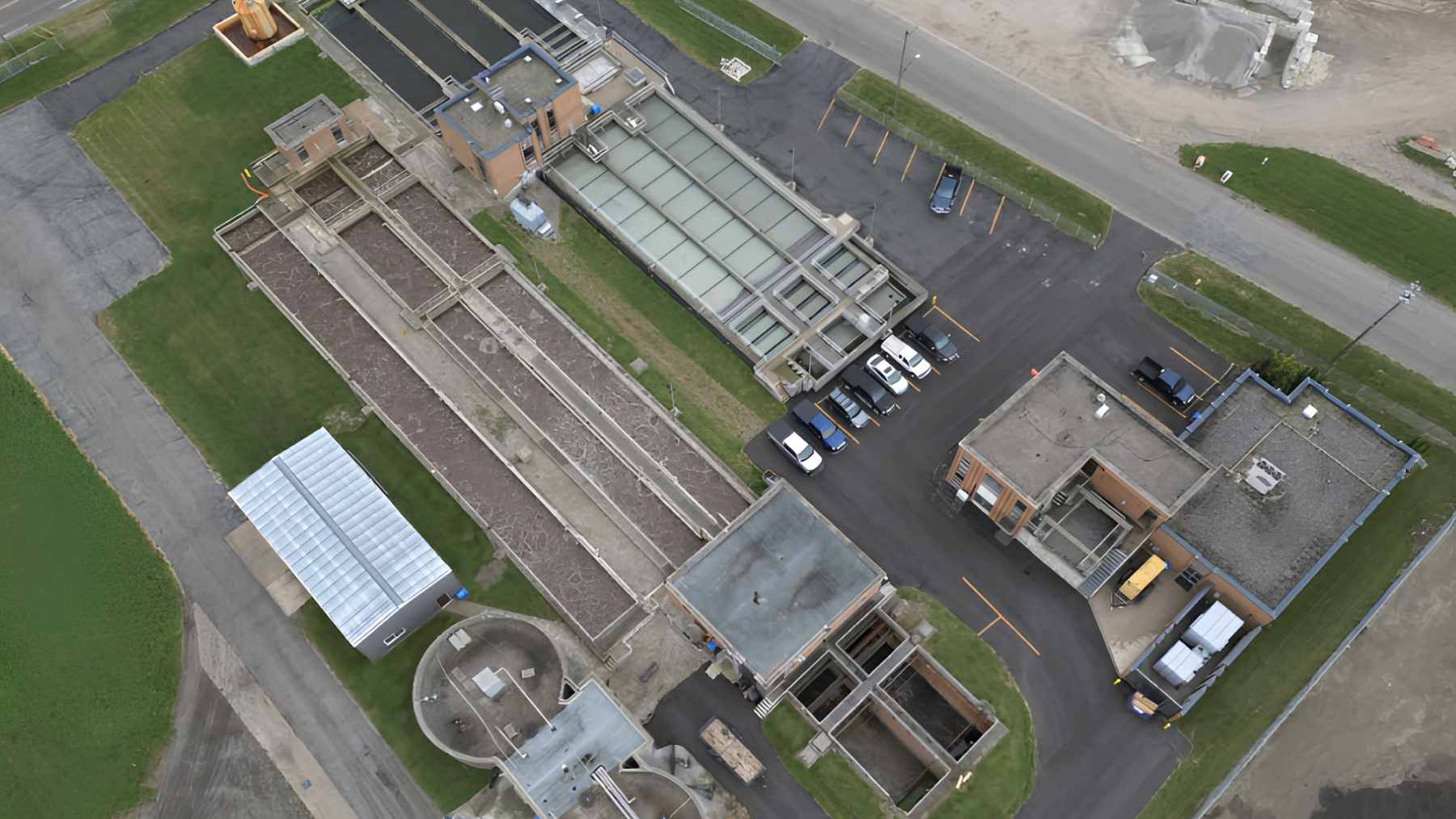
At the center of the dispute is a public-private project with Greenfield Global and the Chatham-Kent Public Utilities Commission that would build an anaerobic digestion facility at 175 Bloomfield Road.
The total cost, converted from the original Canadian budget, is roughly USD $115 million. The question now is simple: how much waste is really coming to this site?
Why councilors want another look
Councilors Alysson Storey, Rhonda Jubenville, Amy Finn and Michael Bondy voted against the April 27 approval and later urged the public to file concerns with Ontario’s Environmental Registry. Bondy said he is not simply against recycling technology, but wants the public process to match the size of the commitment.
“We basically just want to unravel the mystery, which seems quite difficult,” Bondy told CTV News. For many people, that is the everyday part of the issue. A green project may sound good on paper, but taxpayers still want to know what is being built near their homes and who carries the risk.
The council vote itself was decisive. Chatham-Kent says council approved the project 14 to 4 on April 27, 2026, after several years of planning, technical studies, financial reviews, and earlier council approvals.
The number causing the noise
The council information cited by opponents described about 408,000 wet tons of organic waste a year, while the Ontario filing says the facility would be designed for an average of about 884,600 tons yearly. The same filing lists a maximum near 992,000 tons per year.
That gap is what turned a clean-energy story into a public-confidence story. To residents, this is not a tiny math issue. More material can mean more trucks, more odor concerns, more attention to runoff, and more questions about who is watching the plant once it opens.
The municipality says the project has not changed, with Darren Galbraith, general manager of the Chatham-Kent Public Utilities Commission, saying the 408,000 tons figure refers to primary organic feedstock digestion capacity.
He said another roughly 496,000 tons would be a separate industrial wastewater stream already generated on site. That stream would be treated before discharge to the sewer, according to the local report.
What the plant would do
The proposed facility would use anaerobic digestion, a process in which microorganisms break down organic material without oxygen. In practical terms, waste becomes biogas that can be upgraded into renewable natural gas, and leftover digestate can be used as fertilizer when it meets regulatory standards.
It sounds technical, but the idea is fairly familiar. Instead of sending organics to a landfill, a community tries to squeeze energy and soil value out of material that would otherwise be discarded. That is the compass behind many waste-to-energy plans.
The official environmental filing places the processing site on roughly 13 acres at 175 Bloomfield Road and says it would take non-hazardous waste from several Ontario sources.
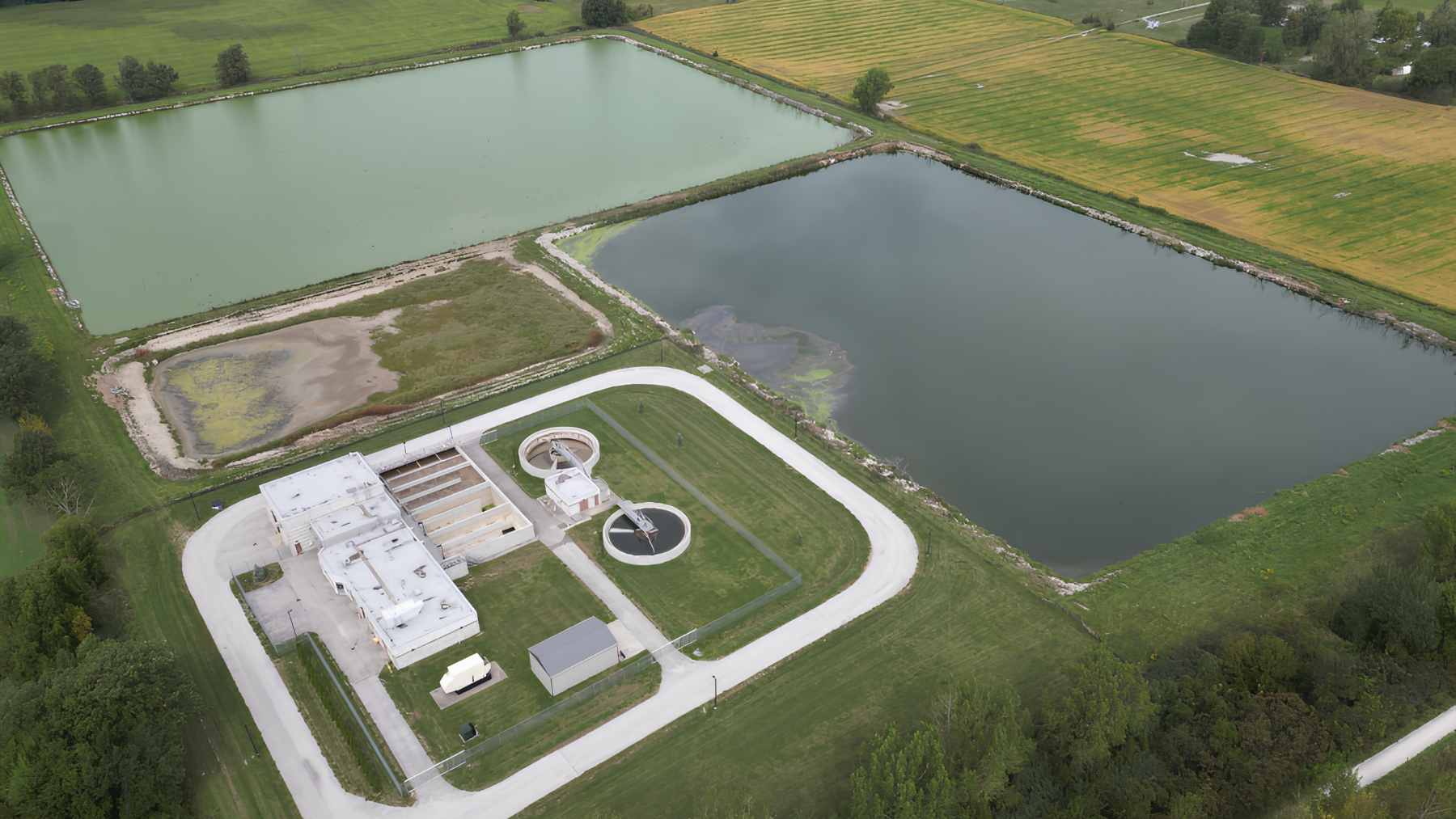
A separate sewage filing says stormwater would be managed through a pond and ultimately reach the Thames River through a roadside ditch. For people nearby, those details matter because a clean-energy project still lives in a real neighborhood.
The business case
Chatham-Kent’s public page frames the project as both a climate move and a financial move. The municipality says it has secured about $43 million in federal and regional funding and has approval for up to about $18 million in long-term financing from Infrastructure Ontario. The balance, expected to be about $43 million to $50 million, would come from commercial lenders.
This is where the story moves beyond pipes and tanks. Under the ownership model, Chatham-Kent would hold 40% through a municipal services corporation, while Greenfield Global would own 60%. The municipal investment is about USD $11.5 million, with projected dividends of about $88.5 million over 30 years, by local estimates.
That could be a meaningful return for a local government. However, as critics point out, it also depends on execution, market conditions, future policy, and public confidence. At the end of the day, renewable gas still has to work as a business.
The climate promise
Anaerobic digestion has a real environmental case. The U.S. Environmental Protection Agency lists landfill diversion, renewable energy generation, soil-health benefits, manure management, and methane-emissions reduction among the benefits of properly run projects.
But the keyword is “properly.” Researchers who study biogas systems warn that methane losses can come from feedstock storage, digestate storage, upgrading equipment, leaks, and maintenance events. That is why monitoring and leak detection are not small details.
This is the nuance Chatham-Kent now has to carry. A project can be good for the environment to a large extent and still deserve sharper public explanation–both things can be true.
What happens next
The regulatory clock is moving faster than the political argument. The Environmental Registry of Ontario lists the waste approval as a proposal under the Environmental Protection Act, with public comments open for 45 days and closing one minute before midnight on June 4.
For supporters, the plant is a chance to turn industrial and municipal waste into renewable natural gas, cut landfill use, and create local jobs by the end of 2028. For critics, the same plan has become a test of transparency, especially because the numbers people see in council documents and provincial filings appear so different.
So, what should residents keep in mind? The debate is not simply whether waste-to-energy is good or bad, but whether Chatham-Kent has explained the scale, traffic, wastewater handling, financing, and environmental safeguards clearly enough before the project moves into its next phase.
The official proposal was published on the Environmental Registry of Ontario.