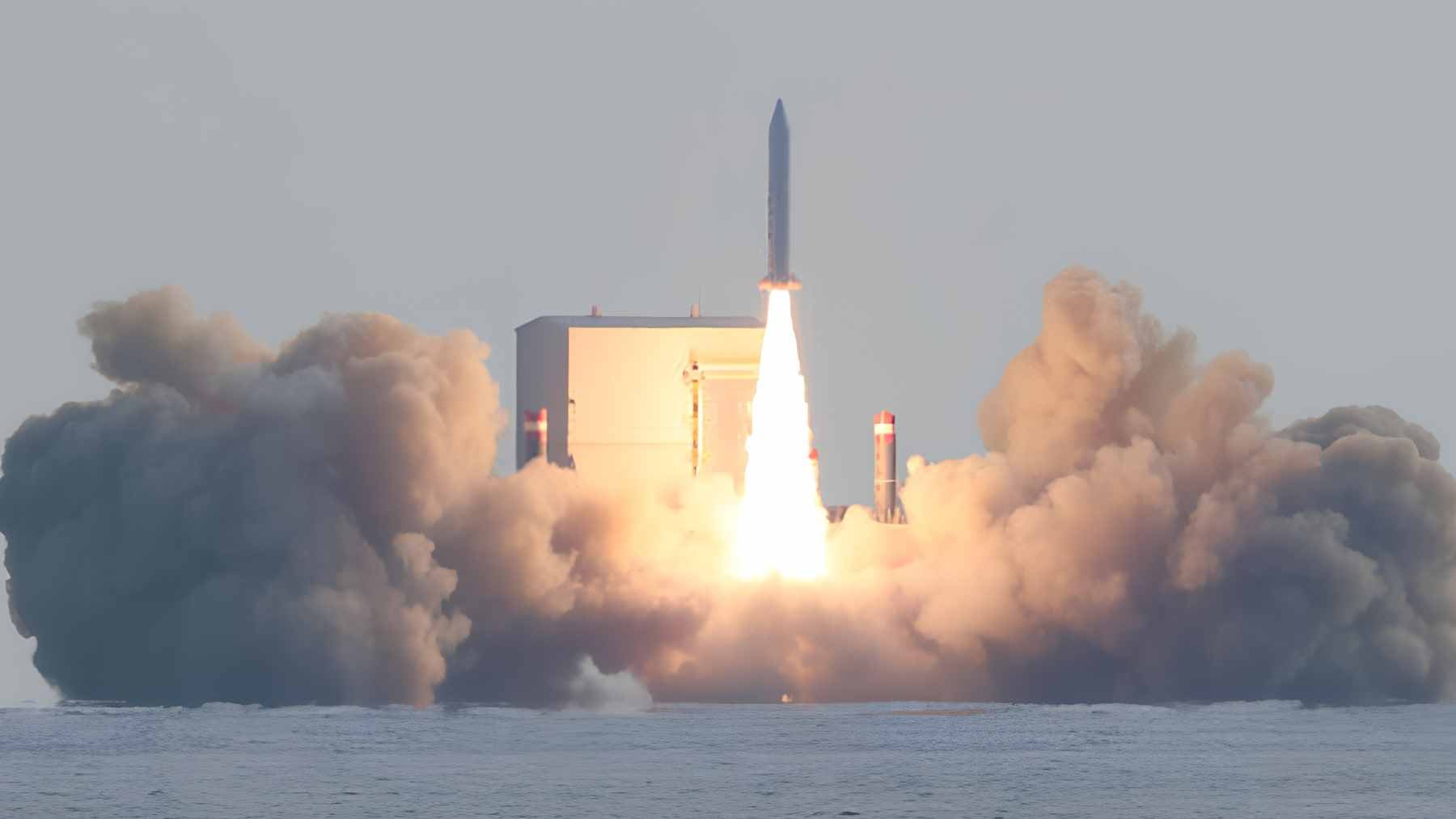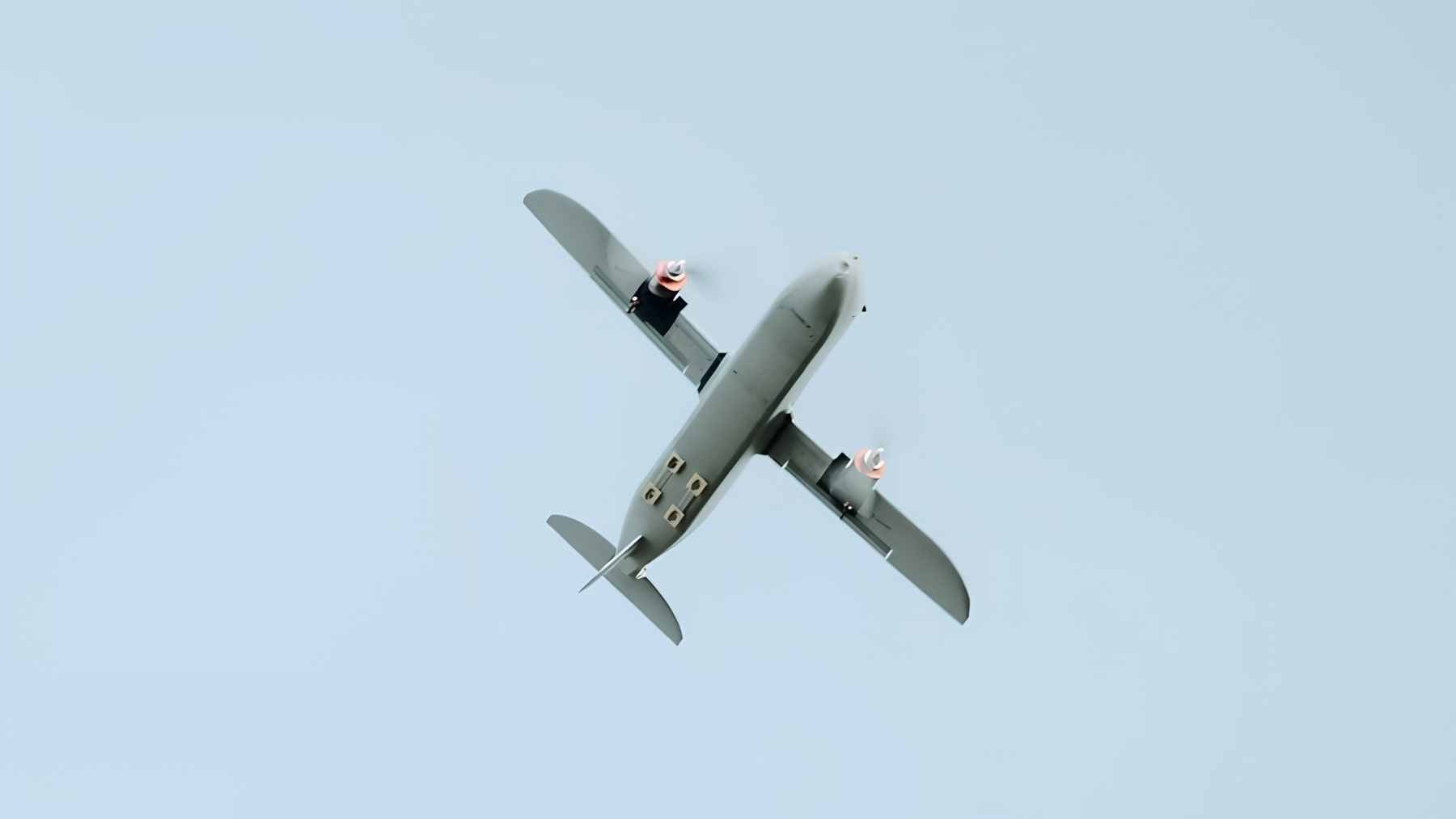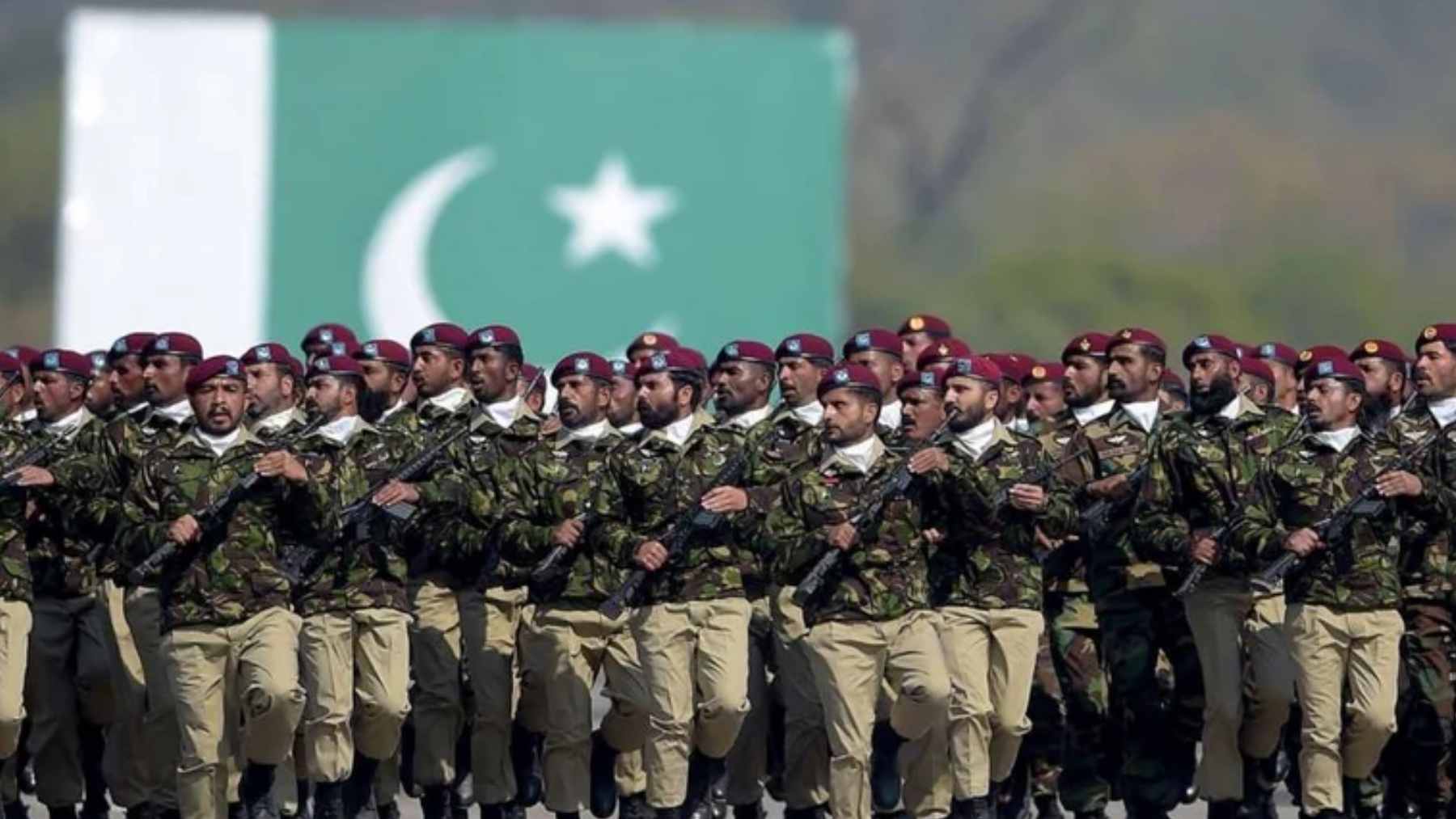
Saudi Arabia’s latest security boost is not just about soldiers and jets. Pakistan has reportedly deployed around 8,000 troops, a full squadron of fighter aircraft, drones and a Chinese HQ-9 air defense system to the Kingdom under a mutual defense pact, turning a quiet alliance into something much more visible.
Why should anyone outside the military world care? Because the Gulf’s energy map is also an environmental map. When oil terminals, petrochemical sites or power networks come under threat, the damage can move quickly from strategy rooms to smoke in the sky, tanker delays and the electric bill.
A defense pact turns visible
Pakistan and Saudi Arabia signed their Strategic Mutual Defense Agreement in September 2025, with a joint statement saying the pact aims to strengthen joint deterrence. The same statement said “any aggression against either country shall be considered an aggression against both.”
Saudi Arabia later announced that a Pakistani military force had arrived at King Abdulaziz Air Base under that agreement. The Saudi Defense Ministry said the force included fighter and support aircraft and was meant to raise coordination and operational readiness between the two armed forces.
Reuters now reports that the wider deployment includes around 16 aircraft, mostly JF-17 fighters made jointly with China, plus two drone squadrons and an HQ-9 air defense system. The news agency also said Pakistan’s military and foreign office, as well as Saudi Arabia’s government media office, did not respond to requests for comment.
Why energy sites change the stakes
Saudi Arabia is not just another country on the regional security map. In 2023, it exported 7 million barrels per day of crude oil and accounted for 34% of OPEC crude exports, while 42% of the crude moving through the Strait of Hormuz came from Saudi Arabia, according to the U.S. Energy Information Administration.
That is why a missile alert in the Gulf is never only a military alert. A strike near an oil tank, refinery, pipeline or port can threaten workers, coastal waters and air quality, even before markets start reacting.
Recent energy data shows how fast the pressure can build. Reuters reported that Saudi crude exports dropped to a record low in March, based on JODI data since 2002, while the International Energy Agency said the Middle East war had disrupted nearly 20 million barrels per day of crude and product exports.
The tech signal behind the deployment
At first glance, a fighter squadron looks like muscle. In practical terms, it is also a message.
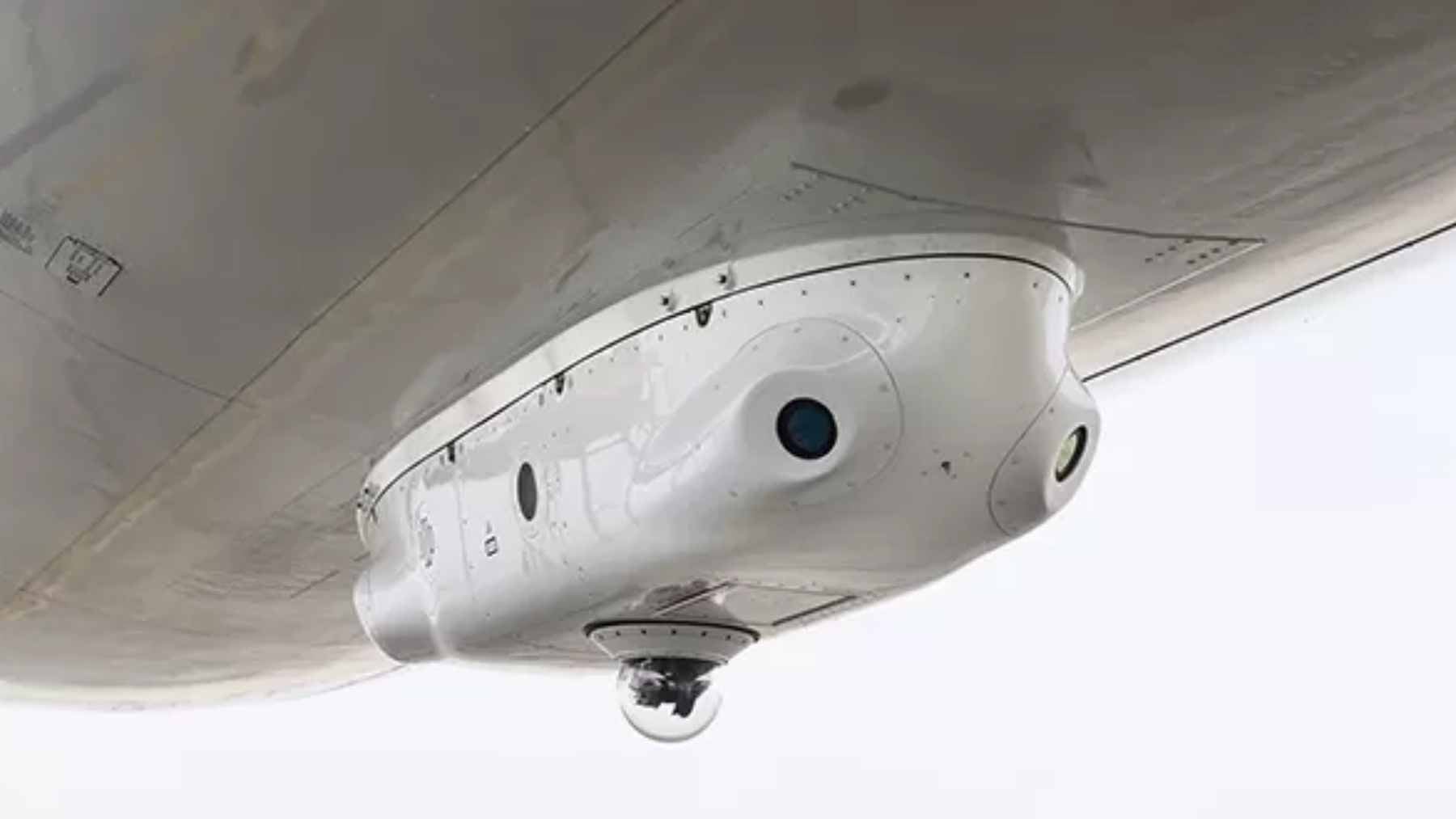
The JF-17 jets, drones and HQ-9 system point to layered defense, with aircraft, sensors and air defense batteries working together rather than a small training mission. Reuters said Saudi Arabia is financing the deployment and Pakistani personnel are operating the equipment.
Is this training, combat support or both? Two security officials told Reuters the deployed personnel would mainly advise and train during the current situation, but several sources also described the force as combat-capable and intended to support Saudi Arabia if the Kingdom comes under further attack.
Pakistan is trying to stand in two places
The difficult part is Pakistan’s role as mediator. Reuters reported that Islamabad has served as the main mediator in the Iran war and helped broker a ceasefire between Washington and Tehran, even as its pact with Riyadh requires defense cooperation if Saudi Arabia is attacked.
That puts Pakistan in a narrow lane. A mediator usually tries to keep the bridge open, but this agreement pulls Islamabad closer to one side if the conflict spills toward Saudi territory.
Still, deterrence can work without a shot being fired. If the deployment convinces potential attackers that Saudi energy sites are harder to hit, it may reduce the odds of another environmental and economic shock.
The environmental pressure point
Saudi Arabia’s energy transition is still in the background of this military story. The EIA said the kingdom generated an estimated 453 terawatt-hours of electricity in 2023, with 62% from natural gas, 38% from oil and less than 1% from renewables. It also listed 2.8 gigawatts of installed renewable capacity at the end of 2023 and more than 21 gigawatts of planned renewable projects as of mid-2024.
Those numbers matter when conflict limits fuel choices. Reuters reported that Saudi Arabia is expected to burn more imported fuel oil for power this summer after oilfield shutdowns reduced natural gas supply, a move analysts described as a setback to the Kingdom’s cleaner fuel shift.
In everyday terms, that means summer heat, power demand and security policy are connected. Air defense near an energy corridor may protect cities from missiles, but it also shields a system still tied to oil-fired electricity, desalination and emergency fuel use.
What to watch next
The big question is no longer whether Pakistan can send forces to Saudi Arabia–it already has.
The question is whether this deployment deters attacks or becomes one step in a larger regional buildup. Reuters reported that the confidential pact could allow up to 80,000 Pakistani troops to be sent and may also involve Pakistani warships, though the agency said it could not determine whether any had reached Saudi Arabia.
For now, the Gulf’s military, business and environmental risks are moving together. The same radar watching for drones may also be protecting a refinery, a tanker route, a desalination network and the air people breathe.
The official statement was published on Saudi Press Agency.