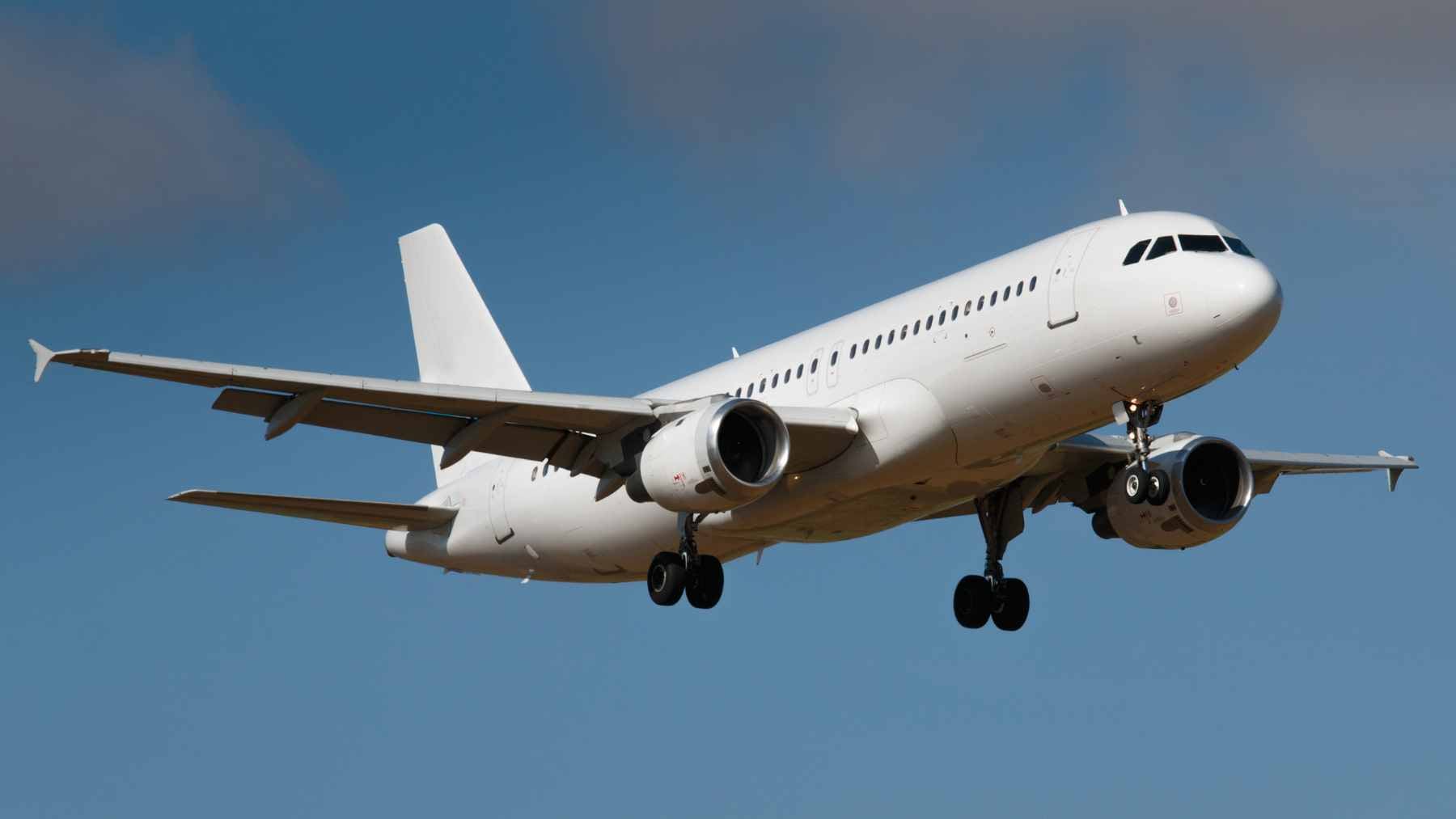
Pick a window seat on your next flight and look closely at the pane. Near the bottom, you may spot a tiny hole that looks like damage at first glance. A May 10, 2026 report from Lrytas.lt says it is actually a “bleed hole” (also called a “breather hole”), built into the middle layer of a three-pane airplane window to manage pressure and moisture.
That detail is about safety, but it also tells a bigger story about aviation in 2026. Flying is still a relatively small slice of global CO2 emissions, yet it is climbing again as passenger demand rebounds.
In 2023, aviation produced over 1 billion tons of CO2, about 2.5% of global energy-related CO2 emissions, and that is why cleaner fuels and smarter operations are now a boardroom topic, not just a climate one.
A window built for pressure
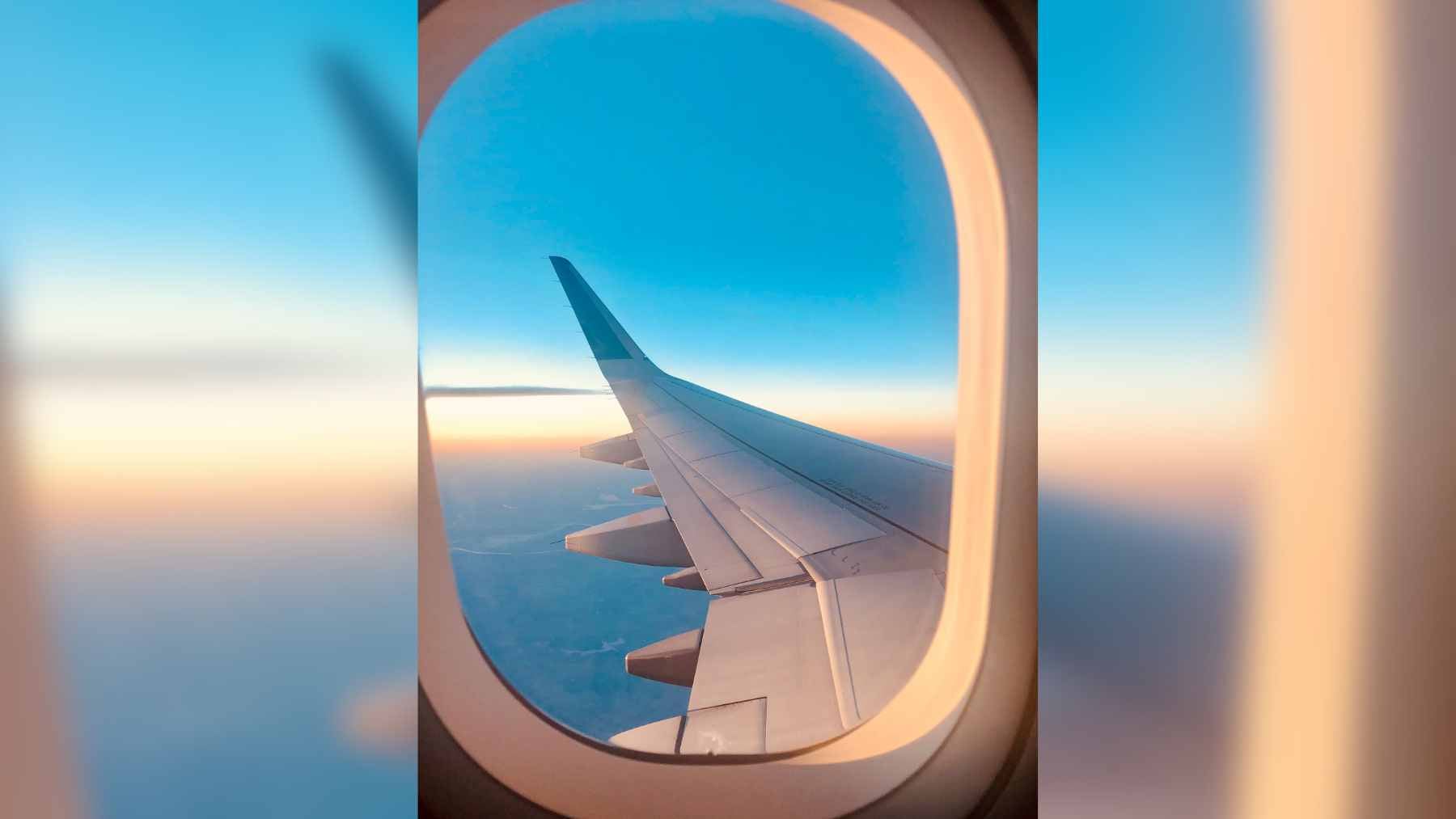
Airplane passenger windows are typically made with multiple panes, with the outer pane designed to take the brunt of the pressure difference at cruising altitude. Lrytas.lt describes a three-layer setup where the small hole sits in the middle pane, allowing the air space between panes to equalize slowly so the window structure stays stable.
That is why it is not a defect, but part of the design.
The same hole also helps keep your view clear. By letting moisture escape from between the layers, it reduces condensation and fogging, which is why you can still take photos even when it is cold outside at altitude.
Lrytas.lt also points to another subtle marker some passengers notice, a black triangle above certain windows that can help crew quickly find the wing area for a visual check.
None of this “fixes climate change,” but it shows how aviation survives on small, disciplined engineering choices.
When hardware lasts longer and visibility stays reliable, airlines avoid a bit of material waste, a bit of extra maintenance, and sometimes the kind of delay that keeps a jet idling at the gate while everybody refreshes their boarding app. Small savings add up when millions of flights are involved.
The climate math behind a flight
Here is the part many travelers miss because it is not visible from the window seat. The International Energy Agency estimates aviation accounted for 2.5% of global energy-related CO2 emissions in 2023, and emissions were close to pre-pandemic levels as international travel continued to recover.
The IEA also notes aviation was a driver of rising oil demand, with aviation emissions surging by roughly 5.5% in 2024 amid record passenger demand.
And CO2 is not the whole footprint. Our World in Data points out that while aviation is about 2.5% of global CO2 emissions, its total contribution to warming to date is closer to 4% once you factor in non-CO2 effects like contrails and other high-altitude impacts. That is one reason policy makers keep pushing on both fuel and flight operations.
So where do those operations come in? Weight matters, routing matters, and even “tankering” (carrying extra fuel to avoid buying it at a pricey airport) matters, because hauling unnecessary fuel burns more fuel. It is a lot like driving around all week with an overloaded trunk, except the “trunk” is jet fuel and the bill is paid in emissions.
Business bets on cleaner jet fuel
Europe is trying to force the market forward with binding rules. The European Commission’s ReFuelEU Aviation framework sets a minimum 2% share of sustainable aviation fuel (SAF) at EU airports from 2025, ramping to 70% by 2050, and it also sets targets for synthetic aviation fuels over time.
The same policy package aims to curb tankering by requiring airlines to uplift the fuel needed for the flight, reducing emissions tied to carrying extra weight.
The catch is supply, and the price tag that comes with it. IATA said SAF production in 2025 would reach about 12.1 million tons and represent only 0.6% of total jet fuel consumption, rising to about 0.8% in 2026 as production growth slows.
IATA also estimated the SAF price premium translated into an additional $3.6 billion in fuel costs for the industry in 2025, which explains why airlines talk about SAF with equal parts urgency and frustration.
That is also why the tech side is heating up, not just the fuel side. Delta has backed JetZero’s blended-wing-body demonstrator work with operational support, chasing a design that could reduce fuel burn and noise if it can clear certification hurdles.
The European Commission also notes today’s “drop-in” SAF blends are certified up to 50% in current technology, with research aimed at higher blends over time.
Defense and security have skin in the game
Military aviation is not outside this conversation, even if it is often less visible to the public. In the UK, an official parliamentary answer on December 18, 2024 stated that “from 1 January 2025 all aviation fuel procured will include SAF” as part of the UK SAF mandate and the government pathway to net-zero aviation.
The RAF has also highlighted operational testing, including an RAF Voyager trial of 100% sustainable aviation fuel in November 2022.
Industry is moving in parallel on the defense side. Boeing said in July 2024 it released guidance to defense customers that Boeing-built military aircraft can operate on sustainable aviation fuel at currently approved limits of up to a 50% blend with conventional fuel.
NATO has also framed climate and energy resilience as a security issue, and its published material on climate change and security includes work on alternative fuels, including sustainable aviation fuel for aircraft.
If a pinhole can keep a window stable at 35,000 feet, what is the aviation industry’s “breather hole” for emissions as regulations tighten and fuel markets strain? For the most part, it looks like a mix of unglamorous engineering, hard procurement math, and policy that tries to push the whole supply chain at once.
The official overview was published on European Commission Mobility and Transport.