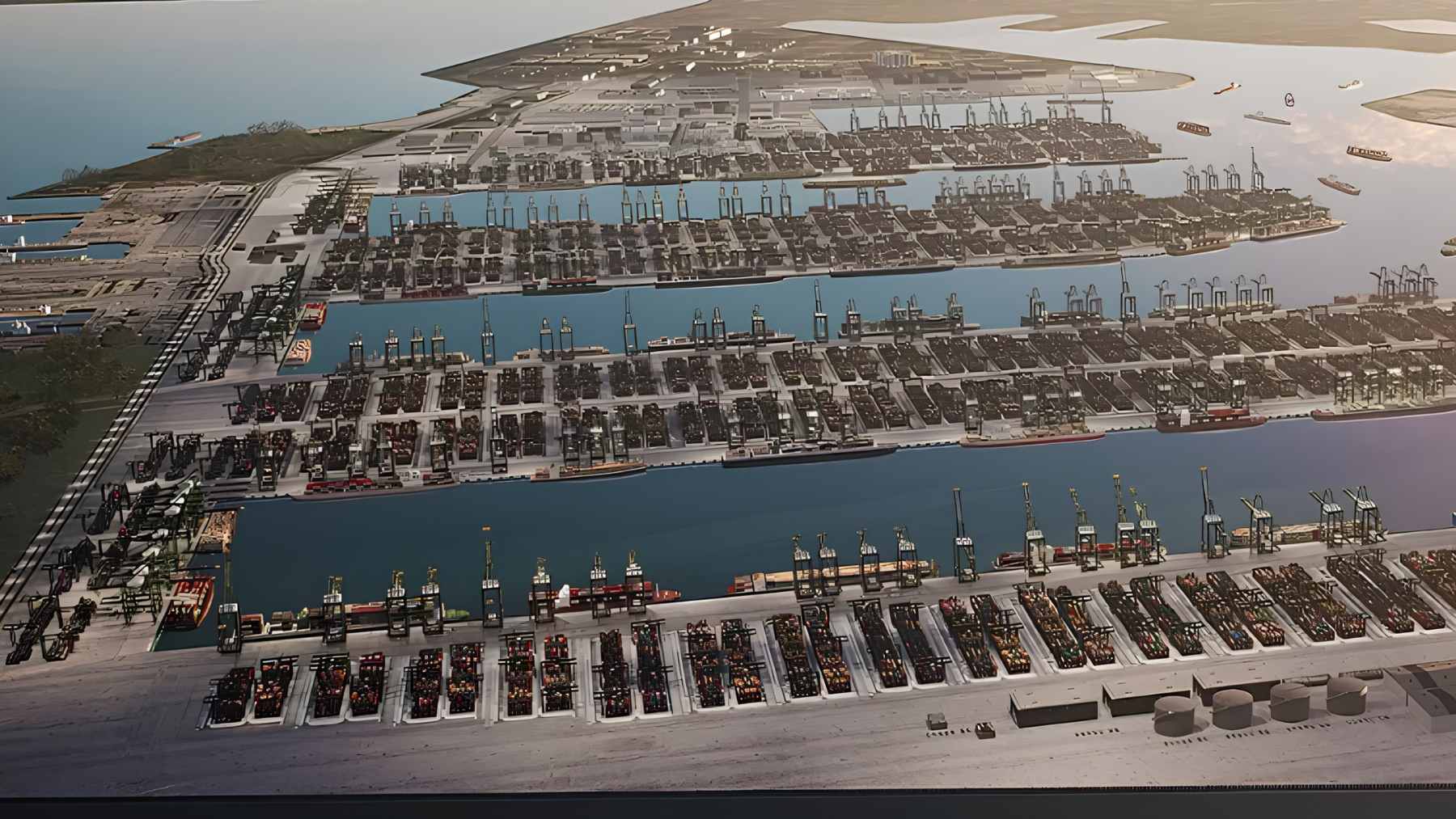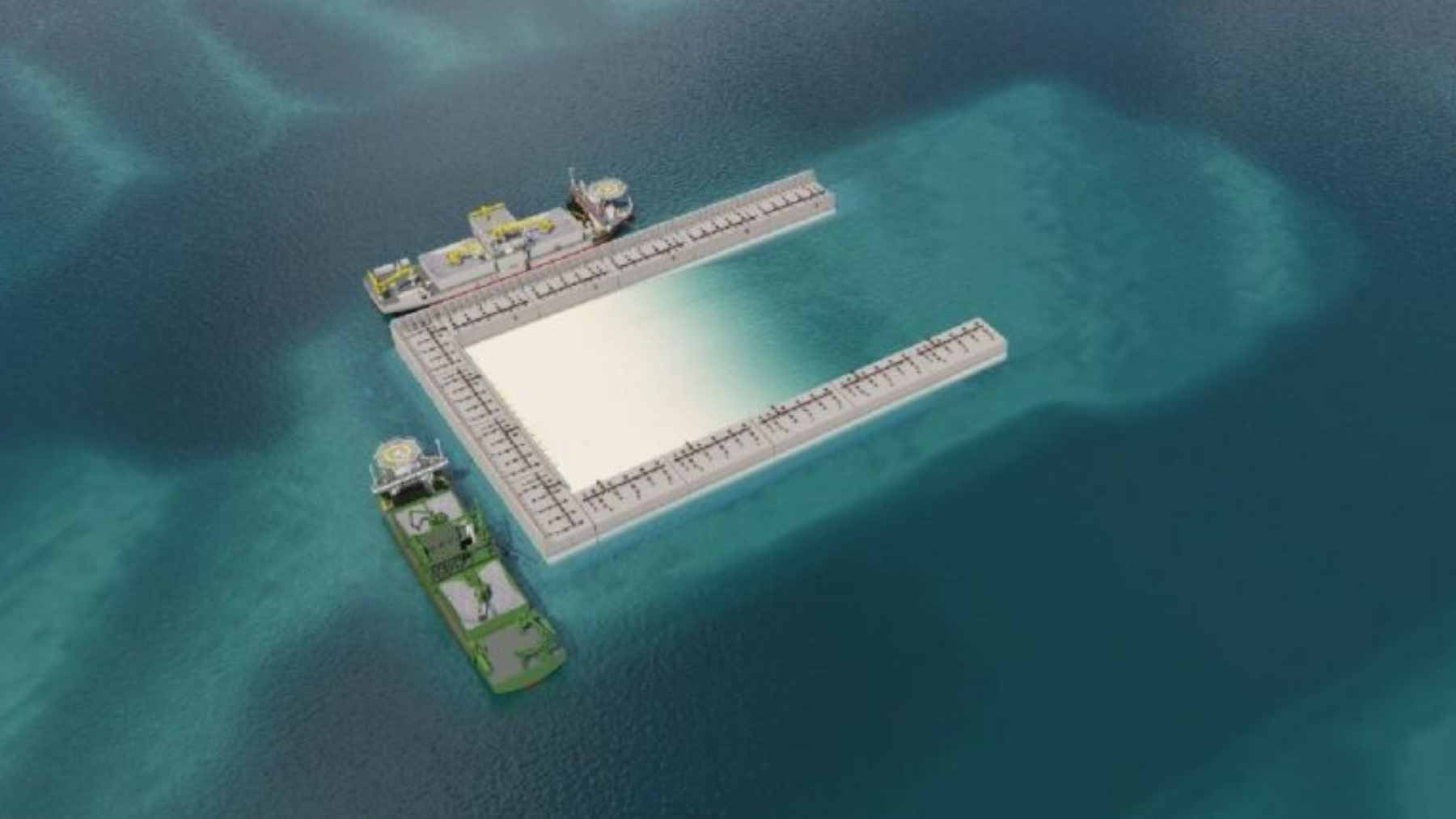
Belgium is literally building an island to move more offshore wind power to shore. In late January 2026, marine contractor DEME said it had completed and floated the last of 23 massive concrete “caissons” for Princess Elisabeth Island, with offshore installation set to continue afterward.
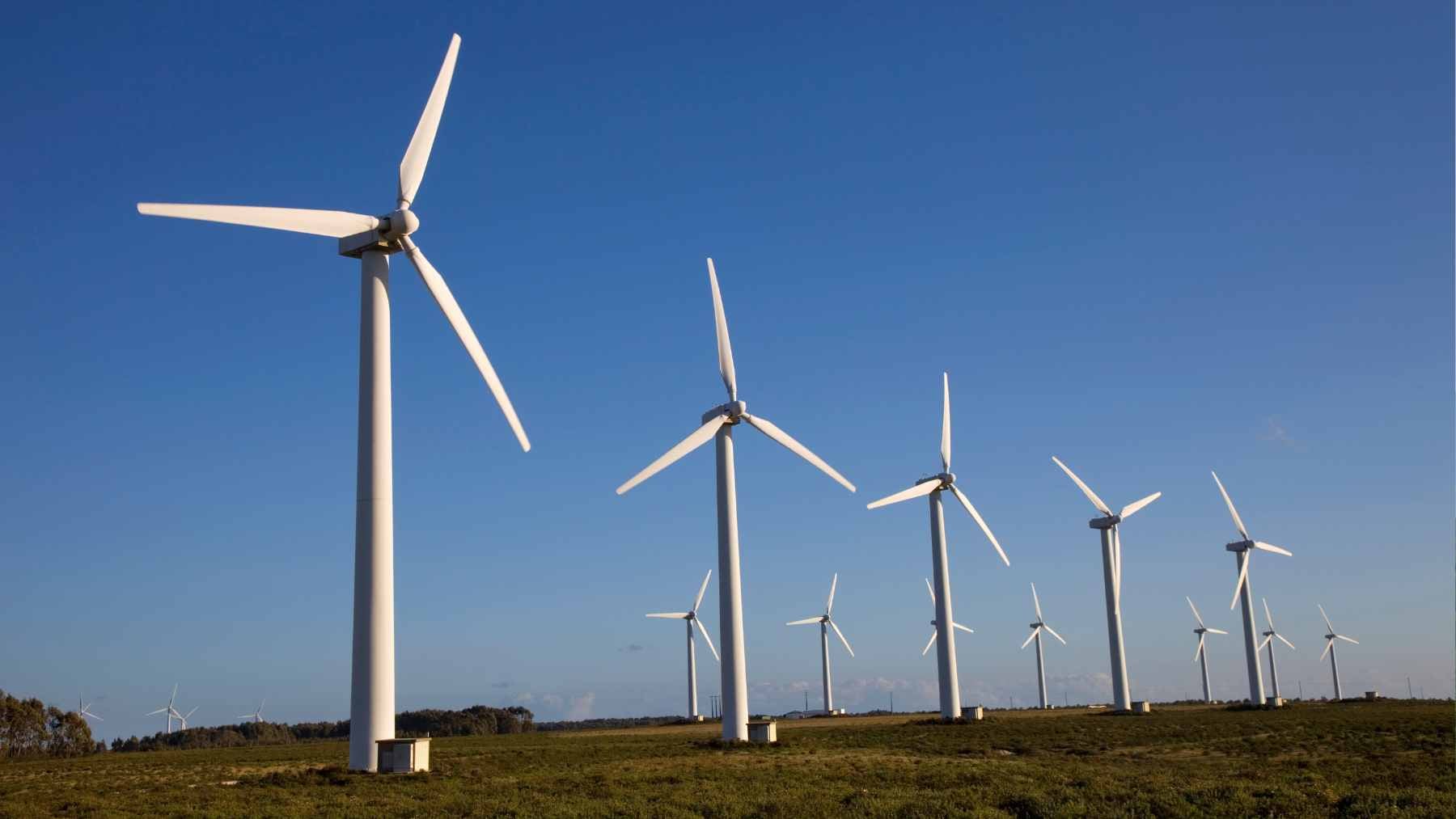
At the end of the day, this is not just an engineering flex. European Investment Bank material says the island is meant to help integrate 3.5 gigawatts of additional offshore wind capacity into Belgium’s grid, while early build phases are tied to at least 2.1 gigawatts from new farms in the Princess Elisabeth Zone.
That could show up as cleaner power on the electric bill, but it also concentrates hardware that has to be protected at sea.
A power island takes shape
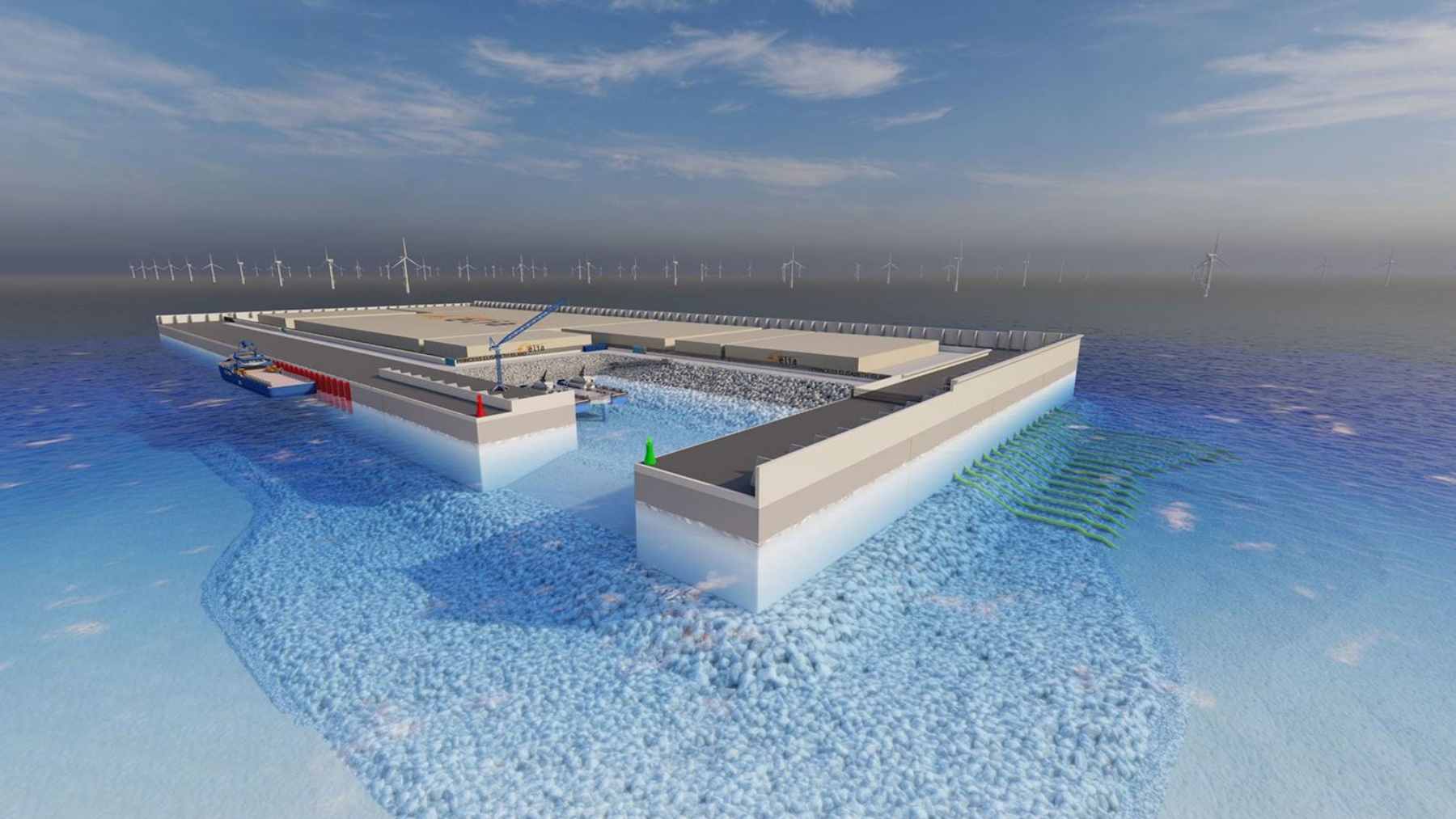
The site sits about 45 kilometers (around 28 miles) off the Belgian coast, and the outer wall is being assembled from hollow concrete caissons that weigh roughly 24,000 tons each. Reports on the build put some caissons at about 58 meters long and 28 meters wide, with heights that vary depending on the storm wall.
After the final caisson was floated in Vlissingen, DEME said the units were moved to the Scaldia terminal for finishing work before more offshore installation resumes.
These pieces do not simply get “dropped” onto the seabed. They have to be aligned into a continuous ring that can absorb waves and protect the equipment inside, and then the interior gets filled with sand and protective layers.
EIB documents describe the caissons as foundations that will be sunk at sea and filled with sand before the high-voltage infrastructure is installed.
The grid tech behind the “superisland”
Princess Elisabeth Island is designed to host both high-voltage alternating current (HVAC) and high-voltage direct current (HVDC) infrastructure. HVAC is the workhorse for connecting offshore wind farms, while HVDC can make more sense as projects move farther offshore and countries want “hybrid” links that also trade electricity across borders.
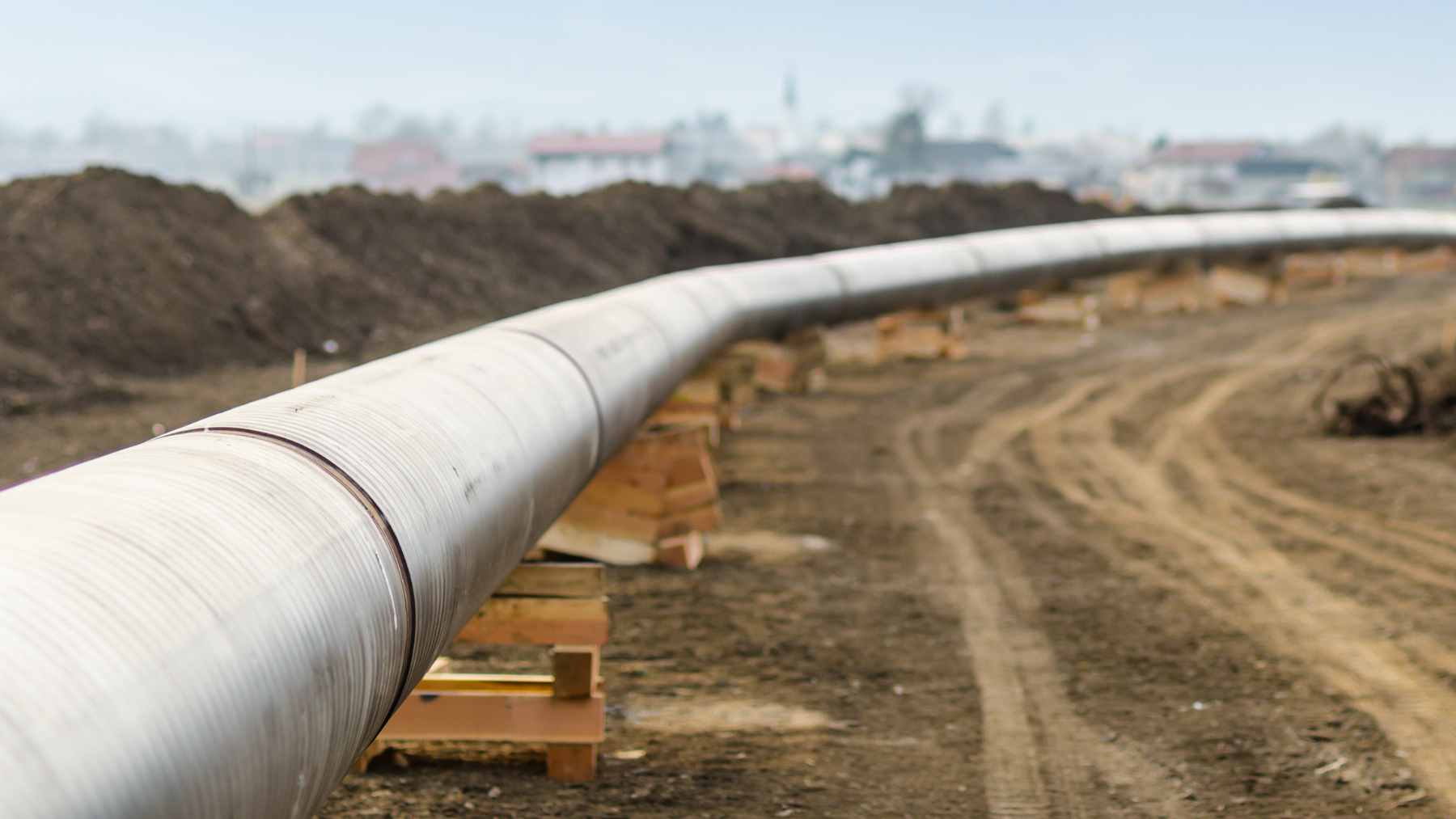
In the EIB’s Phase 2 description, that offshore hub includes a 220 kV substation, transformers, and six three-phase 220 kV cables to shore.
But the tech stack is only as fast as the supply chain behind it. Industry reporting in 2025 said decisions on final HVDC contracts were delayed after price increases, even as other parts of the project continued. That is a good reality check for anyone who assumes the energy transition is mostly software and policy.
Big money is chasing offshore wind
The European Investment Bank signed a €650-million ($753-million) green credit facility to support the first phase of the project, calling the island a key piece of Belgium’s and Europe’s shift away from fossil fuels. On the EIB’s public project sheet for Princess Elisabeth Island, that first phase is listed with an estimated total cost of about €1.105 billion ($1.281 billion).
A second step is already being scoped for the electrical buildout. An EIB summary sheet released in April 2026 lists “Princess Elisabeth Island Phase 2” as under appraisal at about €2.296 billion, with potential EIB financing of €1 billion. It is not a signed deal yet, but it signals how capital-intensive the next chapter could be.
Clean energy is now a defense topic
When your grid starts living offshore, new questions follow. NATO defense ministers decided in early 2024 to set up a “Critical Undersea Infrastructure” network, bringing governments and industry together around the security of cables and other subsea assets. Who watches those assets on a foggy night, or after a suspicious ship lingers in the wrong place?
Governments are also building regional coordination. In April 2024, six North Sea countries signed a joint declaration on cooperation and information sharing to protect energy and telecommunications infrastructure.
The European Commission followed in March 2026 with a Joint Communication aimed at strengthening the security and resilience of submarine cables, a reminder that the clean-energy buildout depends on what happens under the waterline.
The environmental tradeoffs are real
A project that pumps around 2.3 million cubic meters of sand and installs massive concrete walls will always have a footprint, even if the goal is cleaner electricity.
The EIB says the island includes a “nature-inclusive design” element intended to foster biodiversity and support marine life, and its Phase 2 documentation notes that the project was subject to environmental assessment and permitting.
For readers, the main thing to watch is whether this model proves both efficient and resilient. Princess Elisabeth Island is trying to be a climate tool, a business project, and strategic infrastructure all at once, and there is very little margin for error out at sea.
The official project sheet for Phase 2 was published on European Investment Bank.