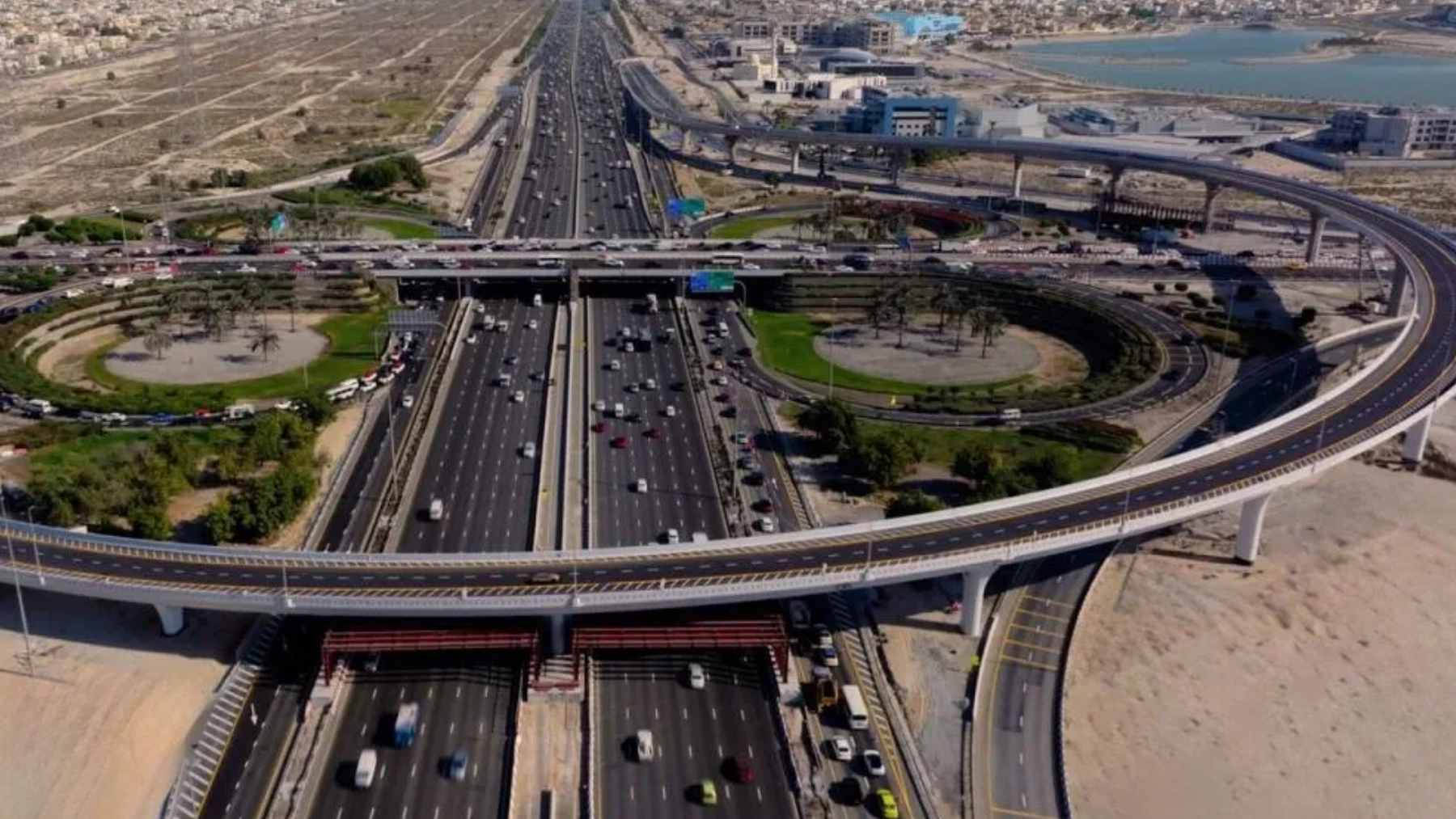
Bangkok is trying a new way to pave roads that leans on data, not guesswork. On May 10, 2026, city officials announced Thailand’s first pilot use of a “3D Control System” to resurface asphalt on three major overpasses that have struggled with uneven pavement and recurring standing water.
It sounds like a small tweak, but it points to a bigger idea. If cities can shape road surfaces with high precision, they can help rainwater drain more effectively, reduce repeat repairs, and make commutes safer when heavy rain hits at the worst possible moment.
A flood problem hiding in plain sight
Urban flooding usually brings to mind canals, pumps, and big drainage tunnels. For most drivers, it shows up as something far more ordinary, a shallow puddle that turns a lane into a slippery surprise and adds another delay to an already long trip.
That everyday nuisance is tied to a real climate risk. The World Bank’s 2025 Thailand Country Climate and Development Report said urban flooding risks in Thailand are among the highest in the world, and it flagged Bangkok as especially vulnerable because so much economic activity is concentrated there.
How the 3D paving system works
Bangkok’s Metropolitan Administration said the process starts with 3D-laser scanning that maps the existing surface and helps spot depressions, distorted slopes, and areas likely to hold water. Engineers then redesign the road surface in a 3D model, including the profile and slope needed for efficient drainage, before sending that model to the paving equipment.
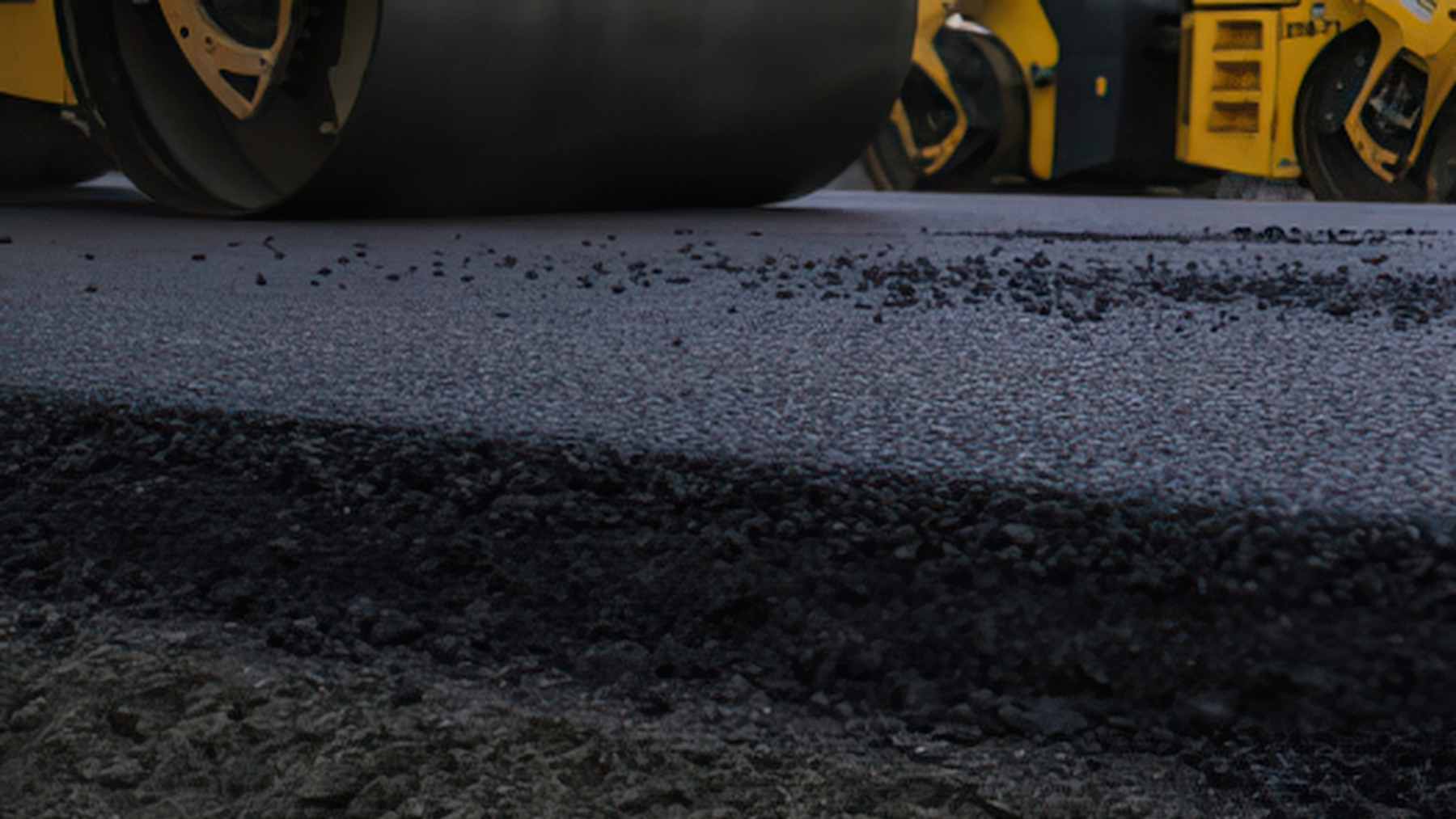
During paving, a robotic total station tracks the paver’s position and helps the machine adjust its leveling unit automatically, so the asphalt is laid to the new design. In plain terms, the city is trying to stop “new” pavement from copying old waves and ruts.
Climate benefits that add up
Is a smoother road really an environmental story? It can be, mostly because better geometry can mean less material and fewer do-overs. Bangkok says precise control can reduce unnecessary asphalt use, create smoother transitions, and extend pavement life by distributing vehicle loads more evenly.
The fuel and emissions side is starting to get harder numbers, even if results vary by traffic mix and road grade. A 2026 before and after study on Madrid’s M-50 motorway found that a 27% reduction in pavement roughness was associated with about 10% decreases in fuel consumption and CO2 emissions per vehicle.
Bangkok did not attach an emissions figure to this pilot announcement, and it should not pretend to. Still, the direction of travel is clear: smoother surfaces can reduce energy waste that drivers usually pay for at the pump.
Business, data, and the IRI test
This pilot is also about measurement and accountability. After construction, Bangkok says it will rescan the finished pavement to create an “as built” profile and calculate the International Roughness Index (IRI) to confirm the quality meets city specifications.
IRI matters because it turns ride quality into a comparable number across projects. An American Concrete Pavement Association guide describes IRI as a widely used roughness statistic that summarizes how a pavement profile affects a passenger car’s response, computed from a longitudinal profile using a quarter car simulation.
For contractors and suppliers, that kind of metric can change the business model. It rewards consistent performance, supports bonus and penalty clauses, and creates a digital record that can guide the next maintenance cycle instead of relying on complaints alone.
Resilience and the defense angle
Roads are civilian infrastructure, but climate stress does not care who uses them. When flooding shuts down a key junction, it slows buses, delivery trucks, ambulances, and emergency crews all at once, and that is a resilience problem before it is anything else.
Defense planners have been making a similar point for years about the systems they depend on. A U.S. Department of Defense report found recurrent flooding, drought, and wildfires were major concerns across 79 mission assurance priority installations, and it noted that flooding can create access limitations and other logistics-related impairments.
What to watch next in Bangkok
The city is starting where precision is hardest, including Khlong Tan and Lam Sali, plus the parallel elevated road along Borommaratchachonnani. Officials say they plan to expand the 3D-control approach to more main and secondary roads across Bangkok if the pilot performs well.
The toughest question is whether this will still work during the next major storm, when drains clog and rainfall overwhelms local capacity. A perfect slope cannot replace citywide drainage upgrades, but it can make every inch of pavement do its job a little better.
The press release was published on Bangkok Metropolitan Administration PR Office.