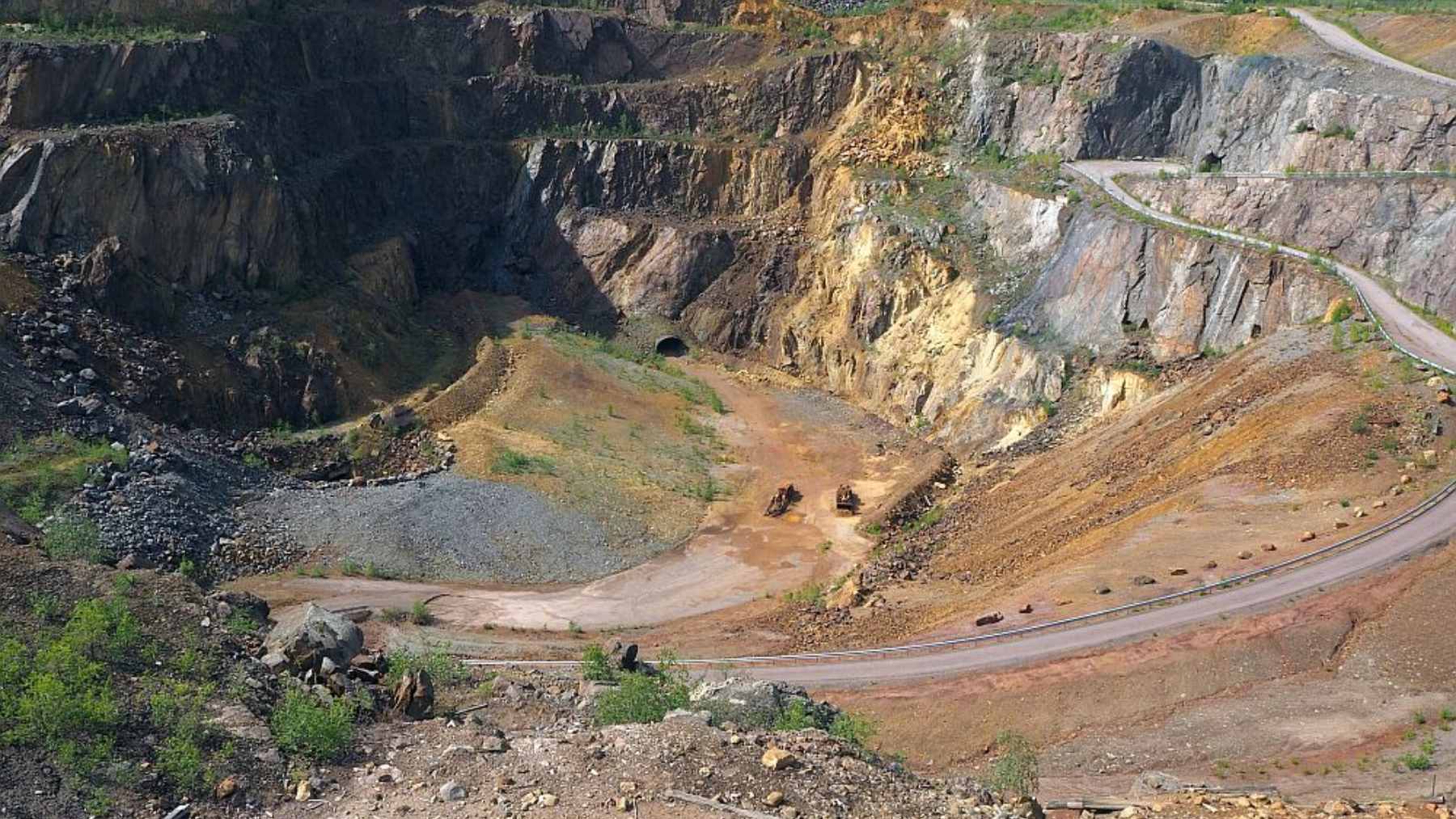
Sweden has taken a major step toward reviving copper mining in Stekenjokk, a remote mountain area near the border between Västerbotten and Jämtland.
The government has granted Bluelake Mineral’s subsidiary Vilhelmina Mineral an exploitation concession for Stekenjokk, while confirming the nearby Levi concession, but the mine still needs environmental approval before any actual extraction can begin.
The decision lands at a telling moment. Copper, sometimes described as the “oil of the future,” is becoming one of the key materials behind electric cars, power grids, renewable energy, data centers, and defense technology. Sweden now has 801 valid exploration permits for metals and minerals, and 554 of them involve copper.
Copper is the hot metal
Why all the sudden attention? In practical terms, copper is the metal that helps move electricity from where it is made to where it is used. That means homes, factories, charging stations, and the electric bill all sit somewhere in the same story.
The International Energy Agency says copper already has the largest established market among key energy minerals, with demand projected to grow 30% by 2040 under current policy settings. It also warns that expected mined supply from announced projects could fall 30% short of demand in 2035.
The European Union has noticed. Its Critical Raw Materials Act treats strategic materials as essential for the green and digital transition, as well as defense and space, and sets 2030 benchmarks for extraction, processing, and recycling inside the bloc.
Copper is included as a strategic raw material, even though it does not meet the EU’s usual criticality threshold.
Sweden’s mining map is changing
According to the Geological Survey of Sweden, known as SGU, the country received 152 applications for exploration permits for metals and minerals last year. The biggest number of approved permits went to Västerbotten, followed by Norrbotten, while Kalmar came in third.
That last detail matters because Kalmar is not the obvious mining headline most people expect. SGU says one likely reason is that government-backed mapping has drawn more attention to an area with interesting but underexplored geology. Sometimes, the map comes before the mine.
The strongest growth is not only in copper. SGU also reports a roughly 1,000% increase in permits involving rare earth metals such as yttrium and scandium, along with tantalum. Those materials sit deep inside the hardware of modern life, from electronics to advanced industrial systems.
The Stekenjokk decision
The Stekenjokk case is not starting from zero. Bluelake says about 7 million tons of ore were mined from the Stekenjokk-Levi area between 1976 and 1988, with average grades of 1.5% copper and 3.5% zinc.
The new decision gives Vilhelmina Mineral an exclusive right to move forward with mining plans in the area, but that right is not the same as opening the gates tomorrow morning. Swedish Radio reports that mining would be limited to winter, from November through April, and that the company must consult affected Sámi villages to reduce disruption to reindeer herding.
For Bluelake, the ruling is clearly a breakthrough. CEO Peter Hjorth called it “the most important event” in the company’s history and said the company can now speed up work on environmental permits in both Norway and Sweden.
The green transition has a land problem
Here is the uncomfortable part: the same energy transition that promises cleaner air, quieter streets, and fewer exhaust fumes also needs a lot of metal. That metal has to come from somewhere.
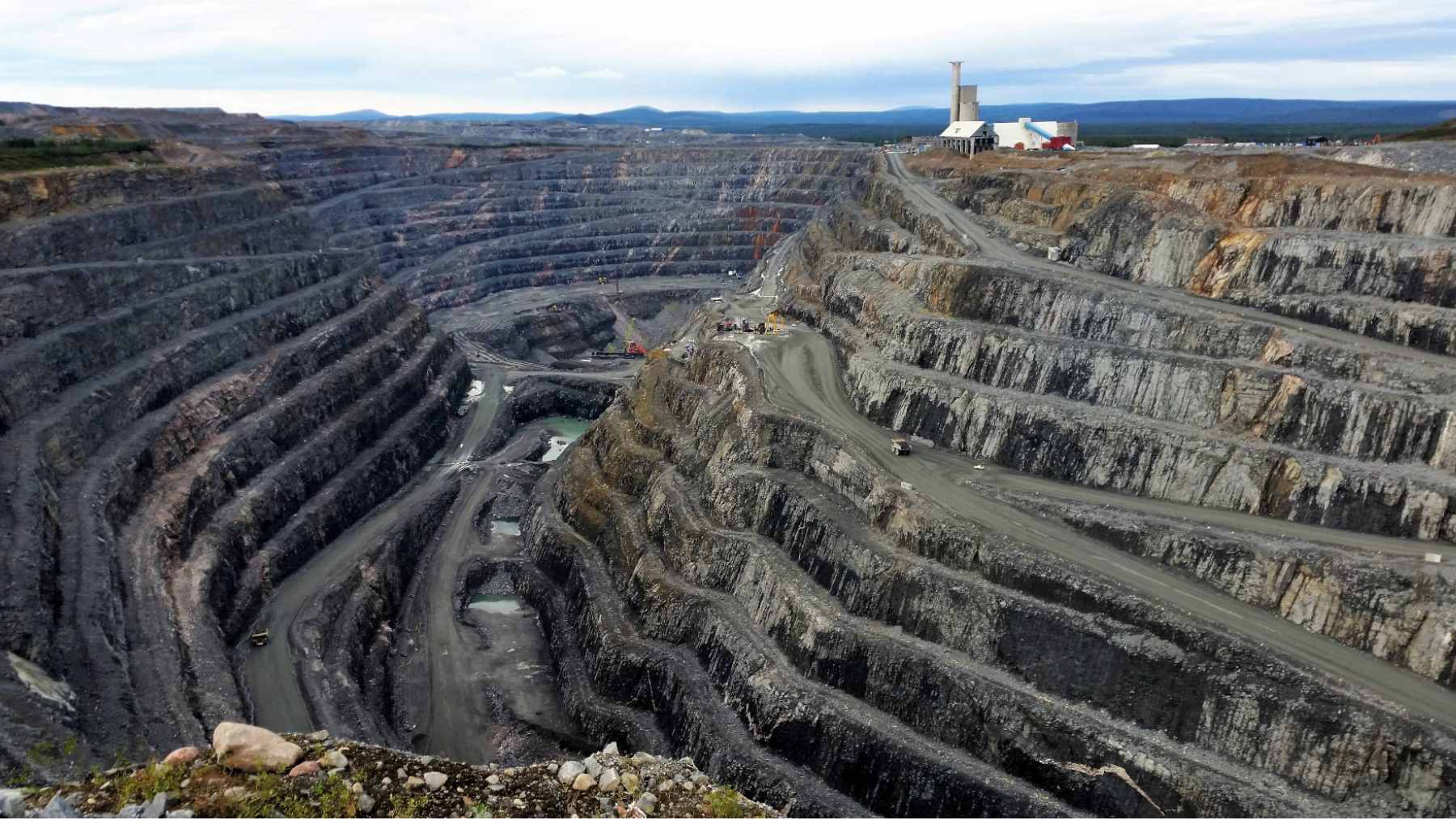
Sweden currently has 13 active mines and 158 valid exploitation concessions, according to SGU. The total area tied to active and potential future mining operations is about 122 km², which SGU compares to the size of Nacka municipality.
That does not mean every exploration permit becomes a mine, far from it. But the direction is clear, and it raises a question that will not go away easily. How much local environmental pressure is Europe willing to accept in order to cut its dependence on imported raw materials?
What happens next
The next major test will be environmental permitting. Before any real mining can begin at Stekenjokk, the project still needs approval from Sweden’s land and environmental court, according to Swedish Radio.
That process will likely focus on water, landscape impacts, transport, winter operations, and the rights of Sámi communities whose reindeer herding routes may be affected. It is the less flashy part of the story, but it is the part that decides whether a political green light becomes a working mine.
At the end of the day, Sweden’s copper rush is about more than one company or one mountain deposit. It is a glimpse of the new resource politics behind clean energy, where the future may be electric, but the ground beneath it is still very real.
The press release was published on BeQuoted.