California just showed what the next phase of clean energy may look like. In late March, the state’s battery fleet discharged just over 12,000 megawatts of power, roughly the output of 12 large nuclear plants, and supplied more than 40% of electricity demand at that moment, according to Inside Climate News.
That may sound like a number for grid experts only, but the meaning is much simpler. Batteries are no longer just backup boxes for blackouts or fancy add-ons to solar panels. They are starting to do the job that gas plants have handled for years, especially in the evening when the sun drops, homes light up, and the electric bill starts to feel very real.
A record with real consequences
For years, the big question around solar power was not whether it worked, it was what happened after sunset. California gets huge amounts of daytime solar, but demand often stays high later in the day, especially during summer heat waves.
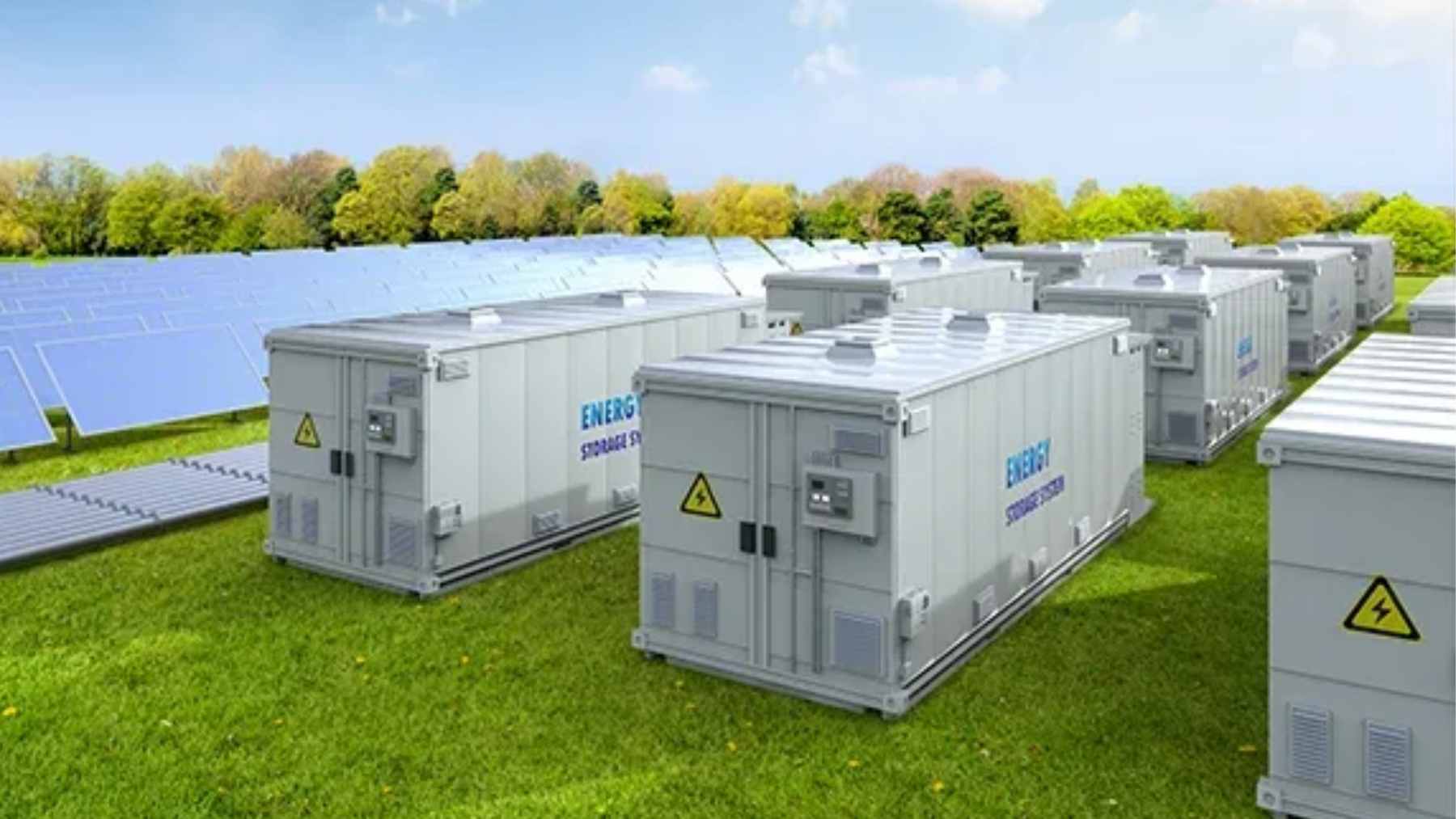
That is where battery storage changes the story. Batteries can charge when solar power is abundant and then send electricity back to the grid during the evening rush, helping reduce the need for fossil fuel plants during peak hours.
California ISO, the grid operator, tracks battery output in its public supply and daily energy storage reports. Its battery trend data is based on five-minute averages, giving operators and the public a close look at how storage is behaving on the grid.
Why batteries are gaining ground
California’s battery build-out has moved fast. The California Energy Commission says battery storage capacity grew from 500 megawatts in 2018 to more than 16,900 megawatts by mid-2025. By the state’s own estimate, California will need about 52,000 megawatts of battery storage by 2045.
That growth matters because California is aiming for 100% clean electricity by 2045. Carbon-free sources already supplied more than 60% of the state’s electricity generation in 2025, according to Inside Climate News, but the last stretch is usually the hardest.
Ed Smeloff, an energy consultant with GridLab, told Inside Climate News that the “most remarkable change” has been the rapid addition of grid-connected batteries. He also said batteries are now helping California move away from relying mainly on natural gas during the evening peak.
The evening peak problem
Think about a normal weekday. People get home, plug in devices, turn on lights, start dinner, run air conditioning, and maybe charge an electric vehicle. Traffic jams may be ending outside, but the energy rush is just beginning inside.
That surge has traditionally been a sweet spot for natural gas plants. They can turn on quickly, but they also bring fuel costs, emissions, and exposure to volatile gas markets.
Batteries are different. Once installed and charged, they can respond quickly without burning fuel at the point of use, which means cleaner power can cover more of the hours when the grid is under pressure.
Business demand is not slowing down
The record also arrives at a difficult time. California’s electricity demand is expected to rise as more drivers switch to electric vehicles, more buildings use heat pumps, and more homes and offices move away from fossil-fuel appliances.
Then come data centers. Smeloff told Inside Climate News that large-scale data center growth, especially around the Bay Area, could add new pressure to a transmission system that was not built for today’s load.
So the battery record is good news, but it is not the finish line. At the end of the day, California will need more clean generation, more storage, and more grid upgrades if it wants to keep power reliable while cutting pollution.
The policy question
There is also a business risk hanging over the clean energy pipeline. Smeloff said federal tax credit changes create uncertainty for wind and solar projects not completed by the end of 2030, while battery storage remains in a stronger position because its investment tax credit continues through 2032.
That split could shape what gets built next. Offshore wind, in particular, looks more vulnerable because it depends on complex permitting, port work, transmission, and federal support.
Solar, on the other hand, still has momentum. Smeloff put it plainly when he said, “Solar has become the least-cost new resource.”
What Californians should watch
For everyday residents, this is not just a climate story. It is also about reliability, bills, and whether the grid can handle brutal heat waves without emergency alerts.
California energy officials said in May that the state’s grid is better prepared for summer 2026 thanks to major gains in battery storage, clean energy deployment, forecasting, and emergency planning. They also noted that California has not called a Flex Alert during the past three summers, despite periods of extreme heat and record-setting temperatures.
Still, officials warned that overlapping events, such as long heat waves combined with wildfire-related transmission disruptions, could create tight grid conditions. Cleaner power is making real progress, but the grid still has to prove itself when the weather turns nasty.
The official statement was published on California Energy Commission.