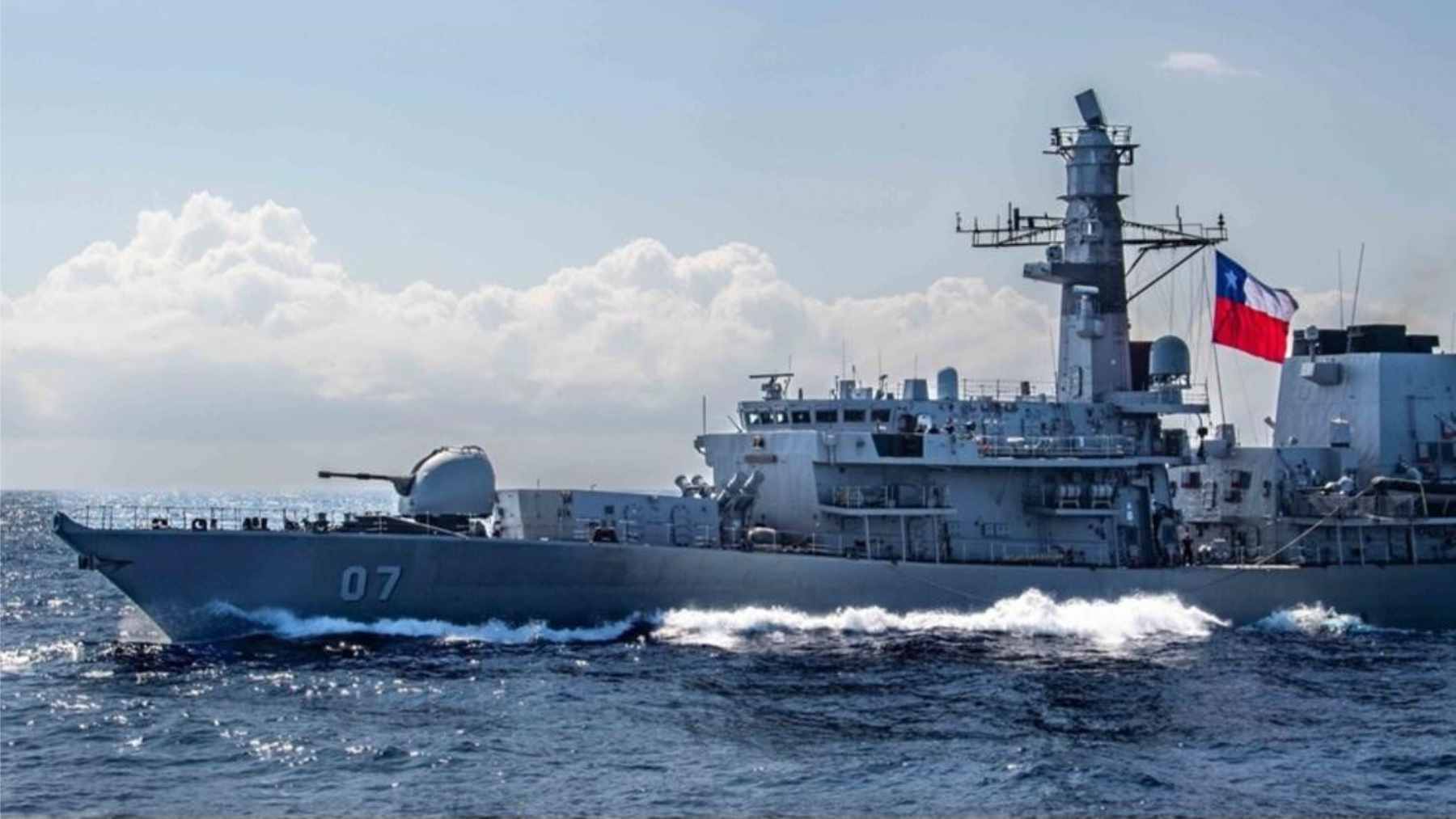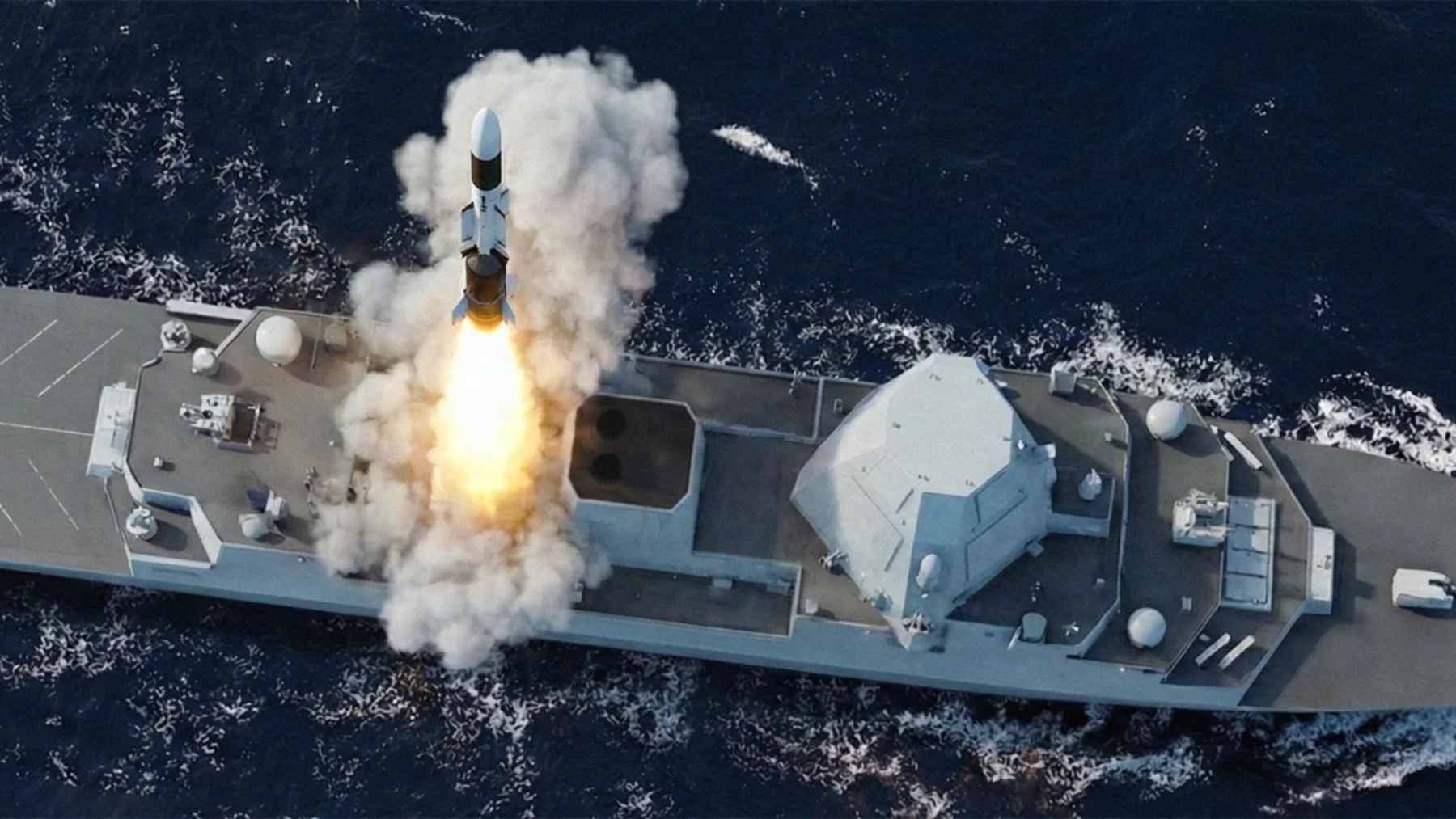
The U.S. Navy is starting a new hypersonic effort with a very practical goal. The Office of Naval Research (ONR) says its Flight Advancement of Structures for Hypersonics (FLASH) Innovative Naval Prototype program will design, manufacture, and flight test prototypes for a surface-launched hypersonic strike capability that can work with the Vertical Launch System (VLS) and the Virginia Payload Module (VPM).
That sounds like a classic Military and Defense story, but it sits in a bigger energy and environment debate. A peer reviewed study in PLOS Climate links U.S. Department of Defense energy consumption to military spending, and it notes renewables were just 0.95% of total DoD energy use as of 2022.
FLASH moves hypersonics into familiar launch cells
Hypersonic flight generally means speeds above Mach 5, where heat and control challenges get extreme. ONR describes FLASH as a way to prove a “tactically relevant range, low-cost” hypersonic concept while assessing compatibility with VLS and VPM.
Instead of betting everything on brand new subsystems, the program is looking for high maturity building blocks. ONR’s call lists areas like flight-qualified command and control components, high-temperature structures and thermal protection systems, and scaled flight test demonstrations meant to reduce technical risk.
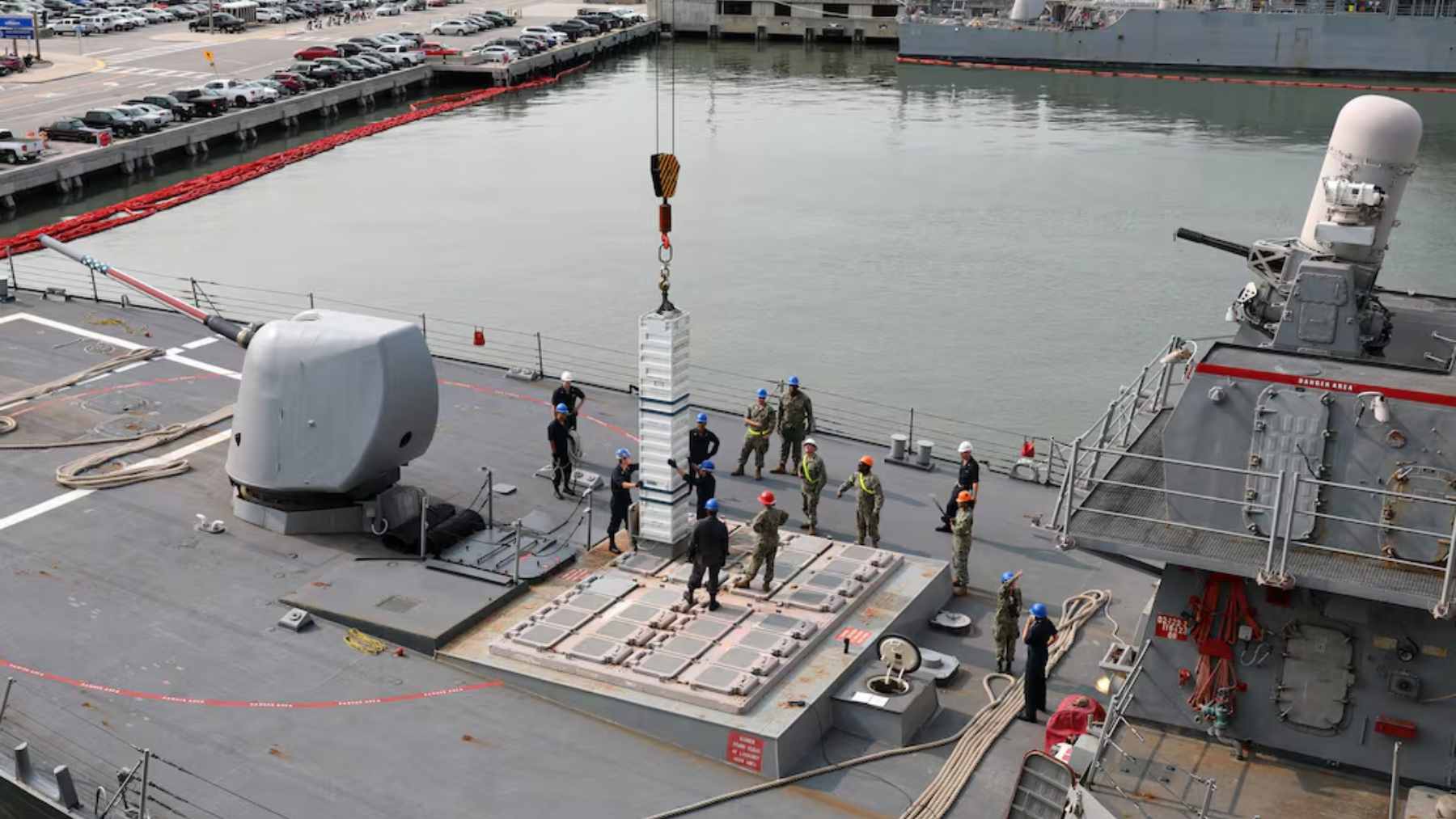
The launch hardware piece is not a small detail. The Navy says the Mk 41 VLS is installed on surface combatants including Ticonderoga class cruisers and Arleigh Burke class destroyers, and it can fire missiles like Tomahawk and variants of the Standard Missile family.
It has also launched more than 4,200 missiles with about a 99% success rate, which helps explain why fitting new weapons into existing cells is so attractive.
A procurement shift that favors scale
FLASH is built around affordability, and the wording is telling. ONR says advanced aerodynamics and control techniques should allow a “relaxed reliance on exquisite materials,” which points to designs that are easier to source and build in quantity. For suppliers, that is where the real money is, in production rates, not boutique prototypes.
Fleet leadership is pushing the same idea from the launcher side. Rear Adm. Derek Trinque told the Surface Navy Association’s January symposium that the Navy needs “better ways to use our vertical launchers,” including options that take up a full VLS cell for longer-range offensive missions.
In plain terms, VLS capacity is like parking in a crowded city, and every new vehicle has to justify its space.
The volume trend is not limited to ships. Naval News reports that FY 2027 budget documentation points to the multi-mission Affordable Capacity Effector (MACE) as a high-volume hypersonic strike option for naval aviation, starting with 353 all up rounds in FY 2027 while industry ramps up production capacity.
Even if those numbers shift, the direction is clear: more rounds, faster timelines, and more factories running hotter.
Faster missiles also mean more energy use
The environmental angle is not about blaming a single program for climate change. It is about remembering that hypersonic weapons are energy intensive to develop, test, and produce, and the military’s own energy demand is already enormous.
The PLOS Climate study tracks DoD energy consumption data over decades and highlights jet fuel as the largest single category.
There is also a visibility problem. The same research relies on Department of Energy reporting and focuses on facilities plus vehicles and equipment, so it does not fully capture upstream emissions from the contractor supply chain. That gap is why “low cost” and “low impact” are not the same thing, even when the spreadsheet looks clean.
FLASH itself hints at the pressure points. ONR is asking industry to engage on critical materials, manufacturing techniques, and test campaigns, and it is seeking thermal protection and high-temperature structures that can survive harsh flight environments.
If the program succeeds in using less “exquisite” inputs, it could reduce waste and supply risk, but the net climate effect is not something the public can easily measure today.
Climate resilience is now part of fleet readiness
The Navy has also been framing climate as a readiness issue, not a side project. In its Climate Action 2030 release, the Department of the Navy called climate change “one of the most destabilizing forces of our time” and said its strategy targets lower emissions, lower energy demand, and more carbon pollution-free electricity at installations.
The same press release put real numbers on the ambition. The Navy said it would draw down an additional 5.5 million tons of CO2 equivalent pollution per year by 2027 and deploy cyber secure microgrids or similar technology to support critical missions.
If you have ever watched your electric bill climb during a summer heat wave, you already know how much resilience depends on reliable power.
This is where the FLASH story gets more complicated, and more modern. The Navy wants speed and scale in hypersonics, but it also wants bases and shipyards that can keep working through storms, heat, and flooding.
Can the industrial sprint happen without ignoring the slower math of energy and emissions? For now, FLASH is a reminder that the fastest tech still runs on physical resources.
The official notice was published on Office of Naval Research.