Getting to a medical appointment sounds simple until it isn’t. For millions of U.S. veterans in rural America, the real barrier is often the road itself, not the clinic.
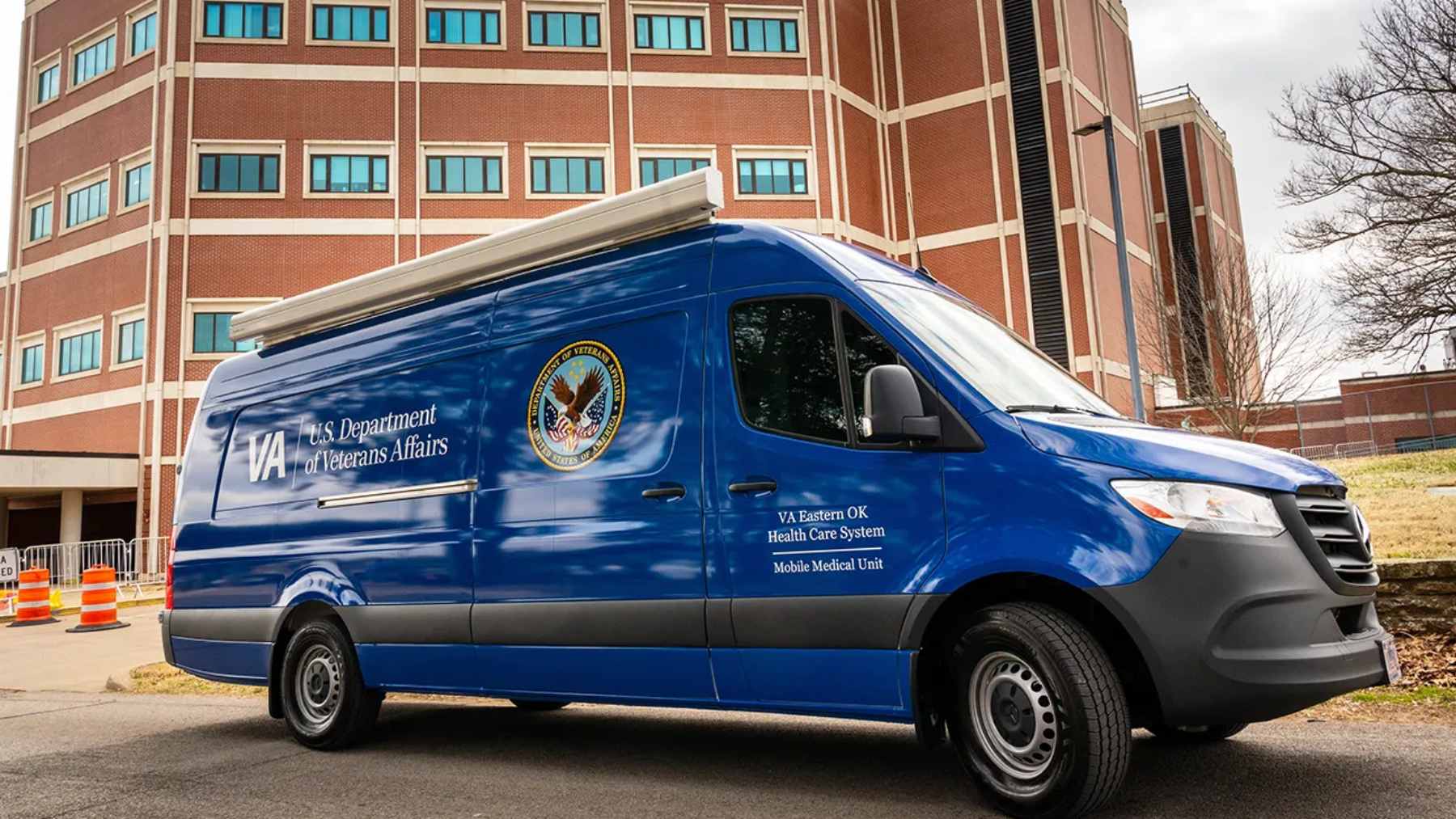
The Department of Veterans Affairs says it is putting $7 million into grants that help expand free rides to VA and VA-authorized health care appointments in highly rural counties.
It is a health access story first, but it also touches the environment in a way most people do not notice until they are watching the gas gauge drop on a long drive.
When a checkup becomes a long haul
VA data shows there are about 4.7 million rural and highly rural veterans nationwide, and the agency estimates roughly 2.8 million are enrolled in and rely on VA health care. That is a huge population for whom distance can decide whether care happens on time or not.
The VA’s own example is blunt. Veterans living in Hollis, Alaska are more than 1,000 miles from the closest VA medical facility, which turns a routine visit into a major trip.
And it is not only about convenience. Missed appointments can mean delayed diagnoses, worsening chronic conditions, and higher costs later, both for patients and for the health system that has to manage avoidable complications.
That is why transportation keeps coming up as one of the most stubborn access gaps in rural health.
What the $7 million actually funds
The new funding flows through the VA’s Highly Rural Transportation Grants program, which supports transportation services in counties with fewer than seven people per square mile. The VA says veterans who live where the program operates pay nothing for the rides.
This is not a blank check, and that matters. The Notice of Funding Opportunity says about $7 million is authorized for fiscal year 2026, no single grant can exceed $50,000 per highly rural area, and awards under this notice run for one year.
It is also targeted at who can apply. The VA’s grant notice says the eligible applicants are VA-recognized Veterans Service Organizations and State Veterans Service Agencies, and applications are due through Grants.gov by 4:00 p.m. Eastern Time on May 5, 2026.
The climate angle hiding in plain sight
Here is the part that connects to ecology and the environment: transportation is a major emissions source in the United States, and the EPA says transportation accounted for 29% of total U.S. greenhouse gas emissions in 2022. When you look only at direct emissions, transportation is the largest contributor.
Rural health access can unintentionally become a high-emissions routine, especially when patients must drive long distances alone.
If a grant-funded shuttle consolidates trips, reduces repeat travel from missed appointments, or replaces multiple separate rides with one scheduled route, that can reduce fuel burned per visit in practical terms, even if the program is not marketed as “green.”
There is also an air quality piece that hits close to everyday life. Diesel exhaust around clinics and parking lots is not an abstract concept when you are coughing in summer heat or sitting in a running vehicle during a winter pickup delay, and cleaner fleets can reduce local pollution exposure for patients and drivers alike.
The EPA notes that cars, SUVs, and trucks make up a large share of transportation emissions, which is exactly the vehicle mix most rural transport programs rely on.
Tech is the difference between a ride and a system
This is where technology quietly decides whether the money works. Route planning software, scheduling systems that minimize dead miles, and coordination with VA appointment times can be the difference between “free transportation exists” and “a veteran actually gets picked up on time.”
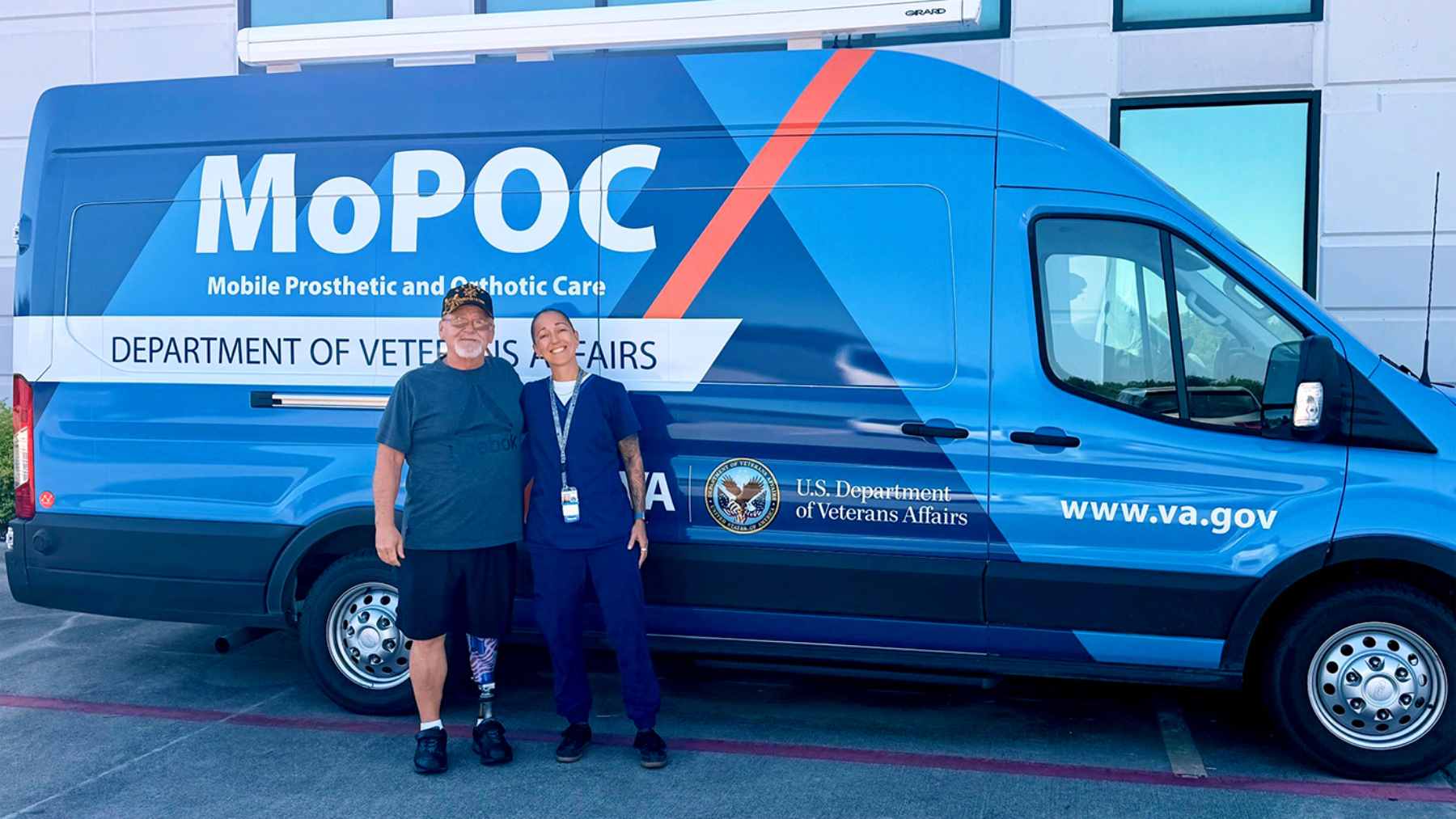
Telehealth is part of the puzzle too, but it has a hard limit in rural America. The VA’s Office of Rural Health has said that 42% of rural or highly rural veterans enrolled in VA health systems do not have internet access at home that could support VA telehealth services. So yes, virtual care can reduce some trips, but many appointments still require wheels on the road.
This is also a business story, even when the applicants are public agencies and nonprofits. Vehicle procurement, maintenance contracts, driver hiring, insurance, and dispatch operations all create local spending and local jobs, and the grant structure forces applicants to prove they can run a dependable service inside tight budget caps.
What to watch next if you care about outcomes
The VA says this program has been running since 2014, and that it has awarded $35 million to organizations across 15 states, U.S. territories, and tribal lands. That history matters because it suggests the agency has seen enough demand to keep scaling, even if the dollar amounts per service area remain modest.
So what should readers keep in mind now? Watch who wins the grants, what kinds of vehicles they put on the road, and whether they report measurable reductions in missed appointments and wait times.
Also watch whether grantees build partnerships for charging or cleaner vehicles over time, because that is where the environmental benefit could grow without changing the program’s core mission.
One last question is hard to ignore. If rural veterans need transportation this badly for health care, what happens as extreme weather makes rural roads less predictable and repairs more expensive? A transportation grant can look small on paper, but it can be the difference between getting care today or putting it off for months.
The press release was published on VA News.