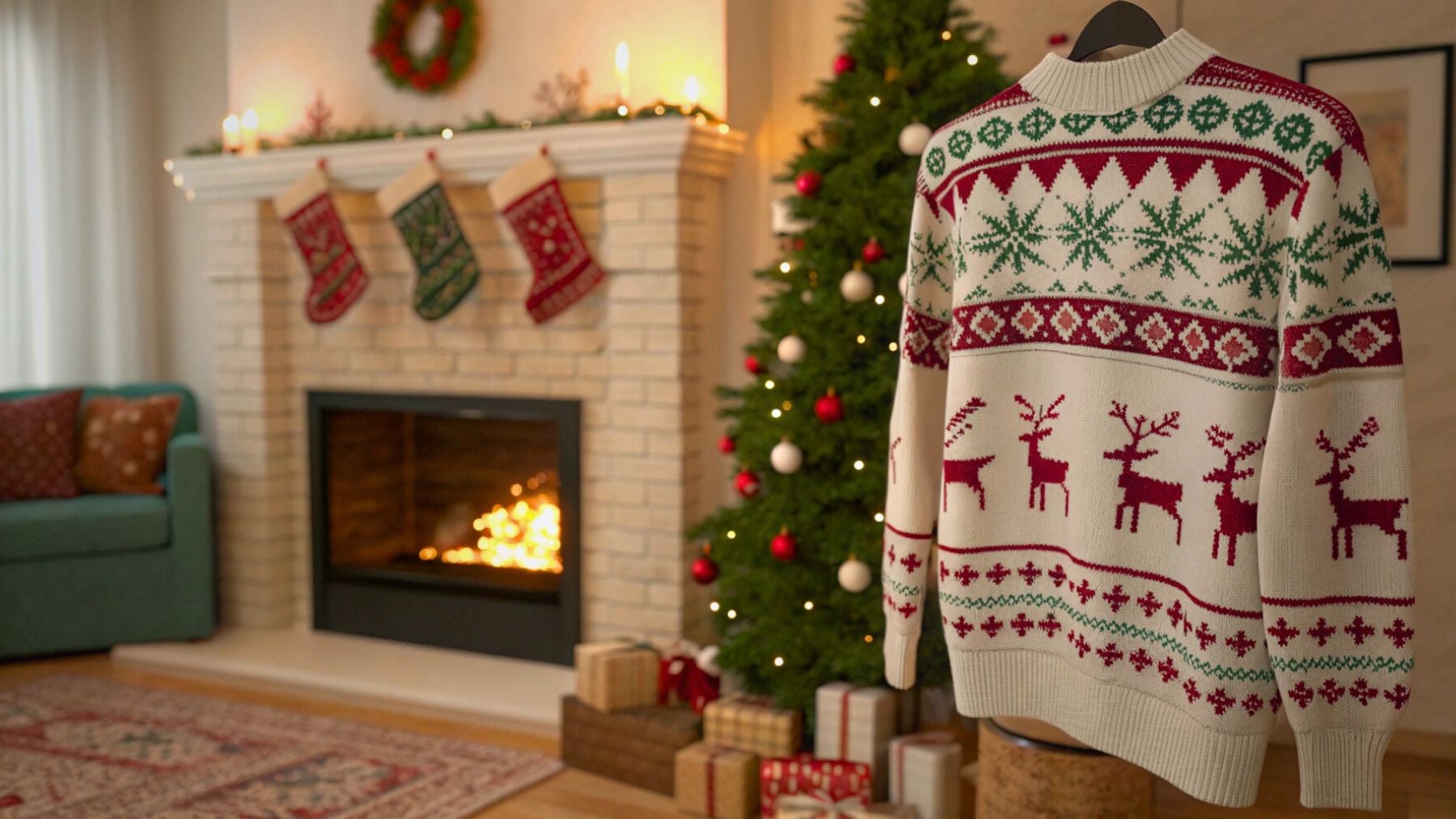
The holiday season is here, and with it comes an unmistakable tradition: festive Christmas jerseys. These bright, quirky, and sometimes downright ridiculous sweaters have taken center stage at parties, family gatherings, and even office events.
But have you ever wondered what’s behind this cheerful choice? Could it say something about your personality or emotions during the holidays? Psychologists suggest that wearing a Christmas jersey can be more than a fashion statement. Whether it’s a cozy reindeer pattern or a cheeky slogan, these sweaters might hint at your mindset or even your deeper emotional state.
Reasons behind the Christmas jersey phenomenon
Here are some possible explanations why people love wearing Christmas jerseys during the holidays.
- A desire to connect: Wearing a Christmas jersey is often a playful way to bond with others. These sweaters act as icebreakers, encouraging conversations and laughter. Choosing a theme, like a favorite movie or a nostalgic design, can also be an invitation to find common ground with others.
- An outlet for self-expression: Whether the sweater features a humorous slogan, a bold design, or even flashing lights, it’s often a reflection of the wearer’s creativity and individuality. Psychologists note that embracing playful or unconventional clothing can be a sign of confidence and an ability to laugh at oneself.
- Seeking attention or validation: Sweaters with over-the-top patterns or flashy details might indicate a desire to be noticed and appreciated. According to experts, this can stem from an extroverted personality or a need for social validation during a season that emphasizes togetherness.
- Coping with stress: The holidays aren’t joyful for everyone. For some, wearing a Christmas jersey can be a way to mask stress or sadness with a cheerful façade. Bright colors and festive themes can serve as a form of escapism, allowing people to temporarily set aside their worries and embrace the holiday spirit.
- Celebrating tradition: For others, Christmas jerseys represent nostalgia and a love for tradition. They evoke memories of childhood, family gatherings, or cherished rituals. By wearing these sweaters, people might feel more connected to their past and the comforting routines that make the holidays special.
- Fostering a sense of belonging: Festive sweaters are often worn at group events, from office parties to charity runs. By participating in this collective tradition, people can feel like part of a larger community. This shared experience can strengthen bonds and create a sense of belonging, which is especially meaningful during the season.
At first glance, wearing a Christmas jersey might seem like a simple tradition. However, psychology suggests it’s much more than that. From seeking connection and self-expression to coping with stress or embracing nostalgia, these festive sweaters can reveal a lot about a person’s emotional state and personality.
Next time you see someone rocking a bold Christmas jersey this season, take a moment to appreciate what it might symbolize. Whether it’s a playful expression of joy or a comforting nod to tradition, these quirky garments remind us that the holidays are as much about connection and understanding as they are about celebration.