This personality test claims that your initial reaction to an image can uncover your most profound fear. Although intended more as a source of curiosity than as a rigorous clinical assessment, these tests of what you see first invite you to explore the intricate interplay between emotion, perception, and internal conflicts.
Let’s break down three common interpretations of this popular test, clarifying how each of them is associated with specific fears. Although these quizzes do not provide scientifically validated diagnoses, they serve as an engaging gateway to self-examination and introspection. Are you ready to uncover what your mind is concealing?
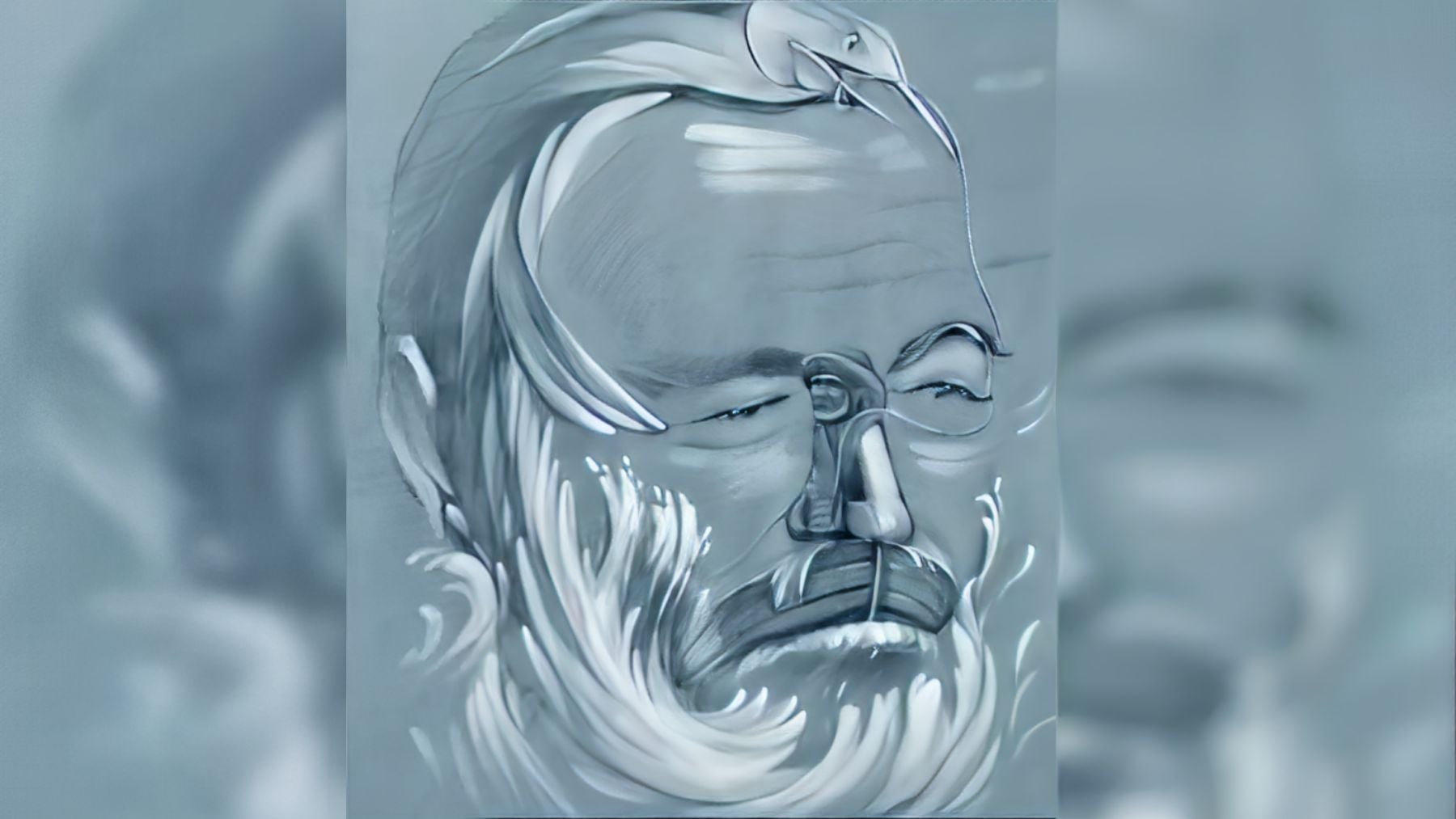
What you notice first in this image could reflect your fears
Examine the image carefully: do you immediately notice a fisherman, a man’s face, or a fish? Your initial observation might provide clues about the underlying nature of your emotional landscape. Let us explore what each identified element suggests about your inner world.
The fisherman in a boat
If you first notice the man in the boat, the test suggests you have a fear of loss, particularly concerning those you hold dear. This anxiety, often rooted in a heightened sensitivity to life’s fragility and existential uncertainty, reflects a common worry that can be exacerbated by stress or past experiences.
Although it’s natural to be concerned about the future, fixating on “what ifs” may obscure the richness of the present moment. The suggestion is to cherish current experiences and foster resilience in the face of life’s inevitable uncertainties.
A man’s face
Noticing a man’s face first implies that you may experience a fear of failure, manifesting a tendency to avoid risks or overanalyze decisions in hopes of sidestepping mistakes. Excessive perfectionism, while protective on the surface, can inhibit personal development and creative growth.
It’s important to recognize that errors are an inherent component of learning and reframe setbacks as instructive lessons rather than catastrophic failures to pursue your aspirations with renewed confidence and persistence.
A fish
Seeing a fish as your initial impression suggests that you might have a fear of unhappiness. You tend to anchor your sense of joy to external factors, such as relationships, accomplishments, or societal expectations, which can leave you vulnerable to disappointment when those conditions fall short.
By shifting your focus inward and cultivating a steady inner contentment—even amid challenging circumstances—you can ease this fear. In essence, genuine happiness is less about maintaining constant highs and more about developing the resilience to navigate life’s lows.
More on this visual test
Visual tests like these are designed for amusement rather than diagnosis. They simplify complex emotional states into easily digestible insights, drawing parallels with other projective techniques. Use these exercises as conversation starters, reflective prompts, or routes to self-awareness, but avoid treating them as definitive life guides.
After all, emotional fears are nuanced, and truly understanding or overcoming them often requires deeper introspection or professional guidance. Nevertheless, it remains fascinating how a single image can prompt us to pause and wonder, “Why did I see that first?”.