Did you notice some people naturally assume leadership roles while others shy away from long-term commitments? This visual test implies that your subconscious perceptions can reveal hidden personality traits, such as the degree of responsibility you embody. The initial element you notice in an image may offer deep insights into your character.
Although it’s not a scientifically validated tool like the Big Five personality traits, it’s based on the idea that instant reactions expose ingrained tendencies. Below, we analyze what each interpretation of the image reveals about your sense of duty, decision-making style, and emotional intuition.
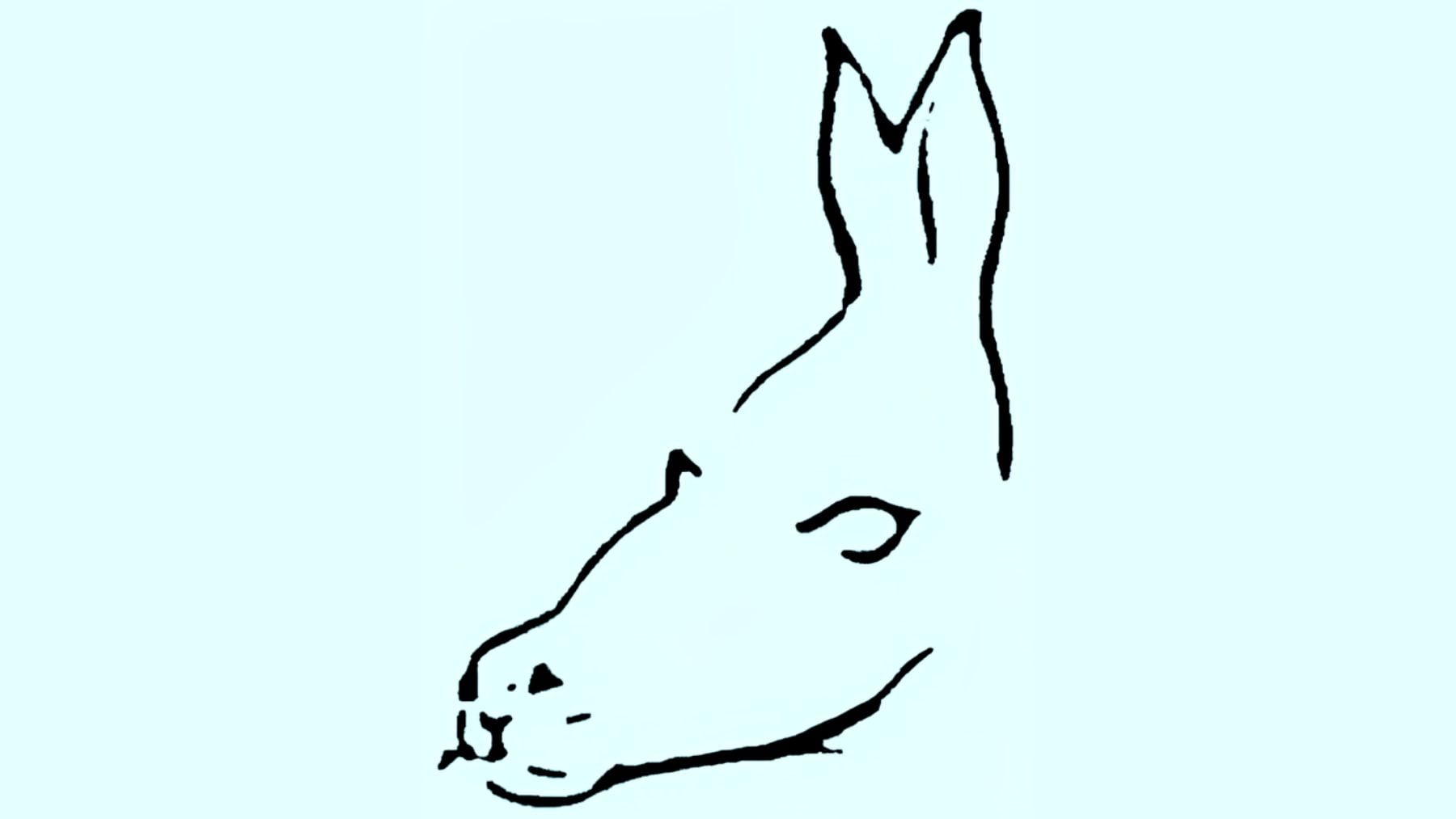
What do you see first? Take this quick visual test
Examine the image above and observe the first element you identify: a horse, seal, fish, mermaid, or donkey. Here’s an in-depth breakdown of what each initial observation suggests.
Horse
Horses symbolize freedom, determination, and the spirit of adventure. If you immediately noticed this animal, it may indicate you’re driven and resolute in facing challenges head-on. Your unwavering focus on personal goals and a strong sense of independence often positions you as a natural leader.
At the same time, you might prioritize ambition over conventional routines, embracing responsibility only when it aligns with your vision and values.
Seal
Seals represent adaptability, emotional balance, and harmony with natural environments. Spotting the seal first suggests that you excel in dynamic, changing situations and appreciate the fluidity of life. You’re dependable in creative and relaxed settings, often favoring flexible frameworks over rigid structures. Your sense of duty emerges most clearly in collaborative, low-pressure scenarios.
Fish
Fish are associated with intuition, inner calm, and emotional balance. If the fish is the first element that captures your attention, it might reveal that you’re thoughtful and highly sensitive to the emotional states of those around you. You approach responsibilities in personal relationships with care, often placing the needs of others before your own.
Yet, a tendency toward introspection and overanalysis can sometimes make you hesitant to take charge in high-pressure, fast-paced situations.
Mermaid
Mermaids symbolize authenticity, independence, and creative self-expression. When the mermaid is the first figure you notice, it signifies that you deeply value staying true to yourself, even if that requires bending conventional expectations.
You embrace responsibilities that resonate with your core values while resisting tasks that seem arbitrary or misaligned with your identity. Your commitment lies with internal convictions rather than external rules or societal norms.
Donkey
Donkeys embody endurance, steadfast diligence, and unwavering loyalty. If you noticed the donkey first, it indicates you have a profound, instinctive sense of duty. People often rely on your persistence to see commitments through to completion, regardless of obstacles.
Although your consistent determination might sometimes be misinterpreted as stubbornness, it ultimately reflects your ability to trust your instincts and stand firm in your beliefs.
Remember, this test is designed only for entertainment and self-reflection rather than as a formal psychological diagnosis. Personality is a rich mosaic of traits and subtle behaviors that evolve over time, and genuine self-discovery requires patience and introspection.