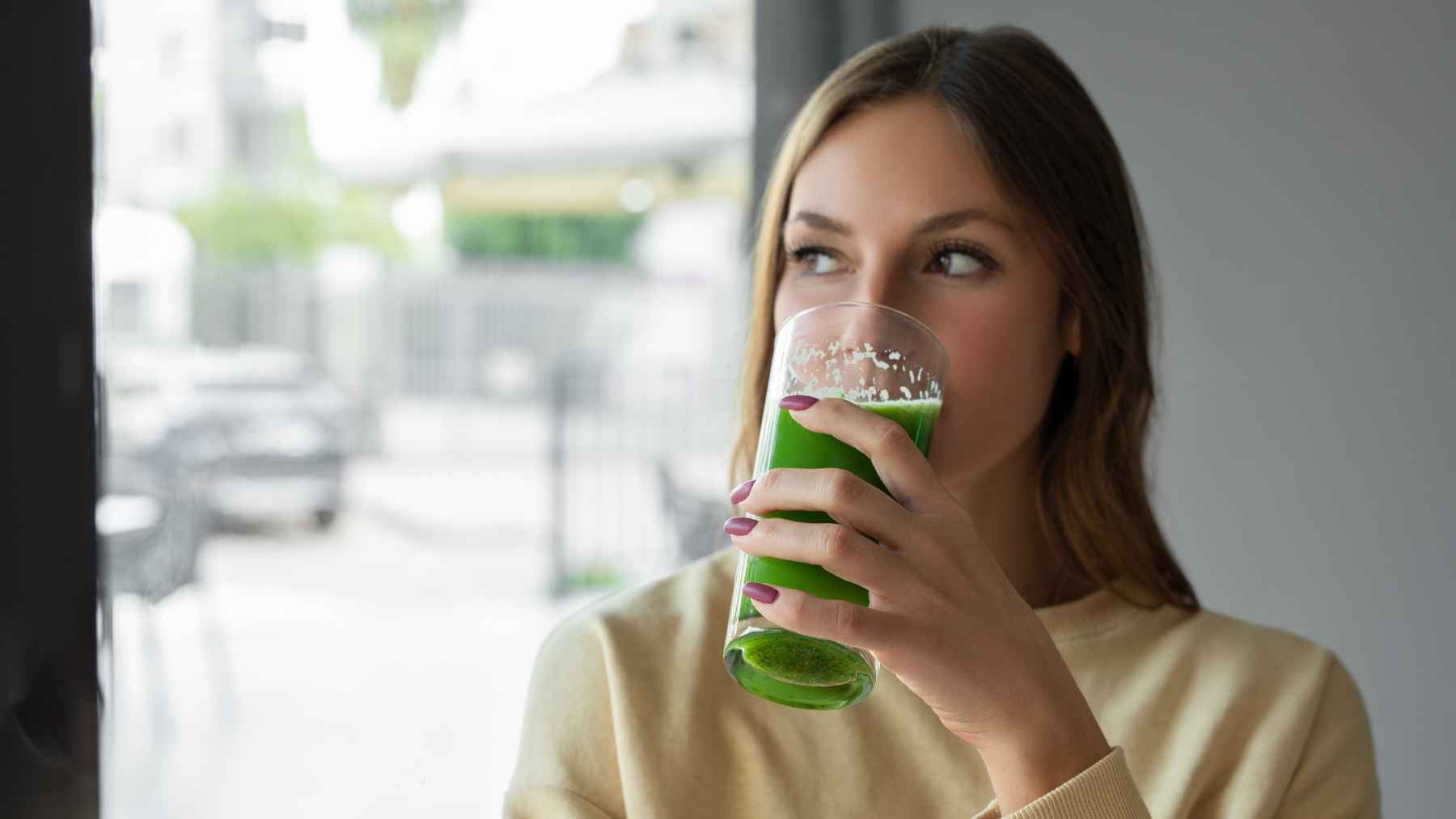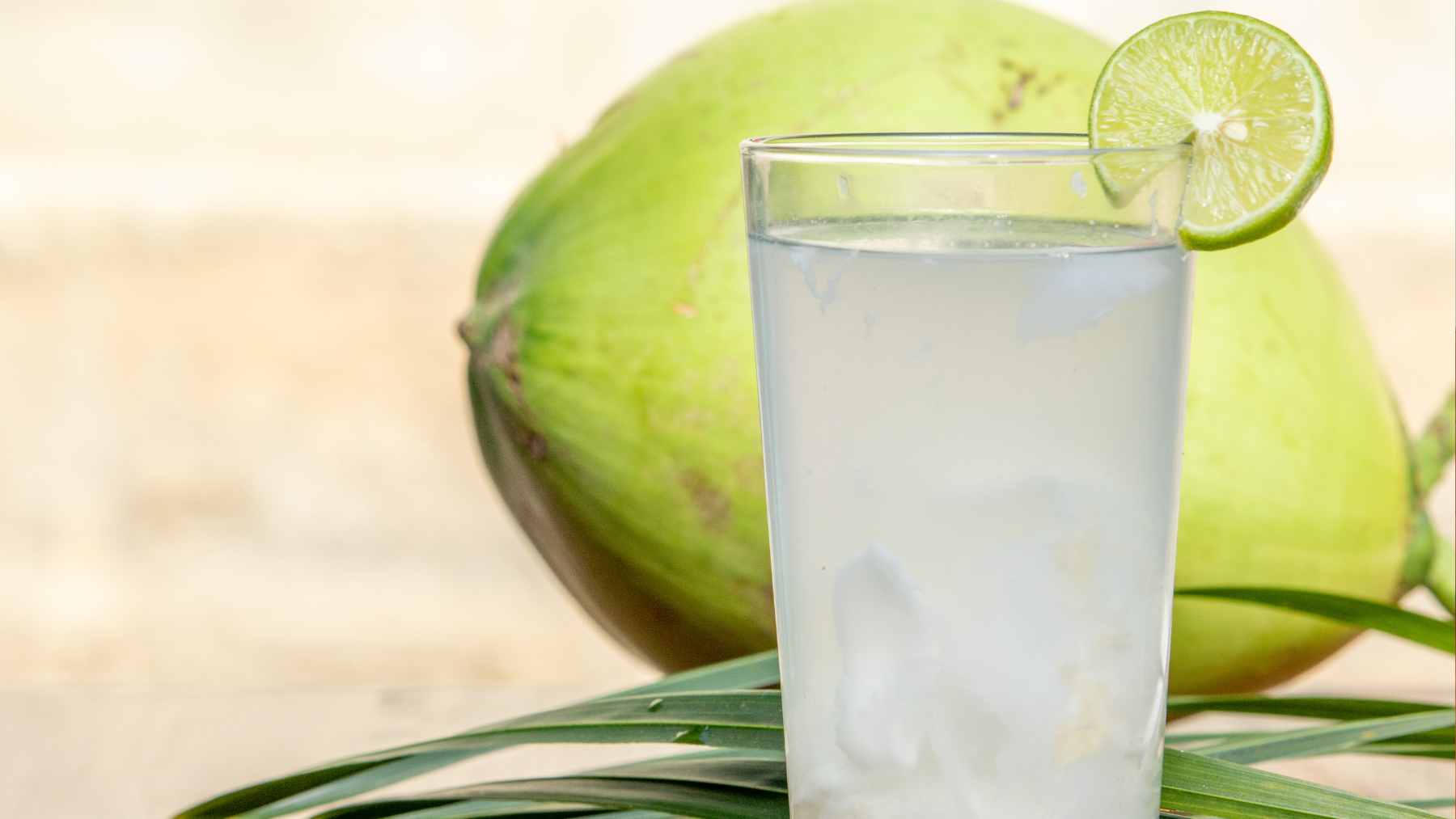
A fizzy mix of coconut water, citrus, salt, and magnesium powder has become one of TikTok’s favorite anti-stress drinks. Supporters call it a “cortisol cocktail,” and the promise is easy to understand. Drink something cold, get a quick lift, and maybe feel your shoulders drop.
The truth is more useful than the hype. This drink cannot switch off cortisol like a light, but it may help some people feel better because it supports hydration, adds electrolytes, and turns a tense moment into a small pause.
The recipe usually includes about 7 fluid oz. of coconut water, half a lemon, about 2 fluid oz. of orange juice, one teaspoon of magnesium powder, one quarter teaspoon of fine salt, and sparkling water to taste.
Stress made the drink go viral
The trend lands at a moment when workplace stress is already part of the cultural weather.
The eighth Censis-Eudaimon corporate welfare report found that 73% of Italian employees had experienced work-related stress or anxiety, while 31.8% had felt exhaustion, detachment, or other negative feelings tied to work.
That helps explain why a simple kitchen drink can travel so fast online. After a long commute, a tight deadline, or in that sticky summer heat we all know, a cold glass can feel like a tiny reset. But is that biology, ritual, or both?
What cortisol actually does
Cortisol is a hormone made by the adrenal glands, which sit on top of the kidneys. It helps the body respond to stress, but it also helps regulate blood sugar, blood pressure, inflammation, and the sleep-wake cycle.
That means cortisol is not a villain that should be wiped out. The problem is more about levels that stay high for too long, especially when the body cannot come back down after pressure passes.
In practical terms, cortisol is part of the alarm system, not the fire itself.
Why the drink can feel calming
The coconut water is doing some of the real work here. Mayo Clinic says coconut water contains electrolytes such as potassium, sodium, and manganese, which help the body stay hydrated, though plain water is still the smart everyday choice for most people.
The citrus adds flavor, a little sugar, and that sharp summer-drink feeling. The salt may help replace sodium after sweating, especially after exercise or time outdoors. Put together, it can resemble a homemade post-workout drink more than a proven hormone treatment.
Magnesium is the tricky ingredient
Magnesium matters. The National Institutes of Health’s Office of Dietary Supplements says it supports more than 300 enzyme systems, including those involved in muscle and nerve function, blood glucose control, and blood pressure regulation.
Still, the stress claim needs nuance. A 2017 review by Neil Bernard Boyle, Clare Lawton, and Louise Dye at the University of Leeds found suggestive but inconclusive evidence that magnesium may help mild anxiety in some vulnerable groups.
The authors also warned that better trials are needed, which is a polite scientific way of saying the case is not closed.
What the viral name gets wrong
Calling the drink a cortisol reducer makes it sound more powerful than the evidence allows. There is no good reason to think one glass can directly neutralize cortisol, especially without testing a person’s hormone levels before and after drinking it.
What it can do is simpler. It can hydrate you, replace some minerals, and create a few quiet minutes away from scrolling, emails, traffic noise, or whatever else has been pushing your nervous system. Sometimes, that is not nothing.
When to be careful
The magnesium powder deserves a label check. High doses from supplements or medicines can cause diarrhea, nausea, and abdominal cramping, and the adult upper limit for supplemental magnesium is 350 mg. per day.
Coconut water also contains significant potassium and sodium, so anyone who has been told to limit either mineral should be careful with it. The National Kidney Foundation advises choosing plain, unflavored coconut water if someone drinks it, while being aware of its mineral content.
A drink is not a burnout plan
For everyday stress, a cold homemade drink can be part of a calmer routine. The CDC recommends small steps such as deep breathing, stretching, meditation, time outdoors, enough sleep, physical activity, and talking with trusted people when stress starts to pile up.
If stress is constant, however, affecting sleep, work, relationships, or mood, a recipe is not enough. That is when support from a health professional can matter far more than any viral wellness hack.
The main official study cited in this article has been published in Nutrients.