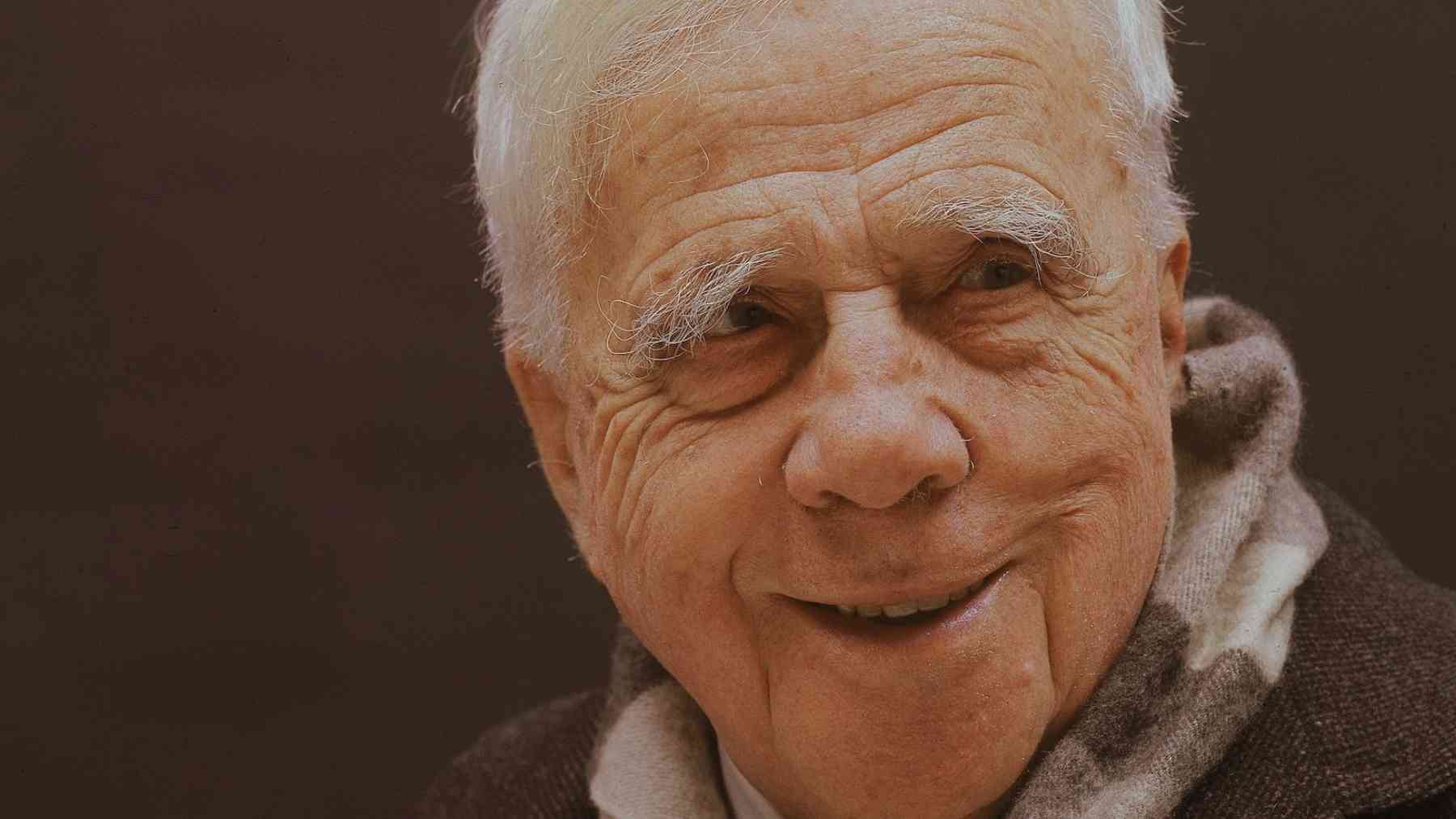
A line often credited to Robert Frost has been making the rounds again because it says something many workers feel by midmorning. “The brain is a wonderful organ; it starts working the moment you get up in the morning and does not stop until you get into the office.” Funny? Yes. A little too familiar? Also yes.
Taken literally, of course, the brain does not stop at the office door. But the quote points to a real wellness issue. Focus can feel sharp when the day is still quiet, then suddenly scattered once emails, meetings, noise, and pressure start competing for the same mental space.
Why the quote feels true
The office can change the way thinking feels. At home, the mind may wander through breakfast, a workout plan, school drop-off, or the day’s first big idea. Then work begins, and the brain often has to switch from open thinking to task control.
That switch is not always smooth. A 2024 study of 492 office workers found that more work interruptions were linked with higher subjective workload, especially when the main task was complex. In plain English, getting interrupted during simple work is annoying, but getting interrupted during difficult work can feel like having your mental desk knocked over.
The researchers also found that the way workers perceived interruptions mattered. It was not only the number of interruptions, but whether people experienced them as overload. Anyone who has lost their train of thought after a “quick question” knows the feeling.
The brain needs a runway
Morning focus does not start with the first email. To a large extent, it starts the night before. The CDC recommends that adults ages 18 to 60 get at least 7 hours of sleep, while older adults generally need about 7 to 9 hours depending on age.
Sleep is not just rest for the body. The CDC says getting enough sleep can improve attention and memory, reduce stress, support mood, and help people perform daily activities better. That makes sleep one of the least glamorous, but most powerful, productivity tools we have.
So, when people say they “cannot think” at work, it may not be laziness or lack of motivation. It may be the result of a tired brain entering a noisy system. Add a bad commute, skipped breakfast, and a phone buzzing every few minutes, and the day is already uphill.
Work stress reaches beyond productivity
There is a reason workplace stress has become a health conversation, not just a business one. The CDC notes that work-related stress can affect well-being, the care people give to others, and life outside the job. Symptoms can include feeling overwhelmed, lacking motivation, trouble sleeping, and trouble concentrating.
That last symptom is the part Frost’s quote captures so neatly. The brain is still active, but it may be juggling too much. Meetings, deadlines, Slack pings, noise from coworkers, and the pressure to answer everything quickly can turn a normal workday into a mental obstacle course.
Burnout is part of the same picture. The CDC describes burnout as a long-lasting state that can affect how workers respond to normal life activities, both inside and outside work. That’s why protecting focus is not a small luxury. It is part of protecting mental health.
Small habits can help
The answer is not to romanticize the early morning or blame workers for being distracted. Offices, schools, hospitals, warehouses, and remote work setups all create different pressures. But small routines can give the brain a little more room to work.
In practical terms, that might mean saving the first part of the workday for one important task before opening every message, when the job allows it. It can also mean batching email checks, silencing nonessential notifications, writing down the next step before taking a call, or taking a short reset after a mentally demanding meeting.
Not every worker controls their schedule. That matters. For managers, the CDC says changing workplace policies and practices is the best way to address burnout, including reducing excess demands and giving workers more flexibility and control where possible.
Frost’s words still travel
Robert Frost remains one of the best-known American poets because he made complicated human experiences feel simple enough to hold in one sentence. The Library of Congress says Frost was born in San Francisco in 1874, published more than 30 poetry collections, won Pulitzer Prizes for four collections, and served as Consultant in Poetry to the Library of Congress from 1958 to 1959.
That background helps explain why a workplace joke attached to his name keeps circulating. Still, readers should treat the line as an often-attributed quote, not as medical advice and not as proof that Frost was diagnosing office life. The smarter takeaway is this one. The brain does not stop at work, but modern work can make clear thinking harder than it needs to be.
At the end of the day, the quote is less about the office and more about attention. Protect sleep, reduce avoidable interruptions, and build small pauses into the day when possible. The brain is wonderful, but it is not a machine.
The study was published in “Work,” and is available through SAGE Journals.