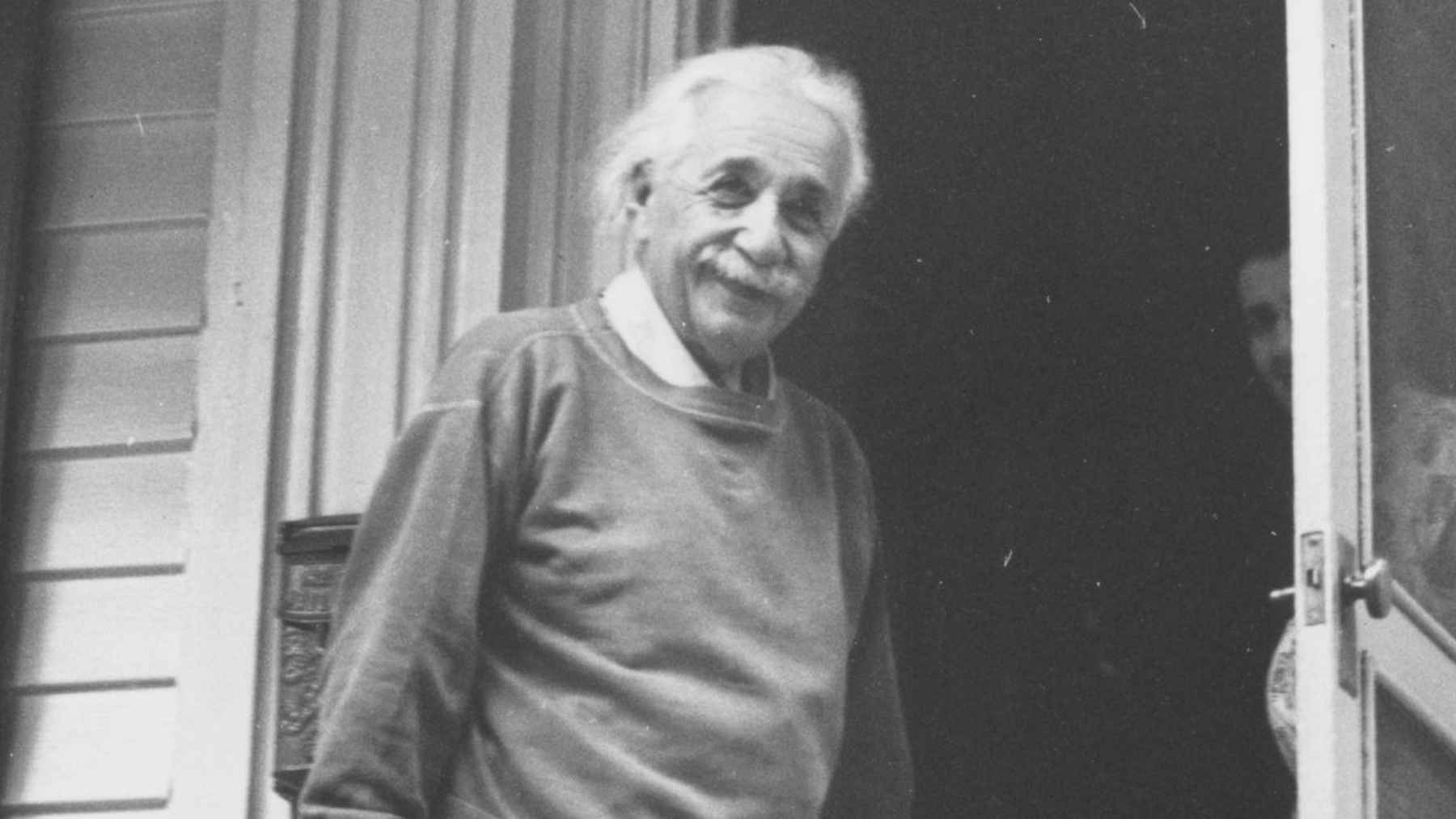
What defines a successful life when the usual scoreboards go dark? Albert Einstein offered a succinct answer in the waning moments of his life: “Try not to become a man of success but rather try to become a man of value.”
The quote is not a call to reject ambition, recognition, or money. It cautions against conflating them with usefulness, integrity, or care for other people. The better question may be “What did I give?” and not “What did I get?”
Where the quote came from
Magazine editor William Miller paid Einstein a visit at his home in Princeton, New Jersey, several months before the physicist’s death. He was accompanied by his son Pat, who sought guidance about life, and Professor William Hermanns.
The exchange later featured in the May 2, 1955 issue of LIFE under the title “Old Man’s Advice to Youth.”
Published 14 days after Einstein died on April 18 at age 76, the passage paired the success advice with a plea to remain curious. The Nobel Prize’s official record lists him as the 1921 physics laureate, but the magazine scene showed a different side of the man.
Achievement alone, he was relating to a young person, was not enough.
The historical wording used “man” as a general term common to that era. Modern readers can hear it as “person” and preserve the central idea. Value is measured by what someone gives rather than by how much attention that person receives.
What a ‘person of value’ means
Value here isn’t about market price or professional rank. It means being useful in a human sense through honest work, reliable judgment, empathy, and service. People of value leave a team, family, or neighborhood better than they found it.
That can look surprisingly ordinary. At work, it may mean sharing credit for an achievement, mentoring a new hire, accepting accountability for a mistake, or keeping a promise even when no one is tracking it. At home, it can be putting the phone away and listening intently.
Success and value are not enemies. A promotion, a thriving business, or a public platform can expand a person’s opportunities to help others. The trouble begins when applause becomes the driver, and people become tools for getting it.
Why material success feels so powerful
Money, titles, awards, and follower counts are easy to see. They turn life into a scoreboard, and scoreboards are seductive because they offer easy comparisons. Character is slower to develop and harder to measure.
Psychologists Helga Dittmar, Rod Bond, Megan Hurst, and Tim Kasser, from the University of Sussex and Knox College, examined 753 effect sizes from 259 independent samples.
Their meta-analysis revealed a consistent association between strong materialistic priorities and low personal well-being, although the magnitude of the association varied.
Most of the evidence was correlational, so it could not prove that material ambition caused unhappiness in every case.
That relationship matters. Money can provide food, housing, health care, education, and breathing room when the electric bill spikes. The research does not say earning well is wrong; it simply suggests that pushing possessions and status to the center of identity may bring psychological costs.
Giving can help the giver, too
A cross-cultural study led by Lara Aknin examined survey data from 136 countries. It found that prosocial spending, which means putting money toward the benefit of others, was associated with greater happiness in both rich and poor countries.
Experiments in several nations also reported emotional benefits when participants spent on others rather than themselves.
Still, generosity is not an endeavor that always returns happiness. A later registered replication found a clear immediate boost in one experiment, no change in another, and only a small difference in a third. The result depended somewhat on how helping was carried out and measured.
That nuance fits the quote better than a cute self-help promise. Becoming valuable is not about performing kind acts to earn a mood boost or public revere. It is about aiming talent, time, and resources toward needs that are real.
How to apply the idea today
Start with a quiet audit of everyday decisions. Do your neighbors, colleagues, and friends leave an interaction better informed, safer, or more respected? Does your work solve a real problem, or mainly bolster your image?
At work, value can mean transparent negotiations, fair credit, attentive listening, and raising a concern before it becomes a crisis. A flashy résumé may open a door, but trust determines what happens after you walk through it. The same rules apply in traffic jams, family arguments, and busy group chats.
Personal relationships offer another test. Time with family and friends, steady attention, and help given without an audience can build ties that status cannot replace. These acts rarely make headlines, but they still shape a life.
A legacy beyond the scoreboard
The quote has lasted because it does not provide a neat checklist. It asks if ambition serves a purpose and who benefits when someone succeeds. That is harder than choosing a salary target, but it reaches deeper.
At the end of the day, becoming a person of value does not require abandoning achievement. It means using ability and ambition so other people gain something, too, because success can be counted while value is often remembered by the people who were helped.
The original remarks were published in LIFE magazine.