Think skipping the saltshaker tells the whole story about high blood pressure? A 2025 analysis suggests potassium, the other half of the mineral balance, deserves more attention. Low intake can make it harder for the body to manage sodium, fluid, and tension in blood vessel walls.
Researchers found that higher potassium was linked to a much larger blood pressure drop in people who already had hypertension, the medical term for persistently high blood pressure. Sodium still matters.
The takeaway is that blood pressure may depend on improving both sides of the balance, usually through food rather than pills.
Potassium’s quiet job
Potassium is an electrolyte, a mineral that carries an electrical charge. It supports nerve signals, muscle movement, and the fluid and blood volume the body needs. That includes the smooth muscle around arteries.
More potassium can help the kidneys remove sodium through urine and ease tension in blood vessel walls. Less retained sodium can mean less water in the bloodstream and less pressure against arteries. It is not a magic switch, but the biology is well established.
What the study found
The review was led by Maelys Granal with Victoria Sourd, Michel Burnier, Jean Pierre Fauvel, and Arthur Gougeon. Working across the University of Lyon, Hospices Civils de Lyon, and the University of Lausanne, the team analyzed 10 randomized trials. In such trials, interventions are assigned by chance.
Four trials involved people without hypertension and six involved people with high blood pressure. Published from 2005 to 2021, most monitored pressure around the clock, lasted one to six weeks, and used 24-hour urine collections to estimate changes in potassium intake.
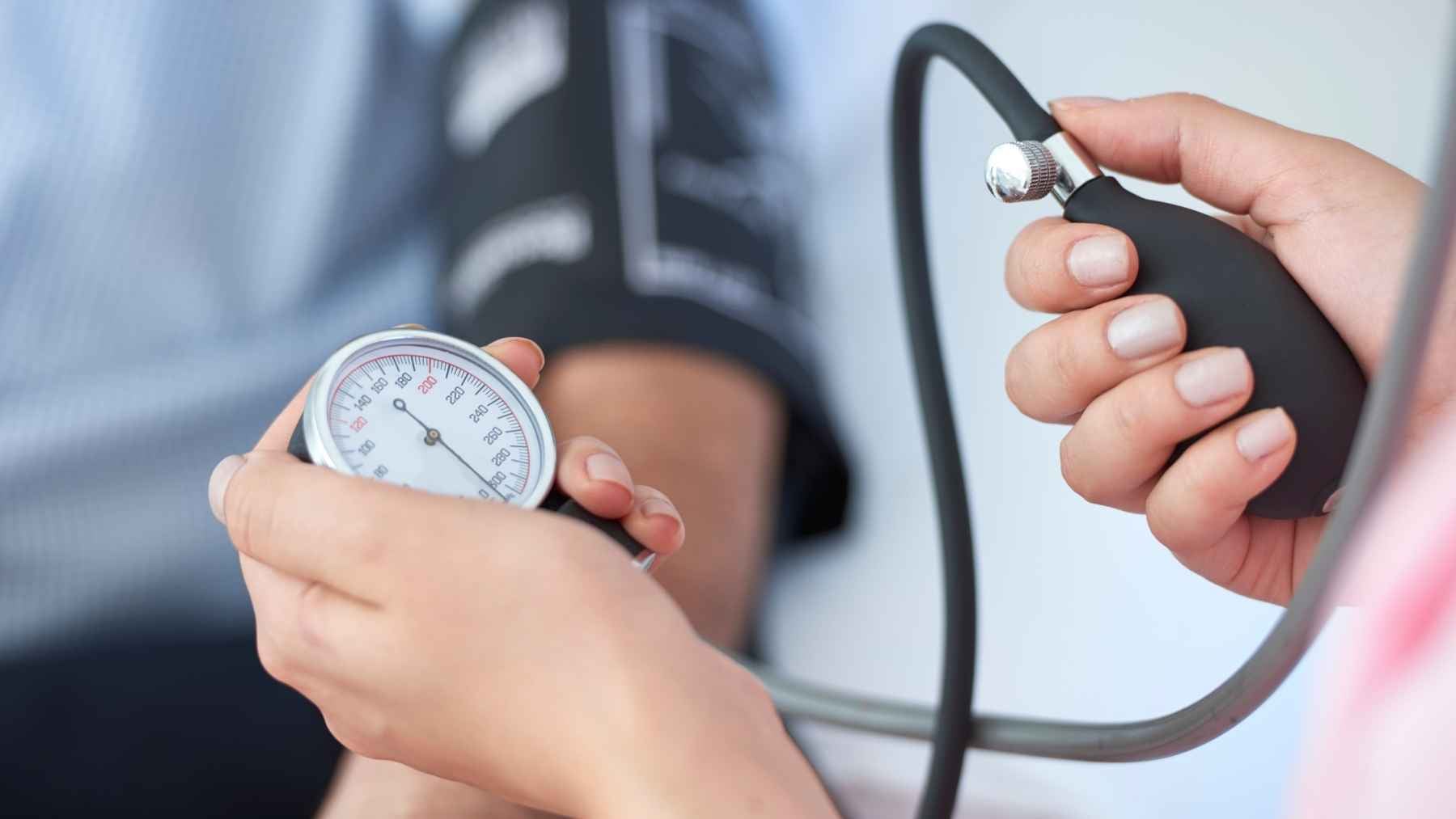
The upper blood pressure number measures pressure when the heart beats, while the lower number measures it between beats. When urinary potassium rose by an amount roughly equivalent to 2,000 milligrams of potassium a day, the upper number fell about 5.3 points in the hypertension group.
The lower number was estimated to fall 3.6 points, although that figure was less certain, while changes in people without hypertension were under one point.
Bigger benefits in hypertension
Why was the difference so large? People with hypertension have more room for improvement, and some are more sensitive to sodium. The pattern also matches a 2020 analysis that tracked different potassium amounts and found stronger effects when starting blood pressure was higher.
But the new review does not prove everyone should take potassium supplements. Only 10 trials qualified, and the studies were short. The authors called potassium the “ignored ion” in this relationship while warning that the evidence remains limited.
The saltshaker is only one source
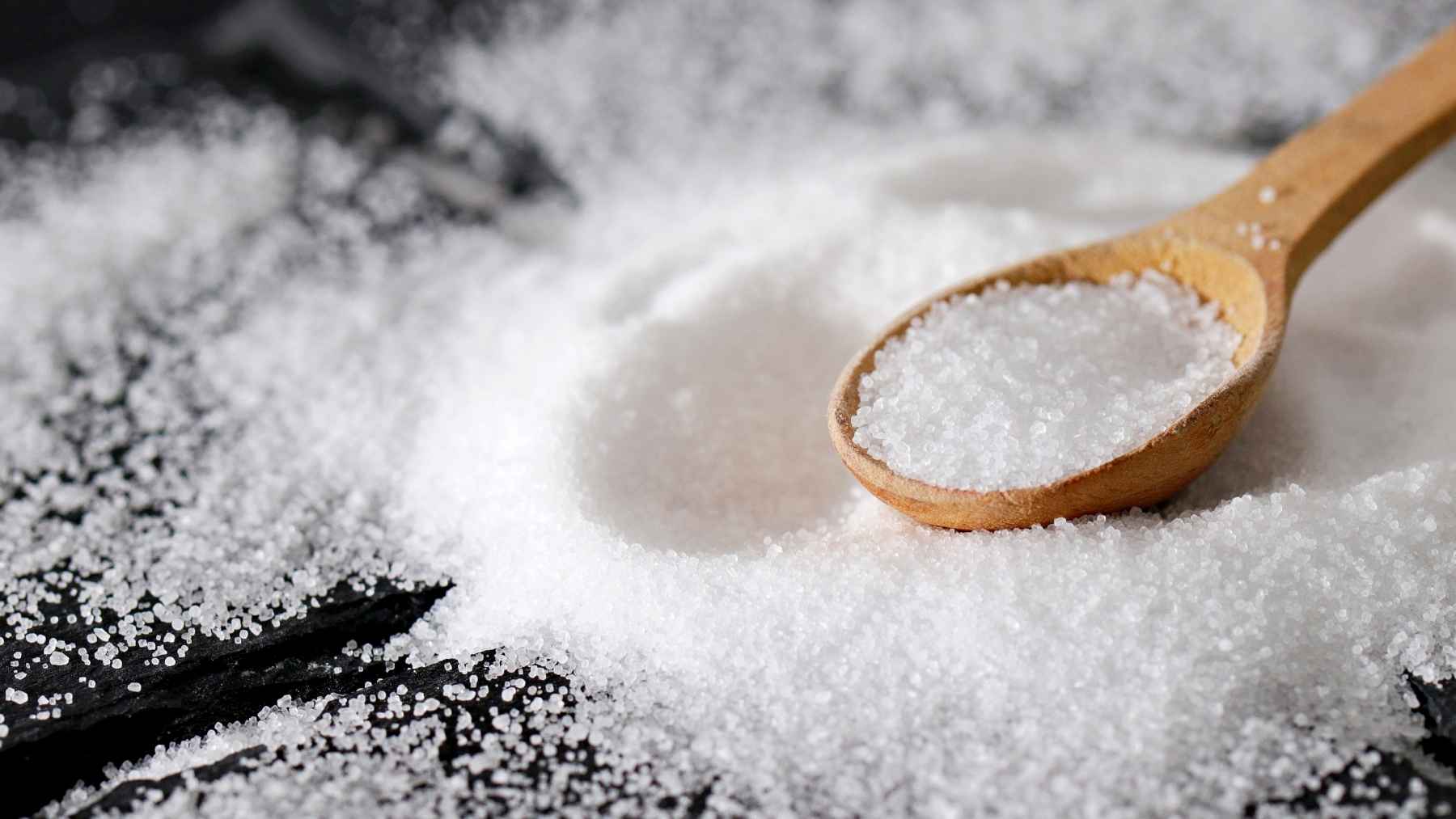
The saltshaker is easy to blame. Bread, deli meat, bottled sauce, soup, pizza, and frozen dinners are easier to miss. A federal analysis of 2015 and 2016 diets found that about 40 percent of Americans’ sodium came from 10 common food categories.
Someone can barely touch the saltshaker at home and still eat a high-sodium diet. Sodium draws water into the bloodstream, increasing blood volume and potentially pressure. Labels matter because bread, cereal, and pastries can contain sodium without tasting very salty.
Potassium is not just in bananas
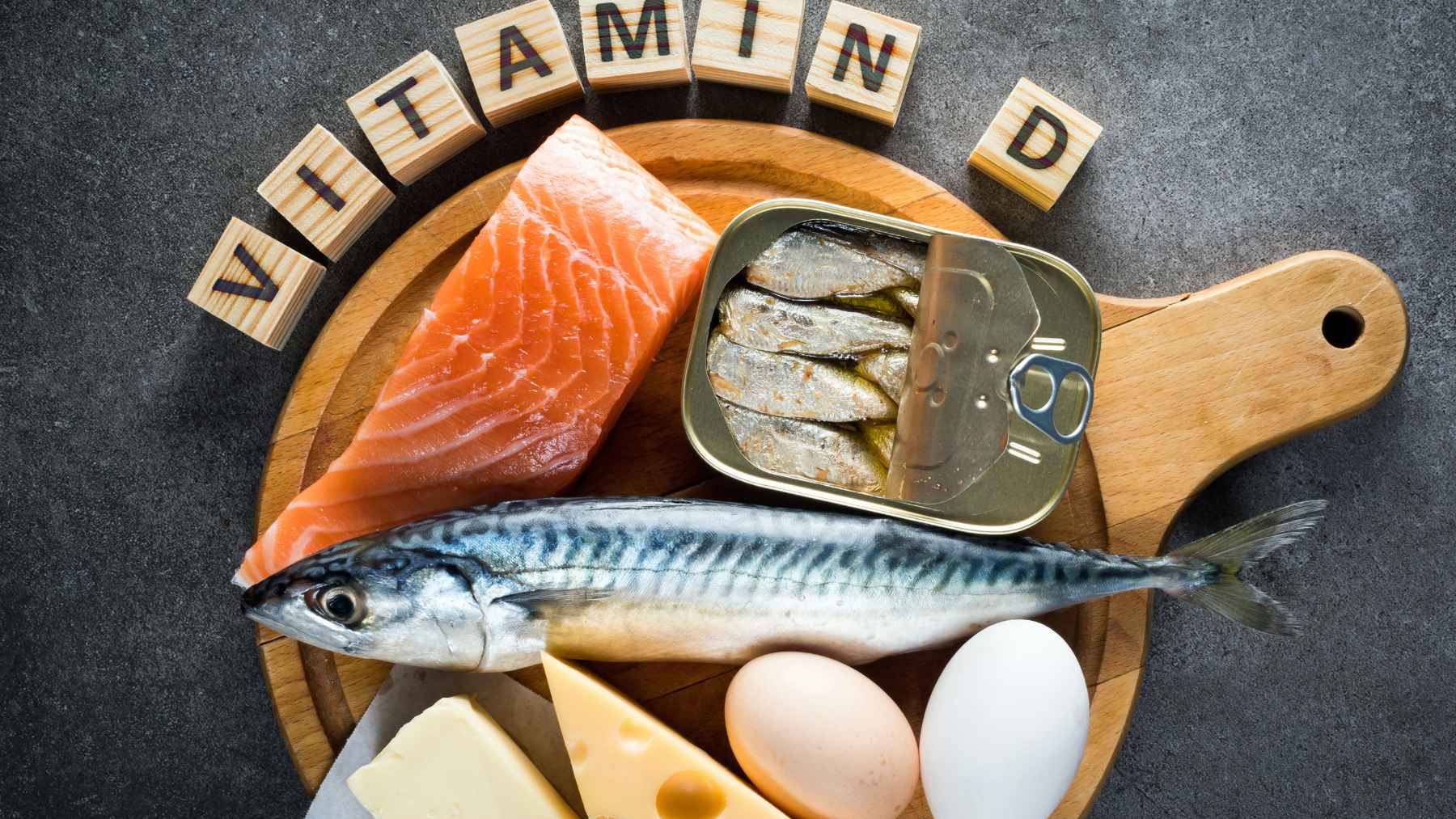
Bananas get the headlines, but they are hardly alone. A cup of cooked lentils has about 730 milligrams of potassium, a medium baked potato about 610 milligrams, and a medium banana about 420 milligrams. Spinach, squash, beans, yogurt, milk, fish, kiwi, oranges, melons, and unsalted nuts also help.
For most healthy adults, the practical move is to spread these foods across the day. Add beans to lunch, vegetables to dinner, yogurt at breakfast, or fruit where chips usually go. A heart-healthy eating pattern favors food sources of potassium alongside less sodium.
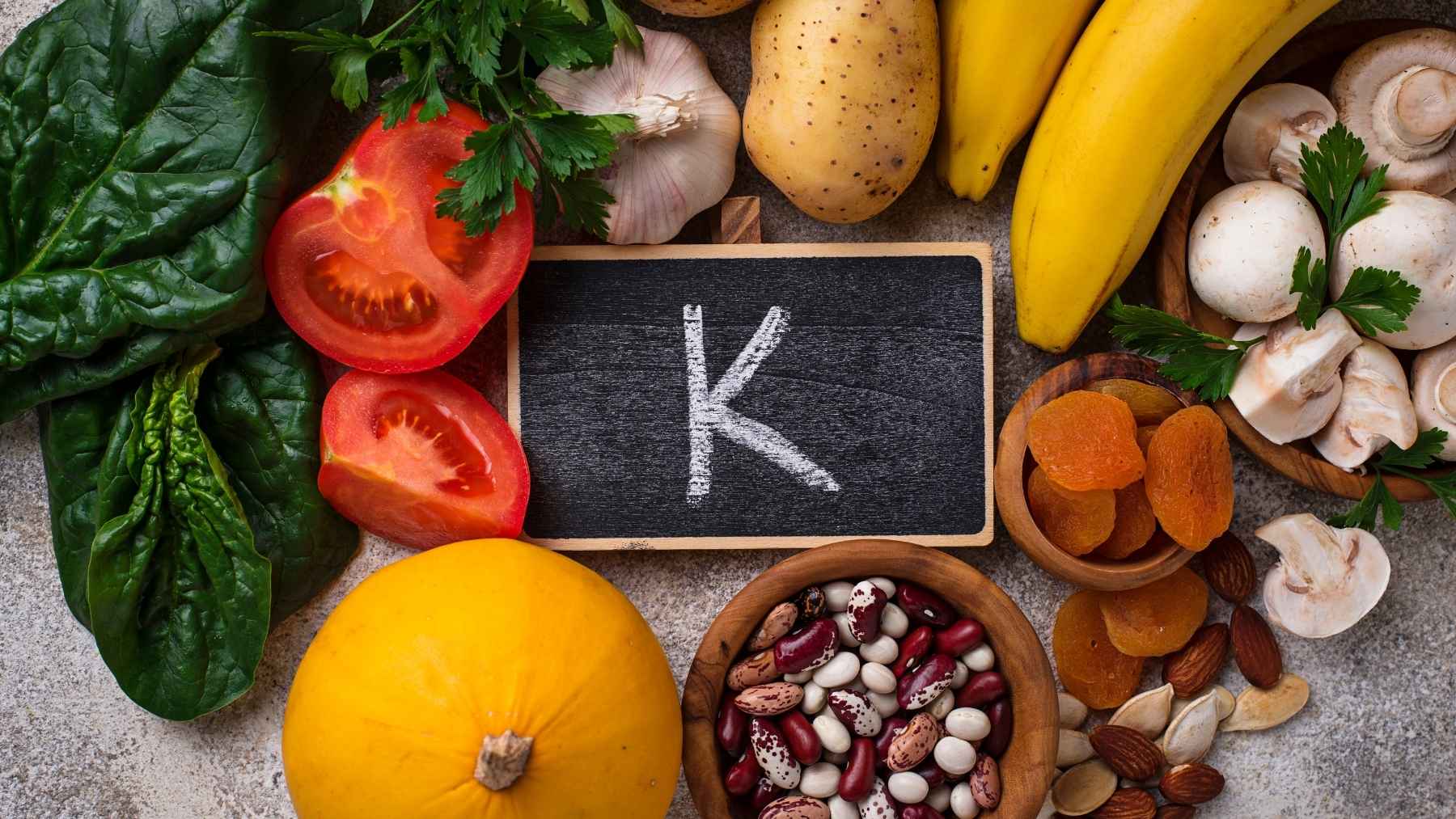
U.S. adequate intake levels are 3,400 milligrams daily for adult men and 2,600 milligrams for adult women. Those figures do not apply in the same way when kidneys cannot clear potassium normally. The plate matters, but so does the medical context.
Salt substitutes need a safety check
Lower-sodium salts replace some regular salt with a potassium-containing alternative. On January 27, 2025, the World Health Organization issued guidance suggesting them for adults who use table salt as part of a broader sodium-reduction plan. It was not a green light for everyone.
Kidney disease, heart failure, and certain medications can allow potassium to build up dangerously. Common blood pressure drugs called ACE inhibitors and ARBs are among the medicines that can raise the risk. Supplements and potassium-based salts should be discussed with a clinician.
A better plate works both ways
In practical terms, diet works from both directions. Cut back on processed meats, salty snacks, instant meals, cured cheeses, and heavy sauces while adding vegetables, fruit, beans, and other potassium-rich foods. Herbs, garlic, lemon, and spices can keep dinner interesting without another shake of salt.
Put vegetables on lunch and dinner plates, eat beans several times a week, and choose unsalted nuts or fruit for snacks. Small changes repeated daily can shift the sodium-potassium balance more reliably than one dramatic reset.
Food can support blood pressure treatment, but it does not replace proper measurement, medical follow-up, or prescribed medicine. Anyone with high readings, symptoms, or questions about potassium should seek professional care.
The full study was published in Clinical Kidney Journal.