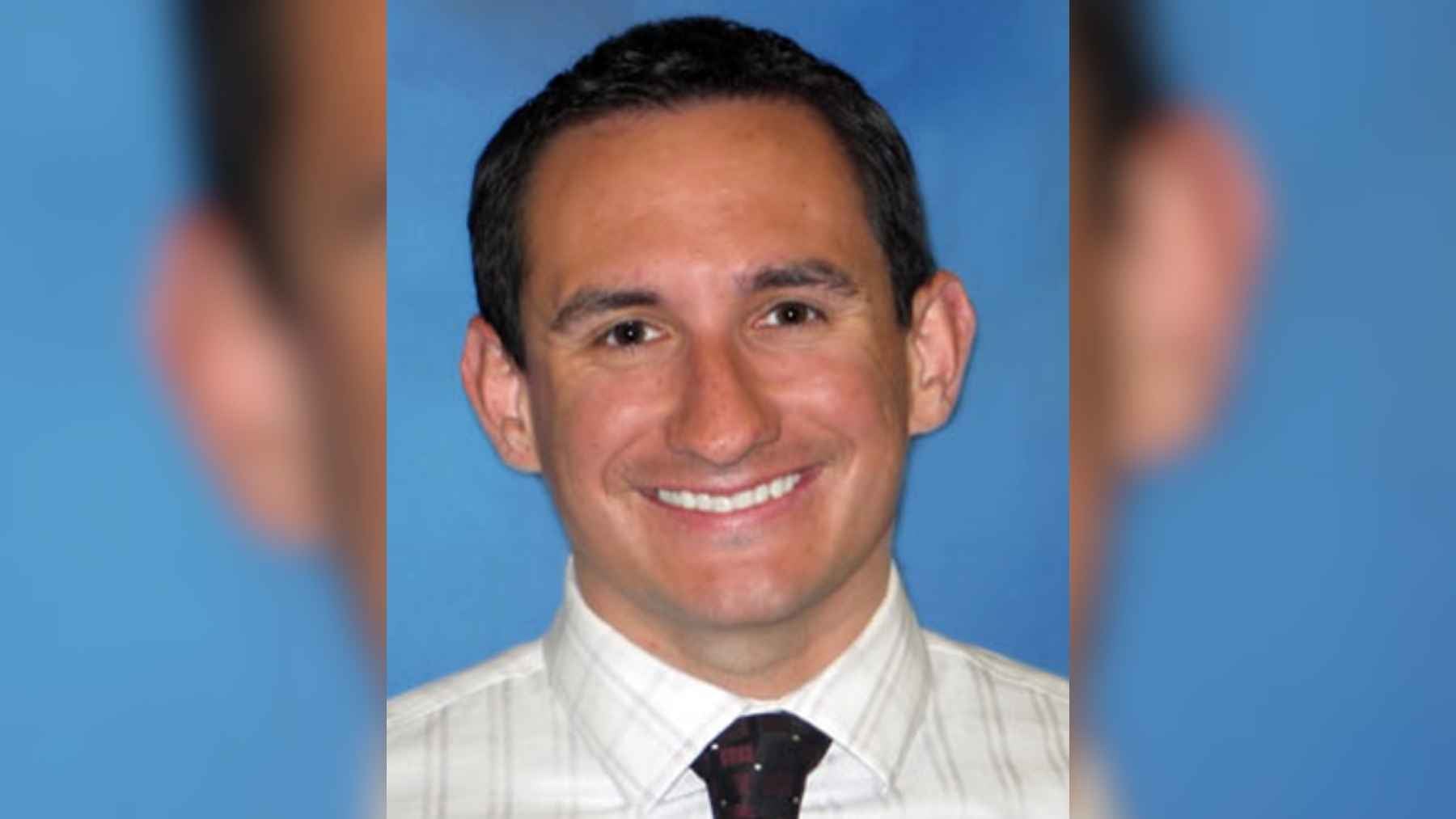
An emergency physician who had spent years treating stroke patients suddenly became one himself during an ordinary drive to work. Dr. Terrence Horan, 41, was heading to a shift at Kaiser Permanente Roseville when his right hand abruptly stopped working.
Within minutes, his speech also began to fail. The speed of his coworkers’ response helped limit the damage, and one year later he returned to a cycling challenge he once feared he would never attempt again.
A normal commute changed within minutes
Horan’s stroke happened in June 2025 as he drove toward the Roseville, California, hospital. He later described his hand as “completely flaccid and dead,” a sudden loss of movement that he immediately recognized as a possible stroke warning sign.
He reached the parking lot while speaking with his wife by phone and checking which neurologist was on duty. About two or three minutes after his arm became weak, he started struggling to speak. In that moment, the doctor became the patient.
His own emergency team took over
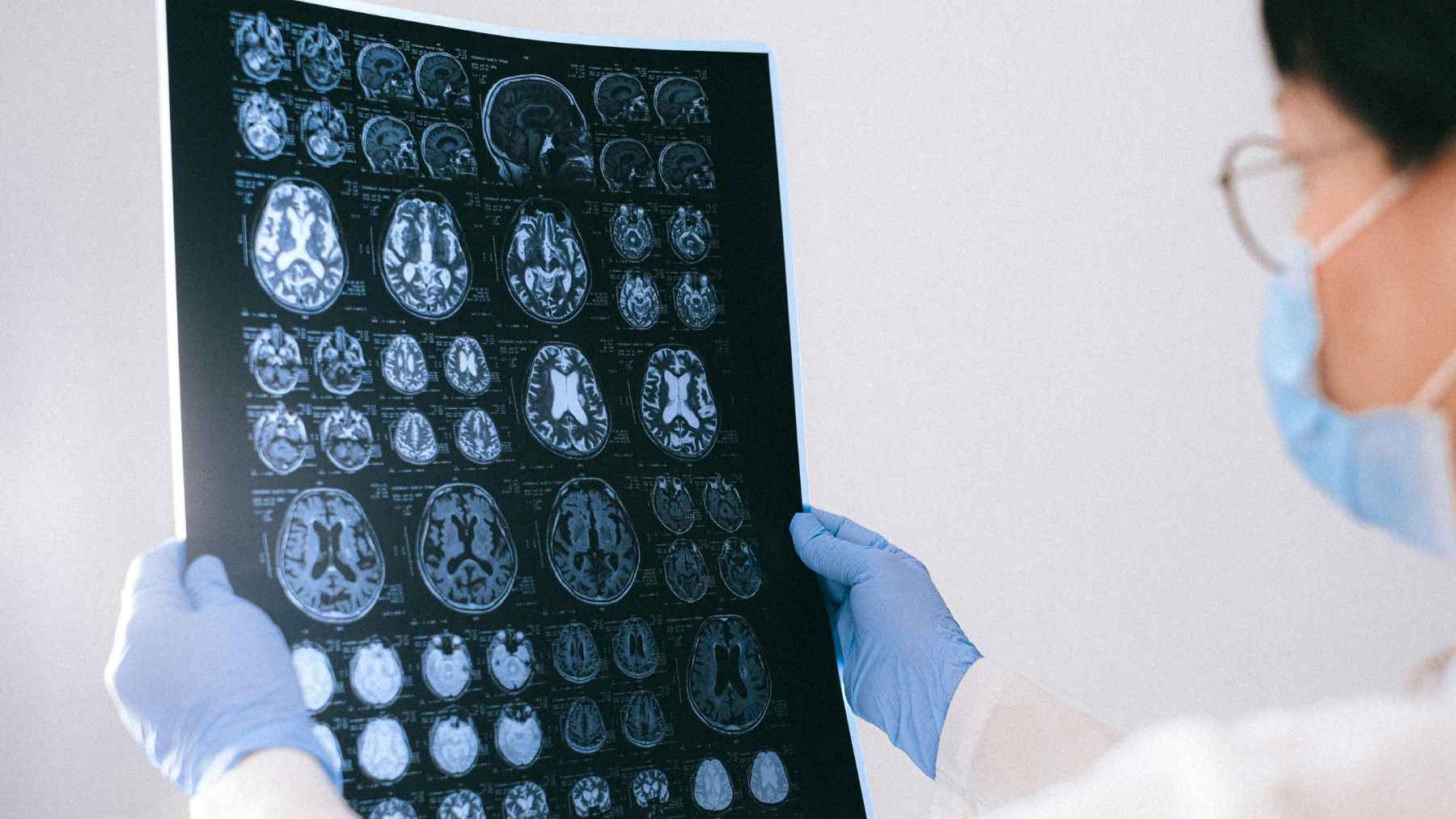
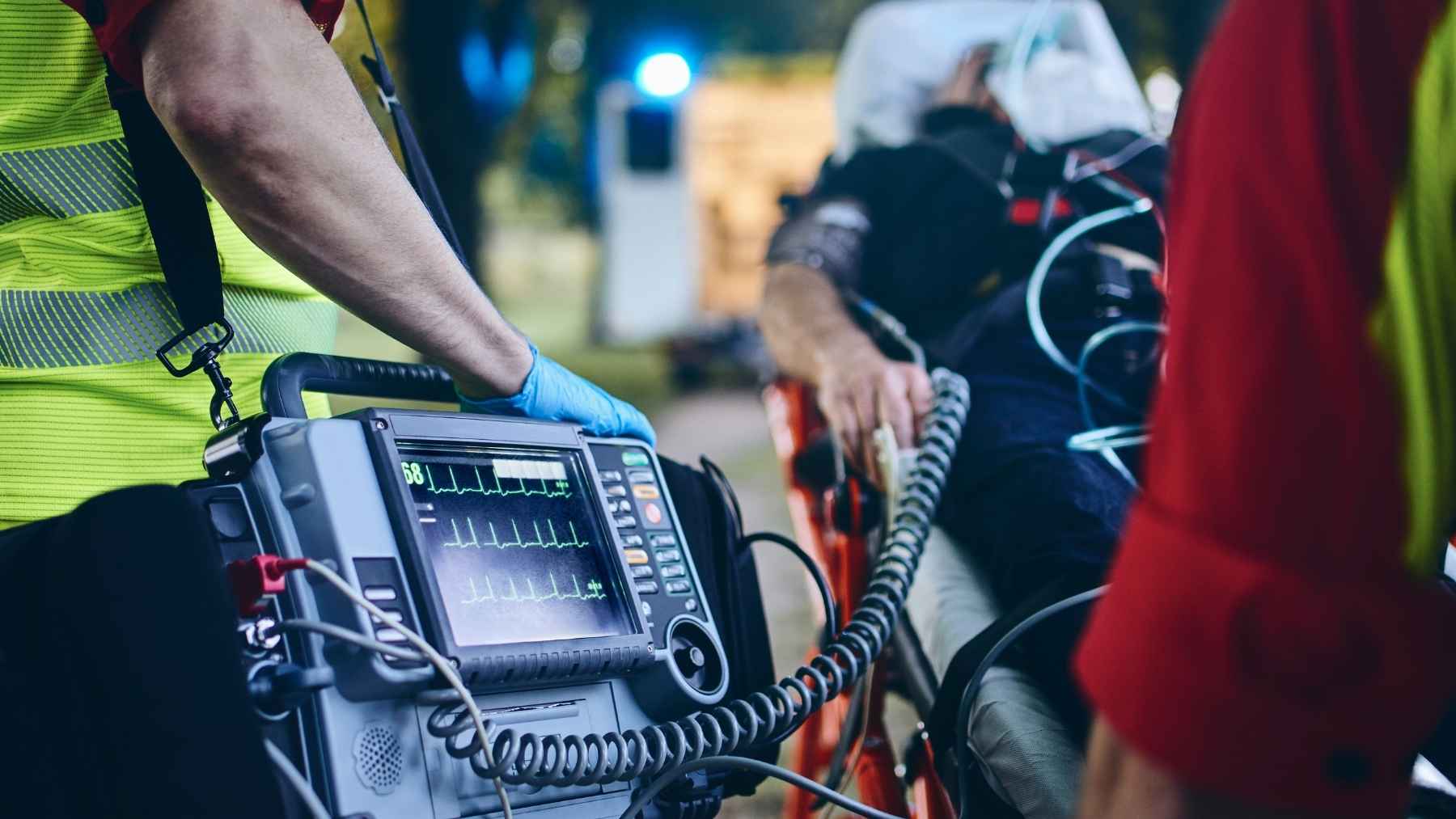
Horan’s colleagues moved quickly when he entered the emergency department. Registered nurse Kristen said the team brought in a remote neurology specialist through tele-neurology, placed an emergency physician at his bedside, and rushed him for a CT scan.
A CT scan is a rapid brain image that helps doctors determine whether a stroke was caused by a blocked blood vessel or bleeding. That distinction matters because the treatments are very different.
Neurologist Dr. John Geraghty said patients who arrive early can be evaluated and given appropriate care before more brain tissue is damaged.
Some blocked-blood-flow strokes can be treated with clot-busting medicine, while certain patients may need a procedure to remove a clot. The original report did not identify Horan’s medication or disclose the final cause of his stroke, so those details should not be assumed.
Doctors found an earlier silent stroke
While searching for the cause, the medical team found evidence that Horan had experienced a previous stroke without knowing it. That discovery helped guide his treatment and recovery, according to the local news report.
A silent stroke damages a small area of brain tissue without producing obvious warning signs at the time. It may be discovered later through CT or magnetic resonance imaging scans, and it can signal a higher risk of future neurological problems.
The finding was especially striking because Horan appeared exceptionally fit. He ran marathons and was training for a demanding mountain cycling event. But fitness is not a force field, and strokes can occur at any age.
The lesson is to call 911
Horan recognized the symptoms and drove himself to the hospital, but public health guidance says others should not follow that part of his example.
The Centers for Disease Control and Prevention advises people to call 911 rather than drive, because emergency crews can begin care on the way and alert the hospital before arrival.
How can someone recognize a stroke quickly? The B.E. F.A.S.T. warning signs cover sudden balance loss, eye or vision changes, face drooping, arm weakness, speech difficulty, and the need to call 911 immediately. Even one sudden symptom is enough to treat the situation as an emergency.
The numbers show why the message matters. The CDC reports that more than 795,000 people have a stroke in the United States each year, or about one person every 40 seconds. About nine in ten are ischemic strokes, meaning blood flow to part of the brain is blocked.
A 103-mile return one year later
The stroke interrupted Horan’s preparation for the Tour of the California Alps Death Ride, a 103-mile cycling event with more than 14,000 feet of climbing in the Sierra Nevada. After the stroke, he was unsure whether he would ever ride a bicycle again.
One year later, he completed the event for the fifth time. It was more than an athletic milestone. He credited the coworkers who acted within minutes and said, “I got a second chance.”
His return does not mean every stroke recovery follows the same path. Outcomes depend on the stroke’s location, severity, treatment speed, and access to rehabilitation. Still, his ride offered a visible measure of how far he had come.
His warning is now personal
Horan hopes his experience persuades people to seek emergency help as soon as weakness, speech trouble, facial drooping, vision changes, or loss of balance appears. “These neurons don’t always come back,” he said.
That is the central lesson. Do not wait for symptoms to improve, and do not assume youth or athletic fitness rules out a stroke. Minutes can separate a strong recovery from lifelong disability.
The original report was published by CBS News Sacramento.