Walking is often treated as the simplest item on the exercise menu. It costs nothing, requires no special equipment, and can fit between work, errands, or the evening rush.
But the payoff may extend far beyond calorie burning. Physician Rodrigo Arteaga highlights four less obvious benefits involving brain function, emotional well-being, circulation, and the ability to remain physically independent with age.
Walking sends signals from muscle to brain
In a translated statement, the physician says, “Walking helps your brain work better and age more slowly.” As the legs, hips, and core work, skeletal muscles release signaling proteins known as myokines, which researchers are studying as part of the communication network between muscle and the brain.
These proteins do not amount to a magic brain treatment. Still, scientific reviews support the broader idea that exercise helps muscles communicate with other organs, including the brain, while the exact effects of individual myokines in people remain under investigation.
Brain waste clearance may also play a role
The account also points to the glymphatic system, a fluid-based pathway that helps move metabolic waste out of brain tissue. Think of it as part of the brain’s cleanup system, although it works in a far more complex way than a household drain.
In 2025, a small Nature Communications study found increased markers of glymphatic influx and meningeal lymphatic flow among 16 healthy volunteers after a 12-week cycling program.
A separate single-session group of 21 volunteers did not show the same pattern, so the finding supports regular activity rather than proving that one 20-minute walk clears the brain.
That distinction matters. Public health evidence supports regular physical activity for memory, thinking, learning, and emotional balance, but scientists are still working out how much each biological mechanism contributes.

Dr. Rodrigo Arteaga says daily walking offers benefits beyond fitness, including support for brain function, circulation, and healthy aging.
A daily walk can soften mental strain
According to the physician, walking is associated with the release of serotonin, dopamine, and endorphins, chemical messengers tied to mood, motivation, and the body’s response to discomfort. The steady rhythm of the steps and more regular breathing may also help the nervous system move away from a constant state of alert.
A walk will not replace treatment for depression or anxiety. But it can create a useful pause from screens, deadlines, and the background noise of a busy day, and U.S. public health guidance recognizes reduced short-term anxiety and a lower risk of depression among the benefits of regular activity.
Sometimes the value is ordinary. Ten minutes around the block before work and another ten after dinner may feel more manageable than booking a gym session, yet the movement still counts.
Your calves help blood return to the heart
Every step activates the calf muscle pump. When the calf contracts, it compresses veins in the lower leg and helps push blood upward, while valves inside the veins limit backward flow.
“Every step squeezes the veins in your legs and helps blood return more easily to the heart,” the physician explains. Research on venous circulation supports that basic mechanism.
That does not mean the calves replace the heart. They support venous return, while the American Heart Association notes that regular activity such as walking can help lower blood pressure, improve cholesterol, and reduce cardiovascular risk over time.
Walking helps preserve everyday independence
Walking ability becomes a practical measure of independence with age. It affects whether someone can climb stairs, carry groceries, travel, and complete errands without relying on another person.
The National Institute on Aging-supported LIFE trial included 1,635 sedentary adults ages 70 to 89 and found that structured physical activity could reduce the risk of losing the ability to walk without assistance. That is a major outcome because mobility often determines whether everyday life remains self-directed.
The program combined walking with strength, flexibility, and balance exercises, so the result should not be credited to walking alone. Still, it reinforces the wider point that protecting mobility requires regular use of the body, not a last-minute effort after function has already declined.
Twenty minutes is a realistic starting point
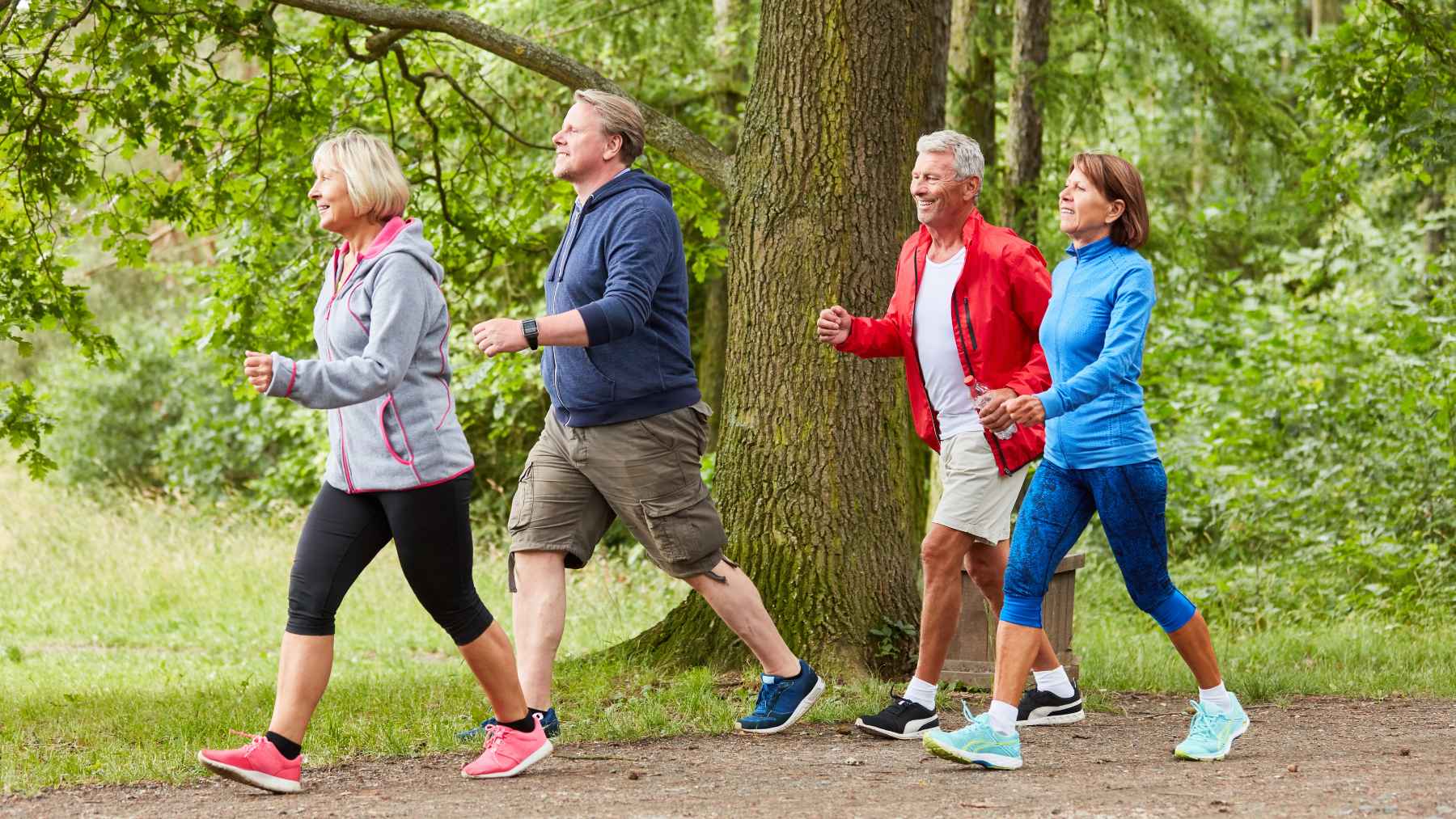
The physician recommends at least 20 minutes a day and says the time may be split into several shorter walks. That can make the habit easier for people who sit through long meetings or struggle to find a free half-hour.
Current Centers for Disease Control and Prevention guidance recommends at least 150 minutes of moderate-intensity activity each week, which works out to about 22 minutes a day. The total may be accumulated in smaller chunks, and brisk walking is one common way to reach it.
Walking for 20 minutes every day totals 140 minutes, so it is close to but slightly below that weekly benchmark. Even so, consistency matters more than chasing a perfect step count for one enthusiastic week, and people with chronic conditions or significant balance problems may need personalized advice before increasing their pace.
The original health guidance was published in an Instagram video