Seeing a high blood sugar reading can turn an ordinary day into a stressful one. Hyperglycemia means there is too much glucose in the bloodstream, often because the body has too little insulin or cannot use insulin effectively.
Food, illness, stress, missed medicine, and less activity than usual can all push the number higher.
Five everyday measures may help bring diabetes management back on track. The safest order matters more than any supposed quick fix, so start by checking the reading and following your personal care plan. Water, exercise, and food choices can support treatment, but they do not replace insulin, prescribed medicine, or emergency care.
Start by checking the number
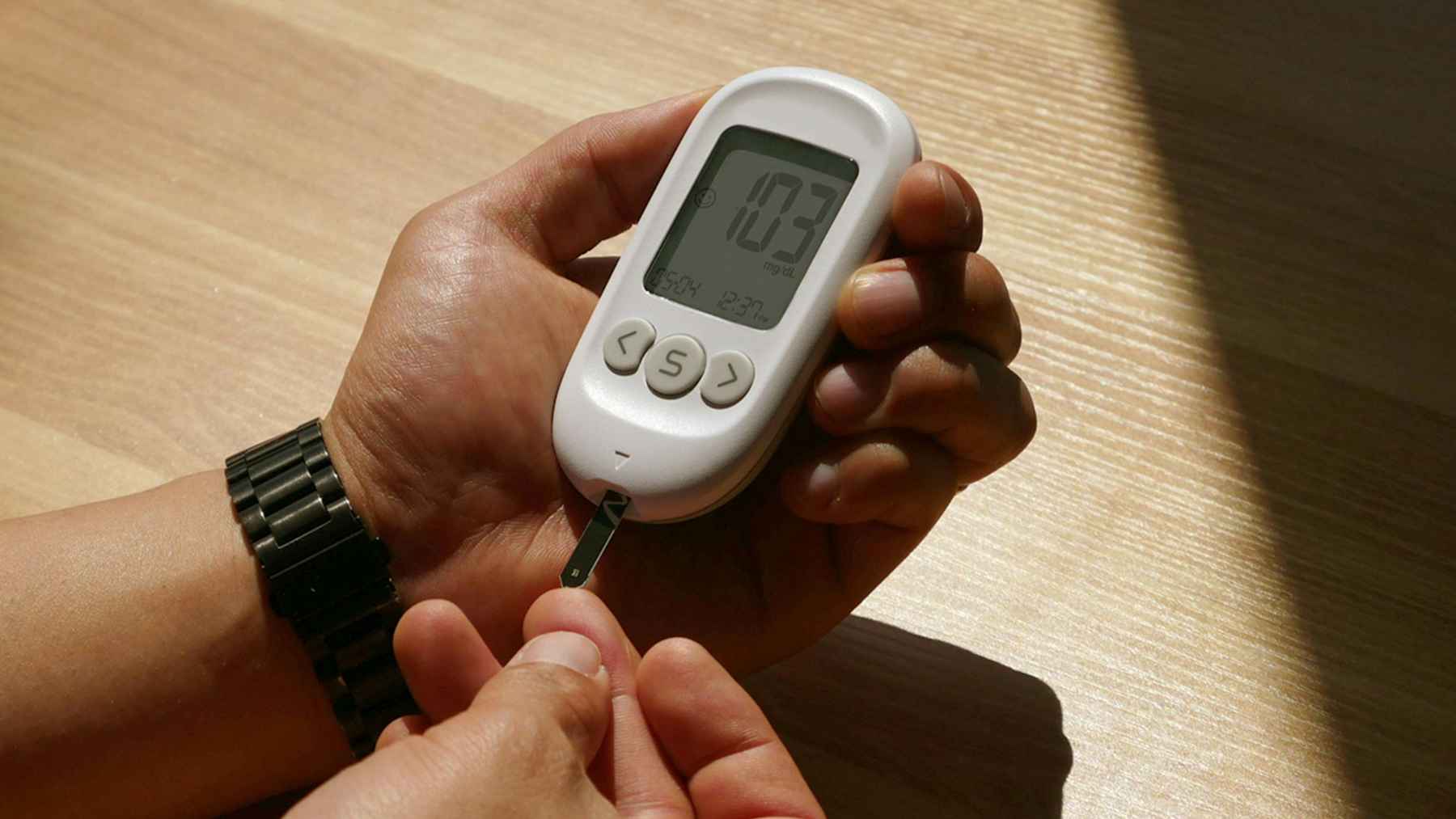
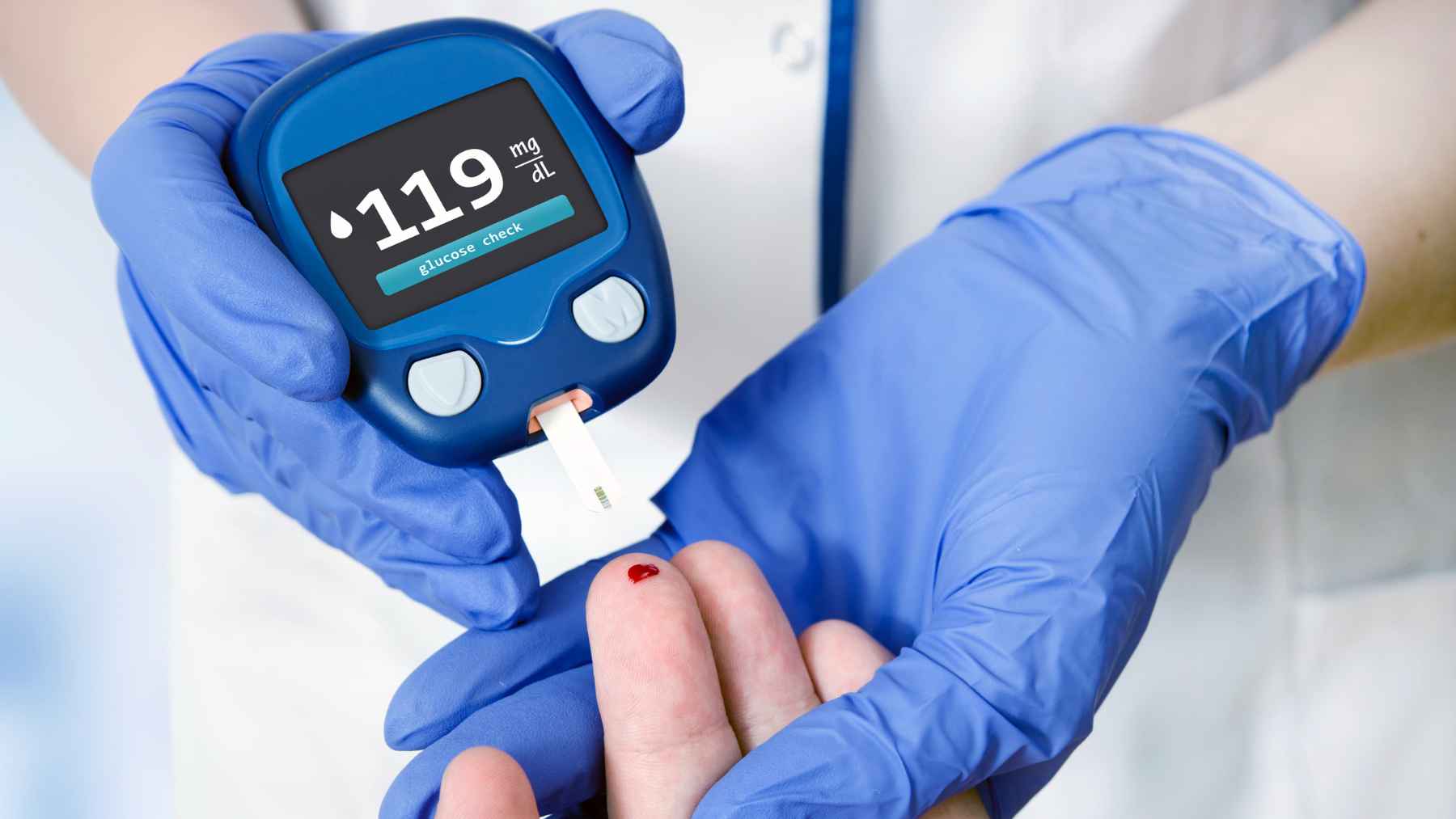
First, check your glucose and write down what was happening around the reading. Note the time, recent meals, medicine or insulin, physical activity, stress, and signs of illness. A glucose meter or continuous glucose monitor can turn a single number into a pattern your care team can actually use.
The Centers for Disease Control and Prevention says, “Monitoring your blood sugar is the most important thing you can do to manage diabetes.” For many nonpregnant adults, common goals are 80 to 130 mg/dL before meals and below 180 mg/dL one to two hours after a meal begins, though individual targets may differ.
Pregnancy, older age, and other health conditions can change those goals.
Move, but check for ketones first
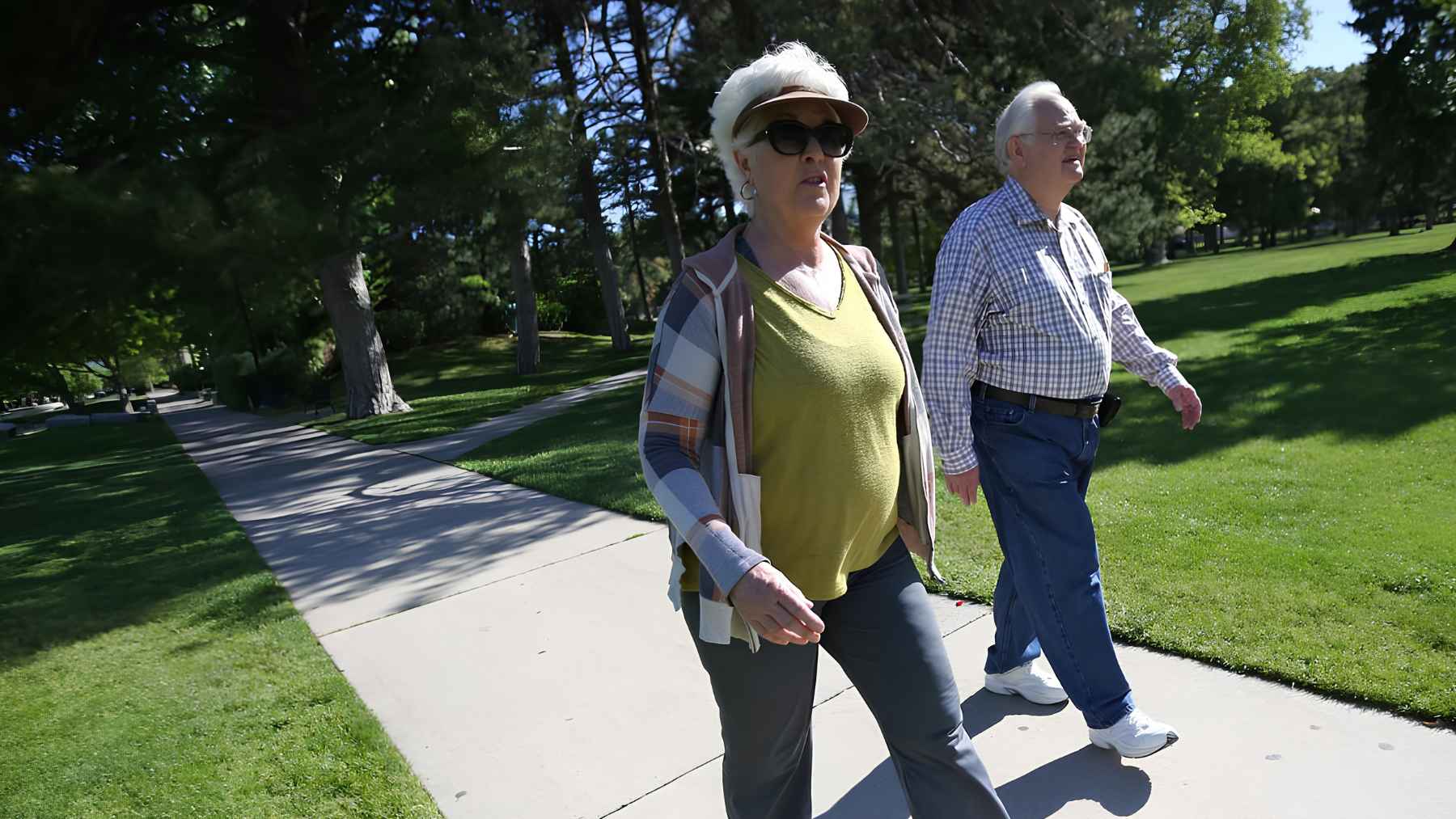
Aerobic activity such as walking, easy cycling, or swimming often lowers glucose because working muscles use it for energy. It can also make the body more sensitive to insulin. Even a walk around the block may be useful when it is safe for you.
A small Diabetes Care study led by Loretta DiPietro at George Washington University followed 10 inactive adults age 60 and older who were at risk for glucose intolerance.
Three 15-minute walks after meals improved glucose control over 24 hours and reduced the rise after dinner more than one continuous 45-minute walk. The study was small, so it is best viewed as a useful clue rather than a universal prescription.
There is an important catch. When glucose is above 240 mg/dL, guidance recommends checking for ketones, which are chemicals the body makes when it burns fat because too little insulin is available.
Do not exercise when ketones are present, since activity can drive glucose even higher, and ask a clinician before starting exercise if you have heart disease, major mobility limits, or another medical concern.

Staying hydrated with water can help prevent dehydration during episodes of high blood sugar, but it should complement, not replace, prescribed diabetes treatment.
Build a steadier plate
Carbohydrates are not automatically off-limits, but their type and portion matter. Sugary drinks, candy, white bread, and large servings of refined rice can raise glucose quickly, while fiber-rich foods tend to be absorbed more slowly. Pairing carbohydrates with protein, healthy fat, or fiber can also soften the rise.
picture a familiar dinner plate. Fill half with nonstarchy vegetables, one-quarter with lean protein, and one-quarter with a quality carbohydrate such as beans, brown rice, a whole grain, or fruit. That is usually more useful than simply labeling every white food “bad” and every brown food “good.”
Follow the treatment plan
Take diabetes pills and insulin at the times and doses prescribed. Do not wait for a high reading and then invent a correction dose, double a tablet, or move an insulin injection without instructions. Depending on the insulin and the person, meal timing can be crucial, which is why the written plan matters.
Repeated highs are a message, not a personal failure. They may point to illness, a medication timing issue, expired supplies, or a plan that needs adjusting. Contact the diabetes care team when readings stay above your target, especially during pregnancy, when glucose goals are usually tighter.
Drink water, not a flood
High glucose can increase urination, and that can leave the body dehydrated. With less water in the bloodstream, glucose becomes more concentrated, so regular water intake can help correct dehydration and is a better choice than soda or juice. It still cannot replace the medicine needed to move glucose out of the blood.
Endocrinologists Rodrigo Siqueira and Denise Franco have advised drinking water frequently during a high. Current U.S. guidance emphasizes preventing dehydration rather than following a fixed glass every 10 minutes, and forcing large amounts may be unsafe for people with chronic kidney disease or another fluid restriction. Sip regularly and follow any fluid limits set by your clinician.
Know when high blood sugar is urgent
What turns a high into an emergency? Warning signs include nausea, vomiting, stomach pain, rapid or difficult breathing, fruity-smelling breath, severe drowsiness, confusion, or an inability to keep fluids down. High ketones can signal diabetic ketoacidosis, a life-threatening condition that needs immediate medical care.
A single high reading still needs context, while persistent or worsening hyperglycemia deserves attention. Follow your sick-day plan, check ketones when instructed, and call your care team or emergency services based on that plan and your symptoms. The five steps above are guardrails, not a substitute for treatment.
The official diabetes care recommendations have been published in the American Diabetes Association’s 2026 Standards of Care in Diabetes.