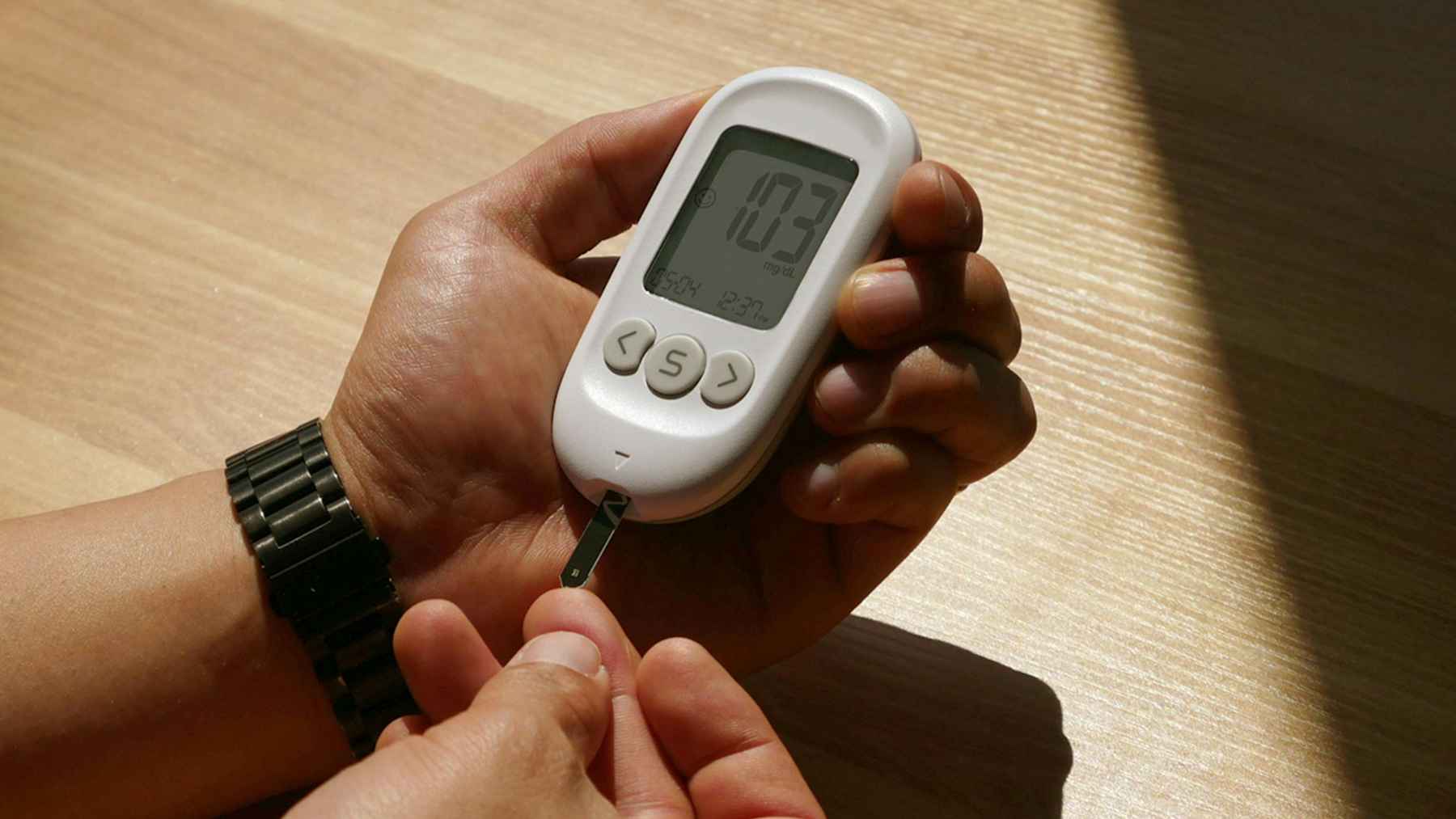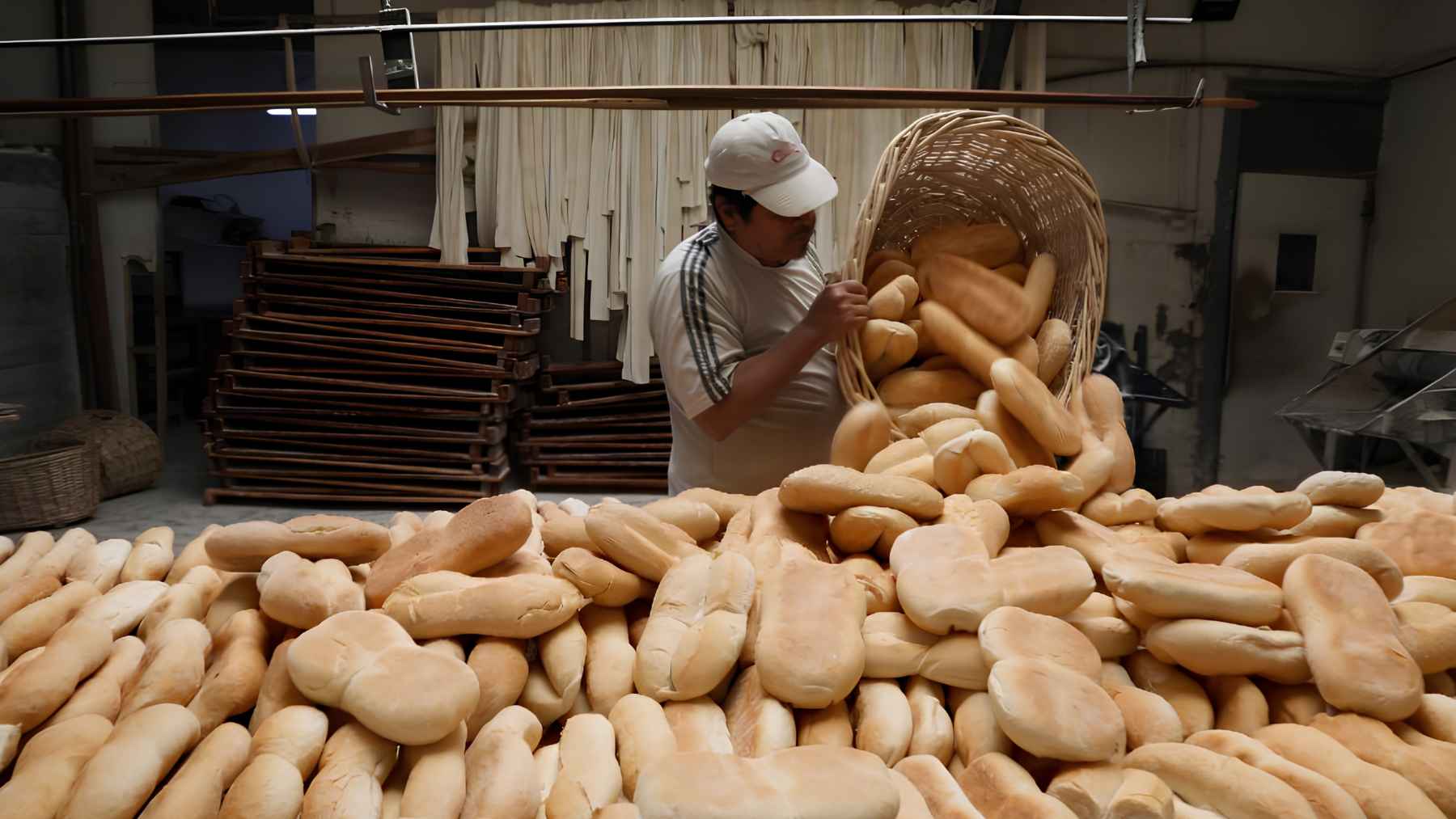
Chile’s marraqueta, also known as pan batido, is a staple at breakfast and “once,” the country’s traditional late-afternoon meal. Yet its reputation as a bread that “makes you gain weight” leaves many people wondering whether it belongs in a healthy diet.
Nutritionist Dana Bortnick of Clínica INDISA says it can, as long as the serving fits the person and the toppings add nutrition rather than simply more calories, sugar, saturated fat, and sodium. Her general guide is half a marraqueta at a meal, not an unlimited bread basket.
How much is a reasonable portion?
A whole marraqueta provides about 250 to 280 calories, depending on its size. For most people, the suggested serving is half a marraqueta at breakfast or once, which works out to roughly 125 to 140 calories before any toppings are added.
What does that mean over a full day? Someone who eats half at breakfast and another half during once would reach one whole marraqueta, but that should not be treated as a universal daily target.
The right amount depends on age, physical activity, overall food intake, and health conditions. A highly active person may have different energy needs from someone who spends most of the day sitting, while diabetes, high blood pressure, or abnormal blood fats may require a more personalized plan.
Why marraqueta is not automatically unhealthy
Traditional marraqueta has a relatively simple recipe made mainly from flour, water, yeast, and salt, without added fat in the dough. That gives it an advantage over some richer breads, but it does not make portion size irrelevant.
“The important thing is to control portions and choose the right toppings,” the nutritionist said. The bread is only one part of the meal.
A plain half marraqueta is very different from a full one piled with butter, processed meats, and sugary jam. The bread may be the most visible item on the plate, but the extras can quickly change the meal’s nutritional profile.
The healthiest toppings make a difference
Protein-rich options include eggs, fresh cheese, chicken, and tuna. These choices can turn the bread into a more balanced meal instead of leaving it as a quick source of white-flour carbohydrates.
Avocado and unsweetened nut butter can add healthier fats. On the other hand, butter, fatty cold cuts, and jam are better kept occasional or used in smaller amounts because they can add saturated fat, sodium, or sugar.
When possible, whole-grain bread is another useful option because it provides more fiber and may help people feel full for longer. Global healthy-diet guidance also favors whole grains, legumes, fruits, vegetables, and nuts while recommending limits on salt, sugar, and saturated fats.
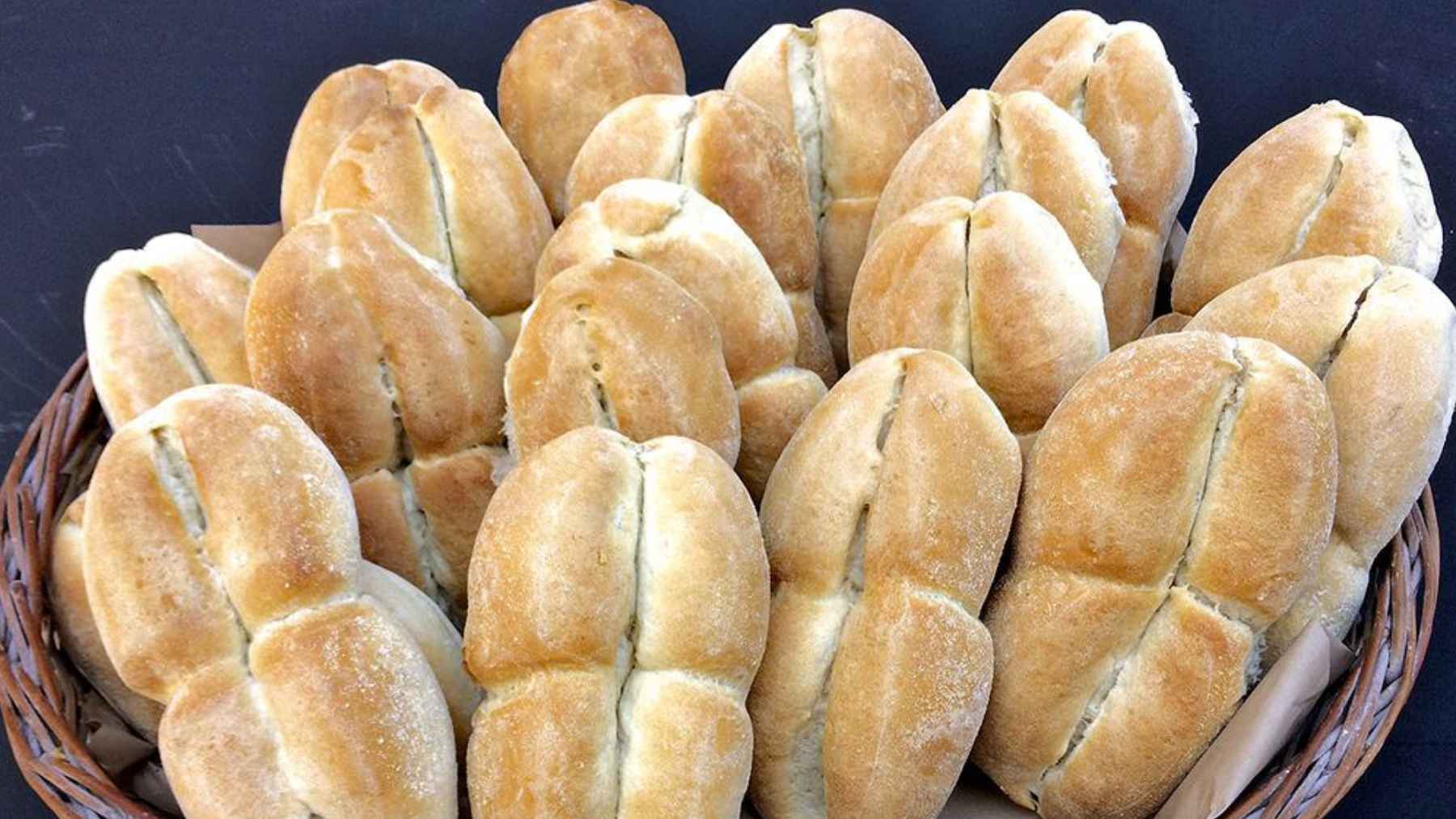
Freshly baked marraquetas are displayed in a bakery. Nutrition experts say moderate portions and nutritious toppings can make this traditional Chilean bread part of a balanced diet.
Does eating bread cause weight gain?
Bread is often blamed as if it were acting alone. But weight gain is generally linked to regularly consuming more energy than the body uses, with portion sizes, the broader diet, and inactivity all playing a role.
That distinction matters in everyday life. Half a marraqueta with egg and avocado does not create the same overall meal as a large serving covered with butter and processed meat, especially when the rest of the day also includes calorie-dense foods.
Regularly eating large amounts of white bread alongside foods high in fat and sodium is not recommended. When that pattern is combined with an unbalanced diet and little movement, it can contribute to a higher risk of obesity, type-2 diabetes, high blood pressure, and cardiovascular disease.
How to enjoy marraqueta without overdoing it
Keeping regular meal times can help prevent the kind of intense hunger that makes portions harder to control. It also helps to rotate bread with other carbohydrate sources such as oatmeal, brown rice, and beans rather than relying on the same food at every meal.
Movement matters too. The World Health Organization recommends that adults complete at least 150 minutes of moderate-intensity physical activity each week, which could be spread across several days through brisk walking, cycling, or similar exercise.
People with diabetes, hypertension, or abnormal cholesterol and triglyceride levels should seek individual advice from a qualified nutrition professional. For them, the best portion may depend on medication, blood sugar control, sodium limits, and the rest of the eating plan.
The practical daily answer
For most generally healthy adults, “half at a time” is the clearest takeaway. Eating half a marraqueta at one meal may fit comfortably into a balanced diet, and two such servings would equal one whole marraqueta across the day.
Still, the number alone does not tell the full story. Size varies, toppings matter, and a person’s total calorie needs cannot be reduced to a single piece of bread.
“It is not about banning marraqueta,” the specialist concluded. The more useful approach is to eat it consciously, pair it with nourishing foods, stay active, and adjust the serving when health needs call for it.
The nutrition guidance was published in a Clínica INDISA.