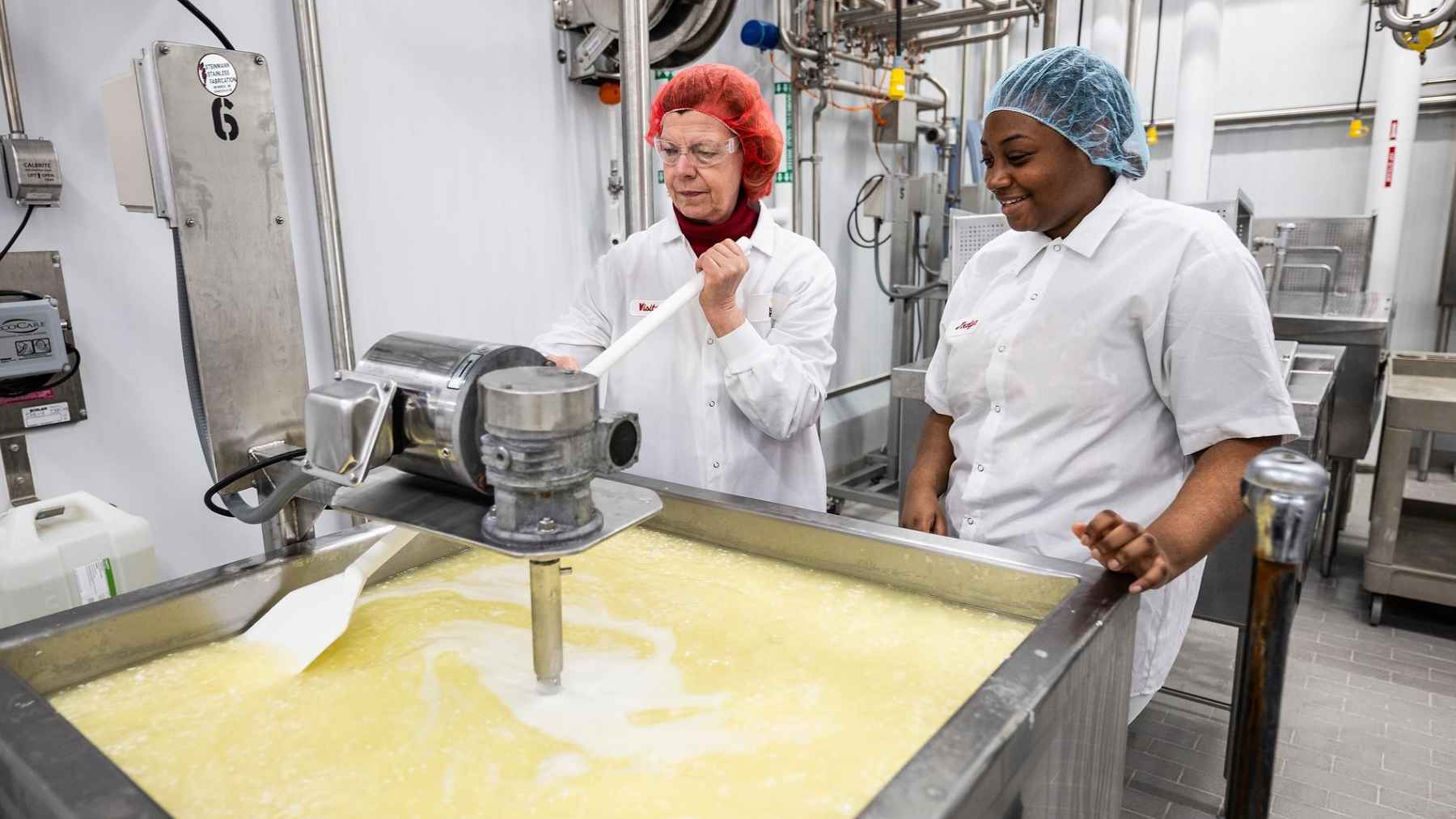
That scoop of whey protein in a gym shaker began as the pale liquid left behind when milk becomes cheese. For decades, many dairy plants treated it as a disposal problem, feeding some of it to pigs, spreading it as fertilizer, or sending it to sewers and waterways instead of using it as food.
The turnaround was driven by pressure and technology. Tighter wastewater rules made dumping harder and more expensive, while membrane filters gave processors a gentler way to recover valuable protein. How did a troublesome cheese byproduct become widely used in sports and clinical nutrition?
What whey really is
During cheesemaking, enzymes or acid cause the main milk proteins to form curds. Those curds become cheese, while the remaining liquid is whey, a mixture of water, lactose, minerals, and soluble proteins.
The volumes add up quickly. A typical operation can produce about 9 lbs. of liquid whey for every pound of cheese, which is roughly one gallon. In the early 1970s, a 1974 EPA analysis estimated that 30% to 50% of whey was not being turned into a finished product and was instead fed raw to livestock or discarded.
Why rivers paid the price
Whey is not poisonous in the same way as a harsh industrial chemical. The problem is its heavy load of lactose and other organic material, which feeds microbes that consume dissolved oxygen as they break it down.
Scientists call this oxygen drain “biochemical oxygen demand.” Some whey-rich dairy streams can carry roughly 150 times the organic pollution load of typical urban wastewater. A harmless-looking, milky liquid can therefore overwhelm a treatment plant or leave fish and other aquatic life short of oxygen.
Rules changed the math
The United States issued national dairy effluent standards in 1974 and 1975. The rules covered plants that discharged directly into waterways and those that sent wastewater to municipal systems, pushing processors to control what left the factory drain.
By 1990, USDA analysts were directly linking the growth of whey protein concentrate to rising cheese production and environmental limits on whey disposal. Waste now carried a financial cost. Recovering the milk solids began to look less like an experiment and more like sensible business.
Filters unlocked the protein
Early recovery methods often depended heavily on evaporation and heat. Heat can unfold whey proteins and make them clump, reducing solubility and limiting how well they work in drinks and other foods.
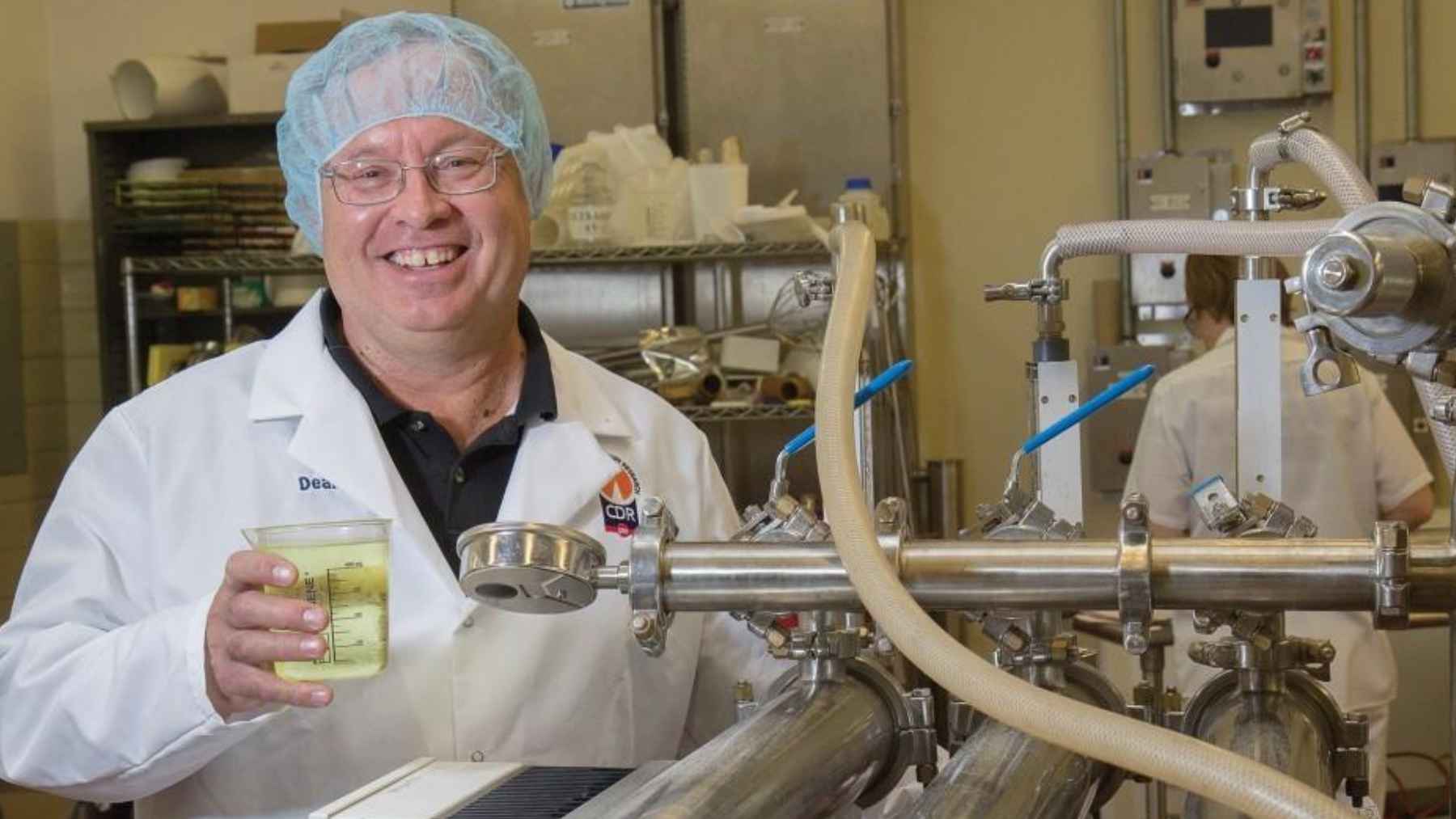
Membrane technology changed that. Microfiltration can remove fat and bacteria, while ultrafiltration retains the larger protein molecules and lets much of the water, lactose, and minerals pass through. Think of several increasingly fine kitchen strainers working at a microscopic scale.
The concentrated liquid can then be dried into powder. Commercial whey protein isolates generally contain more than 90% protein by dry weight, while concentrates retain more lactose, minerals, and other milk components.
That flexibility opened the door to protein bars, baked foods, yogurt, infant formula, and the familiar tub beside the blender.
Why nutrition markets wanted it
Whey is a complete protein, meaning it supplies all nine essential amino acids that the body cannot make on its own. It is also digested quickly and is relatively rich in leucine, an amino acid that helps signal muscles to build new protein after food and exercise.
That makes whey convenient, not magical. A sports nutrition position paper supports it as one effective way to add high-quality protein, particularly alongside resistance training, but the results still depend on a person’s overall diet, activity, age, and needs. A shaker bottle cannot replace the workout.
Clinical nutrition products also use whey because a small serving can deliver a concentrated amount of protein. Studies in older adults suggest benefits in some settings, especially when supplementation is paired with exercise or used for people at risk of muscle loss, but recent evidence does not support routine protein supplements for every healthy older person.
The work is not finished
The stream left after protein filtration also has value. Lactose recovered from whey is used in infant foods, baked goods, candy, and pharmaceuticals, where it can serve as an inactive ingredient that helps give tablets or powders their form, according to an FDA review.
A 2024 review led by Volodymyr Besediuk and colleagues argues that whey should be separated from ordinary dairy wastewater and treated as a resource. The authors also warn that substantial volumes are still underused, especially where smaller processors cannot afford filtration, drying equipment, energy, and quality controls.
Still, the shift is striking. What once raised wastewater costs and threatened rivers now supplies protein, lactose, and useful food ingredients. Regulation and engineering made that change possible.
The main review was published in the Journal of Agriculture and Food Research.