What if the safest transfusion is the one a patient never needs? A new hospital plan in northwestern Spain is putting that question at the center of surgical care by preventing anemia, reducing bleeding, and using donated blood only when truly necessary.
The Patient Blood Management program was unveiled July 7 for the Santiago de Compostela and Barbanza health area.
Rather than treating transfusion as the automatic answer to low blood counts, the plan follows patients before, during, and after surgery so their own blood can be protected and rebuilt whenever possible.
Why doctors compare transfusion to transplant
Sonia Veiras del Río, head of anesthesiology at the Santiago University Hospital Complex, described donated blood as a “liquid organ” from another person. “A transfusion is very similar to a transplant,” she said, warning that the procedure should not be treated as harmless or routine.
The comparison does not mean a blood transfusion and an organ transplant are medically identical. It highlights that blood cells and plasma come from another human body, so the recipient’s immune system can react. Doctors must weigh the expected benefit against the risk every time.
Transfusions save lives but carry risks
Some reactions are mild, while rare complications can become serious. Transfusion-associated circulatory overload (TACO) happens when added blood volume overloads the circulatory system and strains the heart and lungs. Transfusion-related acute lung injury (TRALI) is a sudden lung injury associated with a transfusion.
The Centers for Disease Control and Prevention offers a sense of scale. In 2023, hospitals reported about 19 cases of TACO for every 100,000 blood components transfused and about one case of TRALI for every 100,000 components.
Those figures track components rather than individual patients, but the complications are uncommon, not imaginary.
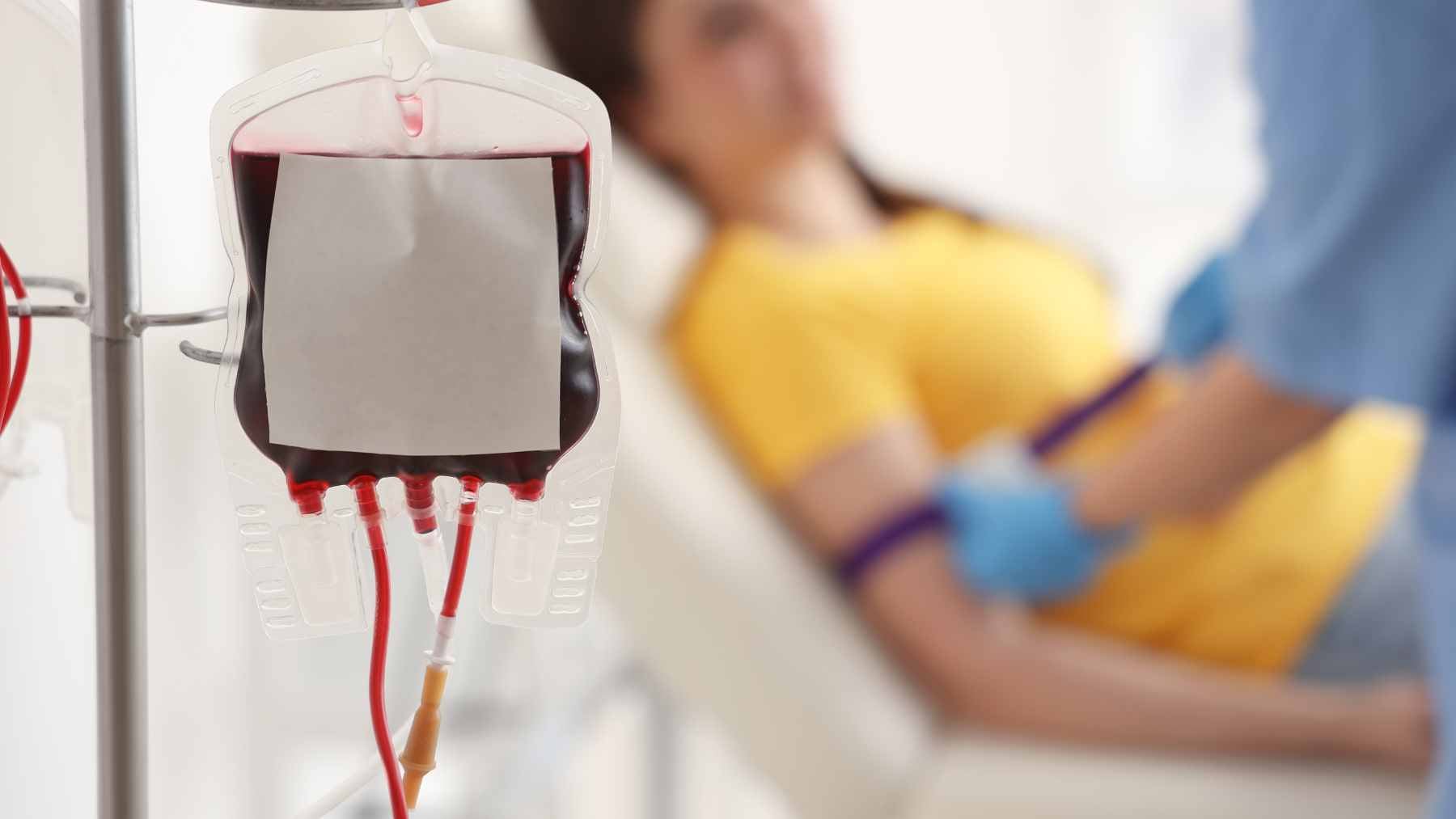
Infections also need context. The European Centre for Disease Prevention and Control says tight regulation has made hepatitis B transmission through unscreened blood extremely rare in Europe, while the World Health Organization calls for all donations to be tested for hepatitis B, hepatitis C, HIV, and syphilis.
Even so, no medical procedure is completely free of risk.
The plan starts before surgery
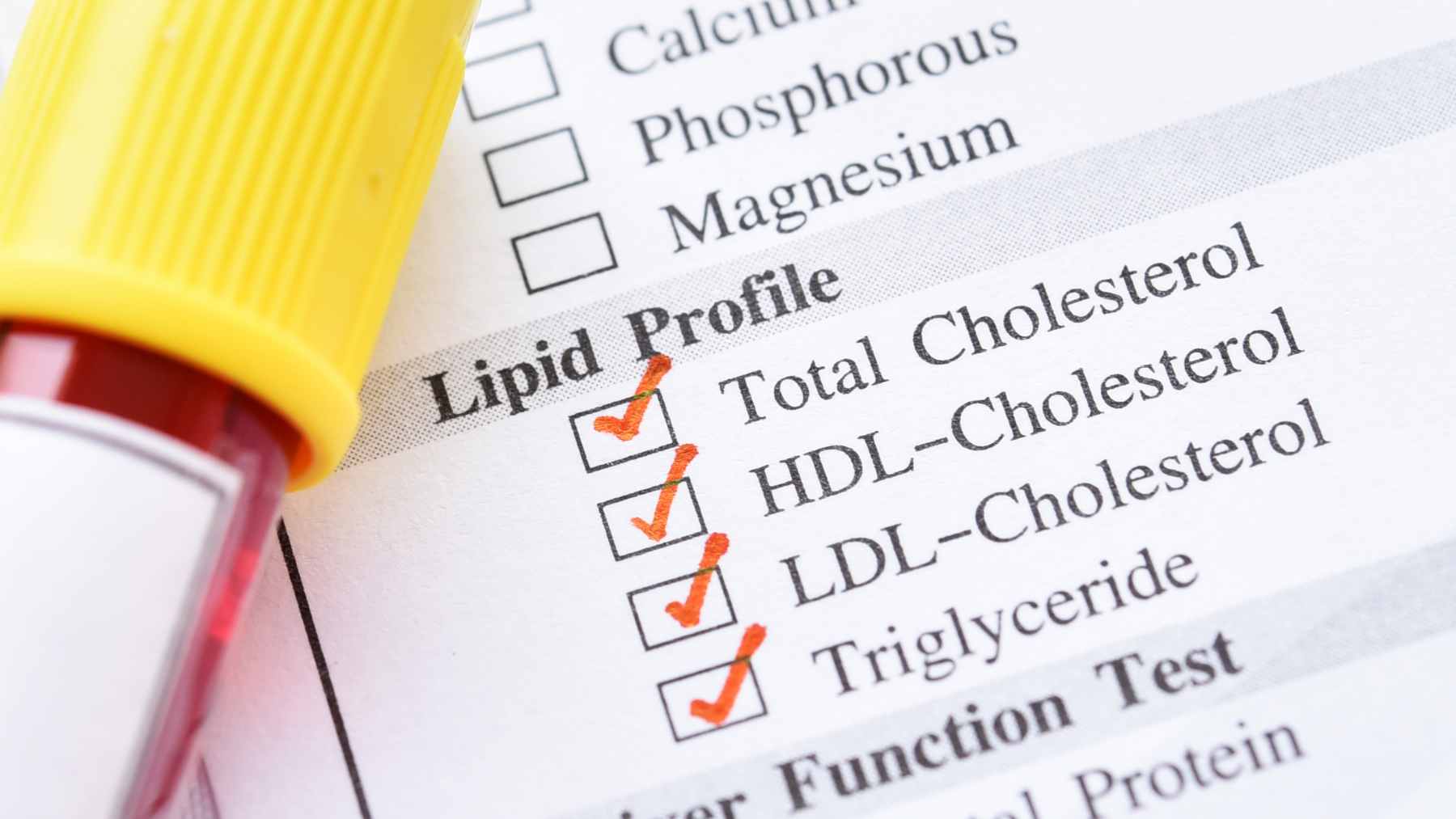
The first pillar is finding and treating anemia early. Anemia means the blood cannot carry oxygen as effectively as it should, which can leave someone tired, weak, or short of breath. A patient who reaches surgery with low hemoglobin is more likely to need donated blood if heavy bleeding occurs.
The plan gives primary care a larger role in spotting iron deficiency and starting follow-up before the problem becomes serious. The best time to prevent a transfusion may be weeks before an operation, not during a crisis under bright operating-room lights.
This is a shift from reactive medicine to preparation. The strategy also calls for updated guidance, staff training, clinical indicators, and computer alerts that can help teams make more consistent decisions.
Saving a patient’s blood in the operating room
The second pillar is limiting blood loss and helping the blood clot properly. Surgical teams can use medications that support clotting, rapid tests that show why bleeding continues, and protocols for massive hemorrhage.
The aim is not to block a necessary transfusion but to avoid giving more blood than the patient needs.
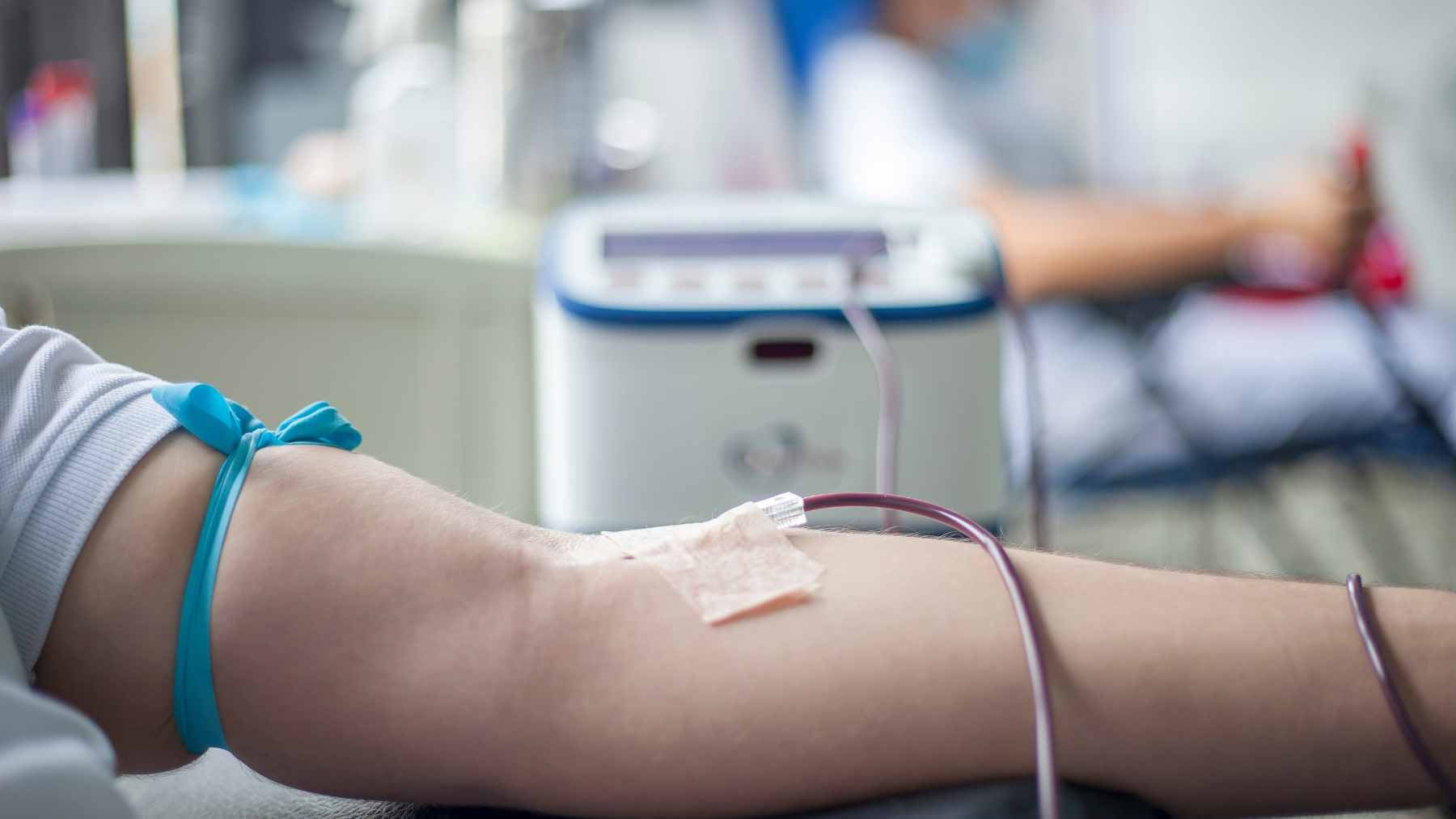
In some operations, machines collect blood lost by the patient, filter and clean it, then return it to that same person. Think of it as recycling the patient’s own blood inside a controlled medical system. It can reduce reliance on donor units while using blood already matched to the patient.
The program brings together more than a dozen hospital fields, including family medicine, hematology, intensive care, surgery, nursing, pharmacy, and information technology. That broad team matters because blood loss and anemia do not belong to one department alone.
Recovery continues after the operation
The third pillar focuses on postoperative anemia. Even careful surgery can leave a patient with low hemoglobin, making an ordinary walk down the hallway feel exhausting and potentially slowing recovery. The goal is to rebuild blood levels when possible without automatically reaching for donor blood.
That can involve identifying the cause of anemia, monitoring symptoms, and choosing treatment based on the patient’s condition. At the end of the day, patient blood management is not about denying blood, it is about giving the right treatment at the right moment.
Blood donors still matter
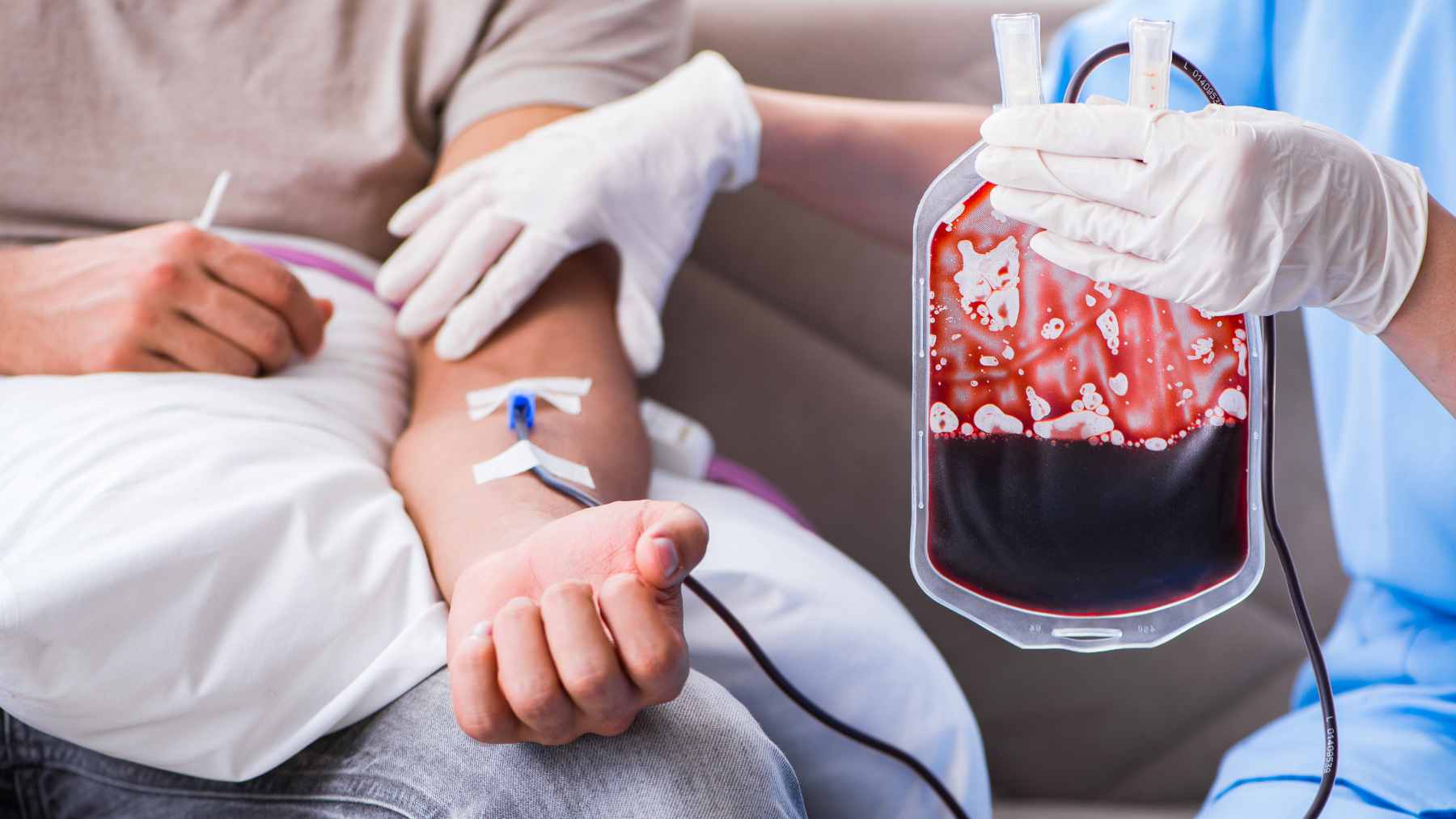
Using fewer unnecessary transfusions does not reduce the need for donors. The interview noted that university students make a major contribution locally, while vacation periods can thin supplies enough to affect surgery schedules. A unit saved today may be the unit needed after a traffic crash tomorrow.
Demand is also shaped by an aging population and increasingly complex operations. At the same time, some older people and patients with serious heart or kidney conditions cannot donate. That leaves a smaller eligible group carrying more responsibility.
Better blood management and blood donation are partners, not rivals. Hospitals should respect every donated unit, while communities must keep giving so blood is available for trauma, cancer treatment, childbirth, major surgery, and other emergencies. Both sides play a part.
The official press release on the Patient Blood Management plan was published by the Galician Health Service.