Most people know the feeling. The week disappears, the phone keeps buzzing, and the things that matter most get pushed to “later.” It is ordinary, and that is the point.
That is why one brief saying, widely attributed to the Chinese philosopher Confucius, keeps resurfacing in books, talks, and social media posts. “We have two lives, and the second begins when we realize we only have one.”
The line lands like a small alarm clock, the kind that interrupts a morning before habit takes over.
A line with ancient roots
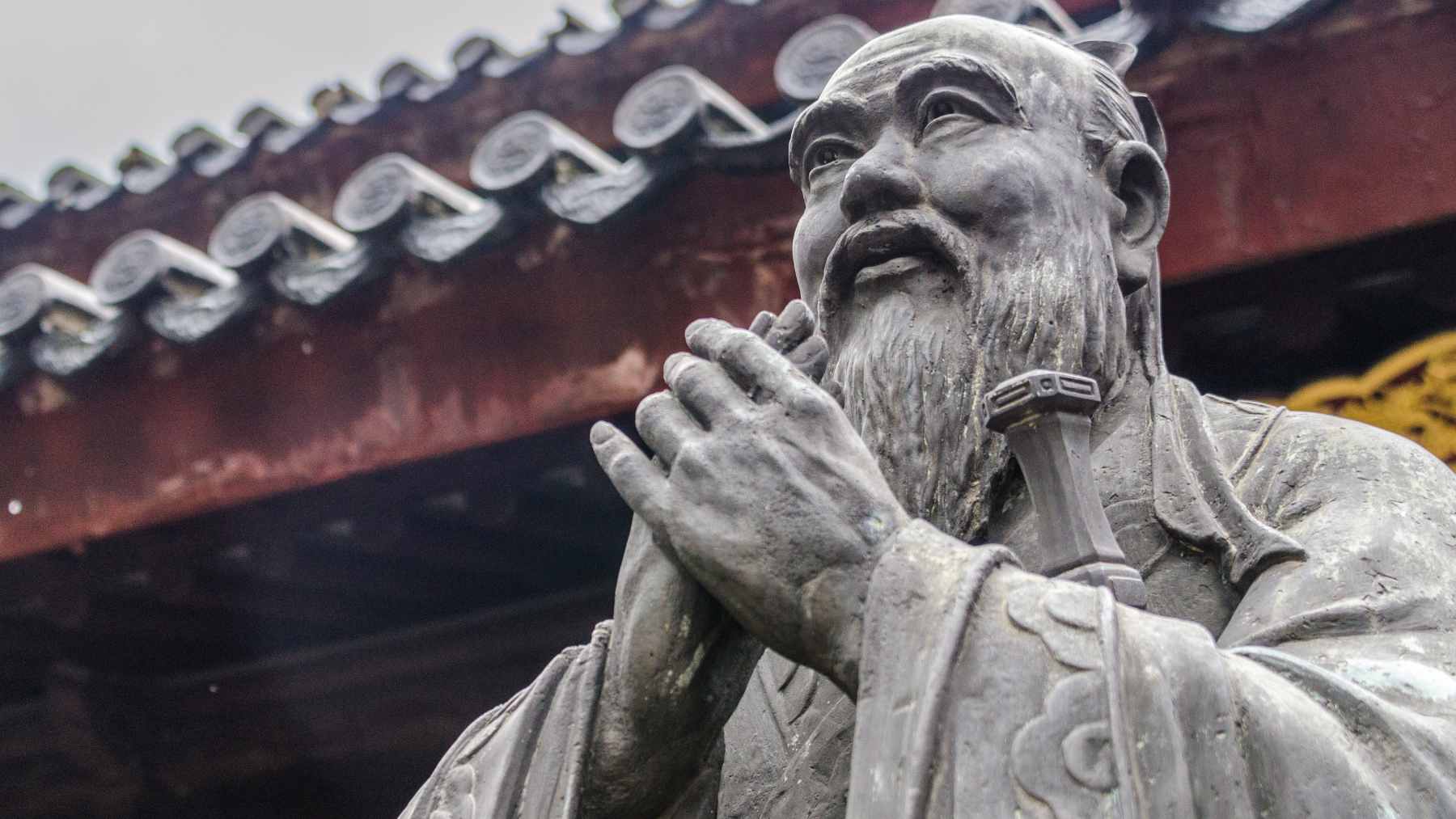
Confucius lived from 551 to 479 BCE and is known in China as Kongzi, or Master Kong. Scholars generally treat The Analects as the traditional source for many of his teachings, although they also warn that the record is complex and was shaped after his death.
That matters because quote culture often attaches famous names to simple aphorisms. For that reason, the exact wording is best described cautiously as attributed, not quoted here as a confirmed line from The Analects.
Still, the thought fits a broad Confucian concern with moral growth, daily conduct, and the way a person lives among others. The Library of Congress has described The Analects as an effort to preserve teachings about a person’s proper relation to himself, his community, the state, and the natural world.
The second life begins with awareness
At its core, the quote divides human experience into two stages. The first is the life lived on autopilot, shaped by fear, meeting other people’s expectations, and the habit of putting off difficult but necessary choices.
It is a simple framework, but it can characterise the excuses of not living life fully consciously that fill ordinary weeks.
Then comes the jolt. A loss, a health scare, a broken relationship, or even one quiet evening of honesty can make the illusion of endless time collapse.
What changes after that? Often, the simple things stop looking so small. A meal with family, a laugh in front of the television, or a regular conversation in the kitchen can suddenly feel like the real material of a life.
Why mortality changes priorities
Psychologists often use the term mortality awareness for the recognition that life is finite. A 2012 research review by Kenneth E. Vail III and colleagues found that awareness of death can sometimes push people toward healthier choices, stronger relationships, growth-oriented goals, and more open-minded behavior.
That does not mean thinking about death is always easy or helpful. The same field of research also shows that reminders of mortality can produce anxiety or defensive reactions, especially when people feel unsupported or lack a sense of meaning.
Purpose seems to matter here. In a 2014 study, Patrick L. Hill and Nicholas A. Turiano used data from the Midlife in the United States sample and found that people with a stronger sense of purpose lived longer during a 14-year follow-up, even after accounting for other parts of well-being.
What it means in daily life
In practical terms, the quote is not asking anyone to quit a job, sell everything, or chase constant excitement. It asks a quieter question. What would change if the time you have left felt real?
For many people, the answer begins with small decisions. Make the call, apologize first, protect the hour you always give away, or stop treating rest like something you must earn.

There is a work lesson here too. The inbox will refill, the meeting will run long, and another deadline will appear. But the point is not to ignore responsibility. It is to stop mixing up importance with urgency.
A practical kind of freedom
Recognizing life’s limits can feel heavy, but it can also free people from pressures that are mostly noise.
Status, resentment, and other people’s approval lose some of their grip when measured against the plain fact that no one gets a rehearsal, not at the office, not at home, and not in the quiet hours after everyone else has gone to bed.
That is where the old idea feels modern. At the end of the day, what it is trying to do is move attention from habit to choice, from waiting to acting, and from drifting to living with purpose.
The strongest reading of the quote is not gloomy. It is an invitation to begin sooner, before the calendar, the body, or circumstance forces the lesson. The main classical work associated with Confucius’ teachings has been preserved and published as The Analects.
The main study on purpose and mortality was published in Psychological Science.