A large European screening project has found something many routine checkups can miss, liver damage in people who had no idea anything was wrong.
The LiverScreen project reported that 1.6 percent of adults age 40 and older in its study had previously undiagnosed liver disease with fibrosis, roughly 1 out of every 60 people.
That matters because liver fibrosis can grow quietly for years before symptoms appear. By the time someone feels sick, the damage may already be harder to reverse, and the next stops can include cirrhosis or liver cancer. Not exactly a small warning light.
What fibrosis means
Liver fibrosis is scarring inside the liver. It happens when the organ is injured again and again, often over many years, and the normal repair process leaves behind stiff tissue instead of healthy tissue.
Think of it like a road that keeps getting patched after repeated damage. At first, traffic still moves. Over time, those patches can build up until the road is no longer safe to drive on.
Pere Ginès, senior consultant in hepatology at Hospital Clínic Barcelona and professor of medicine at the University of Barcelona, put the problem plainly.
“Liver disease develops very slowly, even over 25 or 30 years,” he said, adding that many patients do not seek care because they have no symptoms and ordinary tests do not always detect the disease.

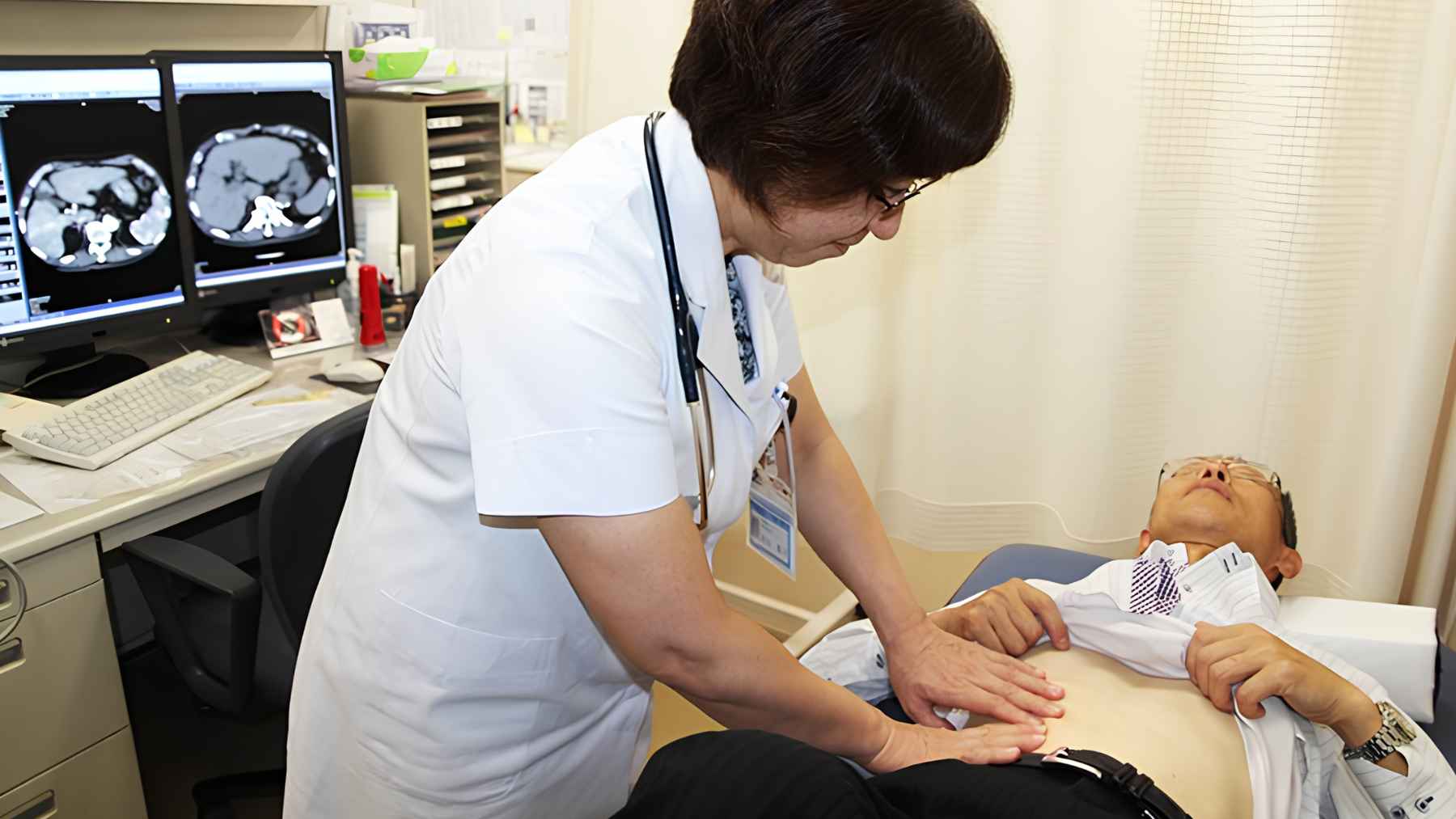
Liver specialist Pere Ginés, a leading hepatologist involved in the European LiverScreen project. He warns that liver disease can progress silently for decades, making early screening essential for detecting fibrosis before serious complications develop.
The hidden checkup gap
The study is part of LiverScreen, a European project coordinated by IDIBAPS and funded through Horizon 2020. Nearly 30,000 people over 40 from nine European countries were assessed with FibroScan, a noninvasive test that measures liver stiffness without requiring a biopsy.
The first screening step found that 4.6 percent of participants had elevated results that suggested fibrosis and needed hospital confirmation. After that second check, 32 percent of those referred were confirmed to have chronic liver disease with fibrosis, equal to about 1.6 percent of the total group studied.
Rafael Bañares, president of the Spanish Association for the Study of the Liver and professor of medicine at the Complutense University of Madrid, said the findings show why silent cases matter.
Detecting patients before symptoms appear, he warned, can help prevent hospitalizations, delicate prognoses, and much more complex treatments.
Who faces higher risk
The pattern was not random. The research linked liver fibrosis mainly with metabolic problems such as obesity, type 2 diabetes, high blood pressure, abnormal blood fats, and harmful alcohol consumption.
Those risk factors are familiar because they are part of everyday health conversations. They show up in family doctor visits, in discussions about weight, in blood sugar checks, and sometimes in the quiet worry after one more night of drinking than planned.
The study also found that these risks can stack up. When several appear together, the chance of liver fibrosis rises, which is why experts argue that screening should not focus only on a narrow group of patients.
Why early testing matters
The promise of early testing is simple. A person who learns about liver fibrosis before symptoms start still has time to change course, whether that means treating diabetes, reducing alcohol intake, losing weight, or getting closer medical follow-up.
That does not mean every adult needs panic or a hospital visit tomorrow. But it does suggest that the liver deserves a more routine place in prevention, much like the heart already gets through blood pressure checks and cholesterol testing.
A 2022 LiverScreen study protocol described the project’s goal clearly. Researchers wanted to find out whether measuring liver stiffness in the general population could identify people with asymptomatic chronic liver disease early enough to intervene.
What could change next
The bigger idea is not just to diagnose more disease. It is to catch liver damage while it is still manageable, before the conversation turns into cirrhosis, cancer, or transplantation.
The European Commission’s CORDIS summary says the project is pushing for a screening process similar in spirit to checks already used for colorectal, breast, and prostate cancers. It also points to LiverRisk, a tool that uses standard health data to help clinicians estimate liver risk.
At the end of the day, the study’s message is not complicated. The liver may stay quiet for decades, but silence is not the same as safety.
The main study has been published in The Lancet.