Longevity often sounds like a retirement topic, something for older adults, supplements, and careful lab tests. In Slovakia, a warning from cardiology is pulling the idea much closer to midlife.
In a recent interview, Dr. Štefan Farský, listed by the European Society of Cardiology as Slovakia’s national cardiovascular prevention coordinator, warned that too many people in their 40s and 50s are dying suddenly from preventable disease.
“Unfortunately, we have many preventable deaths,” he said, while pointing to missed prevention and daily stress as part of the problem.
Longevity starts before old age
Longevity means living longer, but the sharper question is how those years feel. What good are extra years if a person spends them tired, anxious, or too sick to do normal things?
That is why this debate reaches beyond hospitals. Martin Menšík, co-founder of the Institute of Change, frames longevity as a workplace and skills issue, too, because longer active lives change what companies need from employees and managers.
Slovakia’s heart gap
Cardiovascular diseases affect the heart and blood vessels. That includes heart attacks, strokes, and heart rhythm problems that can become dangerous before a person realizes what is happening.
The 2025 State of Health in the EU profile, produced by the Organisation for Economic Cooperation and Development (OECD) and the European Observatory on Health Systems and Policies in cooperation with the European Commission, reports that cardiovascular diseases and cancer were the leading causes of death in Slovakia in 2023.
Together, they caused more than two-thirds of all deaths, and the burden of heart disease was described as high.
Across the European Union, official public health information says cardiovascular diseases remain the leading cause of death, claiming about 1.7 million lives each year.
For Slovakia, that wider picture is not distant policy talk. It is the background noise behind family dinners, work shifts, and the fear that someone “too young” might not come home.
Prevention has to be routine
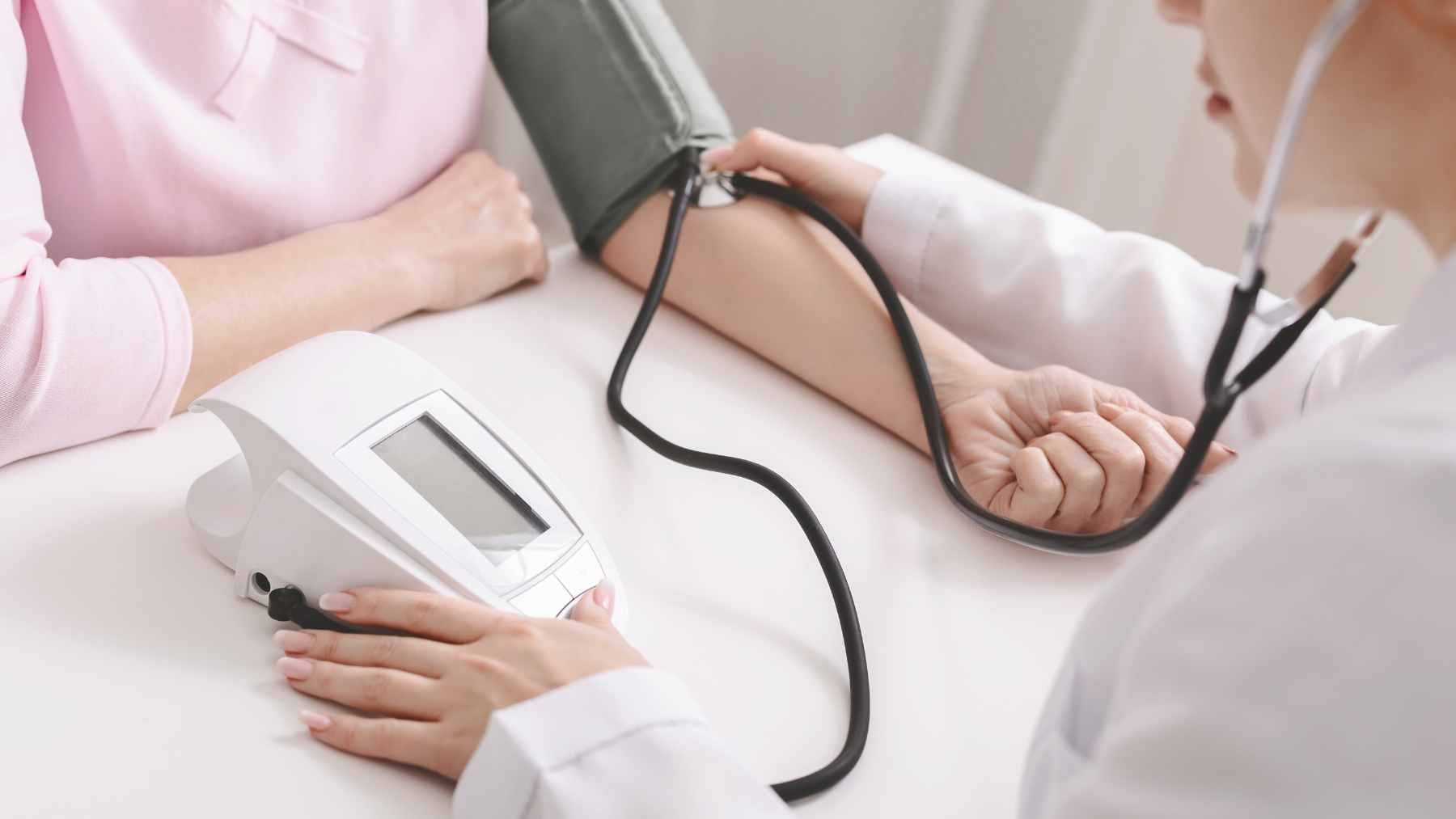
The cardiologist argues that doctors should assess cardiovascular risk during routine preventive checkups every two years. A risk score is not a magic number, it is a practical estimate built from clues such as age, blood pressure, cholesterol, smoking, and mental strain.
He said he helped prepare a standard procedure for systematic risk monitoring that was adopted by Slovakia’s Health Ministry. The idea was to reward doctors if they lowered a patient’s risk before the next checkup, but he said the payment mechanism was never properly put into practice.
Eurostat data show why this matters. In 2023, ischemic heart diseases, a common type of heart disease caused by poor blood flow, were among the top causes of both treatable and preventable deaths in the EU.

Sleep is not optional
One of the clearest points from the interview is also one of the easiest to underestimate: sleep is prevention, not laziness.
The American Heart Association includes healthy sleep among its key measures of heart health and says most adults need seven to nine hours a night. Poor sleep can feed stress, worse food choices, lower motivation to move, and higher blood pressure risk, which is a loop many workers know too well.
The cardiologist said older adults often wake at 2:00 or 3:00 in the morning and struggle to fall back asleep. His advice was simple and low-cost: try breathing exercises, slow exhaling, and meditation before reaching for pills.
Three habits to start
His three everyday habits are not flashy. He recommends 15 minutes of morning exercise, limiting animal fats, especially saturated fats, and strength training at least three times a week.
A morning walk, a few bodyweight moves, or a short bike ride can sound almost too small. But the World Health Organization says regular physical activity helps prevent and manage major noncommunicable diseases, including heart disease, cancer, and diabetes.
Cutting animal fats does not have to mean turning life into a spreadsheet. It can mean choosing more vegetables, beans, fish, leaner proteins, and less fried or heavily processed food most days.
Work can protect or harm
The warning also points at the workplace. Some people react to the same deadline with mild pressure, while others carry it like a weight on their chest.
The WHO’s mental health at work guidance says employers can protect mental health by changing work conditions, not just by telling people to become more resilient. That can include clearer workloads, manager training, safer team culture, and real breaks that do not feel like stealing time.
This matters because stress is not just a mood. In a noisy office, a warehouse, or a job where the phone never stops buzzing, chronic pressure can make sleep worse and healthy habits harder to keep.
Why this matters now
Slovakia’s longevity debate is also about generational replacement. If too many people leave the workforce early through illness or death, younger workers may not be able to fill every gap.
No single habit will guarantee a long life, but the message is clear enough: start earlier, watch the heart, sleep properly, move daily, and make work less damaging before the damage becomes impossible to ignore.
The main interview has been published in Startitup.