“You don’t love because, you love despite, not for the virtues, but despite the faults.” The line remains one of those literary sentences that feels simple at first, then starts to press on real life. It asks an uncomfortable question: do we love people as they are, or only as long as they match the version we imagined?
The phrase is often shared as romantic advice, but its force is broader than that. It challenges the polished idea of love that thrives in perfect photos, dating profiles, and carefully edited lives.
Faulkner’s point is not that flaws are beautiful by themselves, it is that affection becomes more serious when it sees them clearly and does not run away.
A sharper origin
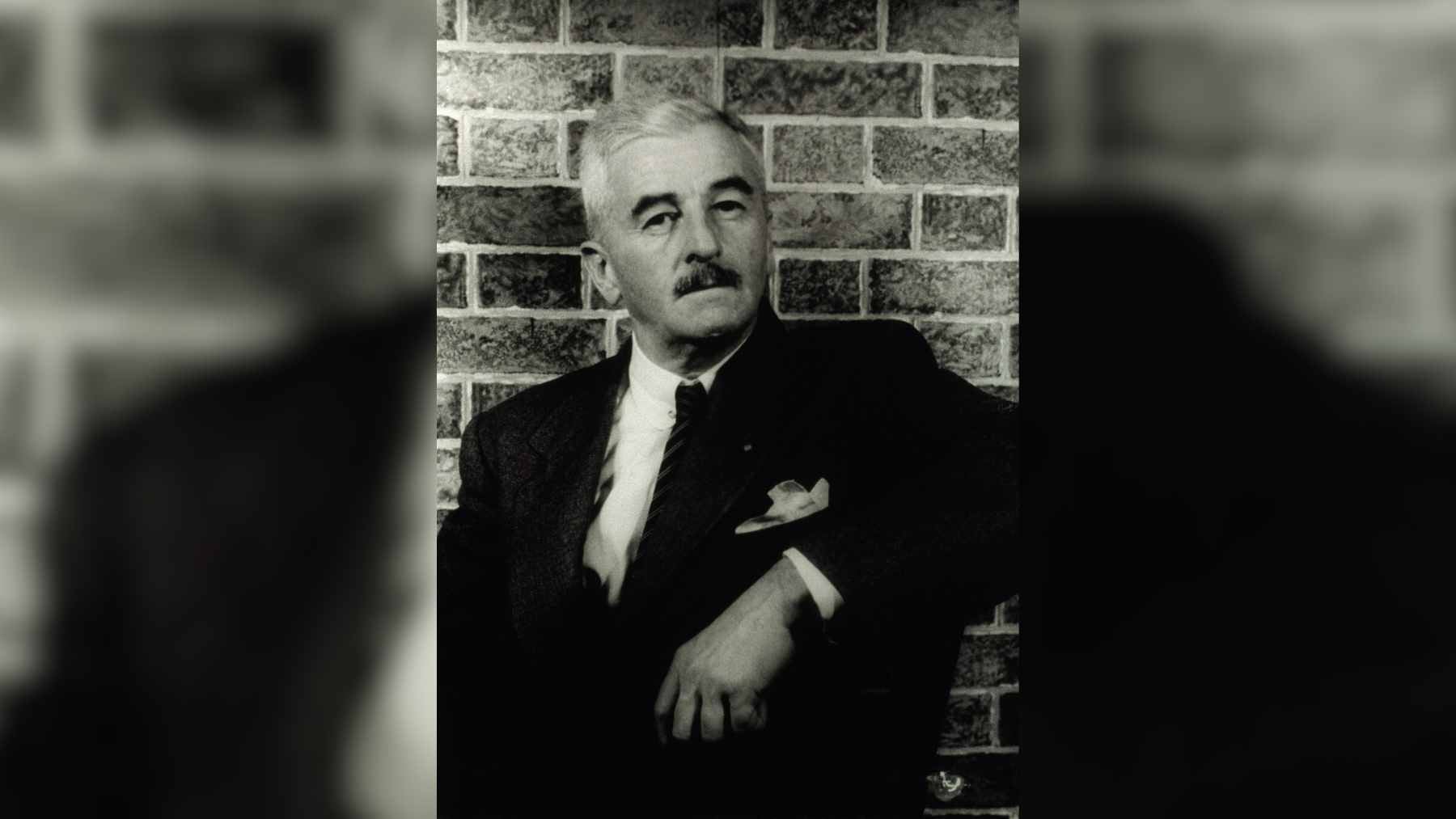
William Faulkner was one of the major American writers of the twentieth century. The Nobel Prize records him as the 1949 laureate in literature and notes that he received the award one year later, in 1950, for his “powerful and artistically unique contribution” to the modern American novel.
The famous line is usually repeated as a statement about love between two people. Scholarly references, however, connect it to his 1954 essay “Mississippi,” where the idea of loving “despite” appears in a more complex reflection on place, memory, and moral conflict.
That makes the quote less sugary, and much more interesting.
Why it still feels modern
The sentence pushes back against the fantasy that love is a reward for good qualities. Anyone can admire charm, intelligence, beauty, humor, or ambition. The harder part begins when fear, pride, bad habits, silence, or ordinary selfishness enters the room.
That does not mean tolerating cruelty. It does not mean excusing control, humiliation, or repeated disrespect. Read carefully–the line points toward clear-eyed affection, not blind endurance.
The setting has changed since 1954. Pew Research Center reported in 2025 that half of U.S. adults use Instagram, and among adults ages 18 to 29, that share rises to 80%.
Those numbers do not prove that social media makes love shallow, but they do help explain why a quote about looking past the polished image still travels so easily.
Faulkner knew messy people
Faulkner’s fiction rarely treats human beings as clean heroes or villains. His characters are often wounded, stubborn, loving, bitter, funny, and difficult all at once. In other words, they sound a lot like people we actually know.
The Library of America describes “As I Lay Dying,” published in 1930, as a mix of comedy, horror, and compassion built around the Bundren family and the death of Addie Bundren. That is not a neat love story, it is a portrait of family pressure, grief, duty, resentment, and survival.
That is where the quote gains weight. Love, in this view, is not a spotless room where nothing breaks. It is closer to a house people keep repairing while they still live inside it.
What the line gets right
Modern relationship research, to a large extent, points in a similar direction. The Gottman Institute says many relationship problems never fully disappear because they grow out of personality differences between partners.
In the day-to-day, lasting couples often learn to manage tensions rather than pretend they can erase every flaw.
That sounds less dramatic than movie love, but it may be closer to daily life. Someone apologizes, someone listens again. Someone learns that a partner’s irritating habit is not the whole person.
Still, there is an important limit. Accepting imperfection is not the same as accepting harm. The difference matters, especially for younger readers who may hear “love despite faults” and mistake it for “stay no matter what.”
A less perfect kind of love
The quote lasts because it refuses to flatter us. It says the people we love are not symbols or trophies. They are tired voices after work, forgotten texts, old fears, bad moods, strange loyalties, and sudden acts of tenderness.
Can love survive once the illusion fades? Faulkner’s answer suggests yes, but only when affection is joined with honesty. Real love does not need a perfect person in front of it, it needs a real one.
The main work behind the quote has been published as Faulkner’s 1954 essay Mississippi, first in Holiday magazine and later reprinted in Essays, Speeches & Public Letters.