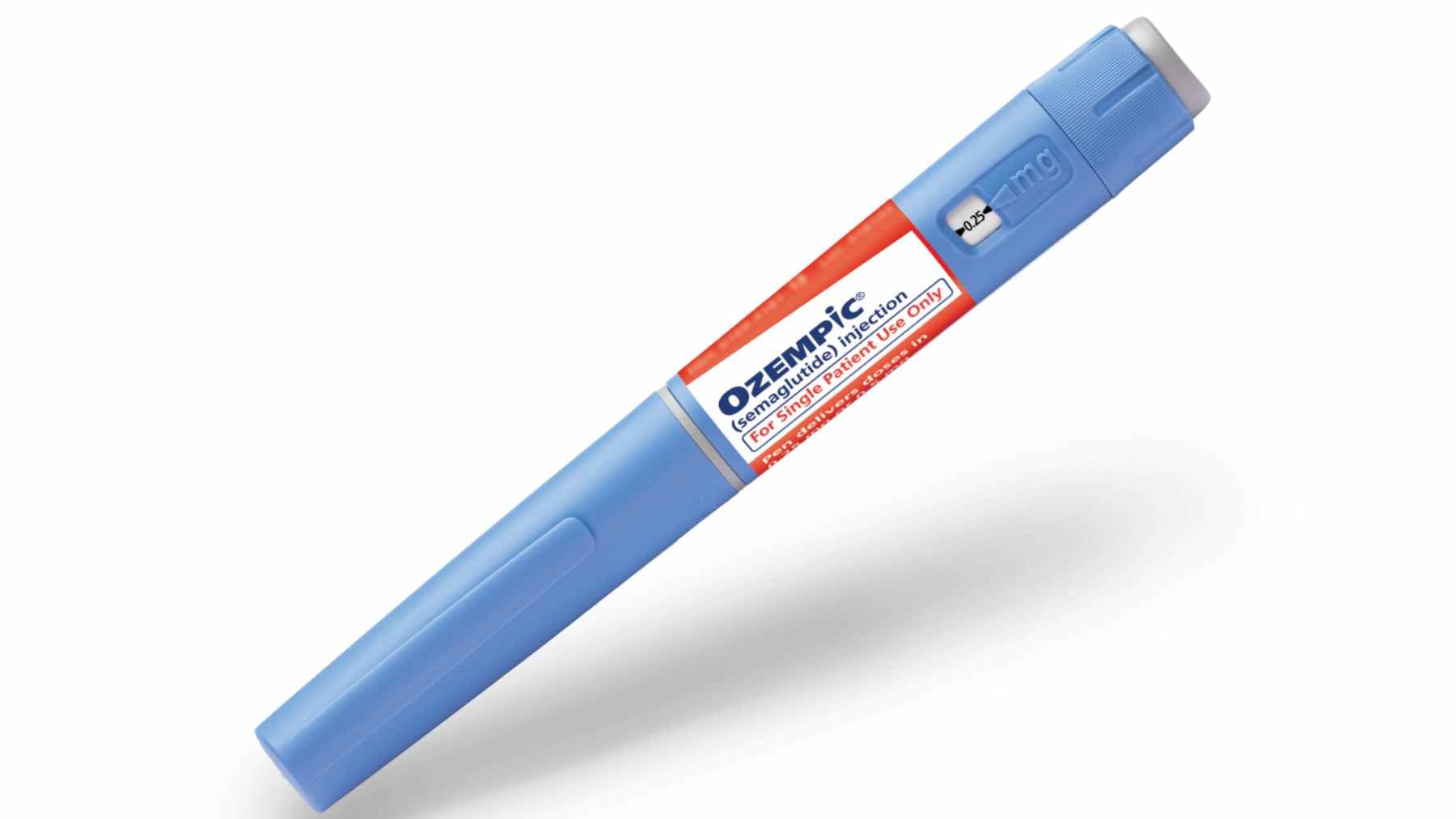
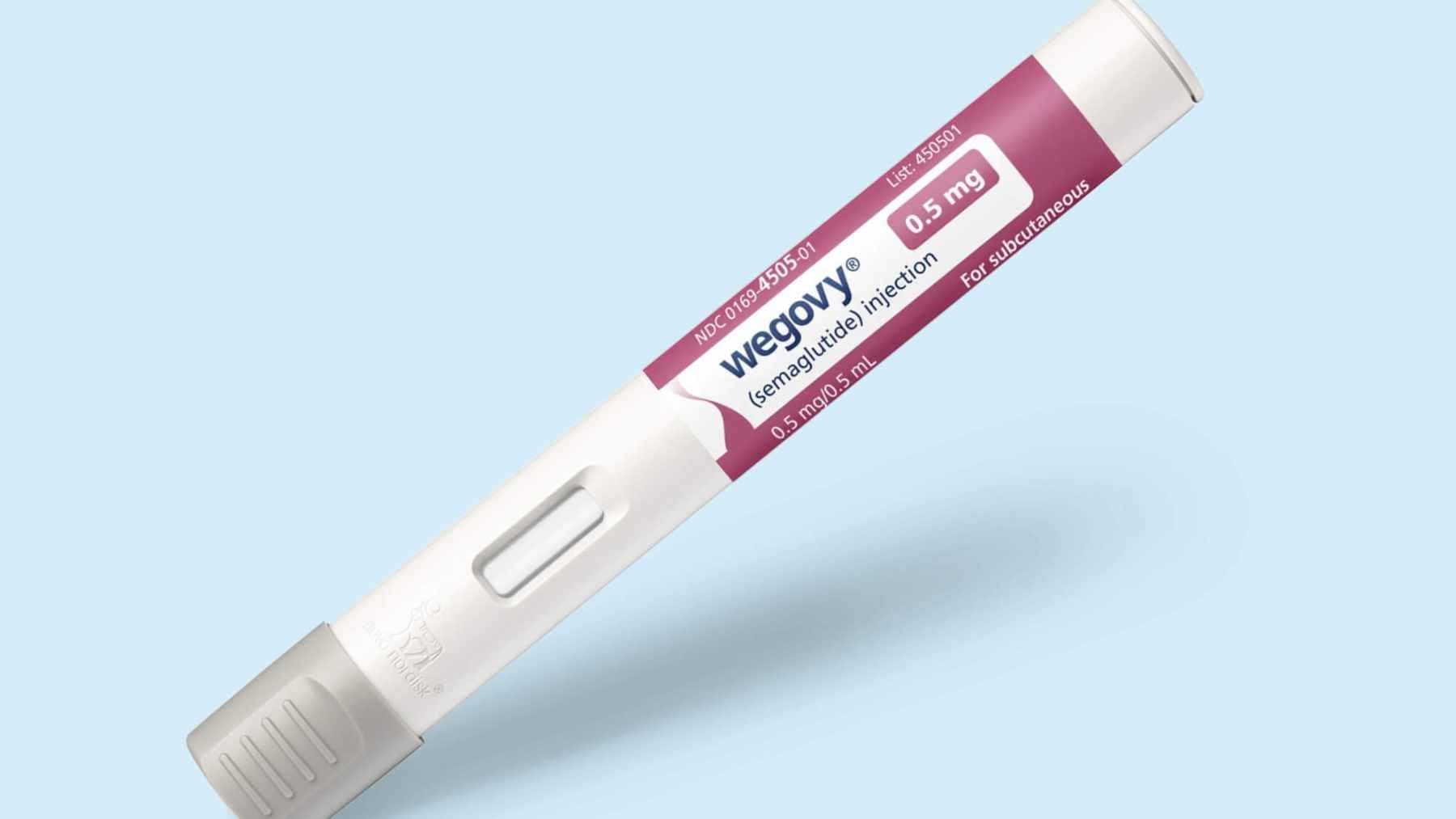
Ozempic and Wegovy are best known for changing appetite, weight, and blood sugar. Now, a new study suggests these GLP-1 drugs may also affect something far less expected: the fragile pause between an impulse and a violent act.
That does not mean a weekly injection is suddenly a violence-prevention tool. The main finding is narrower, but still striking. Among current GLP-1 users, the well-known link between impulsivity and violent behavior appeared much weaker than it did among former users.
What GLP-1 drugs do
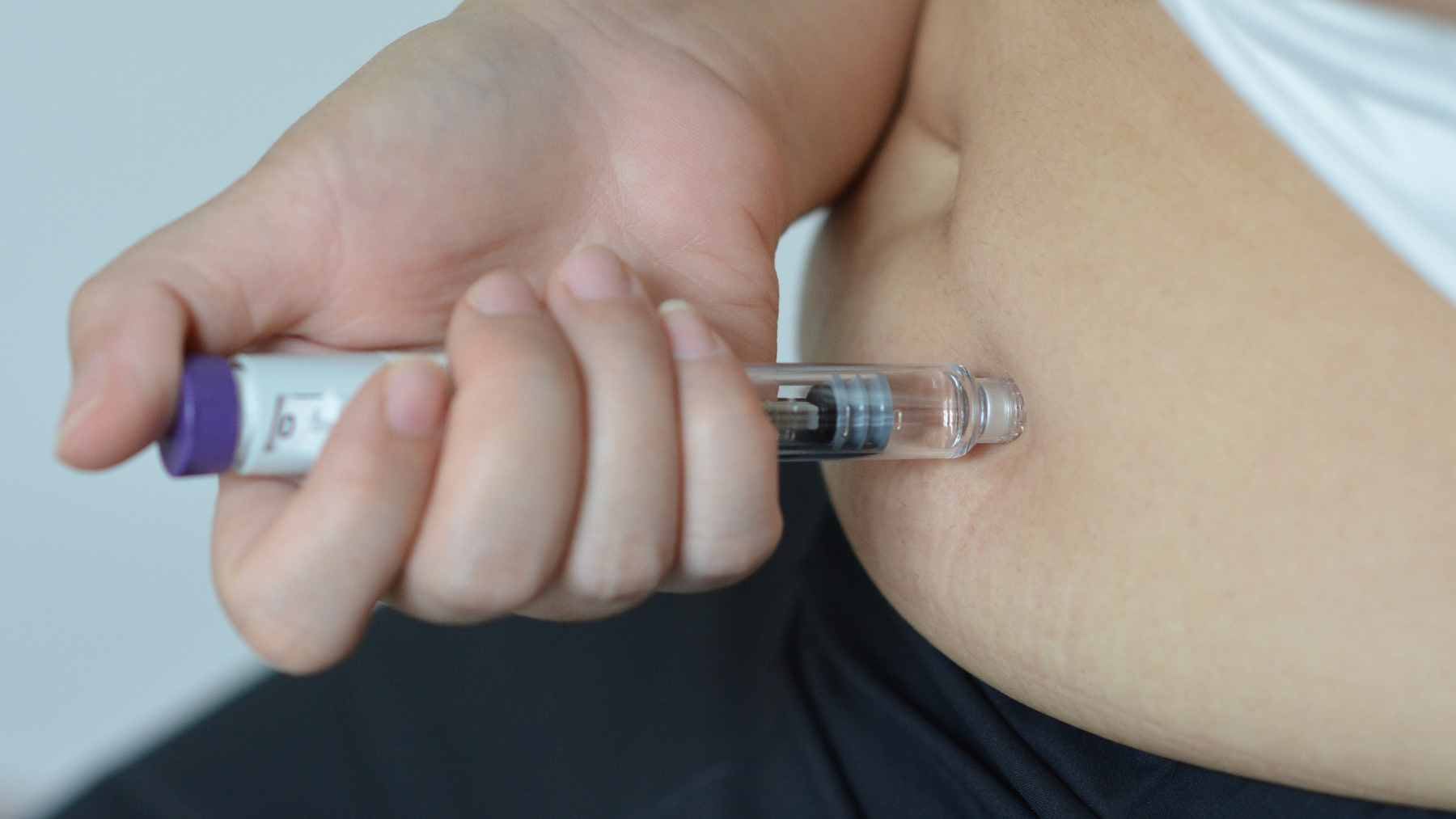
GLP-1 is a natural hormone released after eating. Medicines in this class imitate that signal, helping the body release insulin, slow digestion, and increase the feeling of fullness, which is why they are used for type-2 diabetes and, in some products, long-term weight management.
The story may not stop at the stomach or the scale, though. Researchers are increasingly looking at how these drugs may touch brain systems tied to reward, stress, alcohol use, and self-control.
Inside the study
The new work was led at Rutgers University by Daniel Semenza, director of research at the New Jersey Gun Violence Research Center and an associate professor at the School of Public Health, along with Christopher Thomas, an assistant professor at its Camden campus.
Their team analyzed a 2025 survey of 7,521 U.S. adults. For the main analysis, they focused on 821 people who had used a GLP-1 medication and compared current users with former users.
The researchers looked at two everyday risk factors that often matter in violent behavior. One was impulsivity, or acting quickly without thinking through the consequences. The other was alcohol use, which can lower restraint in the kind of moments that lead to fights, assaults, or robberies.
What stood out
The sharpest result involved impulsivity. The relationship between impulsivity and violent behavior was about 62% weaker among current GLP-1 users than among people who had used the drugs in the past, according to the university announcement.
Semenza described that link as “substantially weaker among current GLP-1 users compared to former users.” In plain language, the study did not show that impulsive people stopped having impulses. It suggested that those impulses were less tightly connected to violent acts.
The alcohol finding pointed in the same direction, but with more caution. The link between alcohol use and violent behavior was about 52% weaker among current users, though that result was less stable when researchers tested the data in different ways.
Why it might be meaningful
Thomas said the findings fit with the idea that GLP-1 drugs may work a bit like cognitive behavioral therapy. That does not mean they replace therapy, it means they might, in some people, weaken the road from “I want to do this now” to actually doing it.
That small pause can matter. Anyone who has seen a bar argument, a road-rage moment, or a family dispute escalate knows that seconds can change the outcome.
Still, violence is not just a brain-chemistry problem. It is also shaped by stress, poverty, trauma, weapons access, alcohol, relationships, and the places people live. A medication could be one small piece of a much larger puzzle, not the puzzle itself.
What researchers still do not know
The authors were careful about what the study can and cannot prove. It was observational and cross-sectional, which means it captured a snapshot in time rather than following people for years.
That matters because a snapshot can show a pattern, but it cannot prove what caused the pattern. Maybe the medication changed behavior, or maybe current users differed from former users in other ways the survey could not fully capture.
That’s why the next step is longer and more controlled research. Scientists would need to track people over time, or test the question experimentally, before saying GLP-1 drugs directly reduce violence risk.
A wider view of these drugs
The finding lands at a moment when GLP-1 medications are already changing medicine. For many patients, they are tied to blood sugar, weight, cravings, side effects, insurance fights, and the weekly routine of remembering a dose.
Now, researchers are asking whether their reach extends into behavior, too. That is an important question, but it needs careful language. No one should start, stop, or switch these medications for behavioral reasons without medical guidance.
The main study was published on June 17, 2026, in Criminology.