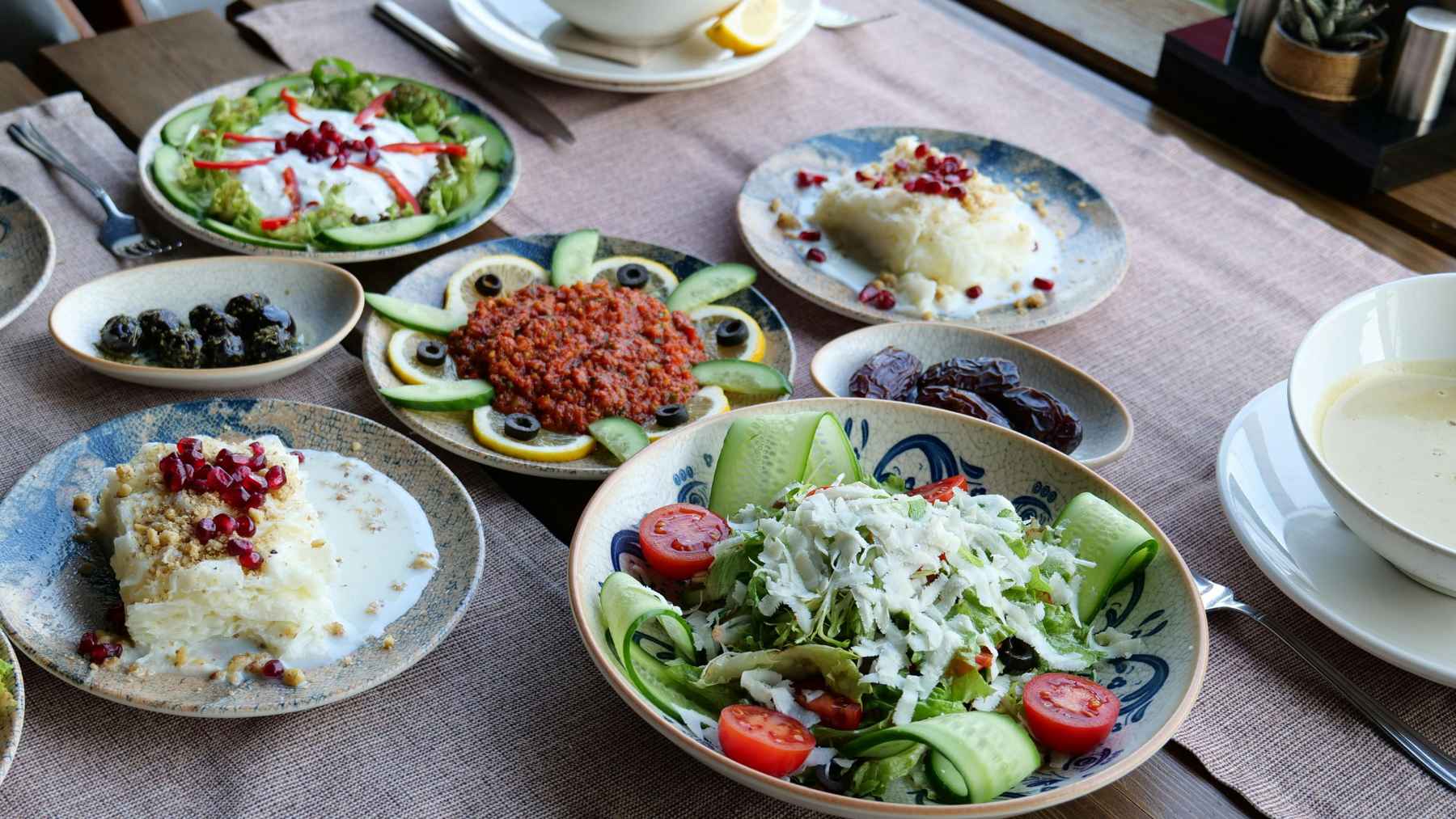
“Do you ask me why I buy rice and flowers? I buy rice to live and flowers to have something to live for.” The line, widely attributed to the Chinese thinker Confucius, has lasted because it draws a sharp line between surviving and living fully.
Rice keeps the body moving. Flowers speak to the quieter needs that still matter, such as beauty, friendship, learning, music, love, and the small moments that make an ordinary day feel worth remembering.
A quote with a caveat
The saying is often shared as a Confucius quote, and an official record from the World Intellectual Property Organization shows it being cited that way during a 2012 diplomatic conference. Still, the careful word is “attributed,” because famous ancient sayings often travel through history with a blurry paper trail.
That does not make the idea less powerful. In fact, the uncertainty gives the sentence a modern twist. We may not be able to pin down every step of its journey, but we can still ask why it keeps moving from person to person.
The thinker behind it
Confucius lived from 551 BCE to 479 BCE, in what is now China, and became one of the most influential teachers in East Asian history. Britannica describes him as a teacher, philosopher, and political theorist whose ideas shaped China and other parts of East Asia for centuries.
The Stanford Encyclopedia of Philosophy notes that later history has portrayed him in many roles, including teacher, adviser, editor, philosopher, reformer, and prophet.
That variety matters, because Confucius was not just offering neat sayings. He was tied to a larger vision of character, duty, learning, and human relationships.
What rice represents
In the quote, rice stands for the basic needs that no one can ignore. Food, shelter, safety, health care, and steady work may not sound poetic, but without them life becomes a daily emergency.
That is why the image works so well. Rice is ordinary. It belongs to kitchens, markets, lunch boxes, and the kind of practical planning people do when they check prices or worry about the electric bill.
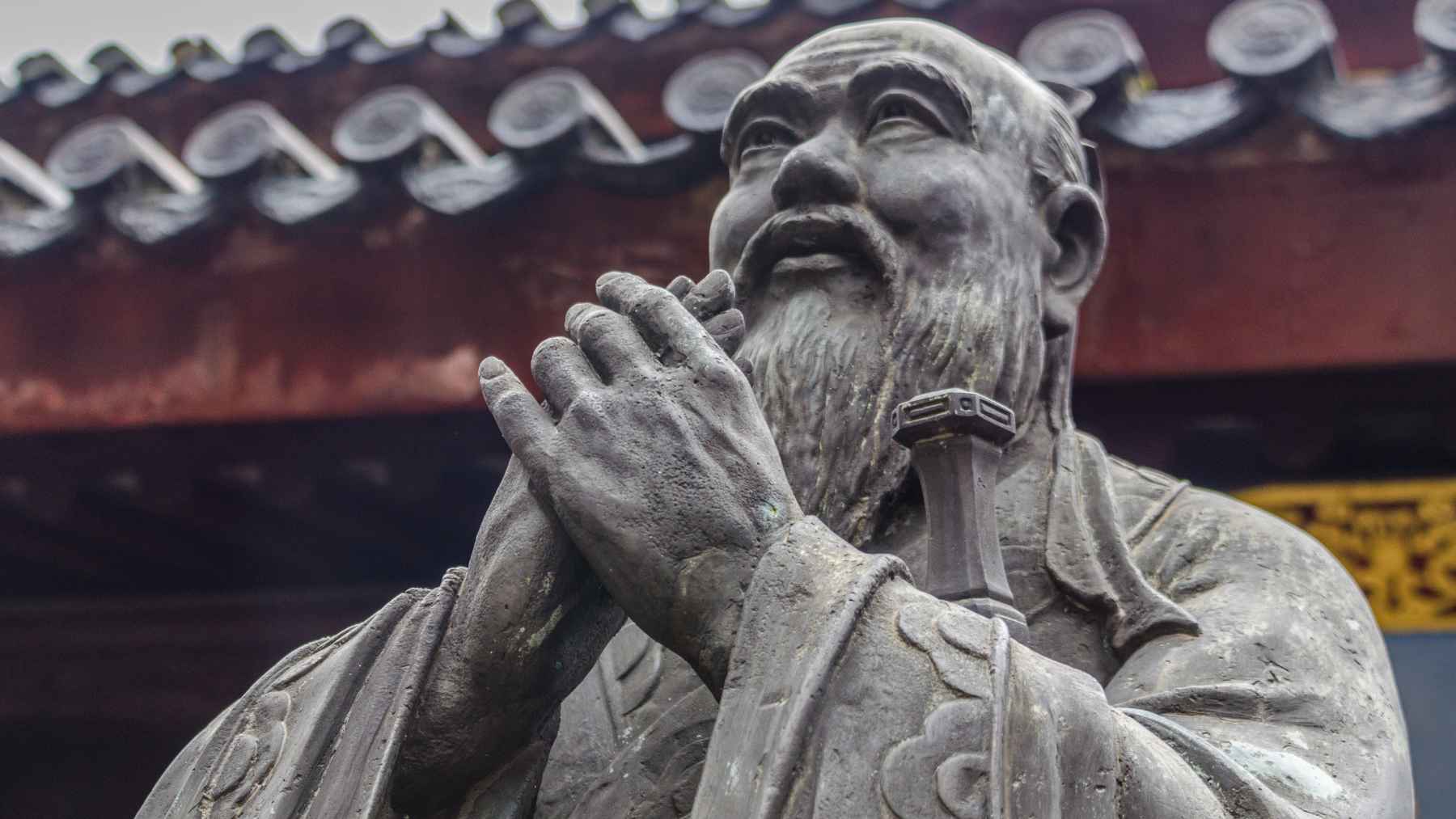
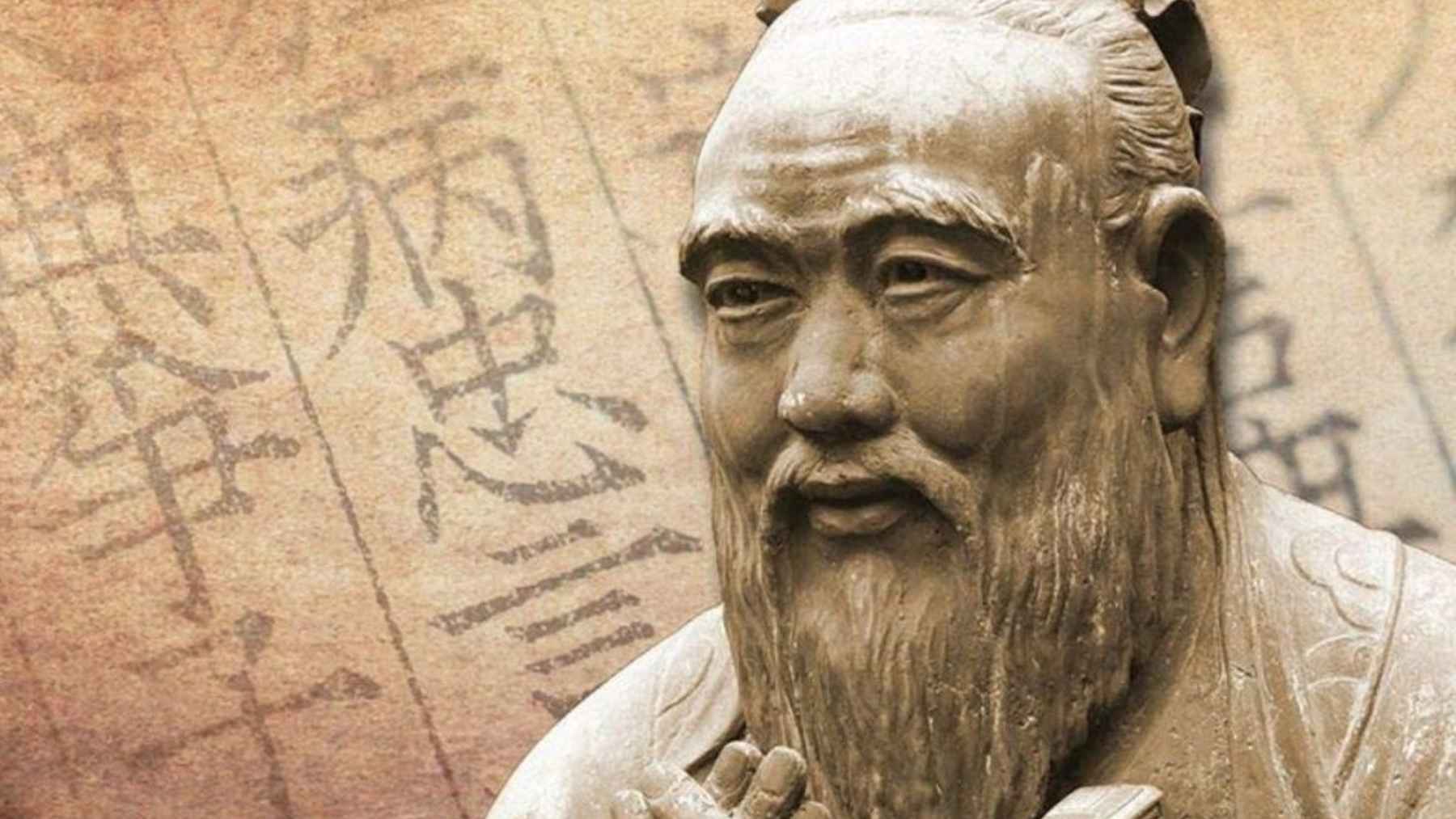
A statue of Confucius stands before a traditional Chinese temple, reflecting the enduring wisdom behind the famous saying about buying rice to live and flowers to have something to live for.
What flowers represent
Flowers are different. They do not keep a person alive in the same direct way, but they can remind someone why being alive matters in the first place.
For one person, the “flowers” may be painting, a favorite song, or a walk after school. For another, they may be faith, a friendship, a garden, a book, or a quiet meal with family after a long day.
Not just a pretty saying
The idea fits well with a broader Confucian concern for balance and moral cultivation. In the Analects, Confucius is linked to the view that joy can exist even with simple food and water, while wealth gained in the wrong way should not be admired.
That is not a call to romanticize poverty. It is more grounded than that. The message is that money and comfort matter, but they are not enough to build a meaningful life by themselves.
Why it feels modern
The quote lands hard today because many people feel trapped between responsibility and exhaustion. Gallup’s State of the Global Workplace 2026 report found that forty percent of employees globally experienced a lot of stress on the previous day.
In practical terms, “rice” can look like rent, groceries, debt, transportation, and the pressure to keep up. “Flowers” can be the hobby people keep postponing, the friend they mean to call, or the hour of rest that gets swallowed by another task.
Balance, not escape
The quote does not tell people to ignore bills, quit their jobs, or pretend practical problems do not exist. Rice comes first because survival is real, and hunger is not a metaphor when someone is actually hungry.
But it also warns against building a life that only solves problems. A person can meet deadlines, pay bills, and still feel hollow if there is no room left for curiosity, kindness, pleasure, or hope.
A small daily test
Maybe that is why the line keeps circulating. It gives people a simple test at the end of the day. Did I only get through it, or did I also make space for something that made it feel human?
Sometimes the answer is a big change. More often, it is smaller. Ten quiet minutes, a song on the way home, a message to someone missed, or fresh flowers on a table can be a reminder that life is more than maintenance.
The main classical work behind Confucius’s teachings has been published and preserved in English as the Analects.
The official record citing the rice and flowers quotation was published by the World Intellectual Property Organization.