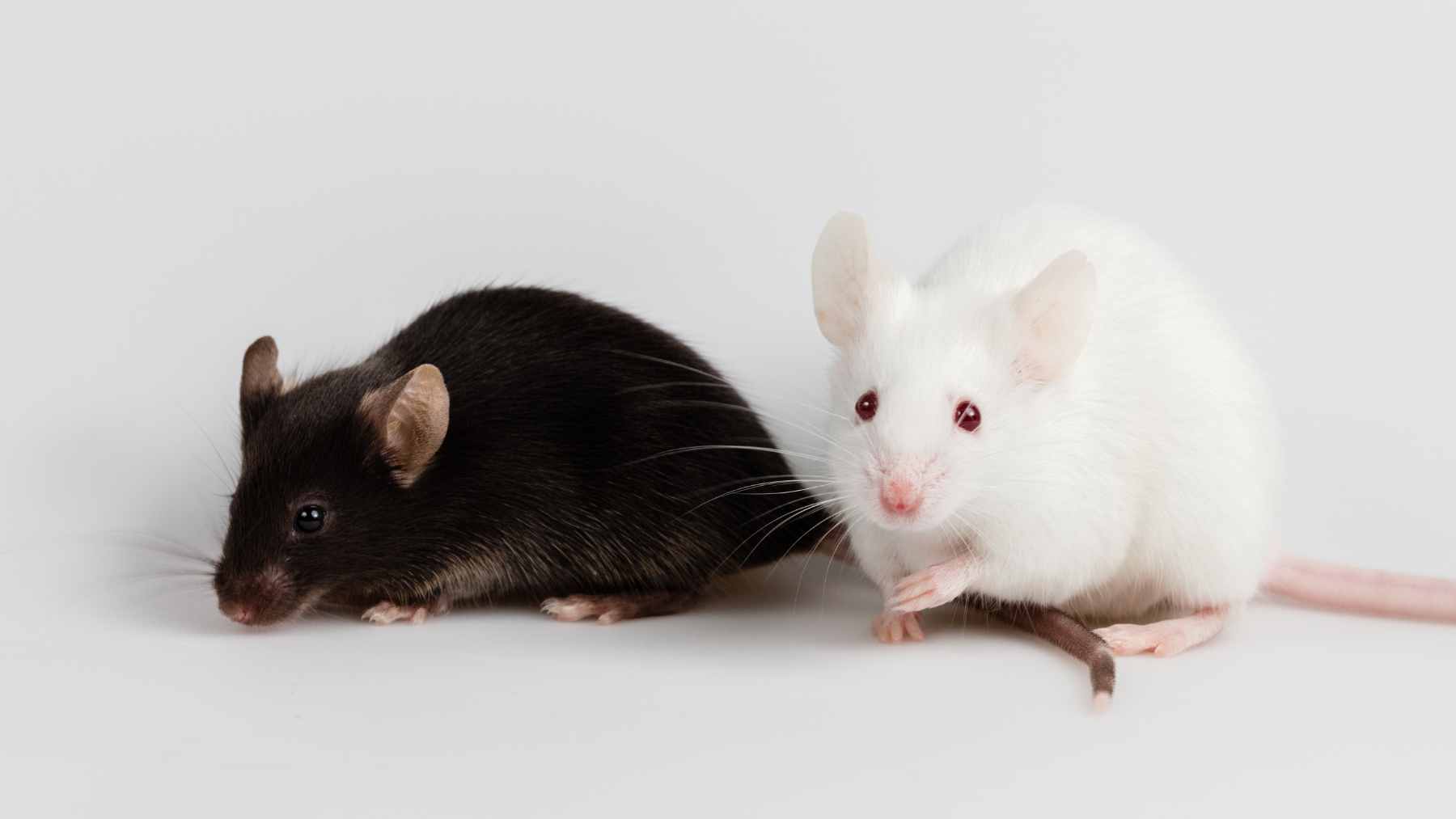
Young mouse stool transplants helped older mice repair one key feature of an aging gut, according to new research. In the experiment, a younger mix of gut microbes boosted intestinal stem cells, the cells that help rebuild the inner wall of the intestine.
That does not mean an anti-aging treatment for humans has arrived. But the study gives scientists a sharper clue about why the gut becomes more fragile with age and why the tiny organisms living inside it may matter more than we thought.
A gut that repairs itself
Your intestine is not a passive tube. Its inner lining is replaced again and again because food, digestive fluids, microbes, and daily wear are rough on the tissue.
Intestinal stem cells act like a repair crew. They divide and mature into the cells that keep the gut wall working, so nutrients can be absorbed and harmful microbes are kept where they belong.
With age, that repair crew slows down. One important communication system, known as Wnt signaling, becomes weaker, and weaker signals can mean slower rebuilding after stress or injury.
Young microbes changed old tissue
A team led by Hartmut Geiger of Ulm University in Germany, with Yi Zheng and Kodandaramireddy Nalapareddy at Cincinnati Children’s Hospital Medical Center, tested whether the age of the gut microbiome could help explain that decline.
Geiger said younger microbiota helped older intestines “heal faster and function more like younger intestines.”
The microbiome is the community of bacteria and other microbes living in the gut. A fecal microbiota transfer moves that community from one animal to another through stool, which is why the study sounds strange at first glance.
In older mice, the shift was striking. After receiving microbiota from younger mice, their intestinal stem cells became more active, Wnt-related signals rose, and the gut lining recovered faster after damage.
Why stem cells matter
Think of the intestinal lining like a busy sidewalk that is constantly being worn down. Without steady repair, cracks appear, traffic slows, and the whole system becomes easier to disrupt.
That is why intestinal stem cells are so important. When they lose energy with age, the gut can become more vulnerable to inflammation, infections, poor healing, and other problems tied to aging.
The point is simple but powerful. If the repair crew can be nudged back into action, at least in mice, scientists get a new path to study age-related gut decline.
A surprising bacterial clue
One of the most interesting findings involved Akkermansia muciniphila, a bacterium often discussed as helpful for metabolism and gut health. In this mouse study, though, higher levels of that bacterium in older intestines were linked to weaker Wnt signaling.
That does not make Akkermansia muciniphila a villain. It suggests something more realistic and more useful for science, which is that a microbe can have different effects depending on age, location, timing, and the rest of the gut community.
In practical terms, the gut is not a simple scoreboard of good bacteria and bad bacteria. It is more like a neighborhood, where the same resident can help in one setting and create trouble in another.
Not a probiotic shortcut
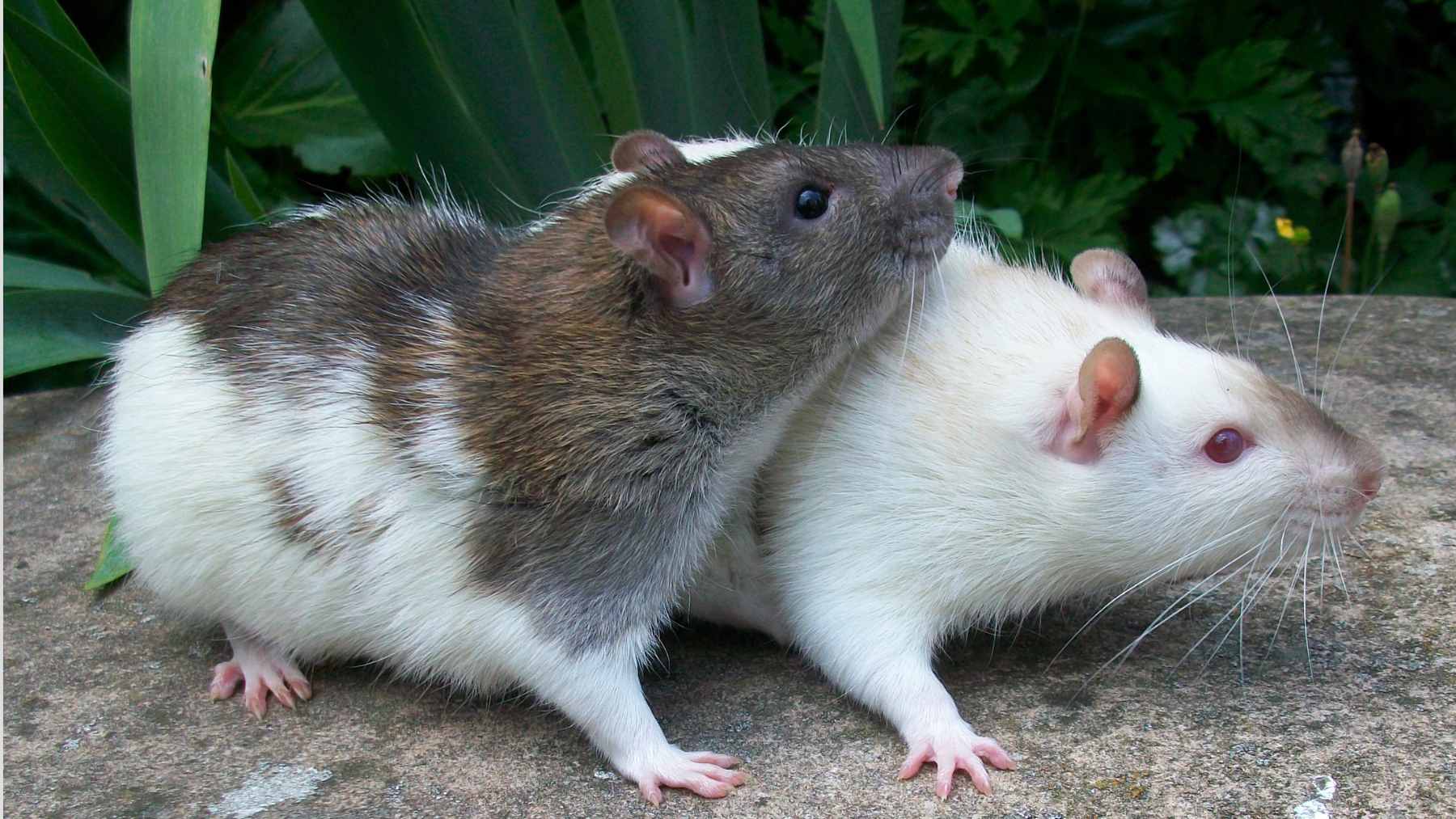
The study should not be confused with taking a probiotic from a drugstore shelf. The researchers used controlled microbial transfers in mice, not a consumer supplement, yogurt drink, or wellness product.
That matters. A fecal microbiota transfer is a biological procedure involving a whole community of microbes, and scientists still need to know which combinations are useful, safe, and stable over time.
So, no, this is not a green light for do-it-yourself treatments. If anything, it is a reminder that the microbiome is powerful enough to deserve careful testing, not casual experimentation.
What this could mean
The most useful takeaway is not that young stool is a magic fix. The real news is that one form of age-related stem cell decline looked partly reversible in living animals.
That could matter one day for older patients recovering from intestinal injury, surgery, infection, or radiation treatment. Faster gut repair would be more than a lab result, because anyone who has dealt with serious digestive illness knows how quickly normal life can shrink around it.
The bigger question now is whether the same pattern exists in people. Human intestines are more complex than mouse intestines, and any future therapy would need careful human studies to test safety, dosing, durability, and real benefits.
A new way to think about aging
For the most part, aging is treated as a slow one-way street. This study adds to a growing idea that some aging-related changes may be shaped by surrounding signals, including the microbes that live inside us.
That does not make aging easy to reverse. But it does suggest the gut microbiome could become a target for future treatments designed to preserve repair, reduce vulnerability, and help older tissues bounce back after damage.
The main study has been published in Stem Cell Reports.