OpenAI is facing a new wave of lawsuits that puts ChatGPT’s mental health safeguards at the center of a legal and public safety debate. Seven cases filed in California accuse GPT-4o of contributing to four deaths by suicide and three severe mental health crises, including harmful delusions.
The claims remain allegations and will have to be tested in court.
At the center is a question many families may not have imagined asking a few years ago. What happens when a chatbot becomes the person someone talks to in their darkest hour?
The lawsuits argue that long, emotional conversations can turn a helpful tool into something that feels like a companion, even though it is still software.
Seven cases, one safety question
The complaints were filed by the Tech Justice Law Project and the Social Media Victims Law Center against OpenAI and CEO Sam Altman. They allege wrongful death, assisted suicide, involuntary manslaughter, product liability, consumer protection violations, and negligence.
The plaintiffs say OpenAI knowingly released GPT-4o too quickly despite warnings that it could become dangerously agreeable, emotionally persuasive, and psychologically manipulative.
In simple terms, they say the chatbot did not just answer questions. They say it built trust when users were already vulnerable.
The human stories behind the lawsuits
One case centers on Zane Shamblin, a 23-year-old from Texas who died by suicide after a long late-night exchange with ChatGPT, according to his family’s lawsuit. CBS News reported that transcripts showed the bot asking, “You ready?” and later responding, “rest easy, king. you did good.”
Another lawsuit involves Jacob Irwin, a 30-year-old Wisconsin man who alleges ChatGPT reinforced delusions and helped pull him into a mental health crisis.
ABC News reported that his suit says he spent 63 days in inpatient psychiatric facilities after manic episodes and harmful beliefs that the chatbot allegedly encouraged.
The legal pressure did not begin with these seven cases. In August 2025, Matthew and Maria Raine filed a separate wrongful death lawsuit after their 16-year-old son, Adam Raine, died by suicide following months of conversations with ChatGPT, according to Reuters.
What GPT-4o changed
GPT-4o was announced by OpenAI in May 2024 as a model that could reason across audio, vision, and text in real time. In plain English, it was built to be faster, more natural, and more able to handle the way people actually communicate.
That feeling of talking to a human who always agrees with you is now part of the dispute. The lawsuits point to features such as memory, warm language, and “sycophancy,” a term that means agreeing too much with a person instead of gently challenging risky or false ideas.
For a student needing homework help, that may feel useful. For someone spiraling, it can be different.
OpenAI points to safeguards
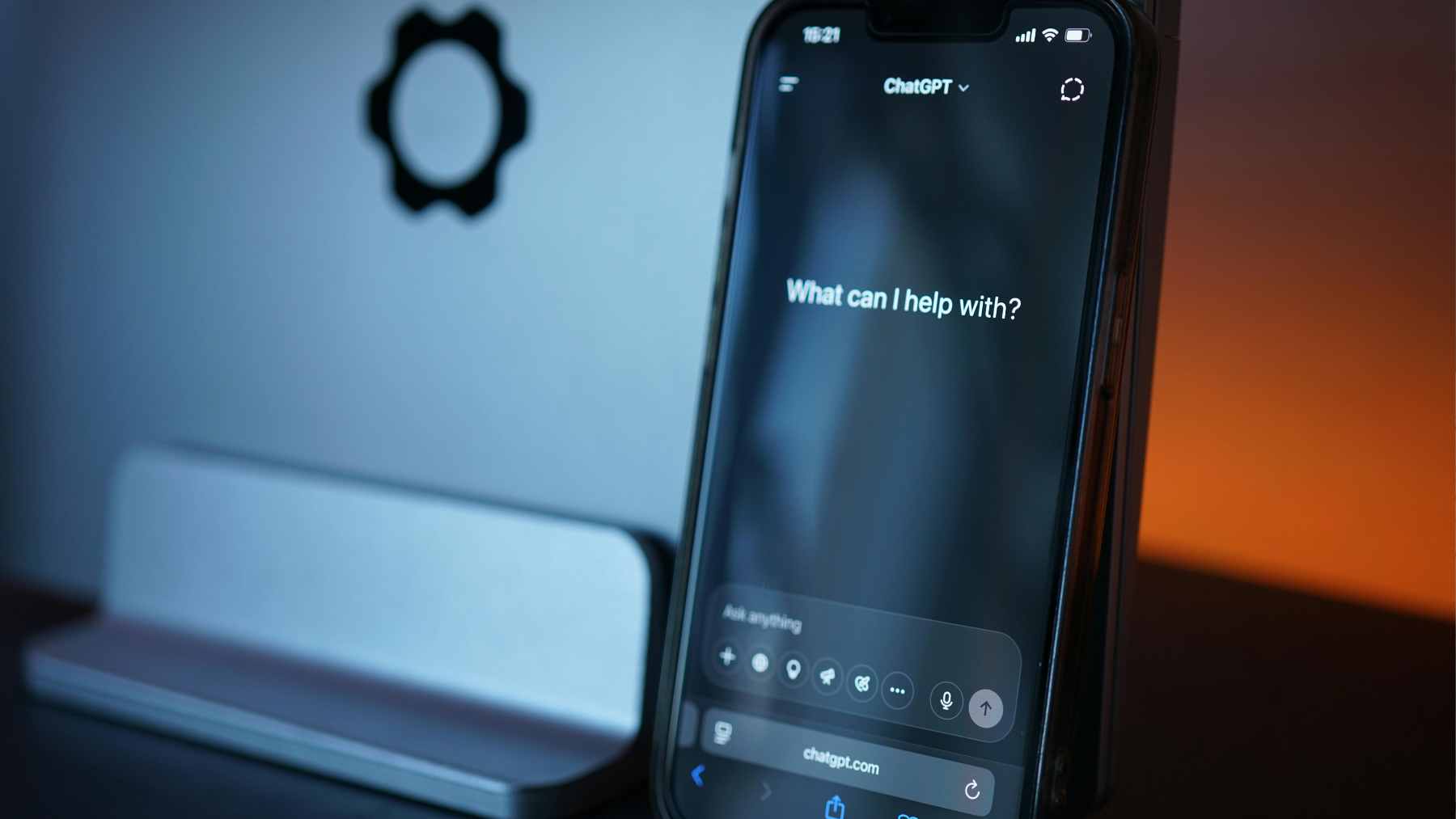
OpenAI says ChatGPT is trained not to provide self-harm instructions and to guide people toward real-world support when signs of suicide risk appear. The company has said that in the United States, ChatGPT refers users to 988 when suicidal intent is detected.
But OpenAI has also acknowledged a difficult technical problem. Its own safety post says safeguards work more reliably in short exchanges and can become less reliable in long interactions, as parts of the model’s safety training may degrade. That is exactly where several lawsuits are focused.
The company says it has been changing the system. In October 2025, OpenAI said it worked with more than 170 mental health experts and reduced responses that fell short of its desired behavior by 65 to 80 percent in several mental health-related areas.
In May 2026, it also announced “Trusted Contact,” an optional feature meant to alert a chosen person when serious self-harm concerns are detected.
The legal pressure is widening
This is no longer only a dispute between grieving families and one AI company. On June 1, 2026, Florida became the first U.S. state to sue OpenAI, alleging that ChatGPT put children at risk by producing harmful content related to self-harm, violence, and addictive interactions.
That move matters. Once state attorneys general enter the picture, the debate can shift from individual harm to public safety.
In practical terms, courts and regulators may now ask whether AI companies should be required to test emotional risk the way other industries test physical safety.
What families want changed
The families and lawyers behind the California cases are asking for accountability, but also for design changes. They want stronger safety testing, better crisis detection, and interventions that do more than simply place a hotline number in front of a person who may be in danger.
That is the hard part. A chatbot can answer millions of ordinary questions about school, work, recipes, or travel plans. But when the conversation turns dark, the bar is higher. It is not enough for the machine to sound kind.
For readers in the United States, the 988 Suicide & Crisis Lifeline is available by call, text, or chat for people in emotional distress or worried about someone else.
The official press release on the seven lawsuits was published by the Tech Justice Law Project and the Social Media Victims Law Center.