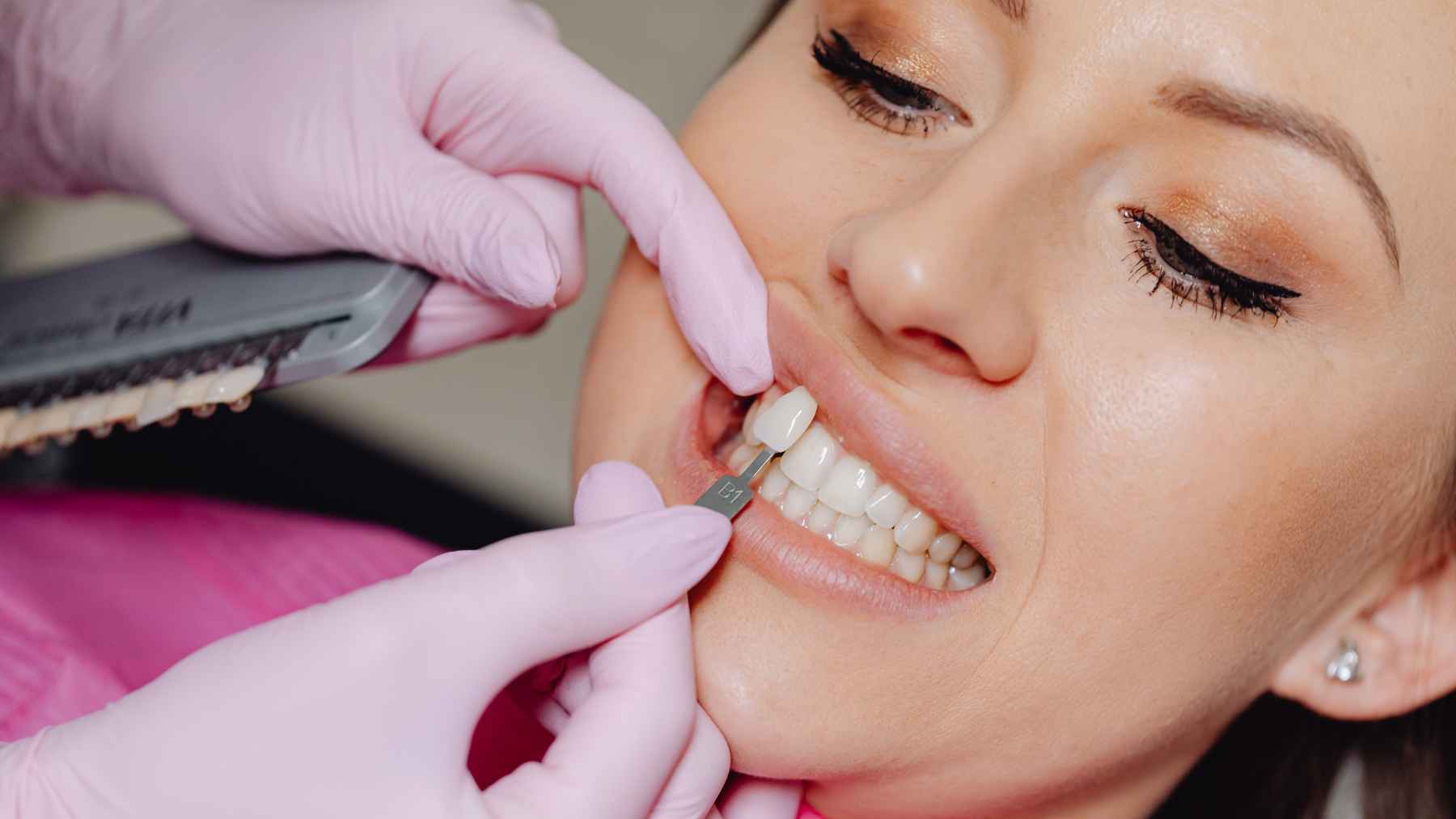
Imagine losing a tooth and, instead of planning for a denture or implant, being told your body might be nudged to grow another one. That is the promise behind a Japanese experimental drug designed to restart tooth development in people who were born missing teeth.
It sounds almost too good to be true, and that is why the careful part matters. The treatment is not available at the dentist’s office yet, but it belongs to a wider shift in dental care, where researchers are no longer thinking only about replacing teeth, but also about helping the body rebuild what is missing.
Why teeth do not grow back
Teeth are not bones, even if they feel just as solid when you bite into an apple. Bones can repair themselves after many breaks, while teeth have a much more limited ability to recover once enamel, dentin, or the root structure is badly damaged.
That is one reason tooth loss has usually meant bridges, dentures, or implants. Regeneration, in simple terms, means replacing or restoring damaged or missing tissue so it can work again.
For teeth, that is an especially tough challenge because a real tooth has to erupt in the right place, connect with the jaw, and handle daily chewing.
The Japanese trial
The project is led by Katsu Takahashi, head of dentistry and oral surgery at Kitano Hospital in Osaka. The first human study was designed as a safety trial, and Japan’s public clinical trial registry lists the Phase I study of TRG035 in healthy adults, with one intravenous dose of the study drug or placebo.
That first step matters because the question is not only whether new teeth can grow. Scientists also need to know whether blocking the biological signal involved can be done safely, without causing unwanted effects elsewhere in the body.
How it may wake up tooth growth
The key target is a protein called USAG-1, which acts like a brake on tooth formation.
In earlier work reported by Kyoto University, researchers found that suppressing USAG-1 helped stimulate tooth growth in mice and later showed similar promise in ferrets, animals whose dental pattern is closer to humans than that of mice.
The idea is not to glue on a replacement or drill in a titanium post. It is to influence the body’s own tooth-building program, especially through tooth buds, the early structures that form teeth before they erupt through the gums.
What the trial can and cannot prove
The first trial is not a dramatic “grow a tooth overnight” experiment. It is mainly meant to test safety, dosage, and how the drug moves through the body. That is normal for a first-in-human study.
If the safety data is strong enough, the next goal is to test the treatment in children with congenital tooth deficiency. These are children born without several permanent teeth, a condition that can affect chewing, speech, jaw growth, and confidence long before adulthood.
Who could benefit first
The first likely patients would not be adults who lost teeth because of cavities, gum disease, or an accident. Researchers are starting with congenital cases because those patients may still have undeveloped dental structures that could respond to treatment.
That distinction is important. A medicine that helps a child grow missing teeth from early tooth structures is not the same as reversing years of severe plaque and tartar damage in an adult. Still, if the approach works, researchers hope it may one day be adapted for broader tooth loss.
Why dentists are cautious
There is real excitement here, but there are also real questions. A new tooth would have to grow in the right position, at the right angle, and with a structure strong enough for chewing. Anyone who has had braces knows that teeth do not always land where you want them to.
The mouth is also a busy place. It has bacteria, saliva, biting forces, and constant wear from eating and drinking. That is why this possible therapy has more in common with other complex living therapy ideas than with a simple dental product.
A future beyond implants
If the science holds up, the biggest change may be philosophical. Dentistry has spent decades getting very good at artificial replacements, but a successful tooth-growing medicine would push the field toward repair from within.
That would fit with a broader movement in medicine, where researchers are also studying ways to restore bone strength and even encourage cartilage repair. The common thread is simple. Instead of only managing damage, scientists are trying to understand the switches that tell tissues how to rebuild.
For now, implants and dentures remain the proven options for missing teeth. But if TRG035 keeps moving through trials and proves safe and effective, the next four years could bring dentistry much closer to something that once sounded like science fiction.
The main study has been published in Science Advances.