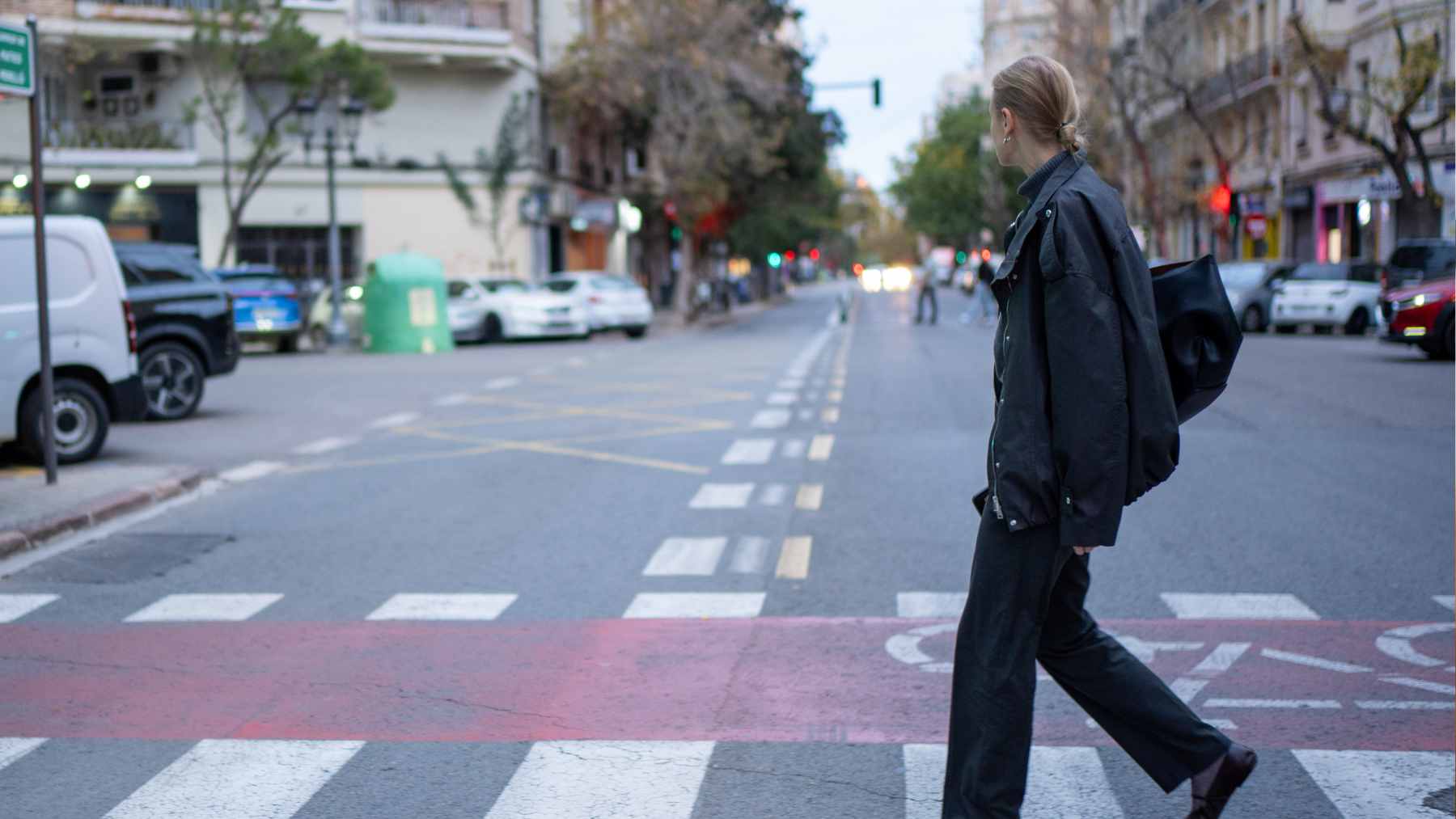
You know the moment. You are waiting at a crosswalk, traffic is crawling, engines are humming, and then one driver slows down just enough to let you pass. You step forward and lift your hand in a quick thank-you wave.
Psychologists would be careful not to treat that gesture like a personality test. Still, that tiny motion can point to real habits of mind, including gratitude, empathy, patience, and a more positive way of reading everyday life.
The wave is really gratitude
At first, the crosswalk wave looks like simple politeness. But it also says that the pedestrian noticed another person’s action and chose to respond, even in a moment that lasts only a second or two.
The University of Oxford’s Department of Experimental Psychology describes gratitude as an emotional response that helps people recognize kindness from others. In plain English, it means seeing that someone made room for you and not letting that moment pass unnoticed.
A related field study at the University of Southern California looked at another tiny public favor, holding a door. Glenn R. Fox and colleagues, including Antonio Damasio, found that in a sample of 120 library visitors, people were more likely to say thanks when the favor seemed more effortful, and they were also more likely to help afterward in some situations.
Why empathy matters here
Empathy means being able to imagine another person’s experience. At a crosswalk, that might mean seeing the driver not just as a car, but as a person who slowed down, waited, and gave you space in a busy street.
That does not mean every person who waves is deeply empathetic, or that every person who forgets is rude. Maybe they are distracted, anxious, late for work, or watching for another lane of traffic. Life is messy like that.
For the most part, though, the habit suggests a person is tuned in to shared space. The street can feel like a contest between pedestrians, drivers, noise, exhaust fumes, and traffic jams, but the small wave turns it into a brief exchange.
Mindfulness before the curb
Mindfulness is often explained as paying attention to the present moment without judging it.
The National Center for Complementary and Integrative Health says mindfulness involves maintaining awareness of the present moment, and it notes that meditation use among U.S. adults more than doubled from 2002 to 2022.
A pedestrian who thanks a driver is doing a tiny version of that. They are not moving through the crossing on autopilot. They notice the car, the pause, the space, and the person behind the wheel.
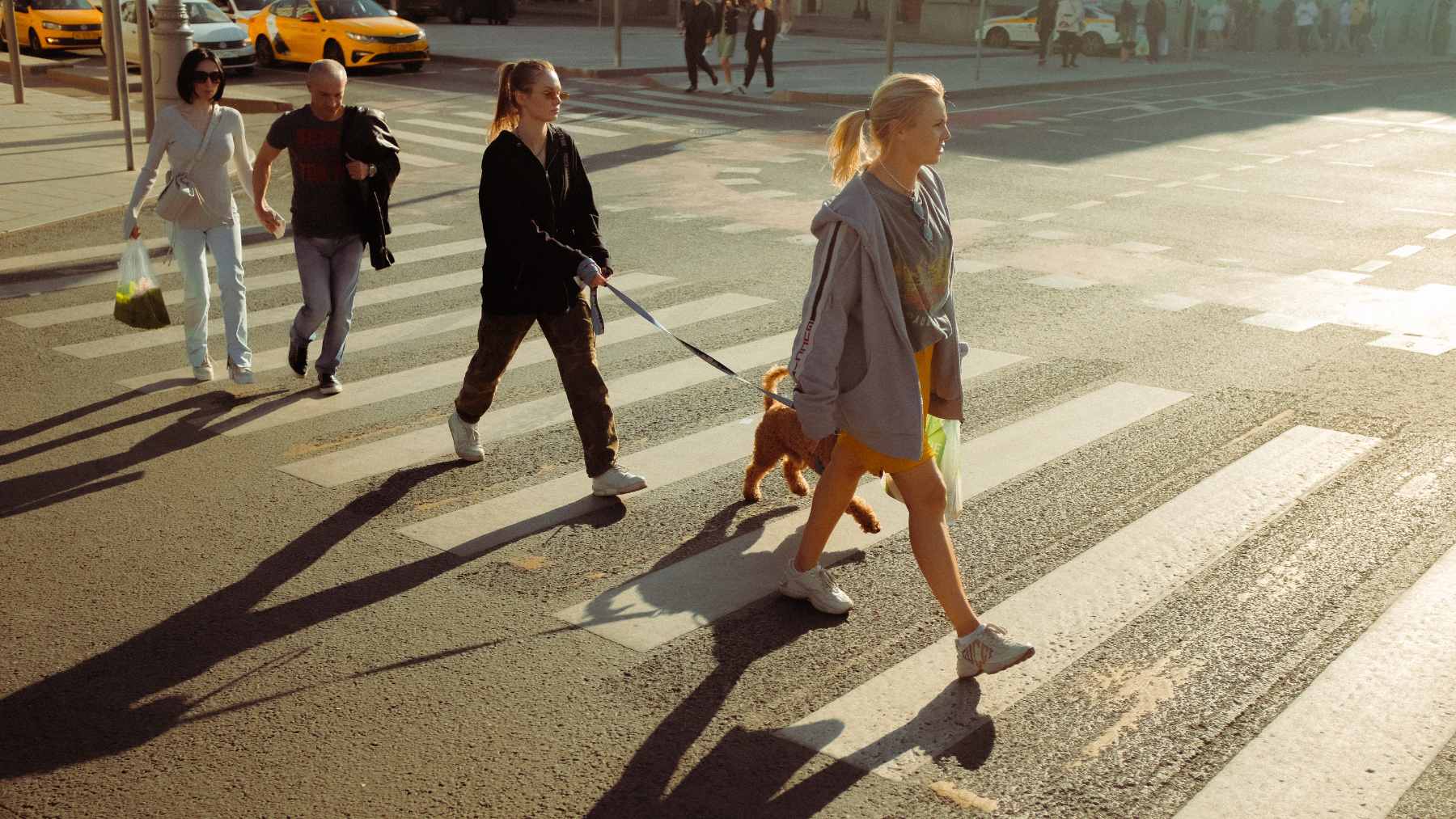
That is why this gesture can feel surprisingly human. In the middle of honking, impatience, and that sticky rush of everyday errands, it brings attention back to one clear moment.
What gratitude research shows
Robert A. Emmons at the University of California, Davis, and Michael E. McCullough at the University of Miami helped make gratitude a serious topic in modern psychology.
In one experimental comparison, people who kept weekly gratitude journals reported feeling better about their lives, felt more optimistic about the coming week, and reported fewer physical symptoms than people who focused on hassles or neutral events.
That does not mean a wave at a crosswalk works like therapy. It is much smaller than a gratitude journal, and it may not change anyone’s day in a dramatic way.
But small habits matter because they repeat. A person who regularly notices small favors may also be practicing the same mental muscle that gratitude studies have linked with well-being and social connection.
A small act in public life
There is also a public side to this. Crosswalks are shared spaces, and shared spaces work better when people understand that others are not obstacles.
A quick hand wave says, “I saw what you did.” That message is simple, but in a tense traffic moment, simple can be enough.
Of course, drivers still need to follow traffic laws and protect pedestrians. The point is not that pedestrians owe thanks for basic safety, but that recognizing cooperation can soften a moment that often feels rushed and mechanical.
What it says about you
So, what does it mean if you always thank drivers at crosswalks? To a large extent, it may show that you are patient enough to pause, aware enough to notice another person’s choice, and positive enough to interpret a small delay as cooperation rather than conflict.
Experts also warn that the science should not be overstated. A 2022 review in Current Opinion in Psychology found that evidence linking mindfulness and prosocial behavior is encouraging, but still needs stronger long-term studies.
Still, the everyday meaning is easy to understand. One second, one hand, one small sign of thanks, and the road feels a little less like a battlefield.
The main study on gratitude and well-being discussed here has been published in the Journal of Personality and Social Psychology.