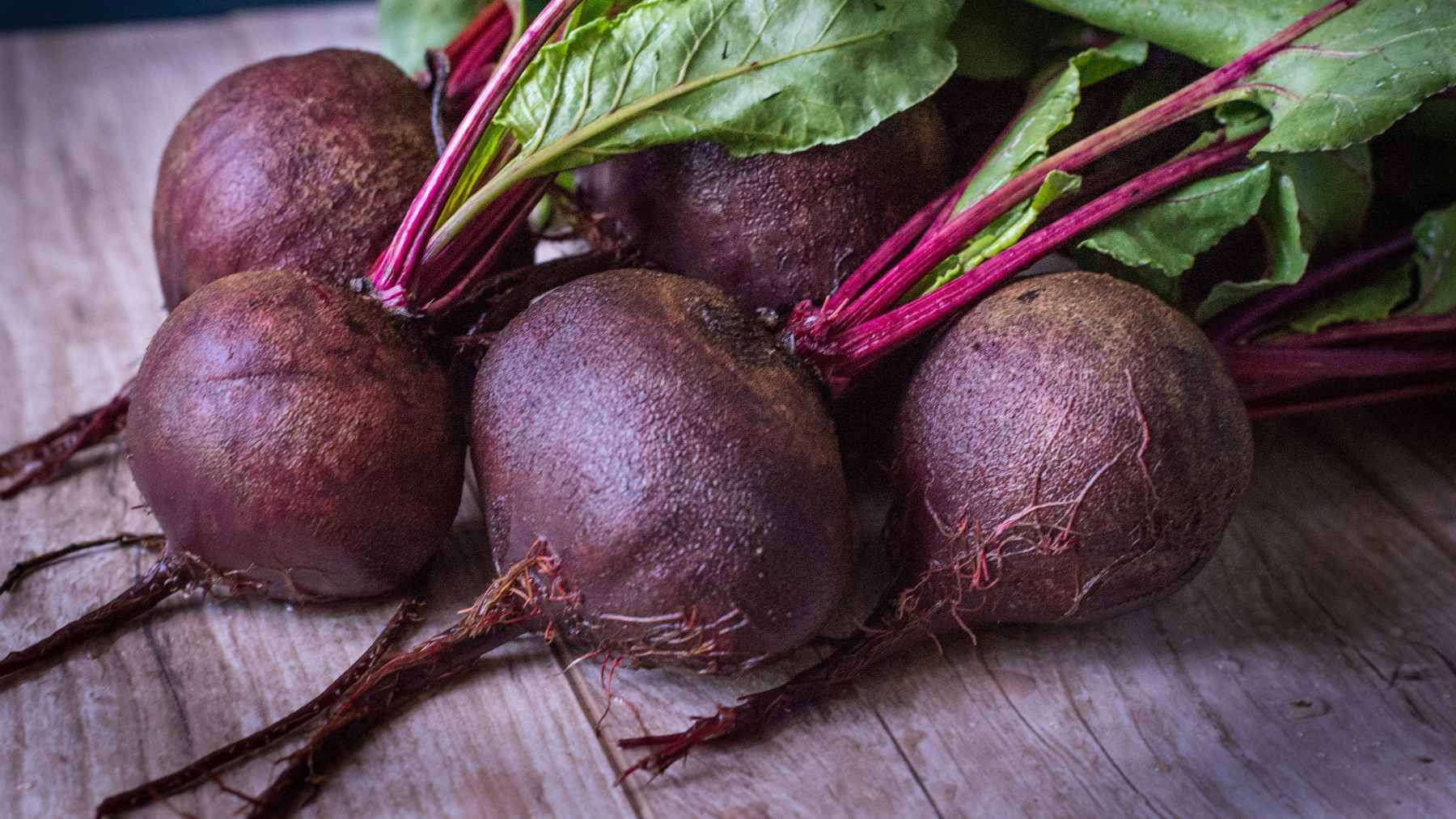
Beets are having a quiet comeback in everyday kitchens, and not just because they look good on a plate. This deep red root is sweet, filling, and packed with compounds that can make a simple meal feel more useful.
The catch is that beets do not forgive careless cooking. Peel them too early, cut them too small, or boil them hard for too long, and much of what makes them special can seep away into the pot.
Keep the skin on
The first rule is simple: cook the beet whole, with the skin still on, after giving it a good rinse under running water. The FDA recommends washing produce before preparing or eating it, and root vegetables deserve that extra scrub because they grow in soil.
That thin skin works like a natural jacket. It helps trap the juices, sugar, color, and some water-soluble nutrients inside instead of letting them drift into the cooking water. Once the beet is tender, the peel usually slips off with your fingers or a small knife.
Do not cut too soon
It can be tempting to chop beets first to make them cook faster. That shortcut usually costs you flavor.
Every cut creates more exposed surface. More surface means more contact with water or direct heat, which is exactly where color and minerals can escape. A whole beet takes longer, but the payoff is a richer taste and a better texture.
Boil them gently
If boiling is the method you use most, keep it calm. Place the unpeeled beets in a pot, cover them with just enough cold water, and bring the water up slowly.
A gentle boil is better than a rolling boil. The usual cooking window runs from 30 to 60 minutes, depending on size. When a knife slides in easily, the beet is ready.
A pinch of salt at the start can help bring out sweetness and color, but it should stay modest, which means seasoning the water without masking the beet itself.
Steam for nutrients
Steaming is the better choice when the goal is nutrient retention. Iowa State University Extension notes that cooking vegetables in water can pull water-soluble vitamins and minerals into the cooking liquid, while steaming helps preserve natural flavor, color, and texture.
Why does that matter? Beets contain fiber, folate, potassium, and betalains, the pigments behind that red-purple color. Folate is sensitive to long cooking times, so gentler heat and shorter exposure can make a real difference.
A 2017 cooking-method study led by Juliana Arruda Ramos and colleagues, archived through São Paulo State University, compared steam cooking, pressure cooking, baking, and boiling in beets.
The researchers found that cooking could reduce some pigments such as betalains, even though antioxidant activity did not change in the same way.
Roast for sweetness
For pure flavor, roasting often wins. Dry heat concentrates the beet’s natural sugars, which is why roasted beets taste richer and sweeter than boiled ones.
The best home method is to roast them whole, still unpeeled, loosely wrapped in foil or tucked into a covered baking dish. Use a medium oven, around 350°F, and avoid very high heat because scorched beet sugars can turn bitter fast.
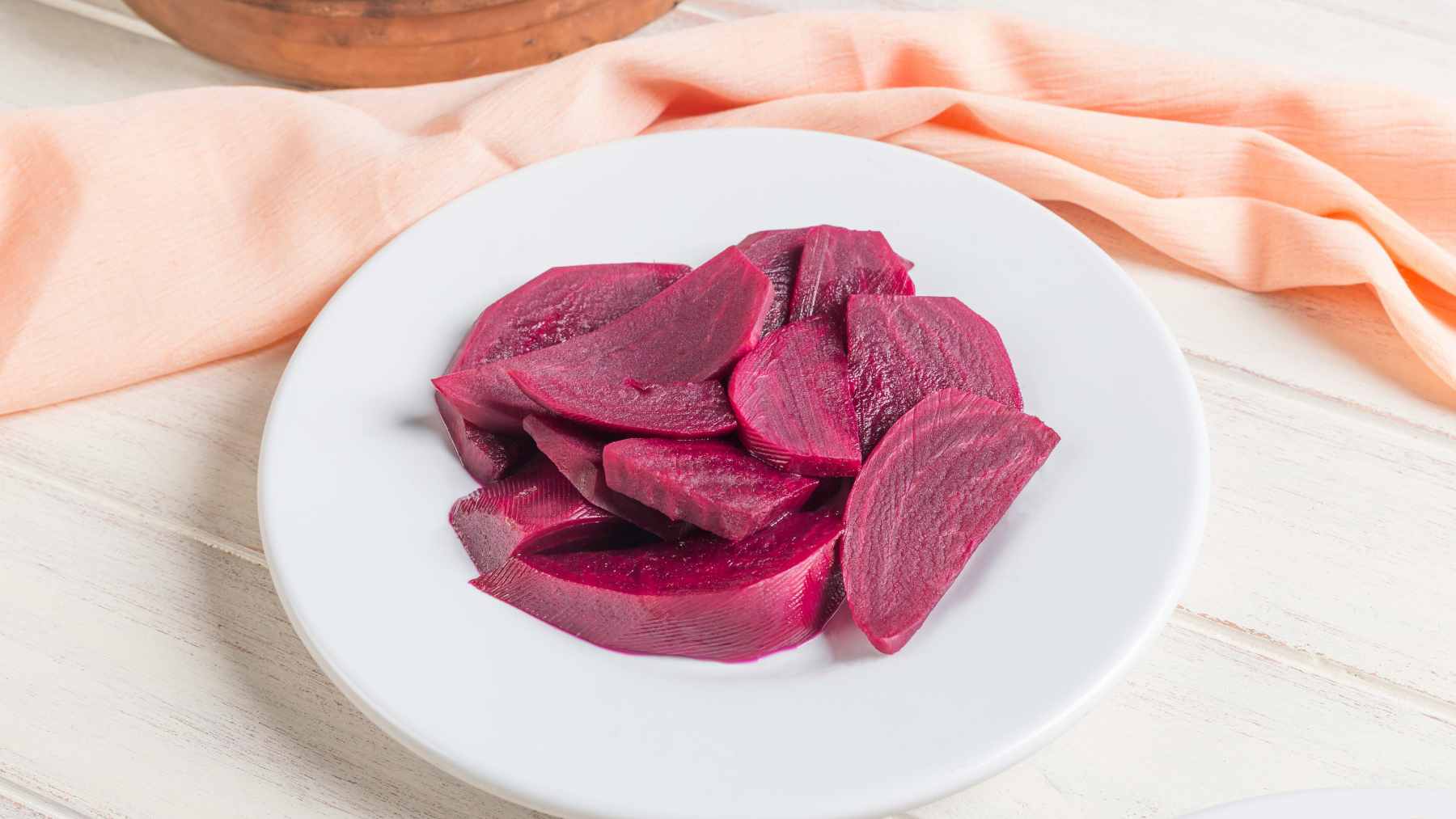
This is the kind of detail that changes dinner. A beet that tastes earthy and flat when overboiled can become sweet enough to pair with goat cheese, citrus, walnuts, chicken, or a simple bowl of grains.
Let them rest
Once cooked, do not run beets under cold water unless you are in a hurry. Letting them cool on their own helps the texture settle and keeps them from turning watery.
Peel them only after cooking. The skin will come away more easily, and the flesh will hold together better for salads, soups, side dishes, or quick weekday lunches.
If you boil them, do not rush to dump the water. That ruby cooking liquid can tint rice, pasta, broth, or soup. A small save, but a useful one.
What the science says
USDA SNAP-Ed lists one medium beet as about 35 calories, with 2 grams of fiber and 6 grams of natural sugars. That helps explain why beets can taste sweet while still fitting easily into a vegetable-forward meal.
The bigger health conversation often centers on nitrates, natural compounds found in beetroot and other vegetables.
A review in The Journal of Nutrition looked at 16 clinical trials with 254 participants and found that inorganic nitrate and beetroot juice were linked to a modest drop in the top blood pressure number.
More recent work from the University of Exeter focused on older adults and mouth bacteria. Professor Anni Vanhatalo said, “We know that a nitrate-rich diet has health benefits,” while co-author Professor Andy Jones said “nitrate-rich foods alter the oral microbiome” in ways that may help older people.
Make beets easy
At the end of the day, cooking beets well is not about making them fancy, it is about protecting what is already there.
Keep the skin on and avoid chopping too early. Steam when nutrients matter most, roast when flavor is the priority, and boil gently when convenience wins. Small choices, big difference.
The main cooking-method study cited here has been published in Semina Ciencias Agrarias.