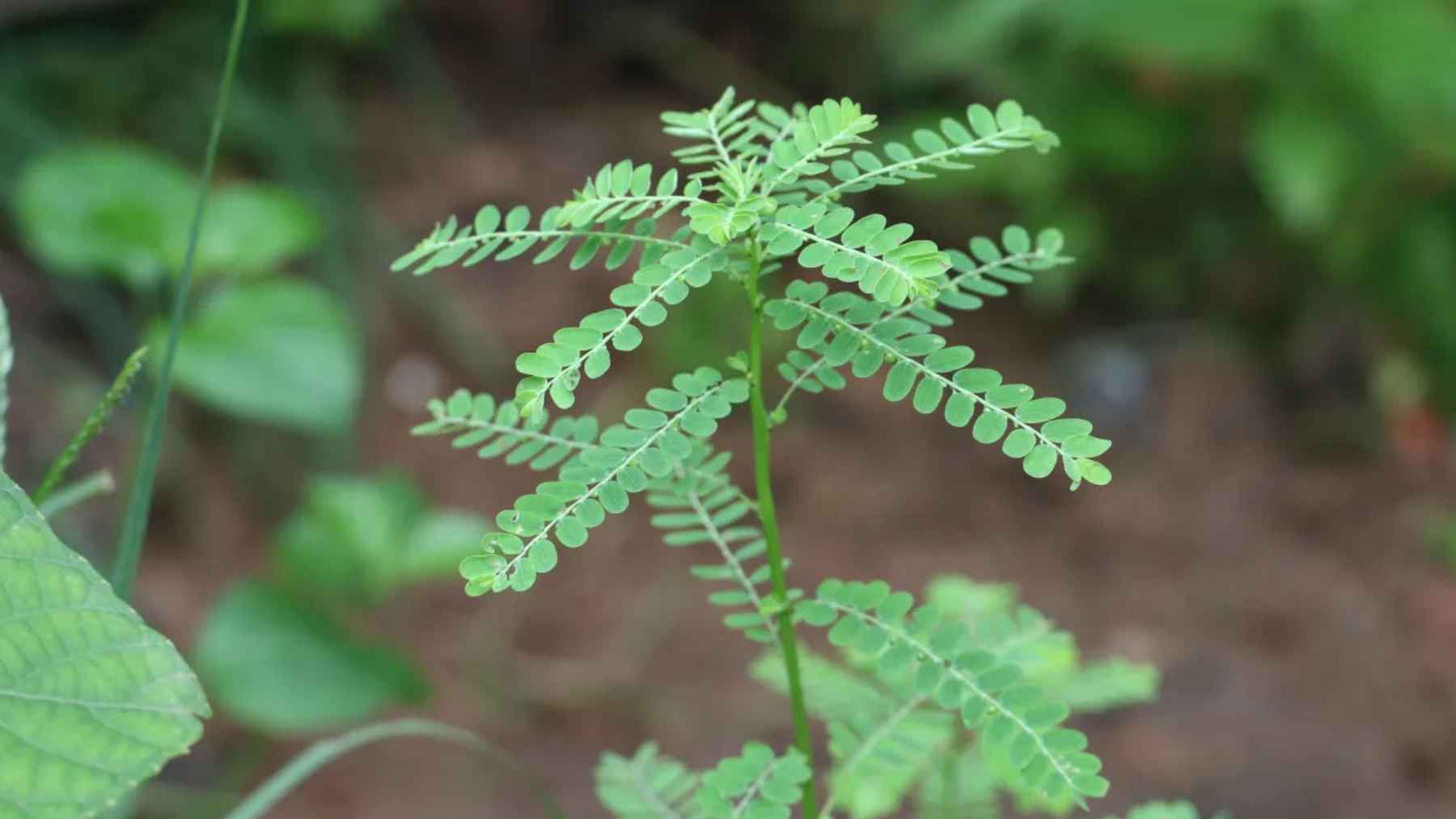
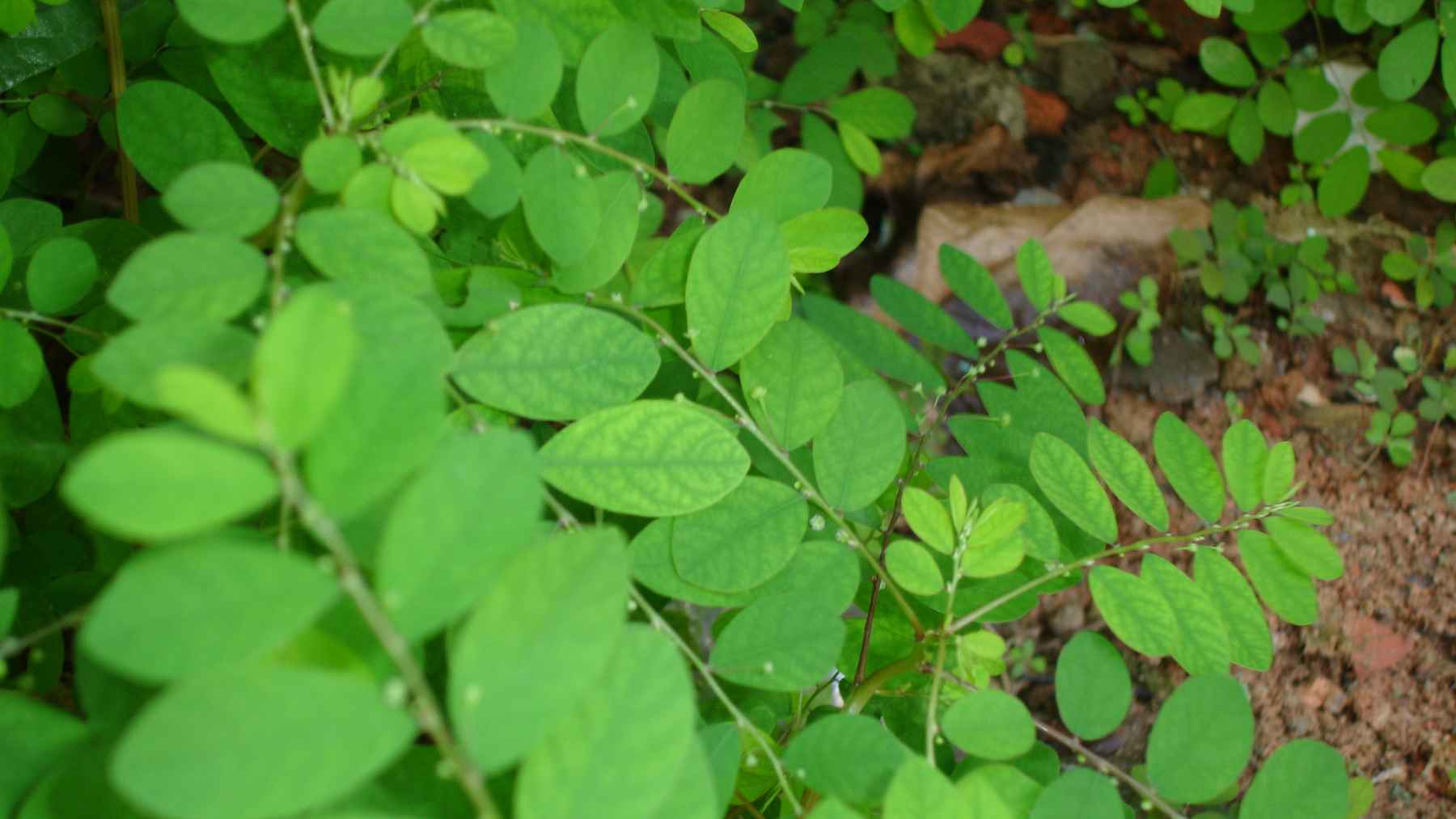
A small, green plant long used in Brazilian homes for urinary problems is now moving into a stricter world, regulated public health medicine. On May 19, 2026, Fiocruz/Farmanguinhos presented pilot batches of a herbal product made from Phyllanthus niruri, better known in Brazil as quebra-pedra, or “stone breaker.”
The goal is to make it available through SUS, Brazil’s national public health system, after stability tests and review by Anvisa, the country’s health regulator.
The medicine is not a miracle cure, and it is not ready for patients yet. Still, the step matters because it brings Indigenous peoples, traditional communities, and family farmers into the story of drug development instead of leaving them at the edge of it.
In practical terms, Brazil is trying to turn everyday plant knowledge into a standardized sachet that can be checked, dosed, and monitored like other medicines.
Why “stone breaker” matters
Quebra-pedra has been used for generations to help with urinary disorders, especially problems linked to stones in the urinary tract.
Urinary lithiasis is the medical name for that condition, when hard mineral deposits form in places where urine passes through the body. Anyone who has had a kidney stone knows this is not a small problem.
The plant’s popular name makes a big promise, but scientists have to be more careful than folklore. Researchers are studying whether the plant can help reduce stone formation, help fragments break apart, and make it easier for the body to pass them.
That is the key difference between a tea made at home and a medicine meant for a public health system.
From home remedy to controlled medicine
The planned product will be produced as a sachet, a packet that can carry a measured dose. That may sound simple, but it changes almost everything. A standardized product has to show that the plant material is the right species, that useful compounds are present at reliable levels, and that the preparation remains stable over time.
Maria Behrens, the Farmanguinhos researcher responsible for the plant studies, has warned that homemade preparations can carry real risks.
A plant may be switched, diluted, contaminated, or prepared with too little of the useful compounds. A regulated product does not erase all uncertainty, but it makes quality control part of the process.
Who is building the project
The work brings together the United Nations Development Programme, Brazil’s Ministry of Environment and Climate Change, Fiocruz, Farmanguinhos, Anvisa, SUS, and the Global Environment Facility.
It is backed by about $477,000, money which is being used for equipment, infrastructure, supplies, technical visits, lab studies, and stability testing before regulatory submission.
Carina Pimenta, Brazil’s national secretary for bioeconomy, said the project treats traditional knowledge as technology when access is based on prior informed consent and benefit sharing.
Priscila Ferraz, Fiocruz’s vice president for health production and innovation, framed it as a way to widen safe access while supporting biodiversity and domestic production.
Gabriel Fávero, a technical adviser with the United Nations program, said the agreement can strengthen the national production chain and set a precedent for benefit-sharing partnerships.
The science is promising but cautious
There is a scientific reason officials are moving carefully. A 2018 clinical study followed 56 people with kidney stones smaller than 0.4 inches and found that Phyllanthus niruri tea was safe in that group and changed some urinary markers linked to stone formation.
A 2020 review reached a more cautious conclusion, saying clinical evidence suggests modest benefit, but more study is still needed.
That caution is important. The current Anvisa indication described by officials is as an aid to increase urinary flow and as an added therapy for mild urinary complaints, while studies continue on a possible indication for urinary stones. In other words, the plant may be promising, but the label must follow the evidence.
Why this could go beyond one plant
At the end of the day, this is also a test of how Brazil handles its biodiversity. Anvisa said in December 2025 that the country has about 350 regularized herbal medicines, compared with about 3,000 in the United Kingdom and 10,000 in Germany, while only about 15% of Brazilian plant species have been studied for medicinal use.
That is a huge gap for a country with so much biological knowledge on the ground.
The project also follows Brazil’s model for access and benefit sharing, which is meant to recognize communities that hold traditional knowledge.
That matters because plant-based innovation has often moved in one direction: from local knowledge to commercial products, without much return for the people who kept that knowledge alive. This time, officials say the chain is supposed to work differently.
What happens next
The pilot batches are only the beginning. After them come stability studies, submission to Anvisa, and then the possible supply of the product through SUS. Earlier official materials estimated that this stage could take up to two years, so patients should not expect an immediate rollout.
Careful wording matters here, too. The correction in the source material makes clear that this is the first time quebra-pedra is being used to produce this kind of herbal product for inclusion among SUS offerings, not the first medicinal plant ever connected to the public system.
The official press release has been published by Fiocruz/Farmanguinhos.