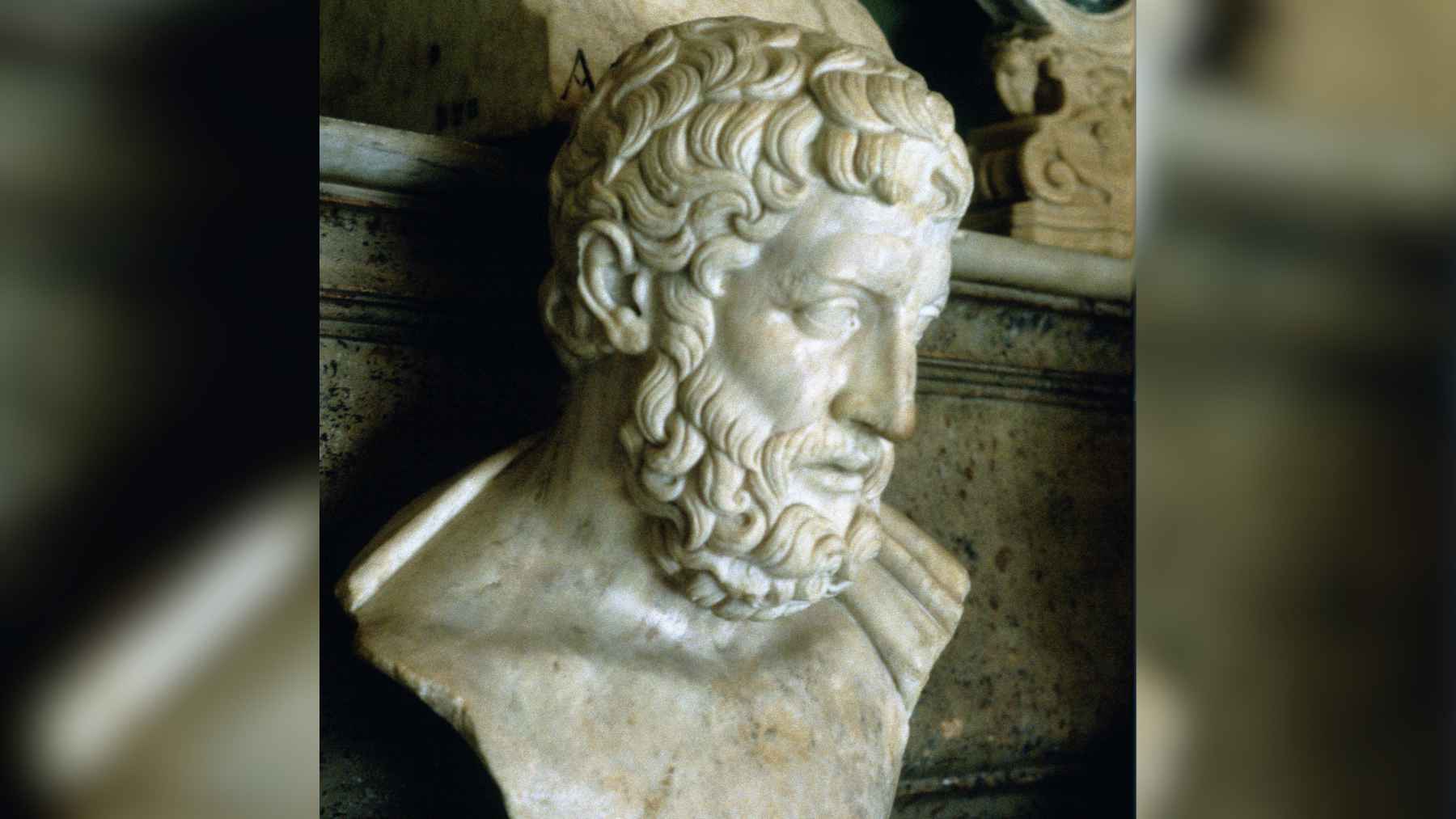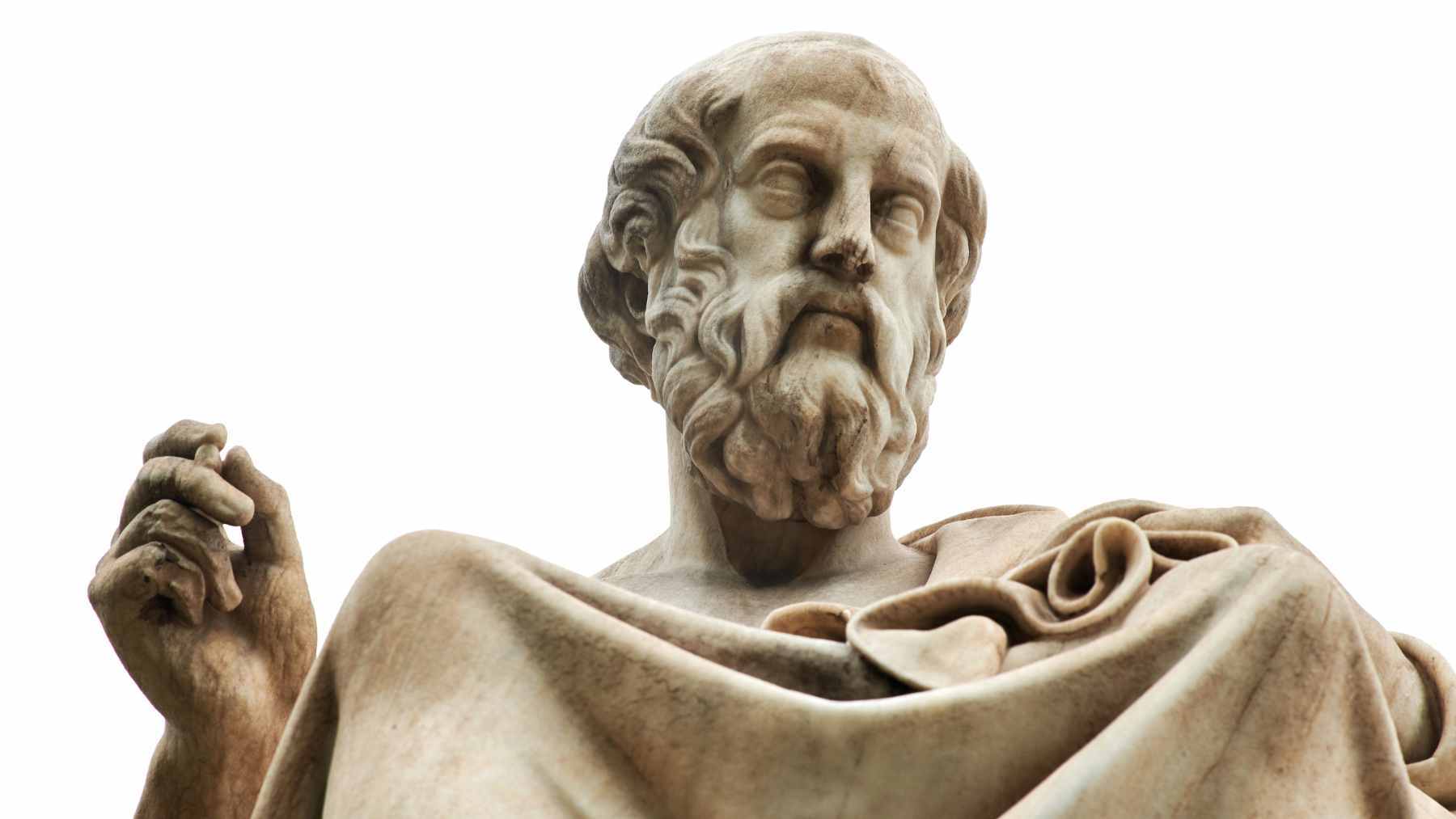
A short saying often linked to the Greek philosopher and mathematician Pythagoras has found new life in today’s search for longevity.
“If you want to live long, keep a little old wine and an old friend,” says the line, which the supplied brief presents as a symbolic lesson about moderation, patience, and lasting friendship.
It sounds simple, almost like advice from a grandparent at the dinner table. But modern health research points in a similar direction, at least in one key way. Long life is not only about medicine, diets, or fitness trends. For the most part, it also depends on steady habits and the people who stay with us.
A thinker beyond numbers
Pythagoras is best known today for the theorem students meet in geometry class. But the man from Samos, born around 570 BCE, was also a philosopher whose followers shaped early ideas about mathematics, music, ethics, and the order of the world.
Britannica notes that little direct evidence from his own lifetime survives, and that he likely left no writings of his own.
That matters because famous ancient sayings can travel through history in blurry ways. Still, the message in this one fits the broader image of Pythagorean thought, which often linked a good life with balance, restraint, and harmony.
In practical terms, the quote is not a medical formula. It is a small metaphor. The old wine points to patience and measured pleasure. The old friend points to trust that has survived time.
What the wine really means
The “old wine” in the saying should not be read as a green light to drink more. If anything, the heart of the message is moderation. A little pleasure, enjoyed slowly, is very different from excess.
That distinction matters today. The CDC says drinking less is better for health than drinking more, and it estimates that excessive alcohol use causes about 178,000 deaths each year in the United States.
So what can modern readers take from the image? Maybe this. Health is shaped by repeated choices, not dramatic gestures. The quiet dinner, the slow conversation, the decision to stop before “too much” becomes normal. Small things add up.
Why old friends matter
The second half of the saying may be even more important. An old friend is not just someone you have known for years. It is someone who knows your story, your habits, your fears, and the version of you that existed before life became complicated.
Research has caught up with that old idea. In the Harvard Study of Adult Development, researchers found that close relationships were strong predictors of long and happy lives, and Robert Waldinger said that tending to relationships is also a form of self-care.
The U.S. Department of Health and Human Services has also warned that social isolation raises the risk of premature death by 29 percent. Poor social relationships, loneliness, and isolation are also linked with higher risks of heart disease and stroke.
Friendship as health protection
Why would friendship affect the body? The answer is not mystical. People with reliable social ties often have help during illness, someone to notice changes, and a reason to keep showing up.
There is also the stress factor. Loneliness can keep the body on alert, like a phone battery draining in the background. Over time, that strain may affect sleep, mood, inflammation, and daily decision-making.
A large review led by Julianne Holt-Lunstad found that people with stronger social relationships had a 50 percent higher likelihood of survival than those with weaker ties.
That does not mean friendship is a magic shield. But it does mean relationships deserve a place next to diet, movement, and sleep in any serious talk about aging well.
Ancient advice in a rushed world
Today’s longevity market often looks shiny and expensive. There are supplements, cold plunges, apps, trackers, and endless routines promising better aging. Some may help. Some may not.
Pythagoras’ old saying pulls the conversation back down to earth. What if part of living longer is less about chasing the newest trick and more about protecting what improves with time?
That could mean keeping a few deep relationships instead of dozens of shallow contacts. It could mean sharing a meal without rushing, calling the friend you have not seen in months, or choosing enough instead of more.
Living longer and better
The lesson is not that old wine or old friends can guarantee a longer life. No single habit can do that. Genes, income, medical care, environment, and plain luck all play a role.
But the saying still lands because it points to something real. A long life is not just counted in birthdays. It is also measured in steadiness, affection, restraint, and the people who keep a seat for you at the table.
That may be why an ancient line still feels surprisingly current. Modern science keeps finding data, but the human wish is the same. We want more years, yes. Even more than that, we want years worth living.
The main scientific study referenced here has been published in PLOS Medicine.