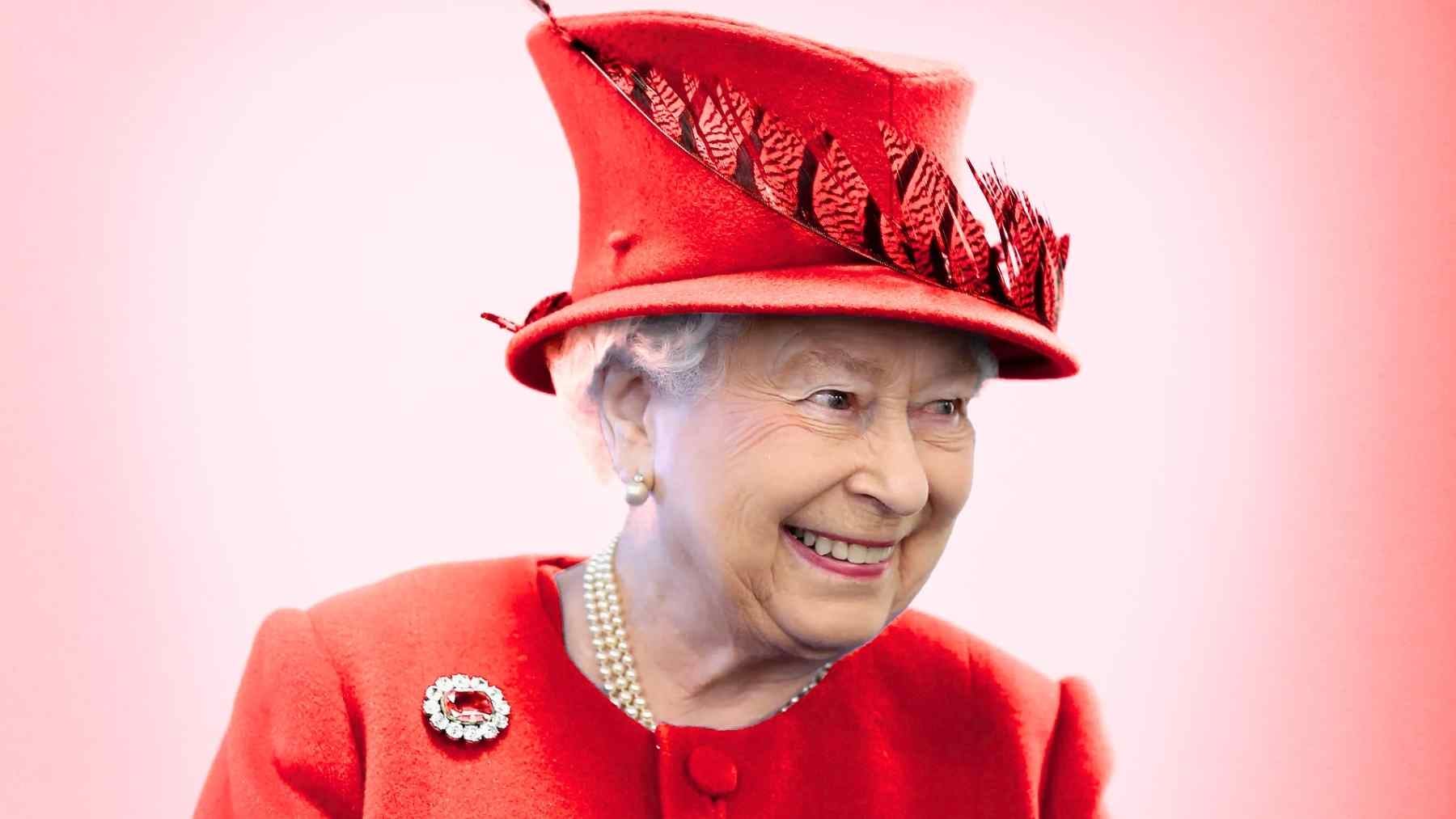
Queen Elizabeth II once put a powerful idea into a simple sentence. “It’s worth remembering that it is often the small steps, not the giant leaps, that bring about the most lasting change.” The quote, recently highlighted in a quote-of-the-day item, comes from the Queen’s 2019 Christmas Broadcast and frames a surprisingly useful wellness lesson.
For anyone trying to eat better, move more, sleep longer, or feel less overwhelmed, the message lands close to home. Big health makeovers may be exciting at first, but everyday routines are usually what decide whether change sticks after the motivation fades.
Why small habits work
Health change is not only about discipline. To a large extent, it is about repetition, timing, and making the healthier choice easy enough to repeat when life gets messy.
A 2024 systematic review on health habit formation found that habit timelines vary widely. Median times ranged from 59 to 66 days, while mean times ranged from 106 to 154 days, depending on the behavior and the person. Some habits took just a few days, while others took much longer.
That’s why a “perfect” Monday plan often collapses by Thursday. A smaller step, like preparing breakfast the night before or taking a walk after lunch, may not feel dramatic. But it gives the brain something clear to repeat.
Movement adds up
The CDC recommends that adults aim for at least 150 minutes of moderate-intensity activity each week, such as brisk walking, plus muscle-strengthening activities on 2 or more days. Put another way, 30 minutes a day, 5 days a week, can meet the basic target.
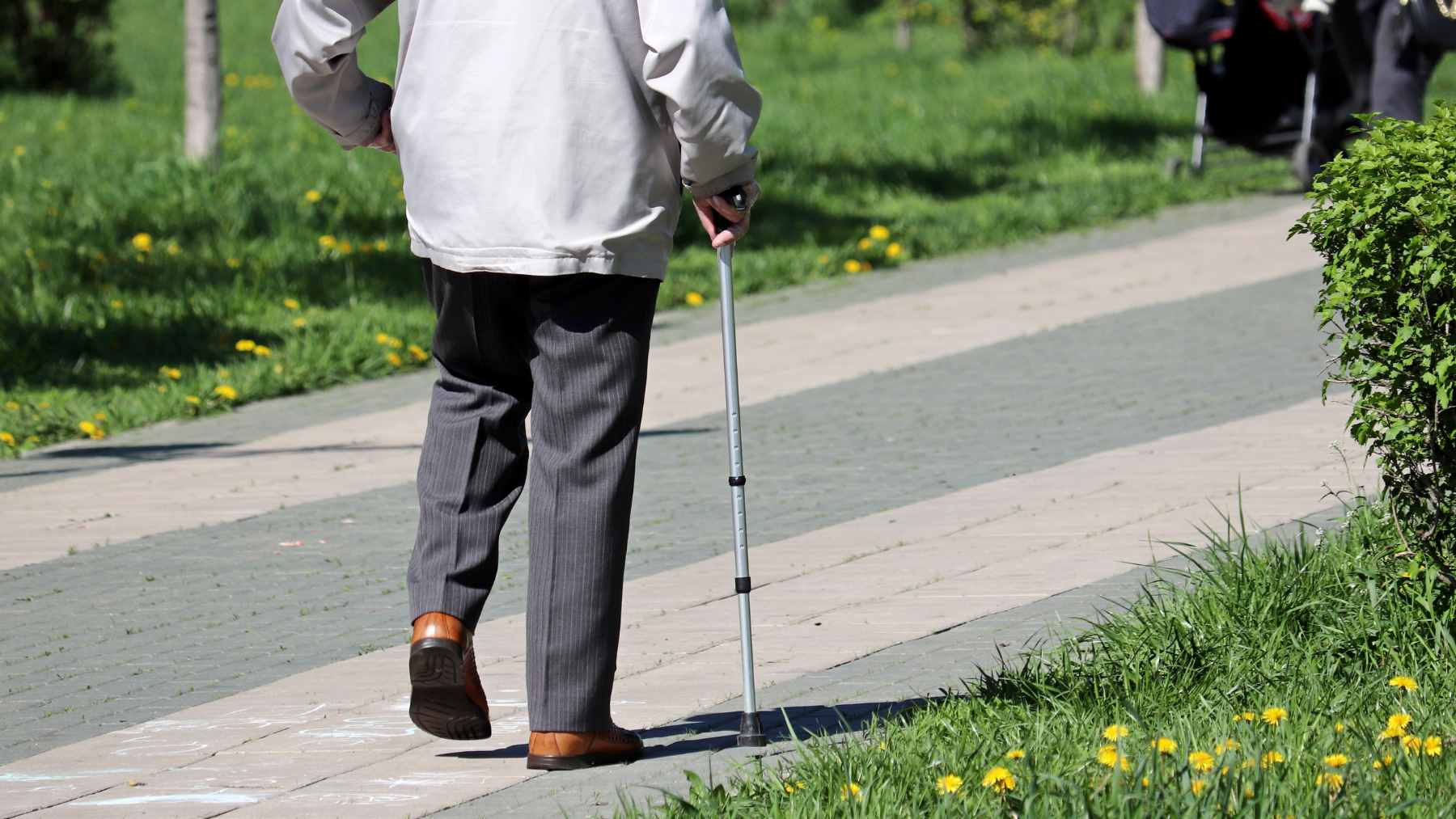
But that does not mean people need to become marathon runners overnight. A short walk around the block, a few flights of stairs, or 10 minutes of stretching while dinner is cooking can help someone move from “I do nothing” to “I’m starting.”
That shift matters. The American Heart Association also notes that even light-intensity activity can offset some of the risks of sitting too much. In practical terms, the body notices movement, even when it does not look like a polished gym routine.
Food changes do not need to be extreme
Nutrition is another place where “giant leaps” can backfire. Cutting out entire food groups, skipping meals, or chasing a strict plan may feel productive for a few days, but it can quickly become exhausting.
The CDC’s current healthy eating guidance emphasizes whole, nutrient-dense foods, including protein foods, dairy, vegetables, fruits, healthy fats, and whole grains. That leaves room for simple upgrades rather than a total kitchen overhaul.
So what does that look like on a busy day? Add fruit to breakfast. Put an extra vegetable into dinner. Swap one sugary drink for water. It is not glamorous, but neither is brushing your teeth, and that still works because you do it often.
Sleep may be the quietest small step
Sleep rarely gets the same attention as workouts or diets, yet it is one of the foundations of health. The CDC says adults need at least 7 hours of sleep each day, and getting less than that counts as insufficient sleep.
For many people, the first step is not a perfect bedtime routine. It is moving bedtime 15 minutes earlier, charging the phone outside the bedroom, or turning off one more episode before the cliffhanger pulls you in.
Small? Yes. But that is the point. Better sleep often begins with protecting the final minutes of the day, especially when stress, screens, and late-night scrolling are competing for attention.
The danger of all-or-nothing thinking
One reason small steps work is that they reduce the shame cycle. People often miss one workout or eat one unplanned meal and decide the whole week is ruined.
That mindset can be more damaging than the missed workout itself. A more realistic approach is to treat each choice as a reset point. The next meal, the next walk, the next bedtime, all of them count.
Queen Elizabeth’s quote was not written as medical advice, of course. But its core idea fits what health experts often encourage, sustainable behaviors usually come from consistency, not spectacle.
A lasting change starts today
The healthiest routine is not always the most impressive one. It is the one a person can return to after a hard day, a bad night of sleep, a packed schedule, or a stressful week.
So the question is not “How do I change everything by tomorrow?” It is simpler than that. What is one small step you can repeat?
That may be the real wellness lesson hidden in the Queen’s words. Lasting change often starts quietly, then builds before we even notice it.
The official statement was published on The Royal Family.