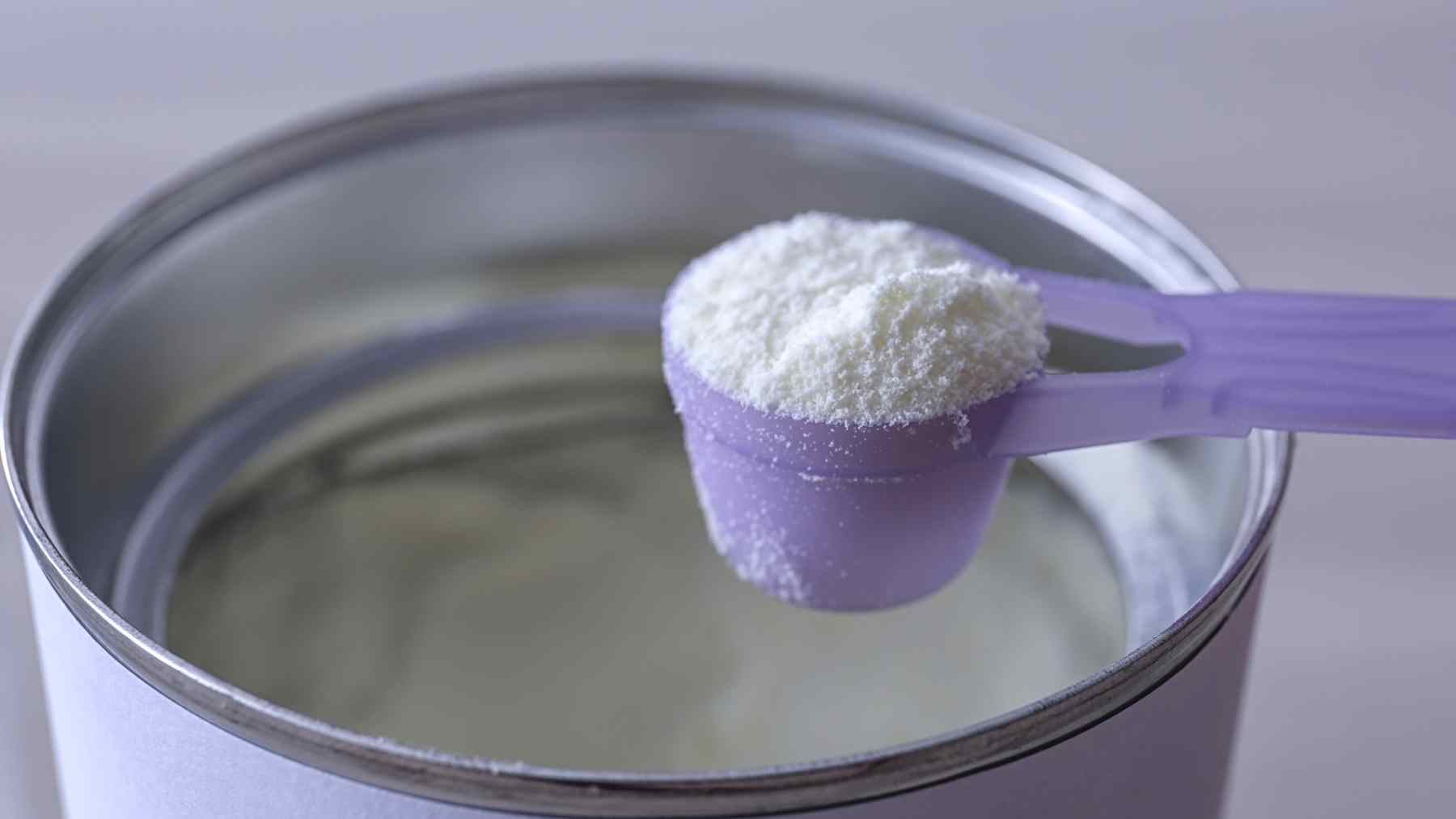
A baby formula recall that began as a precaution has now become a wider warning for parents, after officials confirmed the presence of cereulide, a heat-stable toxin that can trigger sudden vomiting, stomach pain, and diarrhea. The concern centers on certain recalled batches of infant formula, including SMA products made by Nestlé, along with some Aptamil and Cow & Gate batches listed by UK regulators.
For parents, the most unsettling part is simple. This is not a kitchen mistake that can be fixed by boiling water. The Food Standards Agency says heating or preparing formula with boiling water will not remove the toxin, which means checking batch codes matters more than ever.
A toxin parents cannot boil away
Cereulide is produced by some strains of Bacillus cereus, a bacterium that can contaminate food and, under the wrong conditions, produce a toxin that survives heat. The World Health Organization says cereulide can withstand temperatures up to about 250 degrees Fahrenheit, which explains why ordinary formula preparation cannot make an affected batch safe.
Symptoms can come on fast, often with nausea, vomiting, and abdominal pain. In babies, that can become more serious because repeated vomiting may quickly lead to dehydration and electrolyte problems.
One father wants answers
The human side of the recall is hard to ignore. Rhys Edwards, whose five-month-old son was fed a recalled SMA batch, said his baby began vomiting and was later sent to the hospital because of concerns over dehydration and blood glucose levels.
According to the family’s account, they only discovered the recall while already dealing with the medical scare. Edwards said parents place “faith and trust” in a brand when choosing formula from a crowded shelf, and he now wants answers about what went wrong.
What families should check
The FSA’s advice is direct. Parents and caregivers should check whether their baby’s formula is from an affected batch and stop using it immediately if it is listed, even if the baby appears well.
The recall lists include products in several sizes, from ready-to-feed containers of about 2.4 and 6.8 fluid ounces to tubs of about 14 ounces, 1.8 pounds, and 2.6 pounds. Officials have urged families not to rely on the product name alone, since batch codes and best-before dates are the key details.
The recall widened
UK health agencies later reported that the situation was bigger than a single notice. As of March 2, 2026, UKHSA and partner agencies had received 61 notifications involving children who had consumed implicated batches and had symptoms consistent with cereulide toxin poisoning.
That number does not mean every case was definitively caused by the recalled formula. Officials also noted that some children had confirmed seasonal viral infections, which can look similar at first. Still, the pattern was serious enough for public-health teams to keep monitoring hospitals, primary care, and other reporting systems.
The ingredient under investigation
Investigators have traced the contamination back to arachidonic acid oil, known as ARA oil, an ingredient used in some infant nutrition products. WHO said the full root cause analysis and complete traceability of all affected batches remained under investigation as of its March notice.
By WHO’s count, contaminated formula, nutritional products, and oil mixes had been distributed to 99 countries and territories across six WHO regions. Between January 1 and February 25, 2026, 144 suspected and confirmed cases were reported across 10 countries, with investigations still ongoing.
Why this hits parents so hard
Infant formula is not just another grocery item. For many babies, it is the main or only source of nutrition, which means a safety alert can feel personal in a way few recalls do.
That’s why clear communication matters. A parent standing in the kitchen at 2 a.m. with a hungry baby does not need vague reassurance. They need to know whether the product in their hand is safe, what number to check, and who to call if their child becomes sick.
What to do now
For the most part, the practical advice is straightforward. Do not use a recalled batch, do not try to “fix” it with heat, and seek medical advice if a baby has sudden vomiting, diarrhea, stomach pain, poor feeding, unusual sleepiness, or signs of dehydration.
Nestlé said in an April update that all affected SMA batches had been recalled and that products available for purchase in the United Kingdom and Ireland were safe to consume. Even so, old tins can sit in cupboards for months. That’s the part parents can control today.
The official statement was published on World Health Organization.