Chia seeds have a wholesome reputation. You’ll see them in smoothies, yogurt bowls, and “healthy” snacks that look like they belong on your feed. But if you’ve ever sprinkled them in and felt unusually bloated later, you’re not imagining things.
Nutrition experts say one common habit can turn chia from helpful to uncomfortable. The headline advice is simple: don’t eat chia seeds dry, especially if you have any trouble swallowing, and give them time to soak so your body can handle them better.
The mistake many people make
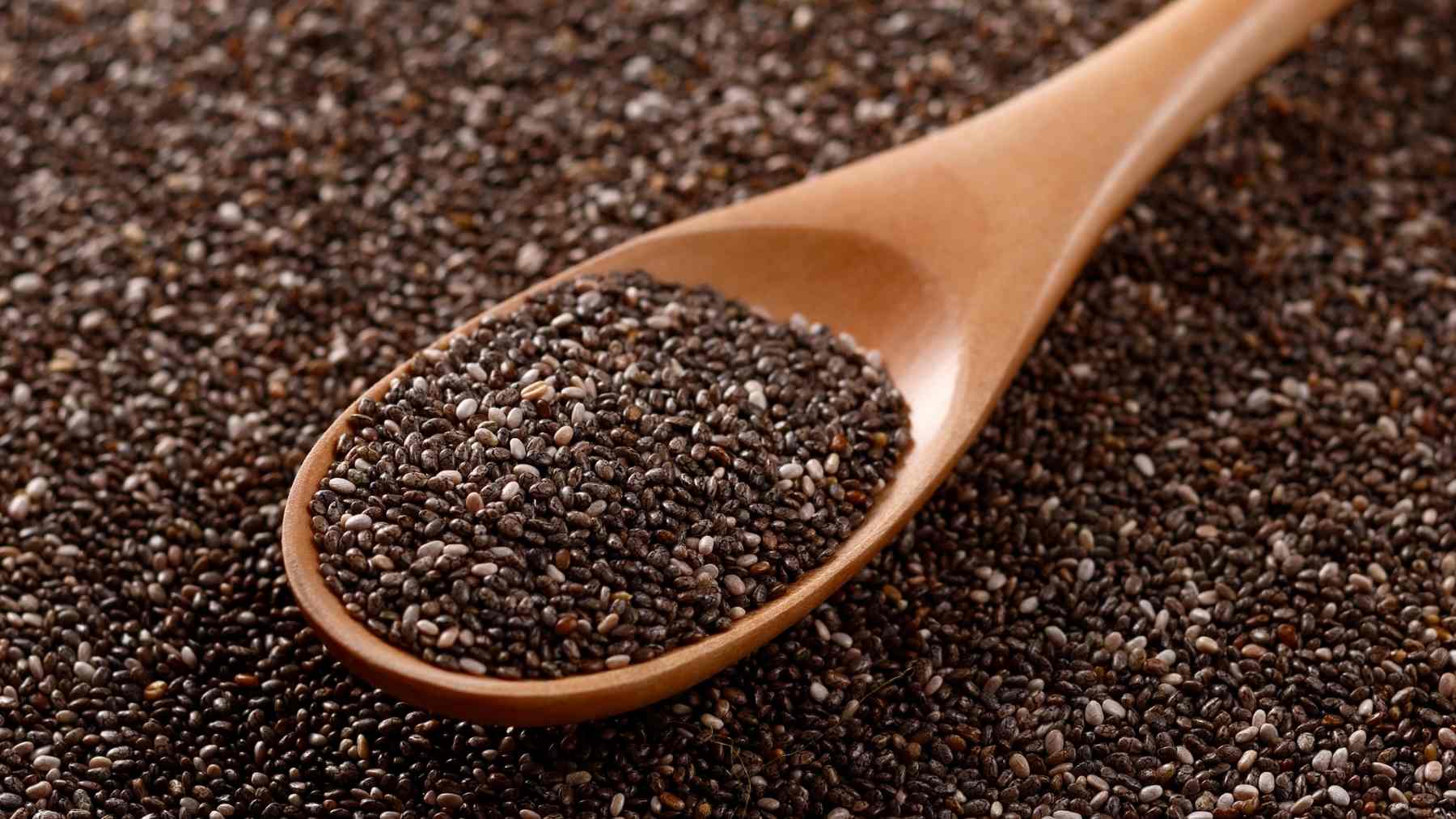
The most frequent slip-up is eating chia seeds dry and hoping they’ll “figure it out” in your stomach. People do it when they stir dry seeds into thick yogurt, pack them into oat jars, or spoon them straight off the bag. It sounds harmless, but chia is not a regular topping.
A nutrition guide from the Harvard T.H. Chan School of Public Health puts it bluntly: “Do not eat dry chia seeds by themselves.” That warning matters even more for anyone with dysphagia (trouble swallowing) or ongoing digestive issues.
There’s also a nutrition angle here that gets overlooked. Many of chia’s nutrients are easier to access after the seed’s outer layer has softened or broken down, which happens when it sits in liquid. In practical terms, soaking is not just a comfort trick, it can help your body actually use what you’re eating.
What happens when chia hits liquid
Think of chia seeds as tiny sponges. When they meet water, they quickly pull it in and form a slippery coating that feels “gel-like.” That gel comes mostly from soluble fiber, a type of fiber that thickens when wet.
Inside your digestive system, the same swelling can happen if the seeds are still dry when you swallow them. That’s why some people report stomach fullness that feels like it showed up out of nowhere, plus gas or cramps. It can be the same kind of discomfort you get after eating a lot of fiber too fast.
Soaking changes the whole experience. Give chia about 15 to 30 minutes in water or mix it into a wet food, and it softens before it ever reaches your throat or stomach. Less surprise, less drama.
When dry chia becomes a medical emergency
Most problems with dry chia are uncomfortable, not dangerous. Still, doctors have documented rare cases where it goes beyond bloating and turns into a genuine blockage.
In an American College of Gastroenterology report from 2014, gastroenterologist Rebecca Rawl described a patient who swallowed dry chia seeds and followed them with water, after which the seeds expanded and became lodged in the esophagus. Her takeaway was direct: “Patients should never consume dry chia seeds”.
This risk is much higher for people who already have swallowing problems or narrowing in the esophagus. If you’re someone who feels food “stick” sometimes, chia is not the food to gamble with. And if someone can’t swallow liquids or even saliva after eating anything, that’s a red flag that calls for urgent medical care.
What you actually get from a serving
Chia isn’t a new invention from wellness culture. It has been eaten in Central America for more than 5,000 years, including by the Aztecs and Mayans, long before it became a modern “superfood.” It’s also naturally rich in fiber, and a typical one-ounce serving (about 2 to 3 tablespoons) provides close to 10 grams of fiber.
A serving-size snapshot helps keep expectations realistic. The Mayo Clinic Health System notes that about 2.5 tablespoons of dried chia contains roughly 140 calories, about 5 grams of protein, and about 10 grams of fiber. It also points out that chia can absorb many times its weight in liquid, which is exactly why it changes texture when mixed into drinks and puddings.
That combo explains both the upside and the downside. Fiber can support digestion and cholesterol levels for many people, but it can also hit hard if you jump in too quickly or don’t drink enough fluids. Anyone who has learned this the hard way knows the feeling. It’s not subtle.
What clinical studies show so far
If you’re wondering whether chia is “worth it,” the most careful answer is that it can help, but it’s not magic. That’s where the bigger research summaries are useful because they look past hype and focus on measurable results.
A 2024 systematic review led by Mehdi Karimi, with researchers including teams from Bogomolets National Medical University and several other institutions, pulled together results from 10 randomized clinical trials in people who were overweight.
The review found small improvements in a few areas, including about a 3-point drop in the top blood pressure number, about a 1-inch reduction in waist size, and a decrease in a common inflammation marker, while changes in cholesterol and blood sugar markers were not clearly significant overall.
That mix of findings is worth sitting with. Chia may be a useful add-on inside a bigger pattern that includes diet, sleep, and activity, but it’s not a shortcut. At the end of the day, it behaves more like a helpful ingredient than a cure.
Simple ways to use chia safely
The safest rule is also the easiest to remember. Pre-soak chia in water until it thickens, or add it to foods that are already moist, like oatmeal, smoothies, or yogurt, and then let it sit a bit before eating. If you want a quick dessert-style option, chia pudding uses the same idea and turns it into something you actually look forward to.
It’s also smart to start small, especially if your usual diet is low in fiber. Medical News Today notes that eating large amounts of chia can cause side effects for some people, and it flags extra caution for those with diabetes, high blood pressure, allergies, or digestive issues, partly because chia may affect blood sugar and blood pressure in ways that can overlap with medications.
One more common-sense tip: drink water. Chia is literally designed to hold liquid, and your body still needs enough fluids to keep everything moving normally. If chia feels like it “doesn’t agree with you,” it might not be chia itself. It might be the way it was eaten.
The main study has been published in Nutrition & Metabolism.