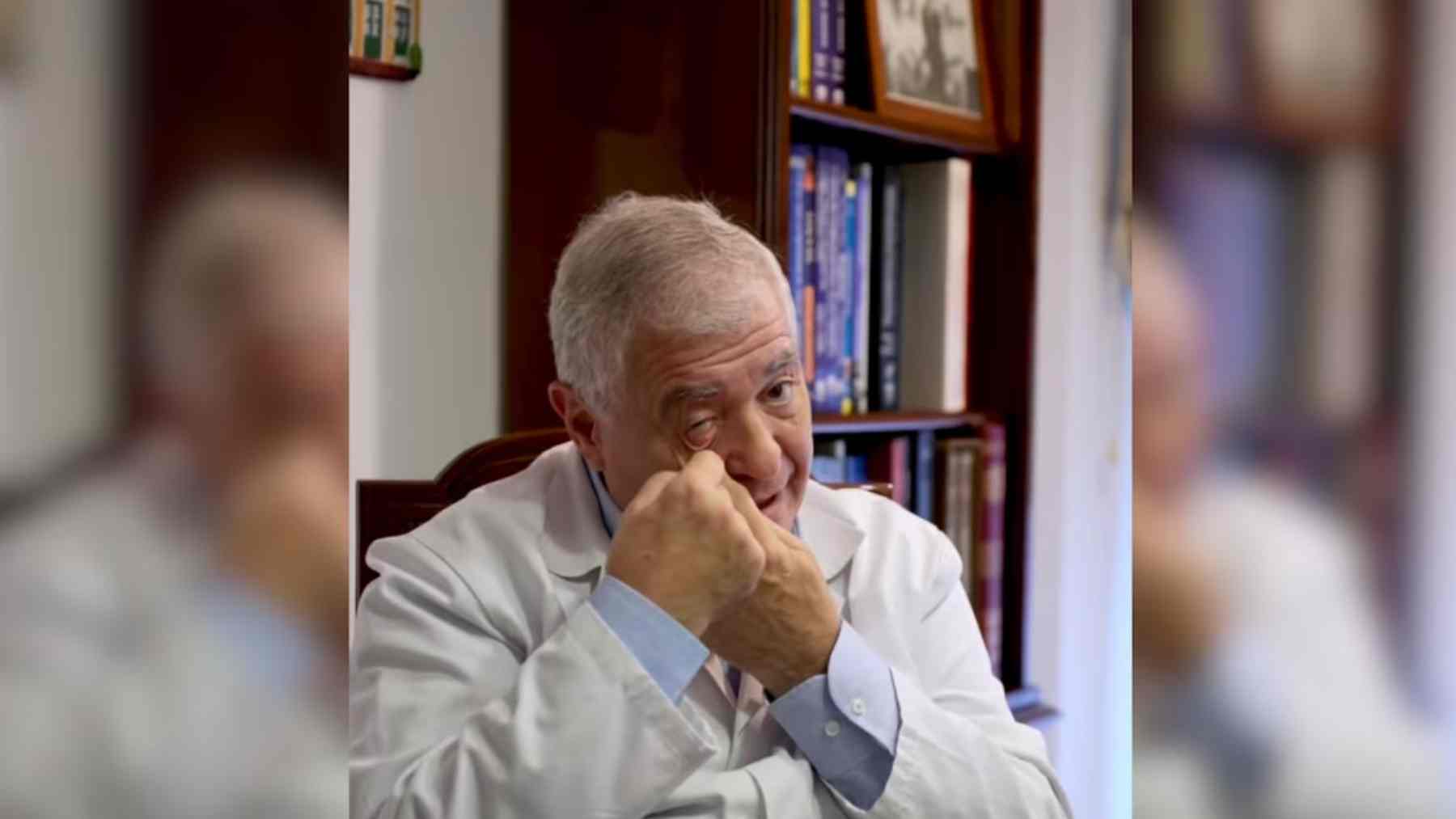
Scars are usually part of surgery. That is one of the first things many patients hear before going into an operating room, whether the procedure is medical or cosmetic. But according to plastic surgeon Miguel Saldaña, there are a few exceptions that can leave no visible mark on the outside of the body.
The reason is simple. In these cases, the surgeon works through natural openings or hidden internal areas, such as the inside of the eyelid, the nostrils, or the mouth. That approach does not mean the body does not heal, because it still does, but it can mean there is no scar visible in the mirror. For people worried about facial marks, that detail can matter a lot.
Three surgeries with no visible scar
Saldaña, a doctor with more than 30 years of experience, recently explained that there are three procedures that can avoid visible scarring. He shared the examples while discussing common questions about surgery and healing.
The first is transconjunctival blepharoplasty. This is a type of eyelid surgery used to remove the small fat pockets that can form under the lower eyelids. Instead of cutting through the skin, the surgeon works through the inner part of the eyelid, which means there is no external scar left behind.
The second is closed rhinoplasty. In this nose surgery, the work is done through the nostrils rather than through an outside cut. Since the incisions are made in the inner lining of the nose, there is no visible mark on the outside once the area heals.
The third is the removal of the buccal fat pads, which Saldaña describes as “small little balls of fat under the cheekbones.” This procedure is done from inside the mouth, near the molar area. Because the entry point stays inside the mouth, the face shows no outside scar after surgery.
Why these procedures are different
Most surgeries leave some kind of scar because the skin has to be cut and then repaired by the body. That healing process creates new tissue, and that new tissue is what we see as a scar. At the end of the day, that is how the body closes a wound.
These three procedures stand apart because they use hidden access points. The surgeon still makes an incision, but it is placed where it cannot be seen in normal daily life. That can make a big difference for patients who are especially concerned about facial appearance, selfies, or simply looking natural at work or school.
Still, “no visible scar” does not mean “no healing” or “no risk.” These are still surgeries, and like any operation, they require planning, recovery time, and proper follow-up. That part never disappears.
What surgical scars can look like
Not every scar behaves the same way. According to Clínica Dermatológica Internacional, postsurgical scars are usually grouped into three main types, and each one can look and behave differently over time.
The first type is an atrophic scar. This kind looks sunken or hollow because tissue has been lost in the area where the incision or injury happened. In simple terms, the skin does not build back with enough volume, so the mark appears lower than the surrounding surface.
Then there are hypertrophic scars. These become raised, firm, and sometimes red in the treated area. They often appear between four and eight weeks after surgery and can also cause itching or discomfort, which is one reason some patients worry even after the wound seems closed.
The third group is keloids. These scars grow beyond the original wound and can spread into nearby skin. They may take much longer to appear, sometimes up to two years after the procedure, and they tend to develop in areas where the skin has been under strong tension.
How doctors treat postsurgical scars
Scar treatment depends on both the type of scar and how severe it is. There is no single fix that works for every patient, which is why specialists usually recommend a personalized evaluation before starting treatment.
For atrophic scars, one commonly used option is microneedling. This treatment uses tiny controlled punctures in the skin to stimulate collagen production. Collagen is the protein that helps give skin its structure, so boosting it can improve the scar’s texture and appearance over time.
Hypertrophic scars and keloids often respond better to silicone-based products such as gels or patches. These are used after the wound has properly closed and new surface tissue has formed. They help maintain moisture and a stable environment in the treated area, which can support better healing.
In some cases, doctors also use laser treatments or medications injected directly into the scar. These options are meant to reduce thickness and improve appearance. But results can vary, and experts stress that treatment should be chosen based on the patient, the scar, and the part of the body involved.
What this means for patients
For many people, the idea of surgery is tied not only to pain or recovery, but also to what will be left behind afterward. A visible facial scar can feel like a constant reminder every time someone looks in the bathroom mirror or catches their reflection in a store window.
That is why procedures done through the inside of the eyelid, nose, or mouth get so much attention. In practical terms, they offer a way to change a feature or correct a problem without leaving an obvious external mark. But that does not make them casual beauty tricks. They are still medical procedures, and patients need to understand both the benefits and the limits.
The bigger point is not that surgery can magically erase all evidence. It usually cannot. What these three operations show is that, in some very specific cases, the route a surgeon takes can change what healing looks like on the outside.
The main official information was published by Miguel Saldaña and Clínica Dermatológica Internacional.