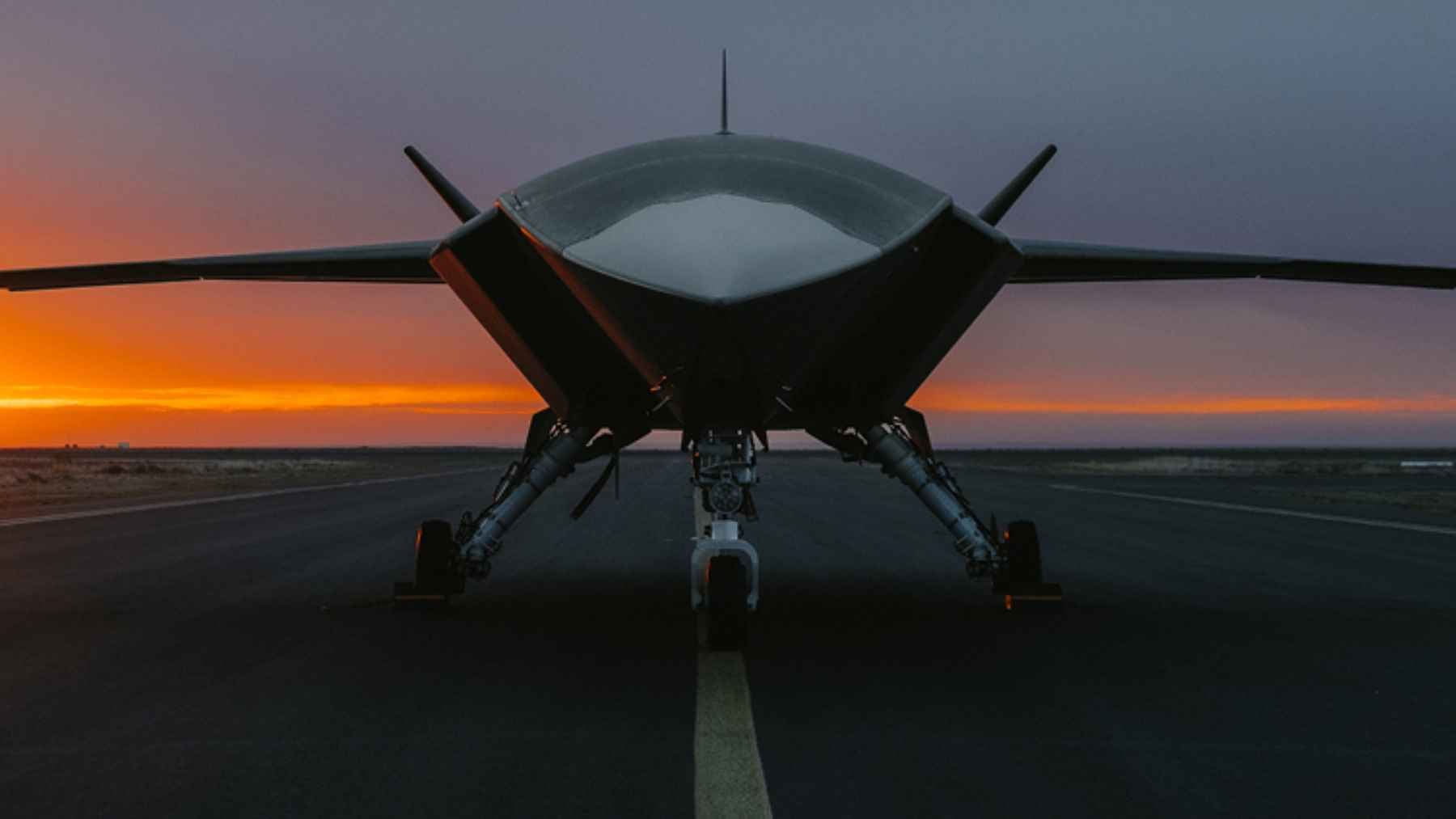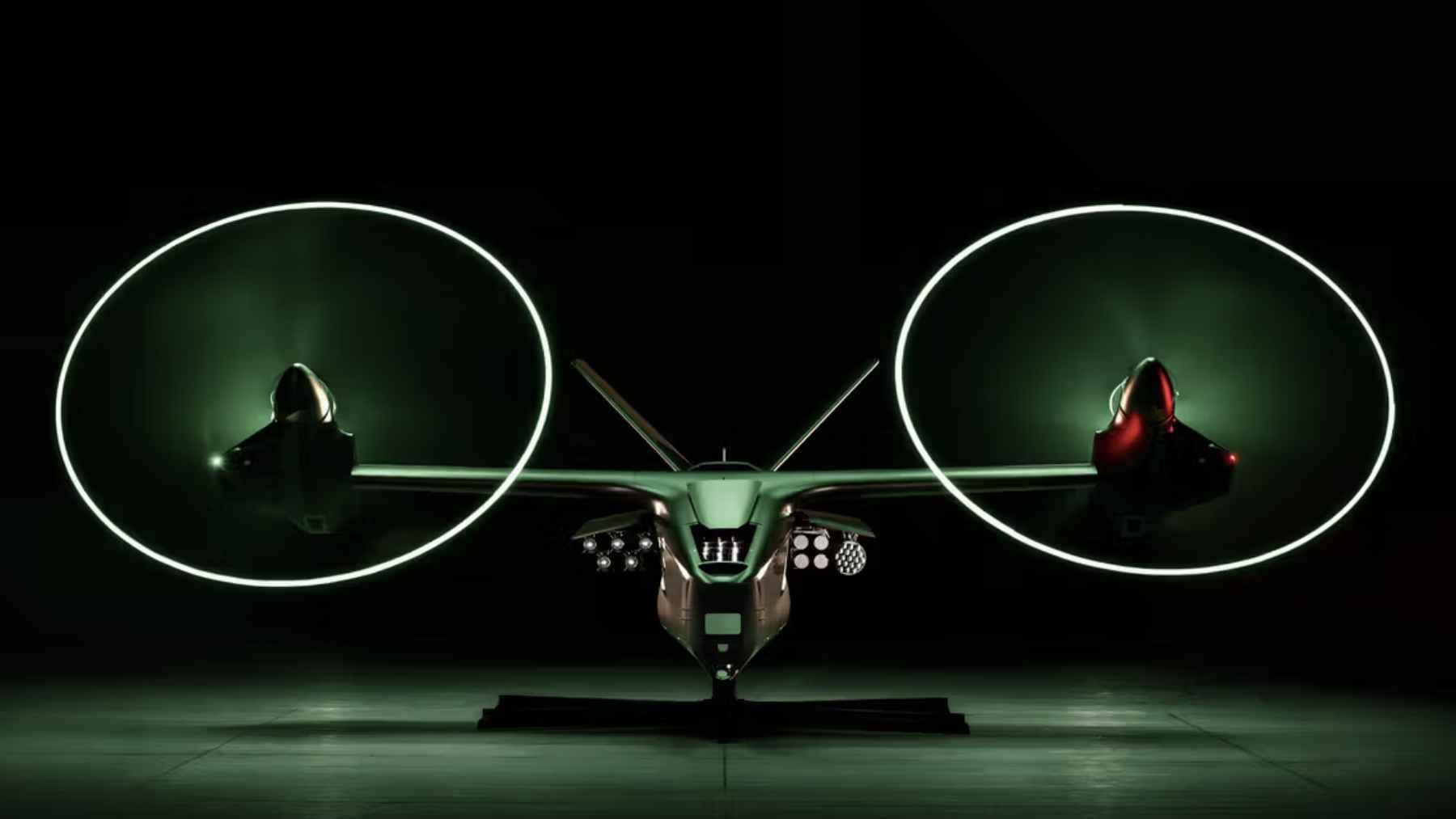
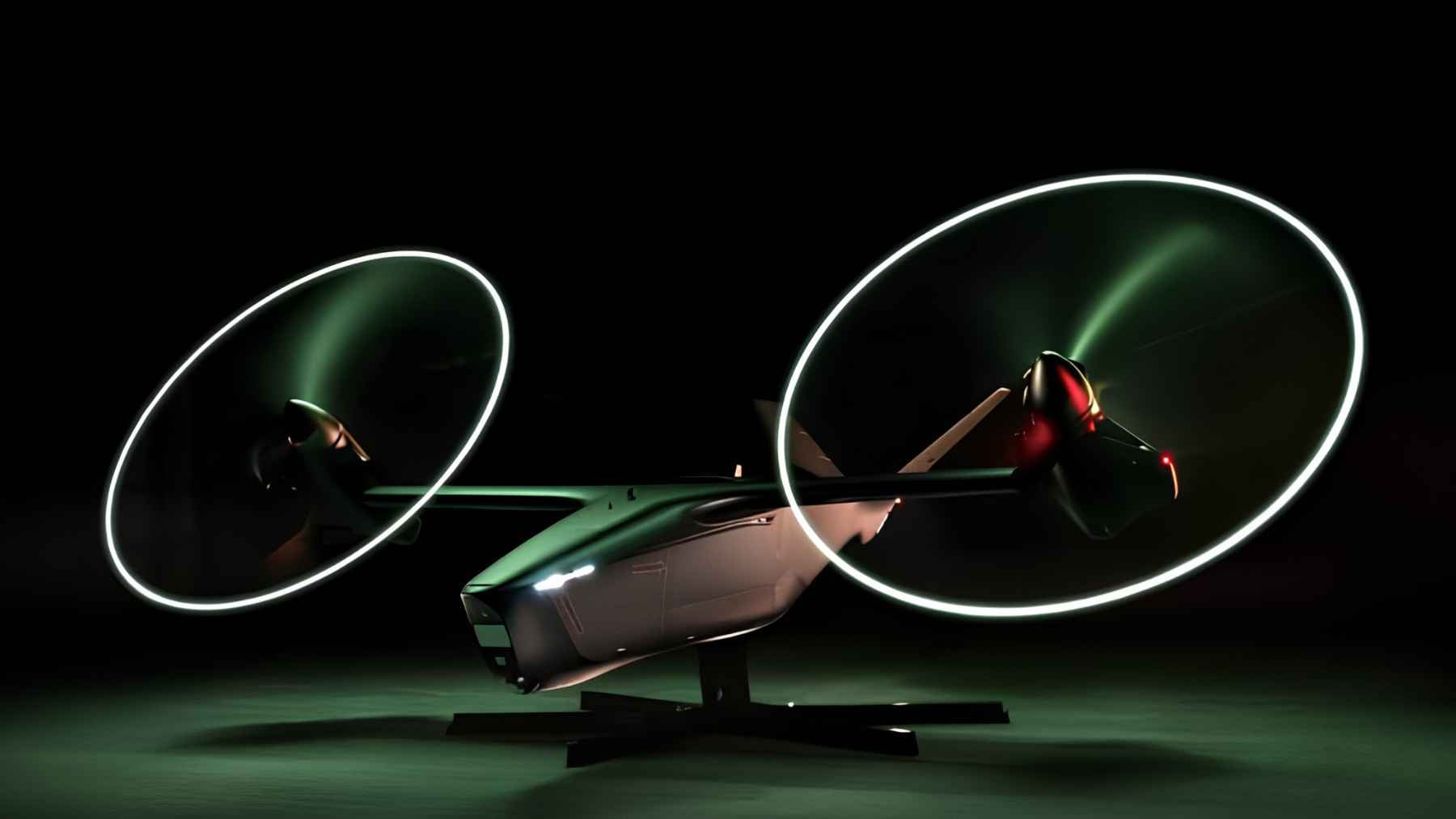
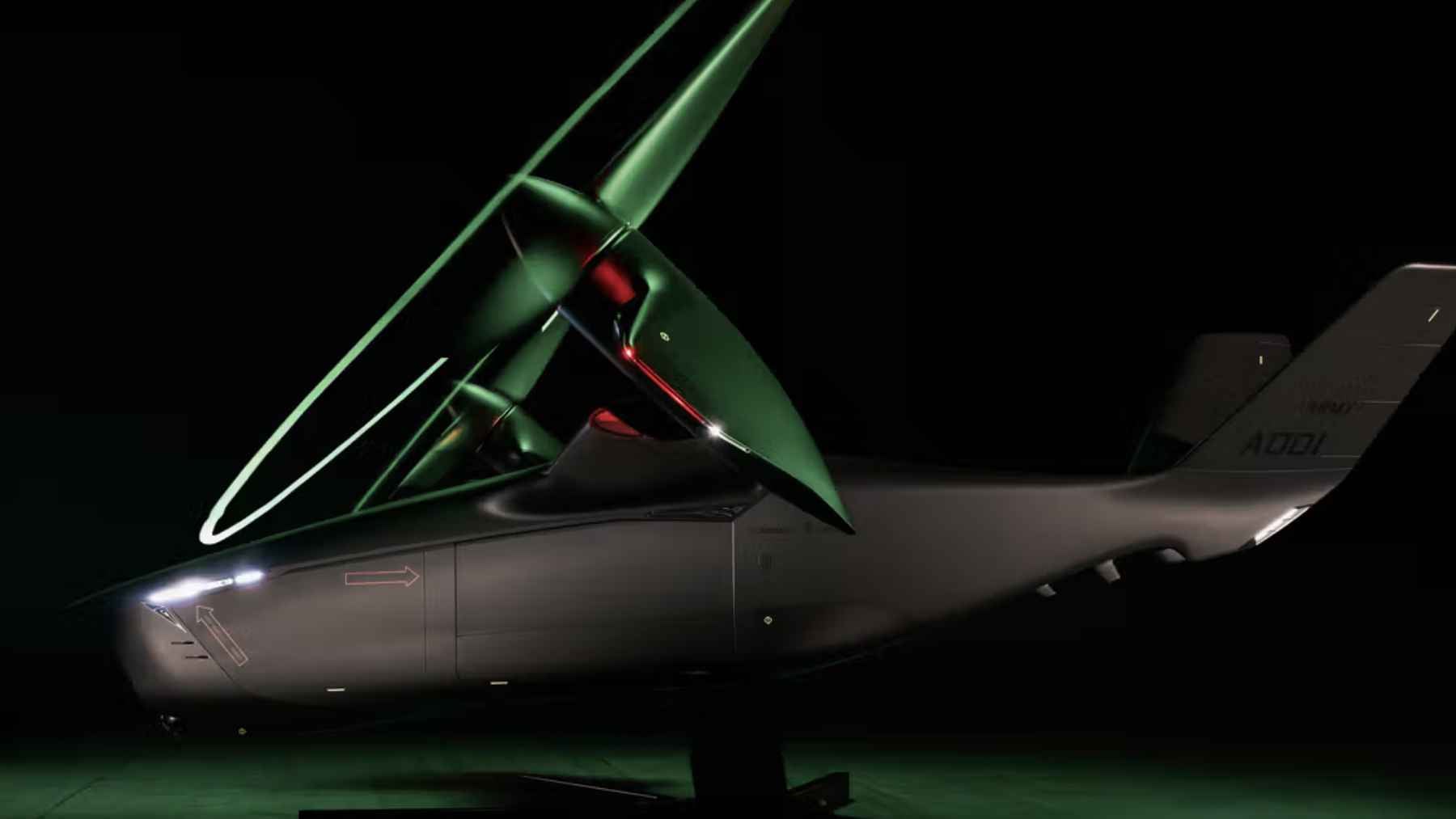
Anduril and Archer Aviation have unveiled Thunder, a large autonomous attack rotorcraft designed to fly alongside crewed helicopters such as the AH-64 Apache. Announced on July 20, 2026, the tiltrotor is planned to carry up to 10 air-to-ground missiles or 76 2.75-inch rockets, with its first flight targeted for 2027.
The bigger story is not simply the size of its weapons bay. Shane Arnott, Anduril’s senior vice president of Maneuver Dominance, said drawing on commercial electric vertical takeoff and landing technology is “central to how Thunder will deliver operational value.” Most of its performance, cost, and efficiency claims still await testing with the actual aircraft.
A robotic partner for the Apache
Anduril says the airspace just above the ground has become one of the battlefield’s most dangerous zones. Cheap air defenses, loitering munitions, small drones, and near-constant surveillance can expose attack helicopters before their crews reach a target.
Thunder is meant to push sensors, weapons, and some of that risk forward while a crewed aircraft directs the mission. Pilots would issue intent rather than fly each uncrewed aircraft with a second set of controls, so the system is being presented as a teammate instead of a remote-controlled helicopter.
The company says pairing three Thunder aircraft with each Apache could give a Combat Aviation Brigade three times as many available munitions without placing more pilots in danger. That is a striking promise, but it remains a manufacturer’s projection rather than a result proven in operational service.
A modular flying arsenal
Thunder’s main internal bay is designed for several loadouts. Anduril lists 10 Hellfire, JAGM, or Barracuda-100M air-to-ground missiles, 16 launched effects such as the Altius-600, or 76 2.75-inch rockets, while a separate nose compartment could carry 12 counter-drone effectors.
Other proposed payloads include electronic warfare equipment, sensors, and cargo. , one Thunder could carry precision missiles while another scouts ahead or protects the formation from drones, giving commanders more choices without asking every aircraft to perform the same job.
There is an important catch. These are planned configurations for an aircraft that has not yet made its first flight, so weapon separation, vibration, heat management, maintenance demands, and real-world payload performance will still have to be demonstrated.
Hybrid-electric is not emission-free
Thunder uses a series hybrid-electric powertrain and two tilting rotors. The design allows vertical takeoff and landing, then shifts to wing-supported cruise, where variable rotor speed is intended to lower power demand, fuel consumption, and noise.
That may improve efficiency compared with a conventional rotorcraft on some mission profiles, but Anduril and Archer have not published fuel-burn, emissions, range, or life-cycle data for Thunder. Hybrid-electric also does not mean zero-emission flight because the powertrain still consumes fuel.
Still, the dual-use approach matters. Thunder shares its basic airframe, powertrain, and core systems with Archer’s commercial Halo variant, potentially spreading development costs and supplier investment across defense, freight, offshore support, emergency logistics, and other markets.
Software sits in the cockpit’s shadow
The aircraft is built around Anduril’s Lattice for Mission Autonomy software. According to the company, Lattice manages formation behavior, aircraft separation, routing, timing, task allocation, and deconfliction while the human crew concentrates on the wider mission.
An onboard perception system combines passive sensors, selectively used active sensors, computer vision, map data, and edge computing. The aim is to keep Thunder navigating and tracking terrain, obstacles, and threats when GPS, visibility, or communications are degraded, which is exactly when a simple remotely piloted drone can become a burden.
The hard part will be trust. Crews must understand what several autonomous aircraft are doing, cyber protections must withstand attack, and the system must behave predictably in cluttered low-altitude airspace where trees, power lines, smoke, friendly aircraft, and civilians can all complicate a decision.
Britain is already testing the idea
Thunder also arrives as the United Kingdom advances Project NYX, a program seeking autonomous aircraft that can operate as wingmen for British Army Apaches. Anduril is one of four companies selected in May 2026 to develop concepts for reconnaissance, precision strike, target acquisition, and electronic warfare missions.
The British Ministry of Defence says Apache crews should benefit from the drones’ information without controlling them directly, while humans will retain decisions that result in weapons use. Up to two suppliers are expected to move into a prototype phase in fall 2026, with an operational system targeted for 2030.
That does not mean Thunder has won the British program. But the timing shows that the aircraft is aimed at a real and active military requirement, not just an air show display.
Commercial production meets military demand
Archer says the joint platform draws on eight years of electric vertical takeoff and landing development. The partners have completed multiple flights with full-scale surrogate aircraft, and the platform can reportedly self-deploy over long distances or fit inside a standard shipping container for transport by air, road, rail, or sea.
The production pitch is just as important as the technology. By using commercial suppliers and a shared platform, Anduril and Archer hope to build more aircraft at lower cost than a traditional all-military program, although neither company has released a unit price.
Anduril has already moved deeper into autonomous air combat through the U.S. Air Force’s FQ-44 Collaborative Combat Aircraft program. In June 2026, the Air Force awarded the company an engineering and manufacturing development and production contract, giving the broader human-machine teaming concept more weight even though Thunder is a separate aircraft.
The first flight will be the real test
For now, Thunder is an ambitious proposal with a detailed payload plan and a clear battlefield role. The 2027 flight campaign will need to show whether its hybrid system, tiltrotors, autonomy, sensor fusion, and modular bays work together outside presentations and surrogate testing.
Watch the basics. Range, speed, fuel use, acoustic performance, weapons integration, maintenance hours, price, and the workload placed on Apache crews will determine whether Thunder becomes a genuine force multiplier or another promising prototype.
The official press release was published on Anduril.